
Have you ever wondered why car enthusiasts swear by waxing their vehicles? Waxing your car isn’t just about making it look shiny and new.
It actually plays a key role in protecting your car’s paint and keeping it in great shape. If you want to learn how wax can save your car from damage and make it stand out on the road, keep reading.
This simple step could be the secret to maintaining your car’s beauty and value for years to come.
Benefits Of Waxing
Waxing a car is more than just making it look good. It adds a protective layer that keeps the paint safe and shiny for a long time. Regular waxing improves the car’s appearance and helps maintain its value. The benefits of waxing go beyond just shine; it defends the car from daily wear and tear.
Enhancing Paint Shine
Wax makes the car paint look glossy and bright. It fills in tiny scratches and smooths the surface. This helps light reflect better, giving the car a fresh, polished look. A well-waxed car stands out and looks newer for longer.
Protecting Against Uv Rays
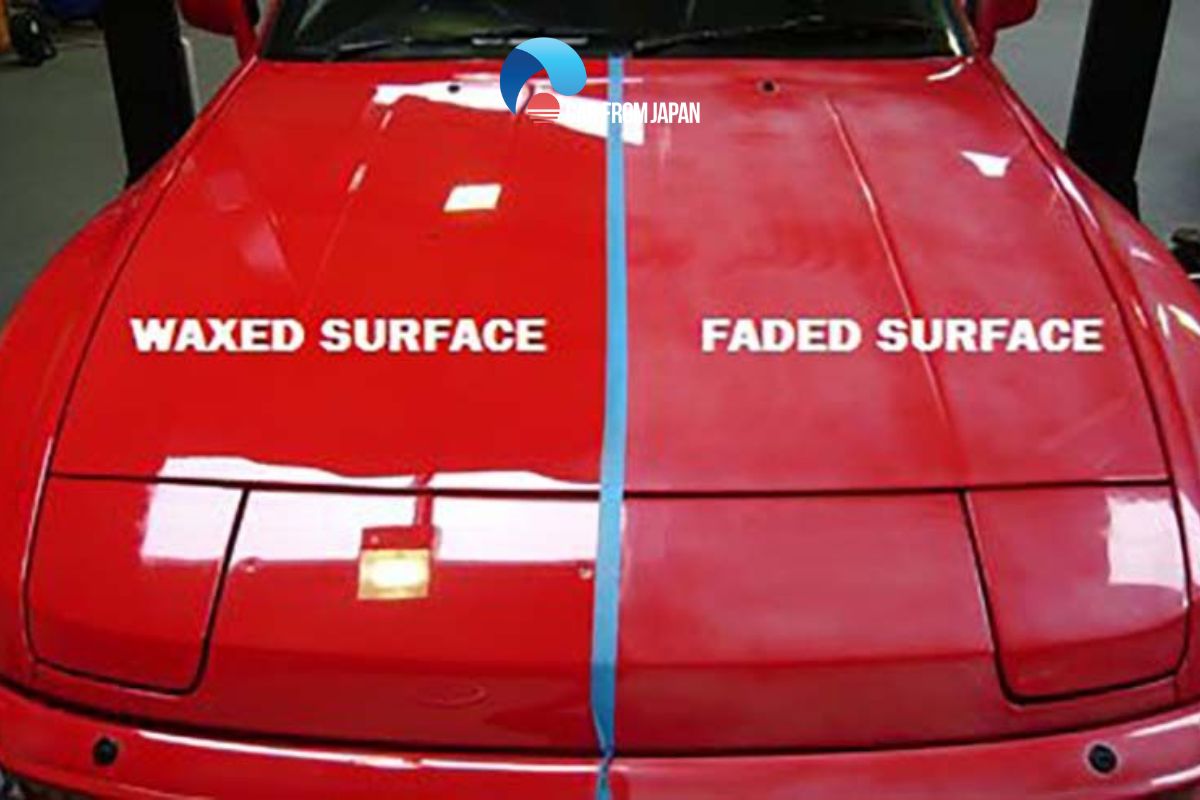
Sunlight can fade car paint over time. Wax forms a shield that blocks harmful UV rays. This protection keeps the paint color vibrant and prevents it from drying out. Waxing helps avoid damage caused by long hours of sun exposure.
Shielding From Dirt And Contaminants
Wax creates a barrier that stops dirt, dust, and grime from sticking. It makes cleaning easier since contaminants do not cling tightly to the surface. This layer also protects against bird droppings, tree sap, and road salt that can harm the paint.
Types Of Car Wax
Car wax protects paint and boosts shine. Different types suit different needs and budgets. Knowing each type helps choose the best wax for your car.
Natural Carnauba Wax
Carnauba wax comes from a Brazilian palm tree. It creates a deep, warm shine on the car’s surface. This wax is hard to apply but lasts well. It also offers good protection against water and dirt. Many car lovers prefer it for its natural finish.
Synthetic Polymer Wax
Synthetic wax uses man-made chemicals to protect paint. It forms a strong, long-lasting barrier against sun and rain. This wax is easier to apply and dries faster. It often gives a glossy, wet look. Many choose synthetic wax for durability and ease.
Spray Wax Options
Spray wax is quick and simple to use. It comes in a spray bottle for fast application. Spray wax provides light protection and shine. It’s great for touch-ups between full waxing jobs. This type suits busy car owners needing speed and convenience.
How Wax Protects Your Car
Wax plays a vital role in protecting a car’s surface. It forms a strong shield over the paint. This shield keeps harmful elements away. Wax not only makes the car shine but also guards it against damage. Understanding how wax protects your car helps you maintain its look for years.
Creating A Water-repellent Barrier
Wax creates a smooth layer that repels water. This layer prevents water from sticking to the paint. Water droplets slide off easily, taking dirt with them. This helps stop water spots and stains. A water-repellent barrier also slows rust and corrosion from moisture.
Preventing Oxidation
Oxidation causes paint to fade and lose gloss. Wax forms a protective coat that blocks oxygen and sunlight. This slows down the oxidation process. The paint stays vibrant and fresh-looking longer. Wax acts as a shield against harmful UV rays that damage paint.
Reducing Scratches And Swirls
Wax fills tiny scratches and smooths the surface. This reduces the chance of swirl marks during washing. It adds a soft layer that protects paint from minor abrasions. Wax helps maintain a flawless, glossy finish. It keeps the paint safe from everyday wear and tear.
Credit: carfromjapan.com
When And How Often To Wax
Knowing when and how often to wax your car helps keep its paint fresh and shiny. Wax forms a protective layer that guards against dirt, water, and sun damage. Timing and frequency depend on several factors, such as climate, wax type, and car usage. Regular waxing extends your car’s beauty and protects the surface.
Seasonal Waxing Tips
Wax more often in harsh seasons. Winter salt and road grime can damage paint quickly. Spring cleaning is a good time to apply fresh wax after winter. Summer sun fades paint, so waxing every two to three months works well. Fall is ideal for a final coat to prepare for winter protection.
Signs Your Car Needs Wax
- Water no longer beads on the surface.
- Paint looks dull or faded.
- Surface feels rough or dry to the touch.
- Car accumulates dirt and grime faster than usual.
Spot these signs early. Waxing then restores the shine and shield.
Frequency Based On Wax Type
| Wax Type | Recommended Frequency |
|---|---|
| Carnauba Wax | Every 6 to 8 weeks |
| Synthetic Wax | Every 3 to 4 months |
| Spray Wax | Every 2 to 4 weeks |
Choose wax type based on your schedule and protection needs.
Waxing Techniques
Waxing your car isn’t just about slapping on a shiny layer. The technique you use can make a huge difference in how well the wax protects and enhances your car’s paint. Paying attention to each step ensures you get the best results that last longer and look stunning.
Preparing The Surface
Before applying wax, your car’s surface needs to be clean and dry. Any dirt or dust left behind can cause scratches when you spread the wax. Washing and drying your car thoroughly is essential, and if you notice any stubborn spots, use a clay bar to remove contaminants.
Have you ever waxed a dusty car and ended up with swirls? That’s why preparation matters so much. A smooth, clean surface lets the wax bond properly and shine brightly.
Applying Wax Properly
Apply wax in small, circular motions with a foam applicator or microfiber cloth. This helps spread the wax evenly and ensures it reaches every nook and cranny. Don’t rush—thin, even layers work better than thick coats that take forever to dry.
Try working on one panel at a time. This way, you won’t let the wax dry too quickly, making it harder to buff later. Remember, less is more when it comes to waxing.
Buffing For Maximum Shine
Buffing is where your car really starts to glow. Use a clean, soft microfiber towel to gently remove the excess wax. Light pressure and circular motions bring out a mirror-like finish and enhance the depth of your paint’s color.
Think about how your car looks after a good buff—smooth, reflective, almost wet-looking. That’s the sign you’ve done it right. If you notice streaks or haze, a second buffing with a fresh cloth usually fixes it.

Credit: carfromjapan.com
Common Waxing Mistakes
Wax protects a car’s paint by creating a smooth, shiny layer that repels water and dirt. Mistakes like applying wax on a dirty surface can cause uneven results. Skipping wax leads to faster paint damage and dullness.
Waxing your car is a fantastic way to keep it looking shiny and new. However, making mistakes during the waxing process can lead to less-than-perfect results. Understanding these common errors can save you time and help you achieve the best finish possible.Applying Wax On Dirty Surfaces
Applying wax on a dirty car is like putting clean clothes on a muddy body. Any dirt or grime left on the surface can get trapped under the wax, causing scratches and an uneven finish. Always wash and dry your car thoroughly before you start waxing. Consider using a clay bar to remove any embedded contaminants for a truly smooth surface. This extra step can make a significant difference in the final shine and longevity of the wax.Using Too Much Or Too Little Wax
Finding the right balance with wax quantity is crucial. Too much wax can be difficult to buff off and may leave a hazy residue. On the flip side, too little wax won’t provide adequate protection. Use a thin, even layer of wax for the best results. Most products recommend applying the wax in small sections, which can help you control the amount used.Waxing In Direct Sunlight
Waxing your car under the blazing sun can lead to premature drying. This makes it harder to buff out the wax, often resulting in streaks and spots. If possible, choose a shaded area or wait for a cooler part of the day to wax your car. You might think you’re saving time by waxing in the sun, but it usually leads to more work. Protect both your car’s finish and your own energy by choosing the right conditions.Wax Vs. Sealant Vs. Ceramic Coating
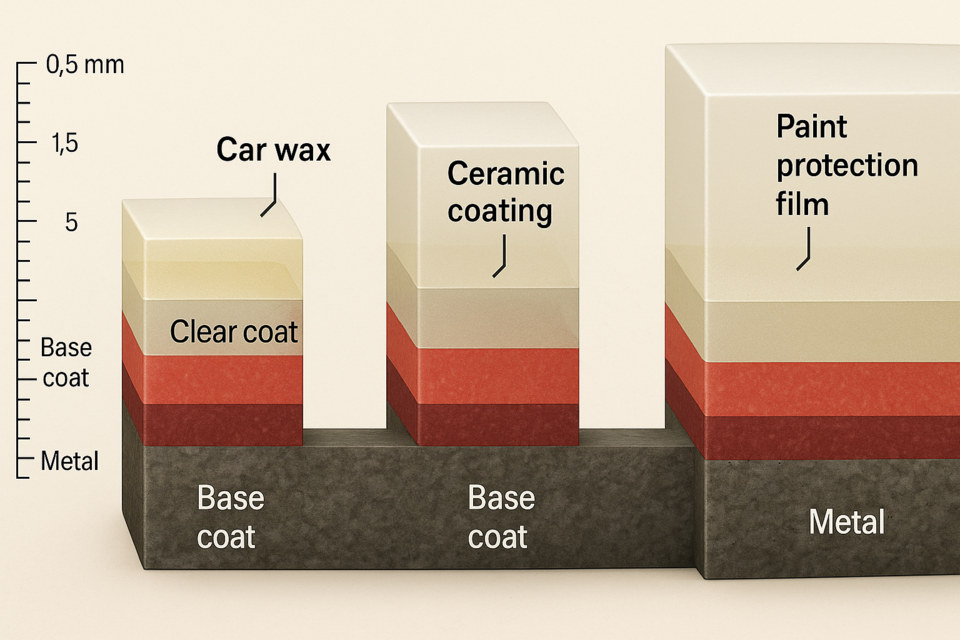
Wax creates a shiny layer on a car’s surface, protecting it from dirt and light scratches. It enhances the paint’s look but lasts only a few weeks. Wax is easy to apply and helps keep the car clean between washes.
When it comes to protecting your car’s paint and enhancing its shine, you might find yourself torn between wax, sealant, and ceramic coating. Each offers unique benefits and serves different purposes. Understanding the differences in protection, longevity, and cost can guide you in choosing the best option for your vehicle’s needs.Differences In Protection
Wax provides a beautiful shine and a moderate level of protection against UV rays and minor scratches. It’s like a warm blanket for your car, offering a temporary shield. Sealants, being synthetic, create a tougher barrier against environmental elements. They bond more effectively with the car’s surface, offering a stronger defense against pollutants and harsh weather. Ceramic coatings, however, are the heavyweights in this trio. They form a semi-permanent layer that’s resistant to chemicals, UV rays, and scratches, offering the most comprehensive protection. Have you ever wondered how some cars look immaculate even after years on the road? It’s likely they’ve been treated with a ceramic coating.Longevity Comparison
In terms of longevity, wax requires frequent reapplications, typically every few months. This might be perfect if you enjoy the ritual of regularly pampering your car. Sealants last longer, often up to six months, giving you more time between applications. This can be a great middle-ground if you’re looking for durability without a long-term commitment. Ceramic coatings can last several years, making them an investment in your car’s future. Imagine not having to worry about your car’s paint for years; doesn’t that sound liberating?Cost And Maintenance
Wax is the most budget-friendly option. It’s readily available and can be applied easily at home, making it a favorite for many car enthusiasts. Sealants are slightly more expensive but offer better protection and longer intervals between applications. They’re great for those who want more for their money without breaking the bank. Ceramic coatings are the priciest, often requiring professional application. However, the long-lasting protection and minimal maintenance justify the cost for many. Would you prefer to invest more upfront for less hassle down the line? Choosing between wax, sealant, and ceramic coating depends on your needs, budget, and how much effort you want to put into maintaining your car’s appearance. Each offers unique benefits, ensuring there’s an ideal option for everyone.
Credit: carfromjapan.com
Maintaining Waxed Finish
Keeping your car’s waxed finish looking fresh takes a bit of care, but it’s worth every effort. A well-maintained wax not only shines but also protects your paint from dirt, water spots, and UV damage. Let’s look at some practical ways you can keep that glossy layer in top shape.
Regular Washing Tips
Washing your car regularly prevents dirt and grime from building up and dulling the wax. Use a mild car shampoo designed to be gentle on wax layers instead of household detergents. Rinse thoroughly with clean water to avoid leaving soap residue that can eat away at the wax.
Try washing your car in the shade or during cooler parts of the day. This helps prevent water spots and streaks on the waxed surface. After washing, dry your car with a soft microfiber towel to keep the finish smooth and shiny.
Avoiding Harsh Chemicals
Harsh chemicals found in some cleaning products can strip away your wax finish faster than you think. Steer clear of abrasive polishes, strong degreasers, and acidic cleaners that might damage the protective layer. Instead, opt for wax-safe cleaners or quick detail sprays made for maintaining wax.
Have you ever noticed your car’s paint looking dull after a wash? It might be due to these aggressive chemicals. Protecting your wax means choosing products that respect its delicate barrier.
Touch-up Waxing
Wax doesn’t last forever. Depending on your driving habits and weather exposure, you might need to reapply wax every few weeks or months. Touching up your wax in small sections keeps the finish even and prevents patchy spots from forming.
Use a soft applicator and apply thin, even coats. Buff gently with a clean cloth to bring out a mirror-like shine. Keeping some wax on hand for quick touch-ups after washes can make a big difference in maintaining that fresh, protected look.
Frequently Asked Questions
What Does Car Wax Protect Against?
Car wax creates a protective layer on the paint. It guards against UV rays, dirt, water, and minor scratches. This protection helps maintain the car’s shine and prolongs the paint’s life. Regular waxing keeps the vehicle looking newer for longer.
How Often Should You Wax Your Car?
It’s best to wax your car every three months. This frequency ensures continuous protection and maintains the glossy finish. However, if you live in harsh climates, waxing every six weeks can provide extra defense. Always follow the wax product’s instructions.
Does Wax Improve Car Paint Shine?
Yes, wax enhances the car’s paint shine by filling in tiny imperfections. It smooths the surface and reflects light better. This results in a deeper, richer gloss that makes your car look freshly detailed and well-maintained.
Can Wax Remove Minor Scratches On Cars?
Wax doesn’t remove scratches but can mask minor ones. It fills in small surface scratches, making them less visible. For deeper scratches, professional repair is needed. Waxing helps maintain a smooth and polished appearance overall.
Conclusion
Wax protects your car’s paint from dirt and sun damage. It adds shine that makes your car look clean and new. Wax also helps water slide off, keeping the surface dry. Regular waxing can stop rust and scratches from forming.
It is a simple step to keep your car in good shape. Taking time to wax your car saves money on repairs later. A shiny car often turns heads and feels nice to drive. Waxing is a small effort with big benefits for your vehicle.