

Have you ever wondered what car polishing actually does to your vehicle? If you want your car to look shiny and new, polishing is a key step you shouldn’t overlook.
It’s more than just making your car sparkle—it protects your paint, removes scratches, and brings out that deep, rich color you love. You’ll discover exactly how car polishing works and why it’s essential for keeping your car looking its best.
Ready to unlock the secret to a flawless finish? Keep reading!
Purpose Of Car Polishing
Car polishing plays a key role in maintaining a vehicle’s look and condition. It goes beyond just making a car shiny. Polishing smooths the paint surface, removes minor flaws, and boosts the overall appearance. The process helps cars look newer and well cared for. Understanding its purpose reveals why it’s a valuable step in car care routines.
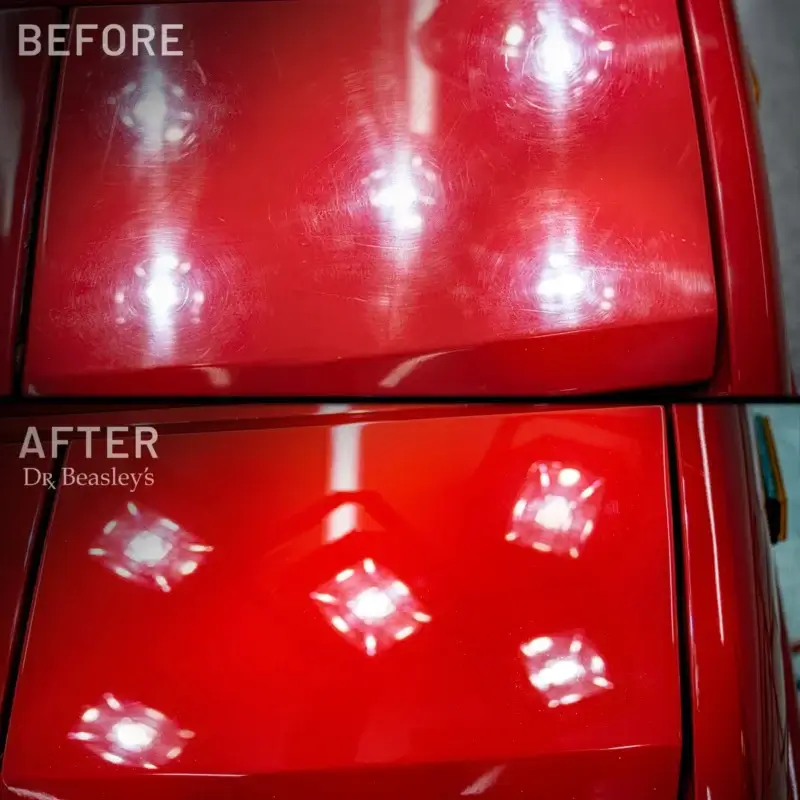
Removing Surface Imperfections
Car polishing targets tiny scratches and swirl marks on the paint. These imperfections often come from washing or everyday use. Polishing gently sands the surface to even out flaws. This restores a smooth and clean finish. The result is a clearer and more uniform paint job.
Enhancing Paint Clarity
Polishing improves the paint’s depth and shine. It removes dull layers caused by oxidation and dirt buildup. This makes colors look richer and more vibrant. A polished car reflects light better, giving it a glossy, fresh appearance. Paint clarity is an important sign of good car maintenance.
Preparing For Wax Or Sealant
Before applying wax or sealant, polishing creates the best base. A clean and smooth surface allows these protective layers to bond well. This enhances their durability and effectiveness. Polishing removes old residues and contaminants. It ensures wax or sealant spreads evenly and lasts longer.
Credit: www.drbeasleys.com
Types Of Car Polishing
Car polishing comes in several types, each suited to different needs and skill levels. Understanding these types helps you pick the right approach for your vehicle’s condition and your available tools. Whether you want a quick shine or a deep restoration, knowing the options makes a big difference.
Machine Polishing
Machine polishing uses a powered buffer to apply polish evenly and quickly. It removes scratches, swirl marks, and oxidation more effectively than hand polishing. If you want professional-level results and have some experience, a dual-action polisher can save you hours of work.
However, machine polishing requires care to avoid damaging your paint. Have you ever seen someone accidentally burn through their car’s clear coat? That’s why understanding speed settings and pressure is crucial before you start.
Hand Polishing
Hand polishing is simple and requires no special tools—just polish and a microfiber cloth or foam applicator. It’s perfect for light scratches or maintaining a shine after a machine polish. Plus, you have full control over pressure and movement, reducing the risk of damage.
It can be tiring and time-consuming, especially on larger surfaces. But if you want a low-cost, low-risk way to improve your car’s look, hand polishing is a reliable choice. Have you ever noticed how much more careful you are when you polish by hand?
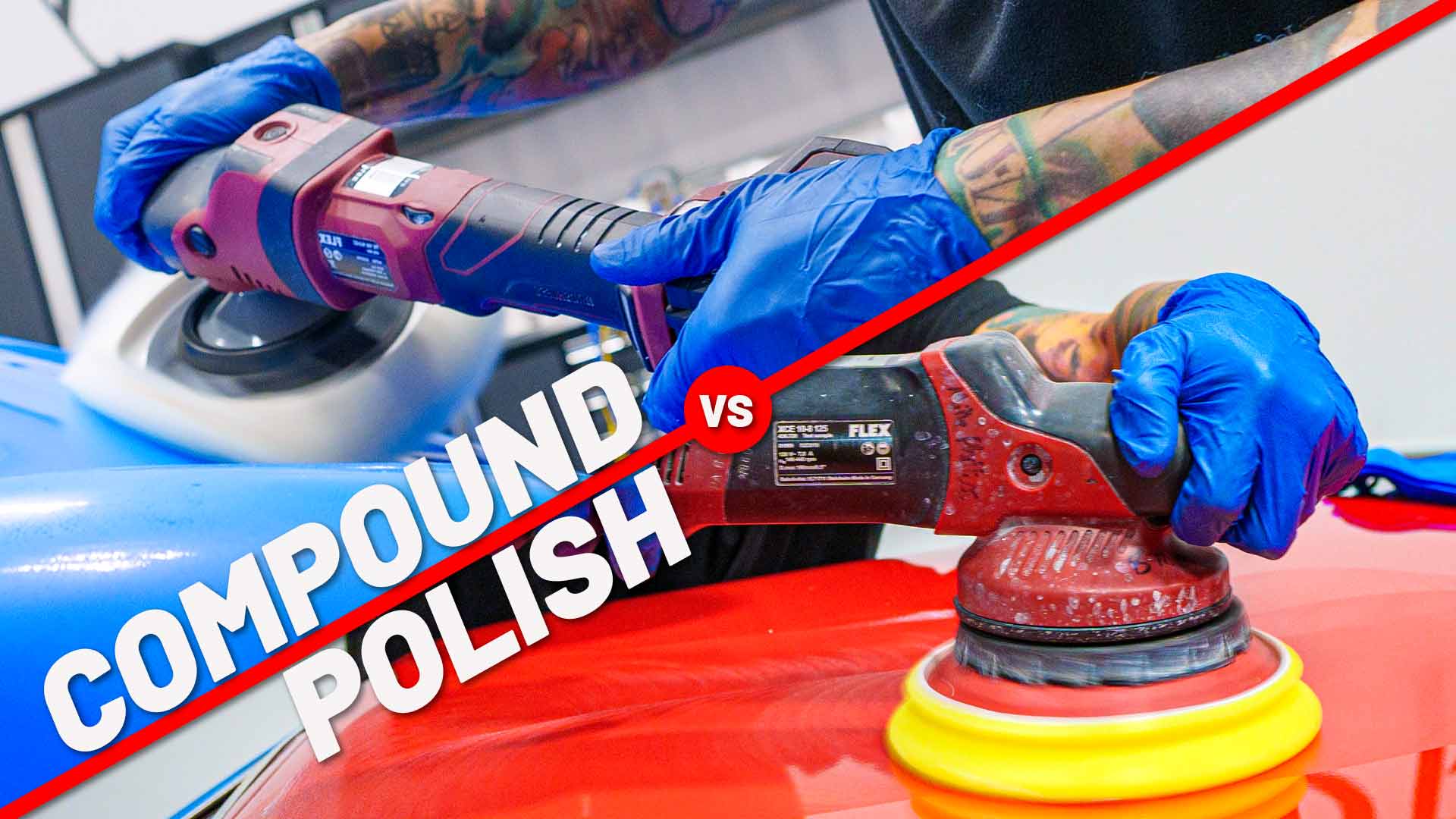
Compound Vs. Polish
Compounds are abrasive and designed to remove deeper scratches and imperfections. Polishes are milder and focus on enhancing shine and removing minor blemishes. Choosing between them depends on your car’s paint condition and what you want to achieve.
Using compound on a lightly scratched car can cause unnecessary wear, while polish won’t fix deep scratches. Many detailers start with compound for heavy damage, then finish with polish for a smooth, glossy finish. What’s the current state of your car’s paint—does it need correction or just a glow-up?
Step-by-step Polishing Process
Polishing your car can bring back its original shine and protect the paint from damage. But do you know what actually happens during the polishing process? Understanding the steps can help you get the best results and avoid common mistakes.
Cleaning The Vehicle
Before any polish touches your car, it must be spotless. Dirt and grime can cause scratches if you start polishing right away. Use a gentle car shampoo and plenty of water to wash the entire surface.
Don’t forget to dry the vehicle completely. Even small water spots can interfere with the polish’s effectiveness. Taking time here saves you from ruining the finish later.
Choosing The Right Polish
Not all polishes work the same way on every car. You need to pick one that matches your paint type and the kind of imperfections you want to fix. Some polishes remove light scratches, while others are better for deeper blemishes.
Think about your car’s current condition. Have you noticed swirl marks or dull areas? Selecting the right polish is like choosing the right tool for a job—it makes the process smoother and the results better.
Applying And Buffing
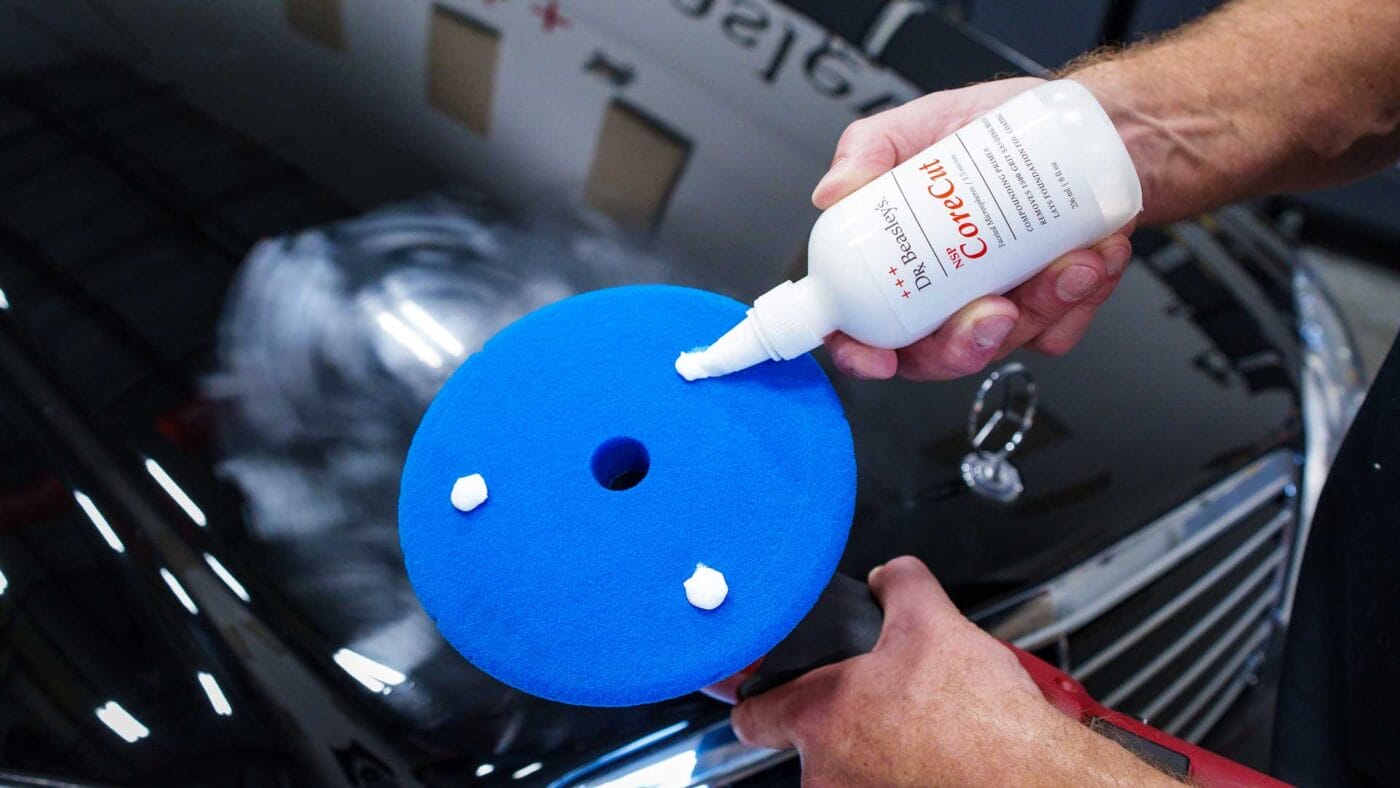
Apply the polish in small sections to ensure even coverage. Use a soft applicator pad and work the polish into the paint with circular motions. This helps break down oxidized paint and smooth out surface imperfections.
After application, buff the area using a microfiber cloth or a polishing machine if you have one. Buffing removes excess polish and reveals a glossy finish underneath. Remember, too much pressure can damage the paint, so keep it gentle but firm.
Final Inspection
After polishing, step back and examine your car under different lighting conditions. Look closely for any missed spots or uneven shine. If you spot any, a quick touch-up can make all the difference.
Ask yourself: does your car look fresher and more vibrant? If yes, you’ve successfully completed the polishing process. If not, consider whether you need a different polish or a second round of buffing.
Credit: www.drbeasleys.com
Benefits Of Polishing
Polishing your car does more than just make it look good. It offers several practical benefits that protect your vehicle and keep it in top condition. If you want your car to stand out and last longer, understanding these benefits can help you decide when and why to polish it.
Restoring Shine And Depth
Polishing removes surface imperfections like scratches and oxidation that dull your car’s paint. This process brings back the original shine, making the color appear richer and deeper. Have you noticed how a freshly polished car catches the light differently? That’s the gloss and depth returning.
Extending Paint Life
By eliminating contaminants and smoothing the surface, polishing helps protect your paint from damage. It creates a clean base for wax or sealant, which adds a protective layer against UV rays and dirt. When you polish regularly, your car’s paint stays healthier and lasts longer, saving you costly repairs down the line.
Increasing Vehicle Value
A well-maintained exterior can boost your car’s resale value significantly. Polishing gives your vehicle a showroom finish that appeals to buyers and shows you’ve cared for it. Would you pay more for a car that looks newer and well-kept? Most buyers would, making polishing a smart investment.
Common Mistakes To Avoid
Skipping proper cleaning before polishing can cause scratches. Using too much polish or the wrong tools may damage the car’s paint. Rushing the process often leads to uneven shine and poor results.
Car polishing is a crucial step in maintaining your vehicle’s appearance, but it’s easy to make mistakes that can lead to less-than-ideal results. Being aware of these common pitfalls can save you time, money, and frustration. Let’s explore some typical errors and how to avoid them for a flawless finish.Over-polishing
Many car owners believe that more is better, leading to over-polishing. This can strip away the clear coat, exposing the paint and causing damage over time. Pay attention to the recommended frequency and be gentle; your car’s surface will thank you.Using Incorrect Products
Choosing the wrong polish can be detrimental. Not all products are suitable for every paint type or condition. Always check the label, and if you’re unsure, seek advice from a trusted source or professional. Using the correct product ensures the best shine and protection.Ignoring Surface Preparation
Skipping the preparation step is a common mistake. Without proper cleaning and claying, polishing can seal in dirt and imperfections. Take the time to wash and prepare your car’s surface. This sets the stage for a smooth and effective polish.Frequency And Maintenance
Understanding how often to polish your car and how to maintain its shine helps keep your vehicle looking fresh. Regular care prevents damage and extends the polish’s effect. Proper maintenance boosts the paint’s protection and keeps dirt from sticking.
How Often To Polish
Most cars benefit from polishing every 6 to 12 months. Newer cars or those with clear coat paint may need less frequent polishing. Older vehicles or those exposed to harsh weather might require more. Avoid over-polishing, as it can wear down the paint layer.
Maintaining The Shine
Washing your car regularly helps keep the polish intact. Use gentle car soap and soft cloths to avoid scratches. Applying wax after polishing adds a protective layer and enhances shine. Park in shaded areas to reduce sun damage and fading.
When To Seek Professional Help
Choose professional polishing if the paint has deep scratches or oxidation. Experts use advanced tools and techniques for better results. Professional care is also best for restoring older or heavily damaged paintwork. Regular check-ups at a detailer can extend your car’s polish life.
Credit: www.drbeasleys.com
Frequently Asked Questions
What Does Car Polishing Improve On A Vehicle?
Car polishing removes surface imperfections and minor scratches. It enhances the paint’s shine and smoothness, restoring the car’s original look. Polishing also prepares the surface for waxing, which protects the paint and extends its lifespan.
How Often Should I Polish My Car?
Polish your car every 6 to 12 months, depending on use and exposure. Frequent polishing can damage the paint, while infrequent polishing may allow contaminants to build up. Regular maintenance keeps your car looking glossy and new.
Can Car Polishing Remove Scratches Completely?
Car polishing can reduce or remove minor scratches and swirl marks. Deep scratches usually require professional repair or repainting. Polishing smooths the surface, making imperfections less visible and improving overall paint clarity.
Is Car Polishing Necessary Before Waxing?
Yes, polishing is essential before waxing. It cleans and smooths the paint surface, ensuring better wax adhesion. This process enhances the wax’s protective qualities and boosts the car’s shine and durability.
Conclusion
Car polishing improves your car’s shine and smoothness. It removes scratches and old paint marks. This process helps protect the car’s surface from dirt and damage. Polishing keeps the paint looking fresh and new. It also makes your car easier to clean.
Regular polishing can increase your car’s value. A shiny car always looks well cared for. Try polishing to keep your vehicle bright and smooth. Simple, effective, and worth the effort.