
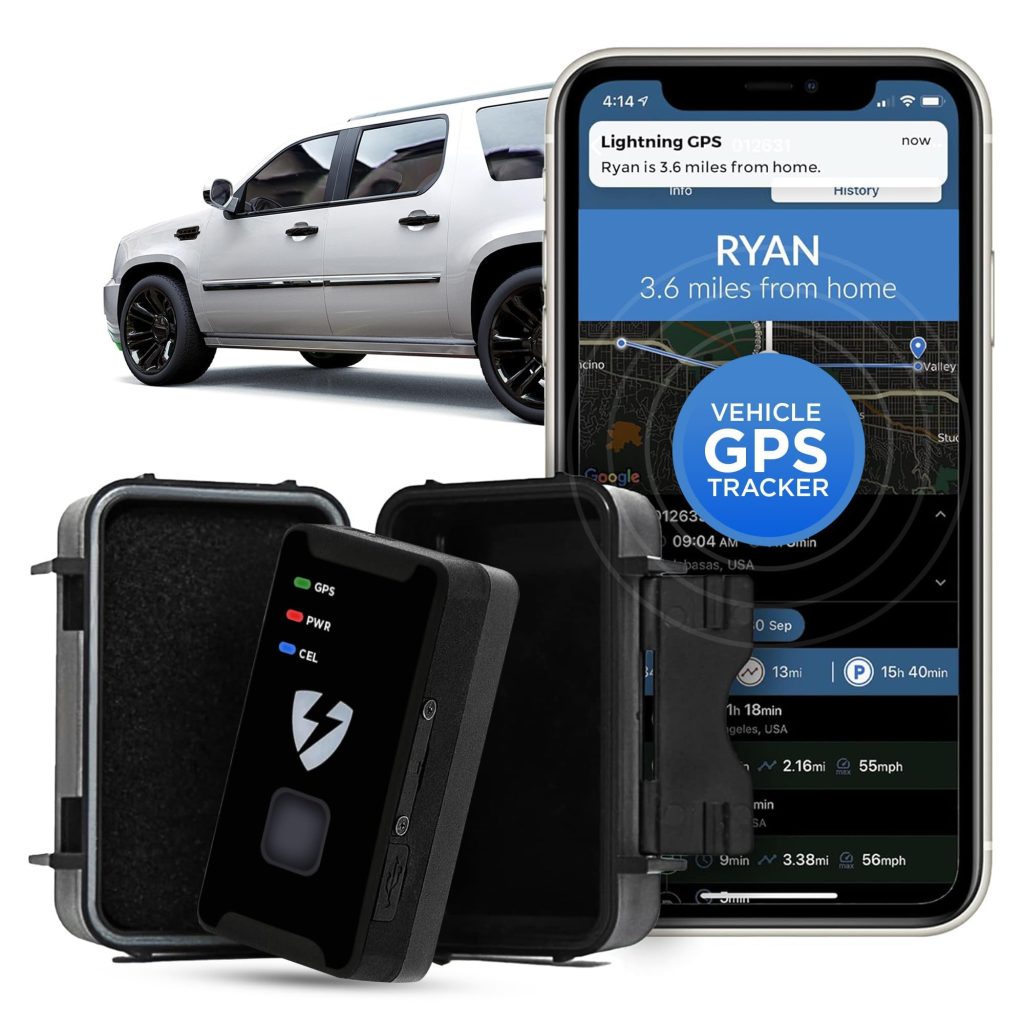
Have you ever wondered what a car tracking device actually looks like? If you want to protect your vehicle or keep an eye on its location, knowing what to look for is key.
These devices are often small and easy to hide, but they pack a powerful punch when it comes to security. You’ll discover the common shapes, sizes, and features of car trackers. By the end, you’ll feel confident spotting one and understanding how it works to keep your car safe.
Keep reading—you won’t want to miss these simple but important details.
Types Of Car Tracking Devices
Car tracking devices come in various shapes and sizes, each designed to meet different needs and installation preferences. Understanding the types available can help you choose the right device for your vehicle and tracking goals. Let’s take a closer look at the main types of car tracking devices and what makes each unique.
Gps Trackers
GPS trackers use satellite signals to pinpoint your car’s exact location in real time. They are often small, compact devices that can be hidden easily inside the vehicle. Many models offer features like speed alerts and route history, making them ideal for monitoring driving habits or recovering stolen vehicles.
Have you ever wondered how precise these trackers can get? Some can update your car’s position every few seconds, giving you near-instant access to its whereabouts.
Obd-ii Trackers
OBD-II trackers plug directly into your car’s OBD-II port, usually located under the dashboard. These devices draw power from the vehicle and can access data like engine diagnostics and fuel efficiency, in addition to location tracking.
This type is perfect if you want a plug-and-play solution without worrying about battery life. Plus, they often provide insights that help you keep your car in better shape.
Hardwired Trackers
Hardwired trackers are installed by connecting directly to your car’s electrical system. This setup is more permanent and usually done by professionals to ensure the device remains hidden and powered at all times.
Since they are wired into your vehicle, these trackers rarely lose power and can support advanced features like ignition alerts. If you want a discreet, reliable tracking system, hardwired devices are worth considering.
Portable Trackers
Portable trackers are battery-powered devices that you can move from one vehicle to another. Their size varies, but many are compact enough to stash in glove compartments or under seats.
These devices offer flexibility if you don’t want a permanent installation or need to track multiple cars. However, you’ll need to remember to recharge the battery regularly, which can be a downside if you forget.
Physical Features Of Trackers
Understanding the physical features of car tracking devices can help you spot one quickly or decide which model suits your needs best. These devices vary widely in appearance, but they all share some common traits designed for durability and ease of use. Knowing what to look for makes it easier to install, maintain, or even detect a tracker if you suspect one on your vehicle.
Size And Shape Variations
Car trackers come in different sizes and shapes, from tiny squares no bigger than a coin to larger rectangular boxes. The smaller models are often magnetic and designed to be discreet, easily hiding under your car or inside the dashboard. Larger units might offer more features like extended battery life or additional sensors but can be bulkier and more visible.
Have you ever wondered why some trackers are so small yet so powerful? The compact designs make it easier to install in tight spaces without attracting attention. If you prefer a tracker that blends in, size is a crucial factor to consider.
Materials And Build Quality
Most car trackers are made from sturdy plastic or metal casings to withstand harsh conditions. Since these devices often face vibrations, heat, and moisture, manufacturers build them to be shockproof and waterproof. A high-quality tracker will feel solid and durable, not flimsy or fragile.
Think about where you’ll place your tracker. Will it be exposed to rain or extreme temperatures? Choosing a device with robust materials ensures it keeps working no matter what your vehicle goes through.
Led Indicators And Buttons
Many car trackers have small LED lights that show their status—such as power, GPS signal, or connectivity. These indicators help you quickly verify if the device is working properly without needing a complex setup. Some models also include simple buttons to reset the tracker or switch modes.
However, not all devices make these features obvious to avoid drawing attention. Would you prefer a tracker with visible LEDs for easy monitoring, or a stealthy one that blends in completely? Your choice depends on how you plan to use and maintain the device.
Installation Methods
Understanding the installation methods for car tracking devices can help you choose the best option for your needs. Whether you prefer a straightforward approach or a more discreet setup, there are different ways to ensure your device is securely and effectively installed. Let’s explore some popular installation methods and what might work best for your vehicle.
Plug-and-play Options
Plug-and-play car tracking devices offer simplicity and convenience. These devices typically connect directly to your car’s OBD-II port, which is usually located under the dashboard. The installation process is as simple as plugging in a USB device. Once connected, these trackers are immediately functional without the need for additional wiring or tools.
This option is ideal if you’re not comfortable with complex installations. You can easily remove or transfer the device to another vehicle if needed. However, while easy to install, these trackers are often visible, which might not be suitable if you want a discreet setup.
Professional Installation
If you’re looking for a more integrated solution, professional installation might be the way to go. This method usually involves hardwiring the tracking device into your vehicle’s electrical system. Professional installers ensure that the device is securely connected and operational, minimizing any potential interference with your car’s functionality.
Opting for professional installation can give you peace of mind. You benefit from expert knowledge and skill, ensuring the device works optimally. While this option might be more costly, the reliability and neat finish can be worth the investment, especially for business vehicles.
Hidden Placement Tips
If discretion is your priority, consider hidden placement options for your tracker. Some devices are designed to be small and inconspicuous, allowing them to be tucked away in less obvious locations within your car. Under seats, inside glove compartments, or within the car’s dashboard are popular choices for hidden installation.
Strategically placing your tracker can prevent tampering or removal by unauthorized individuals. Think about your car’s layout and potential hiding spots that offer both security and effective signal transmission. However, ensure that the location doesn’t obstruct the device’s functionality or accessibility for maintenance.
Which installation method resonates with you? Choosing the right approach can impact both the security and performance of your car tracking device. Consider your priorities and comfort level with technology to make an informed decision.
How Trackers Connect
Car tracking devices stay connected using different technologies. Each type helps the device send location data to your phone or computer. Understanding these connections clarifies how trackers work in real time.
Cellular Networks
Many trackers use cellular networks to send location updates. They have a SIM card like a phone. The device connects to nearby cell towers. This allows constant communication with tracking apps. Cellular coverage is wide but depends on signal strength.
Bluetooth And Wi-fi
Some trackers use Bluetooth or Wi-Fi for short-range connections. Bluetooth works well inside buildings or near a phone. Wi-Fi helps when the tracker is near known networks. These connections save battery but need close proximity to the receiver.
Satellite Signals
Satellite tracking uses signals from orbiting satellites. This works anywhere on Earth, even in remote areas. It does not rely on cell towers or Wi-Fi. Satellite trackers are ideal for long trips or off-road use. They provide accurate and reliable location data.
Common Myths About Appearance
Many people have wrong ideas about what car tracking devices look like. These myths can cause confusion and stop some from using this helpful technology. Clearing up these myths helps you understand how simple and discreet these devices truly are.
Trackers Are Bulky
Some believe car trackers are large and heavy. In truth, most devices are small and light. They fit easily in tight spaces inside the vehicle. This makes them very easy to hide.
Easy To Spot
Many think trackers are obvious and easy to find. Actually, manufacturers design trackers to be discreet. They blend in with the car’s interior. Few people notice them even during a close look.
Require Constant Maintenance
People assume trackers need a lot of upkeep. Most modern trackers work for months without care. Some even have long-lasting batteries or connect to the car’s power. This means less hassle for the owner.

Credit: www.amazon.com
Choosing The Right Tracker Design
Choosing the right tracker design matters a lot for effective car tracking. The design affects where you place the device and how well it works. Different designs suit different needs. Some trackers blend well with a car’s interior, while others are tough and weatherproof. Picking the correct design ensures the tracker stays hidden and functions properly for a long time.
Discreetness And Size
Small trackers hide easily in tight spaces. Discreet devices reduce the chance of theft or tampering. Look for compact designs that fit under seats, inside dashboards, or behind panels. A slim, lightweight tracker is less noticeable. Avoid large, bulky devices that stand out or affect your car’s look.
Power Source Options
Trackers use different power sources. Some plug into the car’s OBD port for constant power. Others have built-in batteries that last weeks or months. Battery-powered trackers offer more placement freedom but need recharging. Choose a power option that fits your usage and maintenance ability. Reliable power ensures the device works without interruption.
Durability For Different Environments
Car trackers face heat, cold, rain, and dust. Tough, weather-resistant designs protect internal parts. Waterproof and shockproof trackers handle rough conditions well. Durable models suit outdoor use or harsh climates. Check the tracker’s material and protection ratings before buying. Strong devices last longer and keep tracking accurately.
Future Trends In Tracker Design
The design of car tracking devices is evolving rapidly, driven by advances in technology and shifting user needs. As these devices become more sophisticated, they’re also becoming easier to use and less intrusive. Looking ahead, the future trends in tracker design focus on making these tools smaller, smarter, and more connected to your vehicle’s systems.
Miniaturization
Car trackers are shrinking in size, becoming nearly invisible once installed. This trend means you won’t have to worry about bulky gadgets hanging around your car. Smaller devices are easier to hide, which improves security and reduces the chance of tampering.
Imagine a tracker the size of a USB stick that can fit into tight spaces under your dashboard or inside a headlight. This miniaturization doesn’t just save space—it also means less power consumption, extending battery life and reducing maintenance.
Integration With Vehicle Systems
Future trackers will connect directly with your car’s internal systems. This integration allows for real-time data sharing beyond just location, including engine health, fuel levels, and driver behavior. You’ll get a fuller picture of your vehicle’s status at any moment.
Think about how this could help you catch issues before they become costly repairs, or how fleet managers can monitor multiple vehicles more efficiently. The ability to tap into the vehicle’s existing network makes tracking smarter and more useful.
Enhanced User Interfaces
Expect user interfaces to become more intuitive and interactive. Instead of complicated apps, interfaces will offer clear, actionable insights with simple controls. You’ll be able to customize alerts, view detailed maps, and even get voice notifications while driving.
This improvement means less time fiddling with settings and more time understanding what your tracker is telling you. How much easier would it be to respond to alerts if the interface was designed around your daily habits?

Credit: www.amazon.com
Credit: www.walmart.com
Frequently Asked Questions
What Does A Car Tracking Device Physically Look Like?
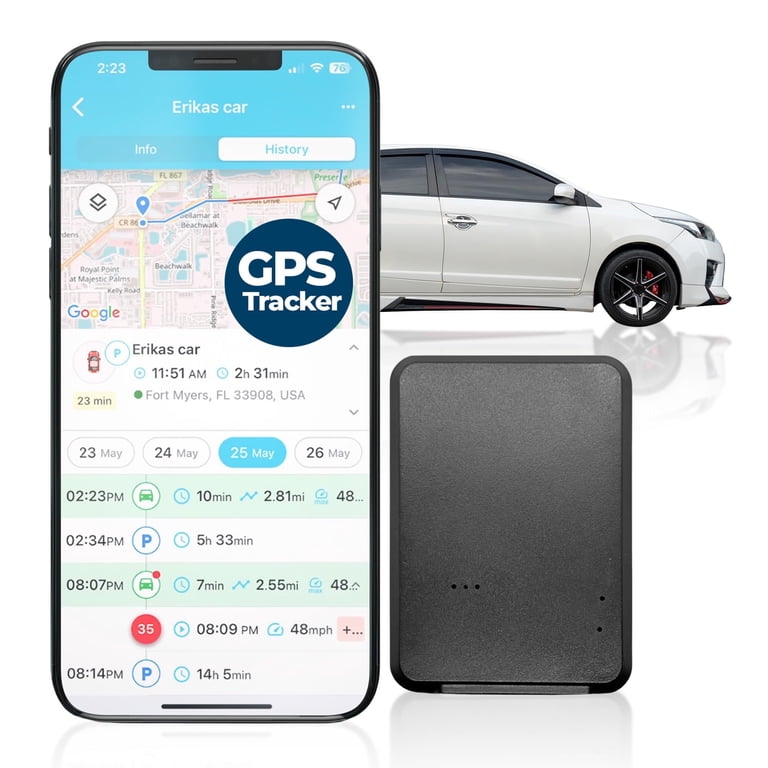
A car tracking device is usually small, compact, and rectangular or square-shaped. It often resembles a GPS unit or a black box. These devices are designed to be discreet and easy to install inside vehicles without drawing attention.
Where Is A Car Tracking Device Typically Installed?
Car tracking devices are commonly installed under the dashboard, inside door panels, or beneath the vehicle’s seats. These locations keep the device hidden while ensuring it remains connected to the car’s power source and GPS signals for accurate tracking.
How Do Car Tracking Devices Connect To Vehicles?
Most car tracking devices connect to the vehicle’s OBD-II port or battery for power. Some models are wireless and use internal batteries. They communicate location data via cellular networks or satellite signals to provide real-time tracking updates.
Can A Car Tracking Device Be Easily Spotted?
Car tracking devices are designed to be discreet and hard to spot. Their small size and hidden installation points make detection difficult. However, thorough vehicle inspections can reveal these devices if someone looks carefully.
Conclusion
Car tracking devices come in many shapes and sizes. Most are small, compact, and easy to hide. They often look like simple boxes or GPS units. Some attach inside the car, while others fit under the chassis. These devices use GPS to track location in real time.
They help with safety, theft prevention, and vehicle management. Understanding their appearance helps you choose the right one. Now, you can spot or install a car tracker with confidence. Simple, useful tools for peace of mind.