

Have you ever wondered what anti-theft device is protecting your car right now? You might be surprised to learn how many different types of security features your vehicle could have.
Knowing exactly what’s keeping your car safe can give you peace of mind and help you take better care of it. You’ll discover how to identify the anti-theft device installed on your car and why understanding it matters more than you think.
Keep reading—you’ll gain insights that could save you from headaches and even theft down the road.
Credit: gearjunkie.com
Common Car Anti-theft Devices
Recognizing the type of anti-theft device installed on your car can help you better protect your vehicle and understand its security level. Cars today come equipped with various anti-theft solutions, from standard factory-installed options to high-tech aftermarket systems. Knowing what your vehicle has allows you to make informed decisions about additional protection or upgrades.
Factory-installed Systems
Most modern cars come with built-in anti-theft features installed by the manufacturer. These usually include alarm systems that activate when unauthorized entry is detected. Some models also have engine immobilizers that prevent the car from starting without the correct key.
Have you ever noticed a blinking light on your dashboard when your car is parked? That’s often a sign of an active factory-installed alarm or immobilizer. These systems are designed to stop thieves before they even try to break in.
Aftermarket Alarm Systems
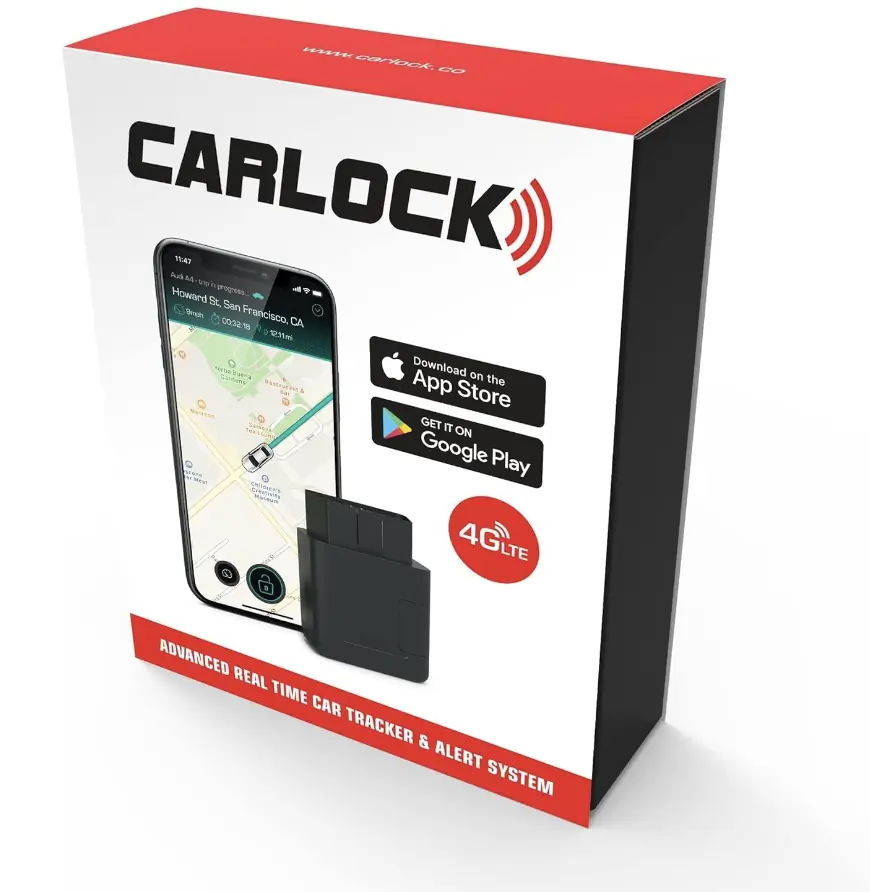
If your car didn’t come with strong security features, you might consider installing an aftermarket alarm system. These can offer more advanced options like remote notifications, GPS tracking, and louder alarms. Installation is usually straightforward and can add an extra layer of defense.
Think about how often you leave your car in busy or unfamiliar places. Adding a system that alerts you instantly if someone tampers with your vehicle can give you peace of mind, especially if you frequently park on the street.
Steering Wheel Locks
Steering wheel locks are a simple yet highly visible deterrent. They physically prevent the steering wheel from turning, making it almost impossible for a thief to drive away with your car. These devices are affordable, easy to use, and can be a strong visual warning to potential thieves.
Have you ever seen a bright-colored steering lock on a car? That’s no accident—it’s meant to catch attention and discourage theft. Even if your car has electronic security, a physical lock adds a tangible obstacle.
Immobilizers And Kill Switches
Immobilizers are electronic devices that stop your car’s engine from running unless the correct key or token is present. Kill switches, on the other hand, are hidden manual switches that interrupt the fuel or electrical system to prevent starting the car.
While immobilizers are often built into newer vehicles, kill switches can be installed as an extra precaution. Imagine you park your car, but you don’t just rely on alarms—you also activate a hidden switch only you know about. This layered approach can make your car a much harder target.
Signs Your Car Has An Anti-theft Device
Wondering if your car has an anti-theft device? There are clear signs that can help you identify if your vehicle is equipped with one. Paying attention to these signs can give you peace of mind and help you understand your car’s security better.
Indicator Lights On Dashboard
One of the easiest ways to spot an anti-theft device is by checking your dashboard for special indicator lights. Look for a blinking red or green light, often shaped like a car or a key. This light usually activates when you lock your car, signaling that the security system is armed.
If you notice this light flashing when your car is off, it’s a strong hint that an immobilizer or alarm system is active. Have you ever seen your dashboard light blink even when you’re not driving? That’s often your car’s way of warning potential thieves.
Unusual Key Features
Your car key might hold clues about anti-theft devices. If your key has a built-in chip, remote buttons, or a transponder, it’s designed to communicate with your vehicle’s security system. These keys prevent the engine from starting unless the correct key is used.
Have you ever tried to start your car with a spare key and noticed it doesn’t work? This often happens because the spare lacks the necessary electronic components. Check your keys closely—small buttons or an electronic chip embedded in the plastic can mean your car has an advanced theft deterrent.
Hidden Switches Or Buttons
Some anti-theft devices come with hidden switches or buttons that you might not expect. These are often placed under the dashboard, inside the glove box, or beneath the steering column. They act as a secret kill switch to prevent the car from starting unless the switch is activated.
Have you ever found an unfamiliar switch in your car? It might be a discreet security feature. Try to locate any buttons or toggles that don’t seem to control standard functions—these could be part of your vehicle’s theft prevention system.
How To Identify Your Car’s Anti-theft System
Check the dashboard or inside the driver’s door for stickers or labels showing the anti-theft device. Notice any blinking lights on the dashboard when the car is off. Consult the car manual for details about the installed security system.
Identifying your car’s anti-theft system is crucial for security. These systems vary in complexity and visibility, from basic alarms to sophisticated GPS trackers. Knowing what your car has can help you maximize its security features.Check The Owner’s Manual
Your car’s owner’s manual is a treasure trove of information. It often lists the anti-theft devices installed. Manuals usually describe these systems in detail. If you don’t have a physical copy, a digital version might be available online. Look for sections related to security or anti-theft systems.Inspect The Car’s Interior And Exterior
Visible features can help you identify the anti-theft system. Look for blinking lights on the dashboard. These might indicate an alarm system is active. Check for stickers or labels on windows. They might display the type of security system installed. Examine the steering wheel and gear shift for lock devices. Some cars have special locks that are part of the anti-theft system.Use Online Tools And Resources
Online resources can offer insights into your car’s anti-theft features. Enter your car’s make and model into search engines. This might reveal common security features for your vehicle. Forums and automotive websites can provide additional information. Vehicle identification number (VIN) lookup tools can show installed systems. This is particularly useful for used cars.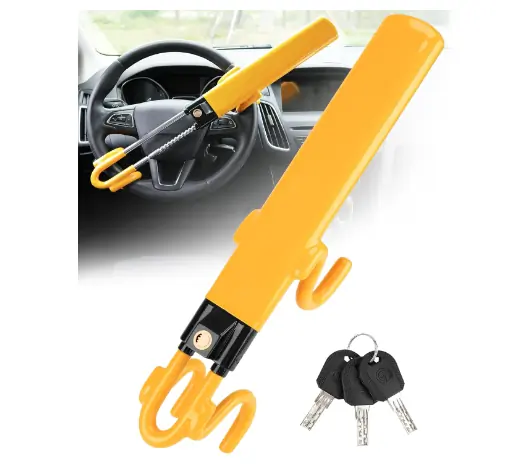
Credit: gearjunkie.com
Benefits Of Knowing Your Anti-theft Device
Knowing the type of anti-theft device installed in your car brings many benefits. It helps you stay alert and aware of your vehicle’s security. You can also maintain the device better and fix issues faster. This knowledge adds value to your car when selling it. Understanding your car’s protection system is key to keeping it safe and in good shape.
Enhanced Security Awareness
Knowing your car’s anti-theft device helps you understand how it works. You can recognize signs of tampering or unusual activity. This awareness makes you more confident in protecting your vehicle. You will know when your device activates and what actions to take. It reduces the chance of theft or damage to your car.
Better Maintenance And Troubleshooting
Understanding your anti-theft device lets you keep it in good condition. You can follow the right maintenance steps to avoid problems. When the device malfunctions, you know how to identify the issue. Quick troubleshooting saves time and money on repairs. It ensures your security system stays reliable and effective.
Improved Resale Value
Cars with known and working anti-theft devices attract more buyers. It shows the vehicle was well cared for and secure. Buyers feel safer investing in a car with clear protection features. This knowledge helps you explain the device’s benefits during sale. It can increase your car’s value and selling price.
Upgrading Your Car’s Anti-theft Protection
Upgrading your car’s anti-theft protection is a smart move if you want to keep your vehicle secure and avoid the hassle of theft or break-ins. Even if your car already has some security features, adding newer or more advanced devices can give you extra peace of mind. The key is to find a system that fits your needs and budget without complicating your daily routine.
Choosing The Right System
Start by assessing the security features your car already has. Does it have an alarm, immobilizer, or GPS tracking? Knowing this helps you decide if you need a full upgrade or just an additional layer of protection.
Look for systems that match your lifestyle. If you park in busy urban areas, a GPS tracker combined with an audible alarm might work best. For suburban settings, a steering wheel lock or a visible deterrent could be enough.
Ask yourself: How easy is it to use daily? Complex systems can be frustrating and often end up disabled. Choose something reliable and user-friendly.
Professional Installation Tips
Some anti-theft devices need expert installation to work properly. A professional can integrate your new system with existing car electronics and avoid damaging your vehicle.
Check reviews or ask for recommendations before choosing an installer. A poorly installed alarm might give false alerts or fail when you need it most.
Remember to test the system thoroughly after installation. Make sure you understand how to operate it and what each warning signal means.
Budget-friendly Options
You don’t have to spend a fortune to boost your car’s security. Simple devices like steering wheel locks, tire locks, or basic alarms can be very effective deterrents.
Consider combining low-cost options for layered protection. For example, pairing a wheel lock with a visible alarm sticker can make thieves think twice.
Look out for sales or second-hand devices in good condition. Sometimes, a well-maintained used system can offer great value without breaking the bank.

Credit: www.reddit.com
Frequently Asked Questions
How Can I Identify The Anti-theft Device On My Car?
Check your car manual and dashboard for security system indicators. Look for alarm sensors, immobilizers, or tracking devices. Visual inspection and model-specific guides help confirm the anti-theft device installed in your car.
What Are Common Types Of Car Anti-theft Devices?
Common types include immobilizers, alarms, steering wheel locks, and GPS trackers. Each type offers different protection levels, from preventing engine start to alerting theft attempts. Knowing these helps identify the device on your car.
Does My Car’s Key Fob Indicate An Anti-theft System?
Yes, many key fobs have buttons for alarm activation or remote locking. These functions signal the presence of an anti-theft system integrated with your vehicle. Check your fob’s features to confirm.
Can I Check Anti-theft Device Status Through My Car’s Dashboard?
Yes, most modern cars display security system status on the dashboard. Look for blinking lights or symbols when you lock or unlock your vehicle. These indicators confirm the anti-theft device is active.
Conclusion
Knowing which anti-theft device your car has helps protect it better. Each device works in a simple way to stop thieves. Check your car’s manual or look for visible parts to identify it. Using your device correctly keeps your car safe every day.
Stay aware and keep your vehicle secure with these tools. Protecting your car is easier than you think. Keep this in mind next time you park your car. Safety matters, and your anti-theft device plays a key role.