
Are you wondering when your child is finally ready to stop using a car seat? It’s a common question that every parent faces as their little one grows up.
Knowing the right age to make this change isn’t just about convenience—it’s about keeping your child safe on the road. You’ll discover clear guidelines and expert tips that help you make the best decision for your child’s safety. Keep reading to learn exactly when and how to transition away from a car seat without risking your child’s well-being.
Credit: www.britax.ca
Car Seat Basics
Car seats are a crucial part of keeping your child safe on the road. Understanding the basics can help ensure that your child is protected at every stage of their early life. From infancy to when they no longer need a booster, knowing what type of car seat to use and why it matters can make a big difference.
Types Of Car Seats
Choosing the right car seat depends on your child’s age, weight, and height. Here’s a quick guide to help you:
- Infant Car Seats:Designed for newborns and small babies, these rear-facing seats provide crucial neck and spine support.
- Convertible Car Seats:These can switch from rear-facing to forward-facing as your child grows, offering extended usability.
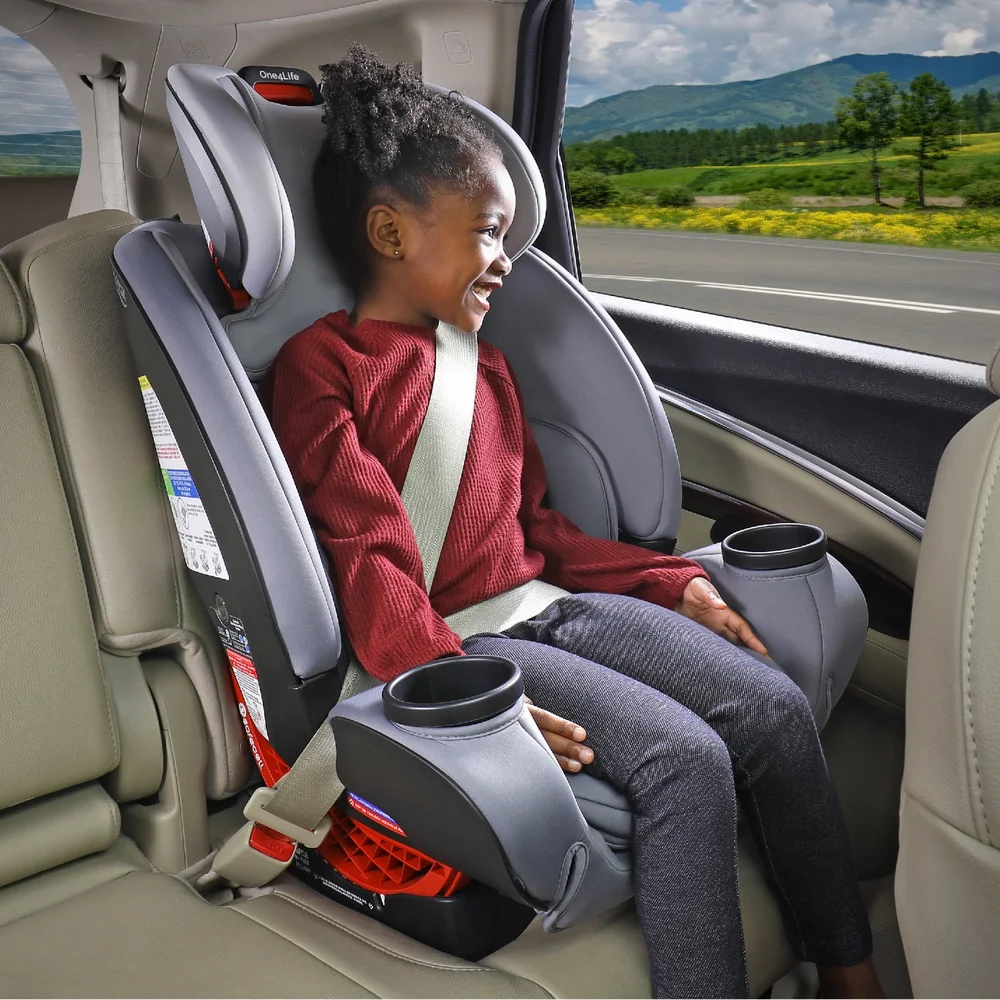
- Booster Seats:Used when your child outgrows a forward-facing seat, they help position the seat belt properly on your child’s body.
Have you ever felt overwhelmed by the choices at the store? You’re not alone. Many parents find it helpful to consult car seat safety ratings and guidelines before making a decision.
Why Car Seats Matter
Car seats are not just about following the law; they are about protecting your child in the event of an accident. Properly installed car seats can reduce the risk of fatal injury by up to 71% for infants. For toddlers, they lower the risk by 54%.
Think about it: would you compromise on something that can so significantly impact your child’s safety? It’s a small investment for peace of mind and a crucial step in responsible parenting.
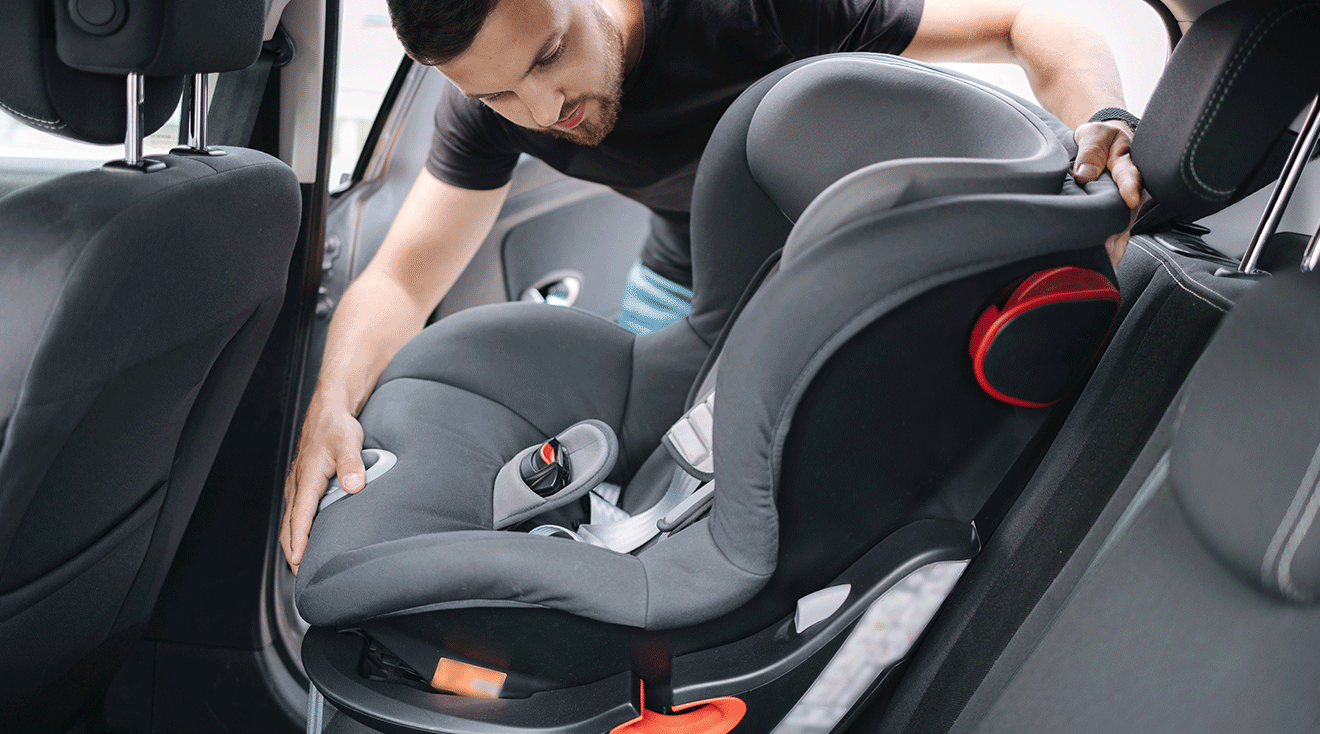
Imagine being in a minor accident without a car seat. The consequences are not something any parent wants to consider. By ensuring your car seat is suitable and correctly installed, you’re taking proactive steps to protect your loved ones.
Credit: www.thebump.com
Age And Weight Limits
Understanding the age and weight limits for car seats is key to keeping children safe in vehicles. Different types of seats fit different stages of growth. Each seat type has clear guidelines for when to switch to the next one. Following these rules helps protect your child during every trip.
Rear-facing Seats
Rear-facing seats are for infants and toddlers. They provide the best protection for a young child’s head, neck, and spine. Children should remain in rear-facing seats until they reach the seat’s maximum weight or height limit.
- Typical age range: birth to 2-3 years old
- Weight limit: usually up to 40 pounds
- Height limit varies by model, often around 40 inches
Keep children rear-facing as long as possible within these limits.
Forward-facing Seats
Once children outgrow rear-facing seats, they move to forward-facing seats. These seats come with a harness system to secure the child safely. The harness should fit snugly and meet weight and height requirements.
- Typical age range: 2 to 5 years old
- Weight limit: usually 40 to 65 pounds
- Height limit varies, often up to 49 inches
Use the forward-facing seat until the child reaches the top weight or height allowed.
Booster Seats
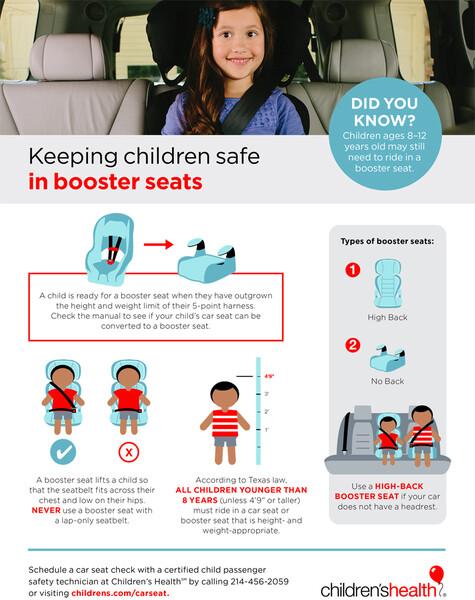
Booster seats help position the seat belt correctly on the child. They are for kids who have outgrown forward-facing seats but are not yet tall enough for seat belts alone. Proper fit is important to avoid injury.
- Typical age range: 5 to 12 years old
- Weight limit: usually 40 to 100 pounds
- Height requirement: generally between 4 feet 9 inches and 57 inches
Children must use booster seats until seat belts fit properly without help.
State Laws And Regulations
Understanding state laws and regulations about car seat use is crucial for every parent and caregiver. These rules are designed to keep your child safe but can differ widely depending on where you live. Knowing the specifics helps you make informed decisions and avoid legal trouble.
Varying Age Requirements
Each state sets its own minimum and maximum ages for car seat use. Some states require children to remain in a car seat until they turn 8 years old, while others allow booster seats until age 12.
These age limits can surprise parents who assume a one-size-fits-all rule applies nationwide. You might think your child is ready to move out of a car seat based on age alone, but your state’s law could say otherwise.
Have you checked your local laws recently? Rules can change, and staying updated ensures your child’s safety and your compliance.
Legal Weight And Height Limits
Besides age, many states specify weight and height limits for car seat use. These limits often dictate when a child can transition from a rear-facing seat to forward-facing, or from a booster to a seatbelt alone.
For example, a child might need to weigh at least 40 pounds before moving to a booster seat, or be at least 4 feet 9 inches tall to use a regular seatbelt safely. These requirements are based on safety data, not convenience.
Have you measured your child’s height and weight recently? It’s an easy but important step that can prevent dangerous mistakes.

Credit: www.childrens.com
Signs To Transition Out Of Car Seats
Knowing when to transition your child out of a car seat isn’t just about age—it’s about observing clear signs that show your child is ready for the next step. These signs help ensure your child’s safety without rushing or delaying the change. Watching for both physical and behavioral cues gives you confidence in making this important decision.
Physical Growth Indicators
One key sign is your child’s size. Most car seats have height and weight limits clearly stated by the manufacturer. If your child has grown taller than the top of the car seat or weighs more than the recommended limit, it’s time to consider a change.
Look at how your child fits in the seat. If their head is too close to the top or their shoulders extend beyond the harness slots, the seat no longer offers proper protection. Measuring your child’s height against the car seat’s specifications can save you from guessing.
Behavioral Readiness
Physical growth is important, but your child’s behavior also matters. Are they able to sit still and keep the seat belt properly positioned? If your child frequently unbuckles or shifts around, it may be a sign they need a different type of restraint.
Consider how well your child understands the importance of staying buckled. If they listen to you and follow safety rules consistently, transitioning might be smoother. You can even involve them in choosing a booster seat to encourage responsibility.
Have you noticed your child’s comfort level during car rides? If they seem cramped or uncomfortable, it could be more than just a preference—it’s a cue to check their car seat fit and think about the next stage.
Booster Seat Guidelines
Booster seat guidelines are essential to keep your child safe during car rides. Knowing exactly when to switch from a harnessed car seat to a booster can be tricky. The goal is to ensure your child is secure without compromising comfort or safety as they grow.
When To Start Using Boosters
You should consider moving your child to a booster seat once they outgrow the height or weight limits of their forward-facing car seat with a harness. Usually, this happens between 4 and 7 years old, but every child is different.
Look for signs like your child’s shoulders reaching the top harness slots or their weight exceeding the car seat’s limit. If you’re unsure, check the specific guidelines from the car seat manufacturer. Remember, moving to a booster too early can increase injury risk in a crash.
Proper Booster Seat Fit
The booster seat works best when the vehicle’s seat belt fits your child correctly. The lap belt should lie flat across the upper thighs, not the stomach. The shoulder belt must cross the chest and rest snugly on the shoulder, away from the neck.
To test this, have your child sit all the way back against the car seat. If the seat belt doesn’t fit properly, your child may need to stay in a booster longer or continue with a harnessed car seat. Have you noticed how often belt misplacement happens? It’s more common than you might think.
Seat Belt Safety Tips
Ensuring your child’s safety as they transition out of car seats is crucial. Seat belt safety is a key part of this process. Proper use of seat belts can protect your child in ways that go beyond simply buckling up.
Correct Seat Belt Positioning
The seat belt should lie flat across your child’s chest and shoulder, never across the neck or face. The lap belt must rest snugly on the upper thighs, not the stomach. This positioning helps distribute the force of a crash over the stronger parts of the body.
Have you ever noticed kids slouching or twisting away from the belt? This reduces its effectiveness significantly. Encourage your child to sit upright and keep the belt in the right place every time they ride.
Common Mistakes To Avoid
- Allowing the shoulder belt to go under the arm or behind the back. This puts vital areas at risk during an accident.
- Using seat belt adjusters or clips that change the belt’s position. These can cause injury rather than prevent it.
- Letting kids wear bulky coats while buckled. Thick clothing can create slack, reducing the belt’s ability to restrain properly.
I once saw a parent let their child ride with the belt twisted and loose. It made me think, how often do we overlook these simple but vital details? Paying close attention to these points can save lives.
Special Considerations
Special considerations help parents keep children safe in cars. Car seat rules depend on many factors. Age is important, but so are size, weight, and number of kids traveling. Parents must understand these details to make smart choices. Safety must always come first.
Traveling With Multiple Children
Traveling with more than one child needs careful planning. Different ages mean different car seat types. Toddlers need rear-facing seats, older kids use booster seats. Space in the car may be tight. Parents should check if all car seats fit well.
Keep these tips in mind:
- Measure car interior before buying seats.
- Choose slim car seats for small cars.
- Install seats properly for safety.
- Secure all children according to their size.
Dealing With Car Seat Recalls
Car seat recalls can affect many families. Recalls happen when a product has safety issues. Parents must stay informed about recalls for their seats. Check the manufacturer’s website regularly. Register your car seat to get recall alerts.
Follow these steps if your seat is recalled:
- Stop using the seat immediately.
- Contact the manufacturer for instructions.
- Replace or repair the seat as directed.
- Never use a recalled car seat without fixes.
Frequently Asked Questions
At What Age Can Kids Stop Using Car Seats?
Kids generally stop using car seats between ages 8 and 12. The transition depends on their height, weight, and local laws. Always follow specific state regulations and ensure children use booster seats until seat belts fit properly.
When Should Kids Switch From Rear-facing To Forward-facing Seats?
Children should switch to forward-facing seats after reaching the rear-facing seat’s height or weight limit. This usually occurs around age 2 to 4. Rear-facing seats provide better support for young kids’ heads and necks during a crash.
How Tall Should A Child Be To Stop Using A Booster Seat?
Kids should be at least 4 feet 9 inches tall to stop using booster seats. Proper seat belt fit is crucial for safety. If the seat belt doesn’t lie across the chest and lap correctly, continue using a booster seat.
What Are The Legal Requirements For Car Seat Use By Age?
Legal requirements vary by state but often require car seats until age 8 or 12. Always check your local laws to ensure compliance. Following laws helps protect children and avoid fines or penalties.
Conclusion
Kids usually stop using car seats around ages 8 to 12. It depends on their height and weight, not just age. Safety experts say children should use booster seats until seat belts fit properly. Always check your local laws for exact rules.
Keeping kids secure helps prevent injuries in accidents. Parents should watch their child’s growth to know when to switch. Car seats and boosters save lives. Safety first, every trip.