

Are you wondering when your child is ready to sit forward in their car seat? Knowing the right age to make this switch is crucial for your child’s safety and comfort during every trip.
Making this decision too soon or too late can affect how well your car seat protects your little one in case of an accident. You’ll discover the key signs and expert recommendations that help you decide the perfect time for your child to move forward.
Keep reading to ensure your child’s journey is as safe as it is smooth.
Car Seat Basics
Car seats keep children safe during car rides. Choosing the right seat and position matters a lot. Parents must know when to use rear-facing or forward-facing seats. Proper seat placement protects kids from injuries in crashes. Understanding these basics helps parents make smart decisions for their child’s safety.
Rear-facing Vs Forward-facing Seats
Rear-facing seats face the back of the car. They support the child’s head, neck, and spine better. Experts recommend using rear-facing seats as long as possible. Most kids stay rear-facing until at least 2 years old.
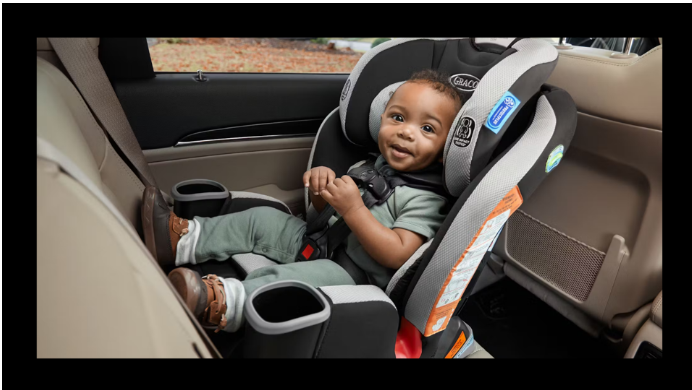
Forward-facing seats face the front of the car. Kids use these seats after outgrowing rear-facing limits. The switch depends on the child’s weight and height. Forward-facing seats have harnesses to keep kids secure.
Importance Of Proper Seat Position
Correct seat position reduces injury risks in crashes. The seat must fit the child’s size and weight. Harness straps should be snug and at the right height. The car seat must be tightly installed with no movement.
Following car seat guidelines ensures maximum protection. Regularly check the seat and harness fit as the child grows. Proper use of car seats saves lives and prevents serious harm.
Credit: v2v-logistics.com
Age Recommendations For Forward-facing
Knowing the right age for switching your child to a forward-facing car seat keeps them safe. Age recommendations help parents decide the best time to make this change. These guidelines focus on children’s growth and development, not just age alone.
General Age Guidelines
Most experts suggest that children sit forward-facing after at least 2 years old. Some children might be ready later, depending on their size and comfort. The American Academy of Pediatrics advises keeping kids rear-facing as long as possible.
Many states have laws requiring children to use rear-facing seats until age 2. After that, they may move to forward-facing seats with a harness. The key is to follow both safety advice and legal rules.
Weight And Height Considerations
Age is not the only factor. Weight and height play a big role in the switch. Forward-facing car seats have limits set by manufacturers.
- Children usually need to reach at least 20 pounds before moving forward.
- Height limits vary, but kids must fit safely in the seat’s harness system.
- Parents should check the car seat manual for exact weight and height rules.
Choosing the right seat based on size ensures the harness fits snugly and protects well. It also prevents injuries in accidents by keeping children secure.
Safety Risks Of Early Transition
Moving a child to sit forward in a car seat too early brings serious safety risks. Their bodies are not ready to handle the forces in a crash. The seat belt and harness may not fit properly, increasing injury chances. Staying rear-facing longer offers better protection for the head, neck, and spine.
Parents must understand these risks to keep children safe. Knowing what can happen helps make the right choice about when to switch seats.
Potential Injuries
- Neck injuries are common in early forward-facing children.
- Head trauma risks increase without proper support.
- Spinal injuries can result from sudden stops or crashes.
- Improper seat belt fit causes chest and abdominal injuries.
- Children’s bones and muscles are still developing and fragile.
Crash Test Findings
Crash tests show rear-facing seats reduce injury risk by 75%. They support the head and spine better during impact. Forward-facing seats increase stress on the neck and chest. Tests reveal children under age 2 are safest rear-facing. Early transition often leads to greater injury severity in crashes.
Credit: www.britax.ca
Signs Your Child Is Ready
Determining when a child is ready to sit forward in a car seat can be tricky. Parents often wonder about the right time for this transition. Watching for specific signs helps ensure a child’s safety and comfort. Understanding these signs is crucial for making the right decision.
Physical Indicators
Children show physical signs when they are ready to sit forward. Their weight and height are critical factors. A child often needs to reach a certain size before transitioning. Check the car seat’s manual for specific guidelines. The child’s head must sit at least an inch below the top of the seat. Their legs should bend comfortably over the seat’s edge. Ensure they can sit upright without slouching.
Behavioral Signs
Behavioral cues can indicate readiness as well. A child who consistently sits still and follows instructions is likely ready. Notice how they behave during car rides. Do they remain calm and alert? If they frequently attempt to turn around or adjust themselves, it might be time. Their ability to communicate discomfort also matters. Listen to their feedback about their seat position. These signs help in deciding the right time for a change.
Choosing The Right Forward-facing Seat
Choosing the right forward-facing car seat is important for your child’s safety and comfort. It helps protect your child during car rides. The right seat fits your child’s size and age. It also matches your car’s features. Understanding the options makes the choice easier. Focus on seats that offer strong safety and ease of use.
Types Of Forward-facing Seats
- Convertible Car Seats: These seats change from rear-facing to forward-facing. They suit toddlers and preschoolers.
- Combination Seats: Designed for forward-facing use with a harness. They later convert to booster seats.
- High-back Booster Seats: Offer head and neck support for older children. Use with a vehicle seat belt.
- Backless Booster Seats: Provide a boost to position the seat belt correctly. Best for older kids who need less support.
Features To Look For
- Five-point harness for secure restraint.
- Side-impact protection for added safety.
- Adjustable harness and headrest for growth.
- Easy installation with LATCH system or seat belt.
- Comfort padding and breathable fabric.
- Clear labels and instructions for proper use.
Installation Tips
Installing a forward-facing car seat properly ensures your child’s safety during every ride. Paying close attention to installation details can prevent common mistakes. Focus on securing the seat firmly and adjusting the harness correctly for a snug fit. These steps reduce risks and keep your child comfortable.
Securing The Seat Correctly
Place the car seat in the back seat, the safest spot in the car. Use either the vehicle’s seat belt or LATCH system to attach the seat. Tighten the belt or LATCH strap until the seat does not move more than one inch side to side or front to back. Check the angle of the seat; it should be upright and stable. Follow the car seat manual for specific installation instructions.
Harness Adjustment
Adjust the harness straps to fit your child snugly. The straps should lie flat without twists. Position the harness at or above your child’s shoulders for a forward-facing seat. Secure the chest clip at armpit level to keep the straps in place. Make sure you cannot pinch any slack at the shoulder once buckled.
Legal Requirements By Region
Understanding legal requirements about when kids can sit forward in a car seat is crucial for their safety. These rules vary widely depending on where you live, and they are designed to protect your child during every trip. Knowing the specifics can help you avoid fines and, more importantly, keep your child secure.
Us Regulations
In the United States, laws about turning a child forward in their car seat vary by state but generally follow guidelines from safety organizations. Most states require children to remain in a rear-facing seat until at least age 2 or until they reach the highest weight or height allowed by the car seat manufacturer.
After this stage, kids can switch to a forward-facing seat with a harness. Many experts recommend keeping children rear-facing as long as possible because it offers better protection for the head, neck, and spine.
Have you checked your state’s specific laws? Some states have stricter rules, so it’s wise to review local regulations before making the switch.
International Differences
Rules differ significantly across countries. In Europe, for example, children often stay rear-facing until age 4 due to stricter safety regulations.
Australia mandates rear-facing seats until at least 6 months old, but many parents keep children rear-facing longer. Canada encourages rear-facing until at least age 2, similar to the US.
These variations reflect different safety priorities and research findings. If you travel internationally or move abroad, understanding local car seat laws is essential to avoid risks and penalties.
Common Mistakes To Avoid
Ensuring a child’s safety in the car is crucial. Parents often make mistakes that impact their child’s safety during car rides. Understanding these common errors can help keep kids safe.
Incorrect Harnessing
Many parents fasten harnesses too loosely. A loose harness can lead to injuries. Always ensure the harness is snug and secure. The harness should be at or below the child’s shoulders. Check the chest clip; it must be at armpit level. This positioning prevents the child from slipping out. Regularly check and adjust the harness as your child grows.
Premature Transition
Transitioning to a forward-facing seat too early is a common mistake. Keep your child rear-facing until they reach the seat’s height or weight limit. Rear-facing seats provide better head and neck protection. Always refer to the car seat manual for specific guidelines. Ensure your child meets all criteria before transitioning. This caution prolongs their safety during travel.
Additional Safety Measures
Children’s safety in cars depends on more than just the seat direction. After kids switch to forward-facing seats, extra care is needed. These safety measures protect children better during travel.
Booster Seats After Forward-facing
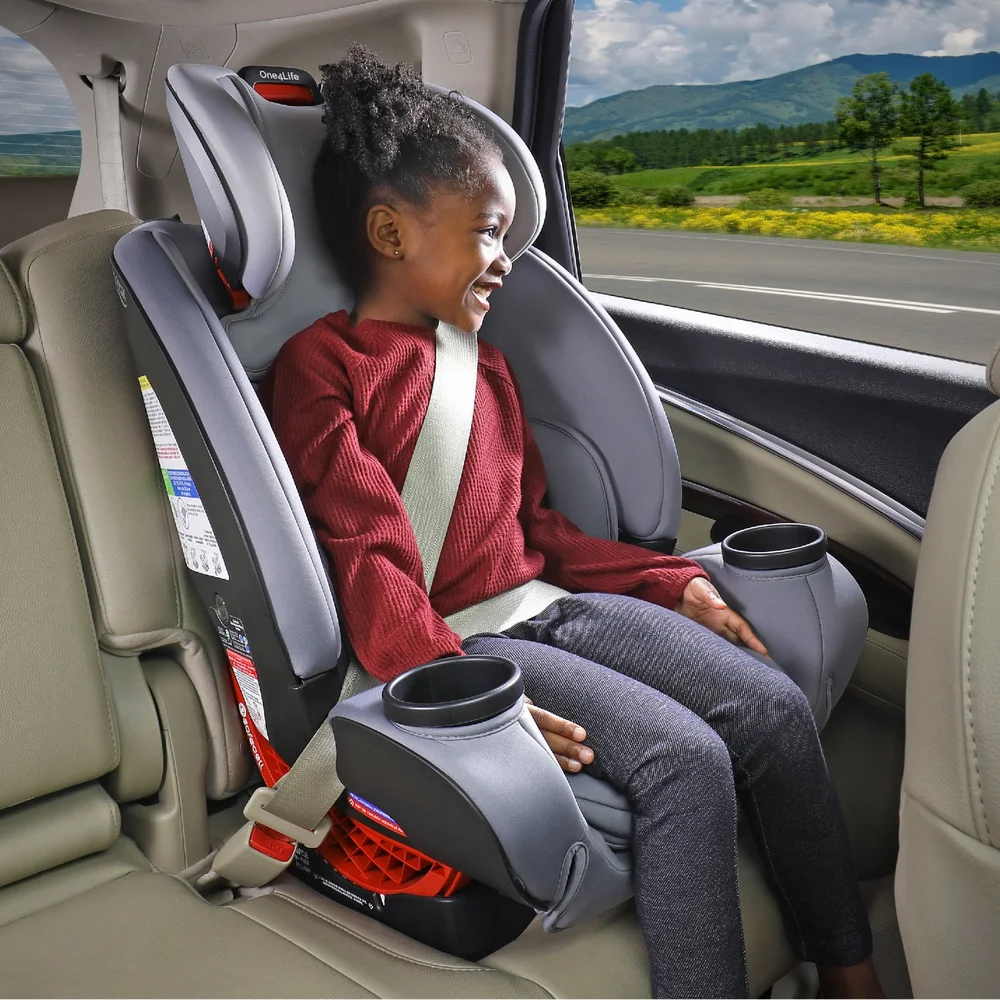
Booster seats help position the seatbelt correctly on a child’s body. Kids usually start using boosters around 4 to 7 years old. The booster raises the child so the seatbelt fits across the chest and hips. This prevents the belt from hurting the neck or stomach. Make sure the booster seat fits your child’s height and weight. Always follow the manufacturer’s instructions for correct use.
Proper Seatbelt Use
Correct seatbelt use is vital for safety after a booster. The lap belt should lie low on the hips, not the stomach. The shoulder belt must cross the chest and rest between the neck and shoulder. Avoid placing the belt under the arm or behind the back. These positions reduce protection and increase injury risk. Teach children how to sit still and keep the belt in place during the ride.

Credit: uppababy.com
Frequently Asked Questions
At What Age Can Kids Sit Forward In A Car Seat?
Most children can sit forward-facing in a car seat after they are 2 years old. However, it depends on the child’s weight and height. Always follow the car seat manufacturer’s guidelines and local laws for safety.
Why Is Rear-facing Recommended For Toddlers?
Rear-facing car seats provide better support for a child’s head, neck, and spine in a crash. Toddlers are safer rear-facing until they reach the maximum weight or height limit of the seat. This position reduces injury risk during sudden stops.
How Do I Know When To Switch To A Forward-facing Seat?
Switch when your child exceeds the rear-facing car seat limits for height or weight. Check the car seat manual for specific limits. Also, ensure your child has good head and neck control before switching.
What Are The Risks Of Moving To Forward-facing Too Early?
Moving to forward-facing too soon increases the risk of serious injury in a crash. The child’s neck and spine are not fully developed to handle impact forces forward-facing. Staying rear-facing longer enhances safety significantly.
Conclusion
Kids should stay rear-facing until they reach the right age and size. Most experts say kids can sit forward around 2 years old. Always check your car seat’s instructions for exact limits. Safety is the top priority for every ride.
Buckle children properly every time they travel. Keep learning about car seat rules to protect your child. Safe travels start with the right seat and correct use. Remember, careful choices help keep your child safe on the road.