
Are you wondering when your child is finally ready to stop using a car seat? Knowing the right age to make this switch is crucial for your child’s safety and your peace of mind.
You want to protect your little one every time you hit the road, but how do you know if it’s time to move on? This guide will clear up the confusion and give you clear, easy-to-follow answers. Keep reading to find out exactly when kids get out of car seats and how to make the transition safely.

Credit: incarsafetycentre.co.uk
Car Seat Stages
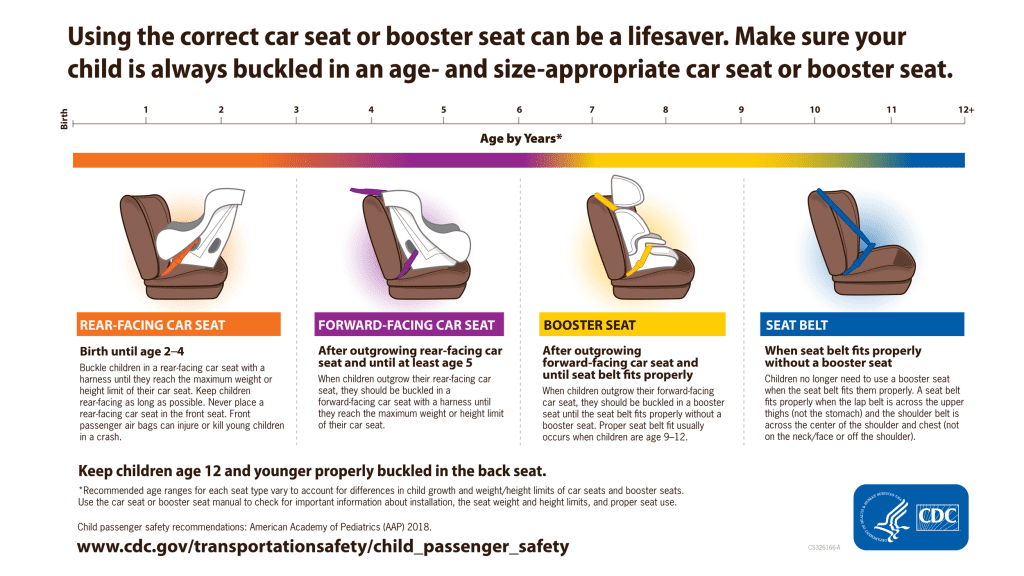
Children grow quickly, and their car seats need to change with them. Car seats come in different stages to keep kids safe during travel. Each stage fits a child’s size and weight better than the last.
Knowing the right time to switch seats helps protect kids in crashes. Parents should follow safety guidelines and car seat rules. These stages include rear-facing seats, forward-facing seats, and booster seats.
Rear-facing Seats
Rear-facing seats are for newborns and infants. These seats support a baby’s head, neck, and spine. They reduce injury risk in accidents by cradling the child safely.
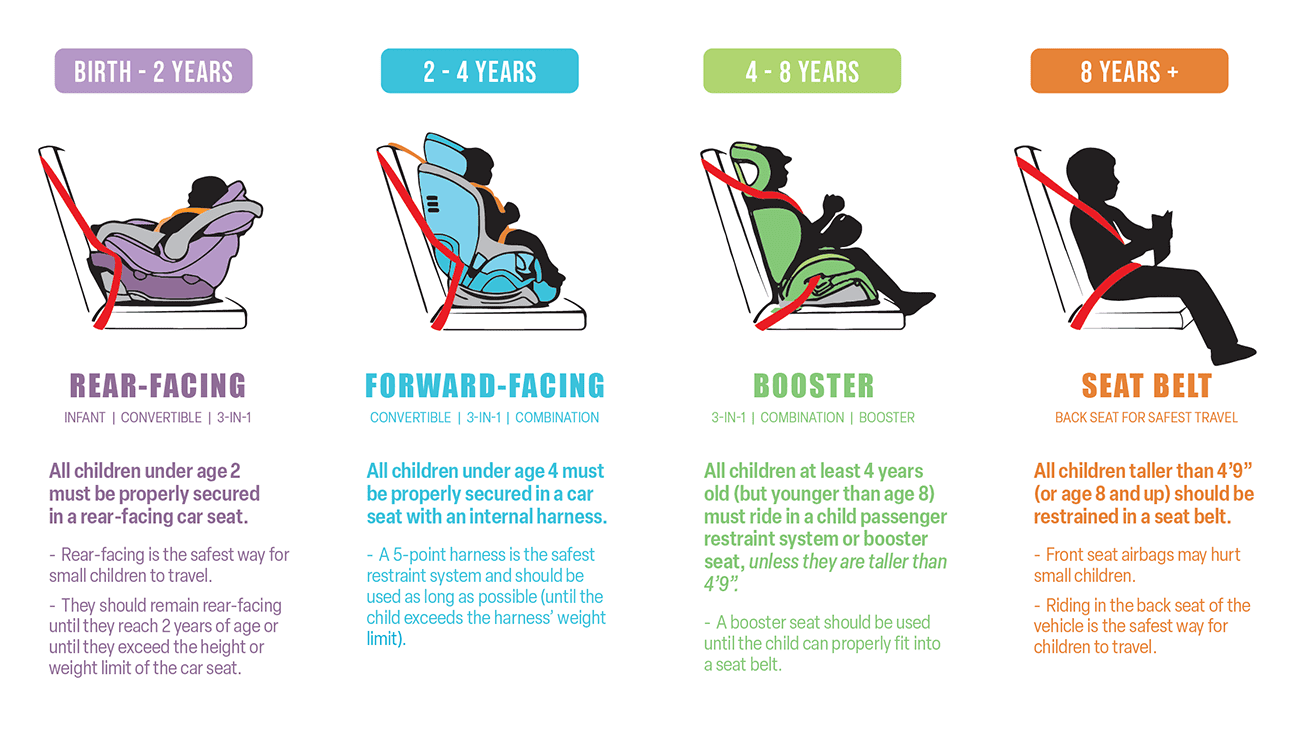
Children should stay rear-facing until at least age 2 or until they reach the seat’s weight limit. This stage is the safest for young kids.
Forward-facing Seats
Forward-facing seats are for toddlers and preschoolers. Kids move to this seat after outgrowing the rear-facing limits. It has a harness that keeps the child secure.
The child should stay in this seat until they reach the maximum height or weight allowed. Usually, this is around age 4 to 7 years.
Booster Seats
Booster seats raise children so seat belts fit properly. They are for kids who outgrow forward-facing seats but are too small for adult belts. Proper belt fit means the lap belt lies across the hips.
Children use booster seats until seat belts fit correctly, often between ages 8 and 12. This stage helps prevent injuries in crashes.
Credit: www.choctawnation.com
Age And Size Guidelines
Understanding the age and size guidelines for moving your child out of a car seat is crucial for their safety. These guidelines help ensure your child is properly secured during every ride. Let’s break down the key factors to consider before making the switch.
Weight Limits
Weight is one of the most important factors in car seat safety. Most rear-facing car seats support children up to 40 pounds, while forward-facing seats often accommodate up to 65 pounds or more.
Check your car seat’s manual for exact weight limits. If your child is close to or has exceeded these limits, it’s time to consider the next stage.
Have you noticed your child growing faster than expected? Tracking their weight regularly helps avoid a premature change that could compromise safety.
Height Limits
Height matters just as much as weight. Many car seats have a height limit around 49 inches, but this can vary by model.
Make sure your child’s head doesn’t extend above the top of the car seat. If it does, your child needs a booster or regular seat belt instead.
Measuring your child’s height before each trip might seem tedious, but it’s a simple step to keep them secure.
Age Recommendations
Age guidelines give a general idea but should never be the only factor. Most experts recommend keeping children rear-facing until at least age 2, then forward-facing with a harness until they reach the weight or height limits.
Booster seats are usually appropriate for kids aged 4 to 8, depending on their size. After that, a standard seat belt can be used once it fits properly.
Do you know if your child’s seat belt fits correctly? The lap belt should lie snugly across the upper thighs, not the stomach, and the shoulder belt should cross the chest and shoulder, not the neck or face.
State Laws And Regulations
State laws and regulations play a key role in determining the age when kids should stop using car seats. These rules are designed to keep children safe on the road. Understanding local laws helps parents follow the right guidelines for car seat use. Laws vary widely, so knowing your state’s specifics is important. Penalties exist to encourage compliance and protect young passengers.
Variations By State
Each state has its own rules about car seat use. Some states require children to use car seats until they reach a certain age, weight, or height. Others set a combination of these factors. For example:
- Some states require car seats until age 8.
- Others require use until children are 4 feet 9 inches tall.
- Weight limits can range from 40 to 80 pounds.
Check your state’s specific laws to ensure compliance.
Legal Requirements
Legal requirements usually include the type of car seat and when to transition. Rear-facing seats are often required for infants and toddlers. Forward-facing seats follow until children outgrow them. Booster seats then provide proper seat belt fit. Laws specify minimums, but using seats longer can increase safety. Regulations may also cover seat belt use once car seats are no longer required.
Penalties For Non-compliance
Fines apply when car seat laws are broken. Penalties vary by state but may include:
- Monetary fines
- Points on driver’s license
- Possible court appearances
Ignoring car seat laws risks safety and legal trouble. Following rules protects children and avoids fines.
Credit: www.thebump.com
Transitioning To Seat Belts
Transitioning from a car seat to a seat belt is a big step for both you and your child. It marks growing independence but also brings new safety responsibilities. Understanding when and how to make this change ensures your child stays protected on every trip.
When To Switch
You should switch your child from a car seat to a seat belt once they reach the height and weight limits set by the car seat manufacturer. Usually, this means your child is at least 4 feet 9 inches tall and weighs between 80 and 100 pounds.
Keep in mind, age alone isn’t enough. Some kids might be ready earlier, others later. Have you checked your car seat’s manual recently? It’s the best guide for exact limits.
Proper Seat Belt Fit
A seat belt fits properly when the lap belt lies snugly across your child’s upper thighs, not the stomach. The shoulder belt should cross the chest and rest on the shoulder, not the neck or face.
Here’s a quick test you can try at home:
- Your child sits all the way back against the car seat.
- The knees bend comfortably at the edge of the seat.
- The seat belt follows the position described above.
If your child can’t meet these requirements, it’s safer to keep them in a booster seat. Did you know many kids try to go without boosters too soon? That’s a common risk to watch out for.
Common Mistakes
Many parents switch to seat belts too early, thinking age alone is enough. This can put your child at serious risk. Another frequent error is letting kids slouch or twist, which reduces the seat belt’s effectiveness.
Also, avoid letting kids put the shoulder belt behind their back or under their arm. It might seem harmless, but this greatly increases injury risk during a crash.
Have you ever caught your child adjusting the belt incorrectly? Fixing these habits early keeps them safer and builds good habits for life.
Safety Tips For Parents
Children should stay in car seats until they reach the height or weight limits set by the manufacturer. Most kids move out of car seats between ages 4 and 8. Always follow safety guidelines to protect your child during every ride.
Ensuring your child’s safety in the car is a top priority. As parents, understanding when your child can safely transition out of a car seat is essential, yet just as crucial are the measures you take to keep them safe while they are still using one. From choosing the right seat to making sure it’s properly installed, every step counts. Let’s explore some key safety tips to keep your little ones secure on the road.Choosing The Right Seat
Selecting the right car seat involves more than just the child’s age. Pay attention to their height and weight as well. Always refer to the manufacturer’s guidelines for the best fit. A convertible seat might be a wise investment as it can grow with your child. Consider visiting a store to test different models. Ensure your child sits comfortably without any discomfort.Installation Tips
Correct installation is vital for safety. Follow the car seat manual meticulously. Use either the seat belt or the LATCH system, but not both. Visit your local fire station or a certified car seat inspection station for a professional check. It’s free, and they offer valuable insights. Remember, even a minor mistake can compromise safety.Regular Checks And Maintenance
Regularly inspect the seat for wear and tear. Check the harness for fraying and ensure the buckles latch securely. Car seats have expiration dates; ensure yours is still valid. Don’t forget to clean the seat as per the manufacturer’s instructions. Spills happen, but keeping the seat clean prevents malfunctions. Are the straps adjusted correctly for your child’s current size? Regular adjustments are necessary as they grow. Being vigilant and proactive about car seat safety could make all the difference. How often do you reassess your child’s car seat needs? It’s always better to be safe than sorry.Special Considerations
Special considerations play a vital role in determining when children can safely transition out of car seats. Each child’s needs vary, and safety must always come first. Some children require unique care due to health or travel reasons. Others may face risks when using secondhand car seats. Understanding these factors helps ensure every child travels safely.
Children With Special Needs
Children with special needs often require customized car seats. Their physical conditions may affect how a standard seat fits. Specialized seats provide better support and protection. Caregivers should consult healthcare professionals for guidance. Regular car seat guidelines may not apply. Adjustments in timing and type of seat use are common. Safety remains the top priority.
Travel And Car Seat Use
Traveling can complicate car seat use. Different vehicles may have different seatbelt systems. Air travel requires approved car seats for airplanes. Portable and lightweight seats help during trips. Parents must plan ahead to meet safety rules. Keeping children secure on the road and in air travel reduces risks. Always check regulations for each travel type.
Secondhand Car Seat Safety
Secondhand car seats pose safety challenges. They may have hidden damage or expired parts. Recalls and previous accidents can affect seat integrity. Always verify the seat’s history before use. Avoid seats without labels or instructions. Follow expiration dates strictly. Using a well-maintained car seat ensures child safety on every ride.
Frequently Asked Questions
At What Age Can Kids Stop Using Car Seats?
Most kids can stop using car seats between 8 and 12 years old. It depends on their height and weight. Always follow your state laws and car seat manufacturer guidelines for safety.
When Should Children Switch From Rear-facing To Forward-facing?
Children should switch to forward-facing car seats after reaching the maximum rear-facing weight or height limit. Usually, this is around 2 years old, but keeping them rear-facing longer is safer.
How Long Should Kids Use Booster Seats?
Kids should use booster seats until they are 4 feet 9 inches tall and 8 to 12 years old. Booster seats help position the seat belt correctly for safety.
What Are The Height And Weight Limits For Car Seats?
Car seat limits vary by model, but rear-facing seats typically support up to 40 pounds. Forward-facing seats usually allow up to 65 pounds. Always check the specific car seat’s manual.
Conclusion
Kids should stay in car seats until they reach the right size and age. Most children move to booster seats between 4 and 8 years old. Always follow safety rules and local laws for best protection. Proper use of car seats helps keep kids safe on every trip.
Parents should check height, weight, and age before switching seats. Safety matters most, so don’t rush the change. Keep kids secure until they are truly ready to move on. Safety first.