
Are you wondering when it’s safe for your child to face forward in their car seat? This decision isn’t just about comfort—it’s about your child’s safety every time you hit the road.
Getting the timing right can protect your little one from serious injuries in a crash. Keep reading, and you’ll discover exactly when and why your child should switch to facing forward, plus important tips to make sure you’re doing it the safest way possible.
Your child’s safety is worth knowing the facts.

Credit: incarsafetycentre.co.uk
Car Seat Basics
Understanding the basics of car seats is essential for keeping your child safe on every trip. Choosing the right seat and knowing when to switch between rear-facing and forward-facing can feel overwhelming. But getting these details right protects your child in powerful ways.
Rear-facing Vs Forward-facing
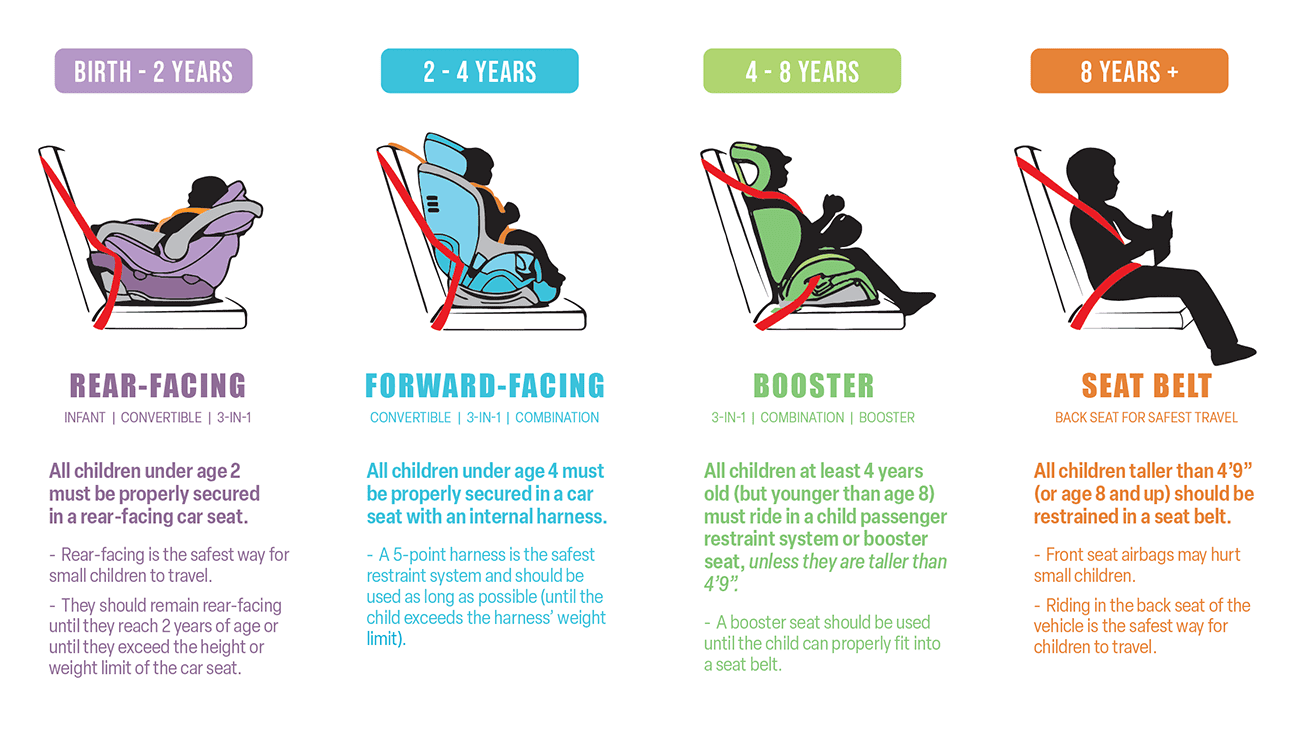
Rear-facing car seats position your child to face the back of the car. Forward-facing seats, as the name suggests, face the front. Most experts agree that children should stay rear-facing as long as possible because it offers the best protection.
Rear-facing seats support your child’s head, neck, and spine by distributing crash forces over the entire body. Forward-facing seats rely more on harnesses and can put more strain on a child’s neck during sudden stops. Many parents wonder how long they should keep their child rear-facing—this depends on age, weight, and height limits specific to the seat.
Why Rear-facing Is Safer
Think of your child’s anatomy: their head is proportionally larger and heavier compared to their body. In a crash, this makes their neck vulnerable. Rear-facing seats cradle the head and neck, reducing injury risk significantly.
Statistics show that children under two are 75% less likely to die or be seriously injured in a rear-facing seat. I remember a friend who followed this advice strictly and credited it when her toddler walked away unscathed from a minor accident. Isn’t it worth keeping your child rear-facing longer for such peace of mind?
Transition Age Factors
There’s no exact age when every child should face forward. Instead, consider these factors:
- Weight and height limits:Check the car seat manual for maximums allowed in rear-facing mode.
- Child’s comfort and development:Some kids outgrow rear-facing seats physically but still benefit from staying rear-facing.
- Vehicle size and seat fit:Some cars limit how long you can keep a child rear-facing due to space constraints.
Ask yourself: Is your child still within the recommended limits? Are they sitting comfortably without slouching? Making the transition too early can increase risk, so keep these details in mind before switching to forward-facing.
Recommended Ages For Facing Forward
Deciding when your child should face forward in their car seat is an important safety choice. Knowing the recommended ages helps you keep your little one protected without rushing the transition. The right timing depends on expert advice, legal rules, and your child’s unique growth.
Guidelines From Safety Experts
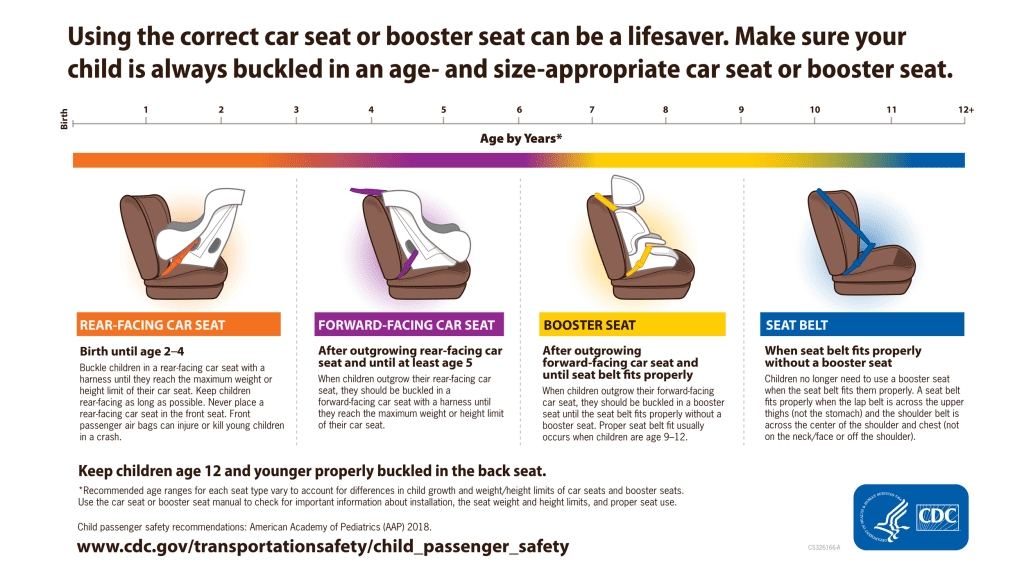
Safety organizations like the American Academy of Pediatrics suggest keeping your child rear-facing as long as possible. Many recommend at least until age 2 or until your child reaches the highest weight or height allowed by the car seat manufacturer. This position offers better protection for your child’s head, neck, and spine in a crash.
Have you checked your car seat’s manual lately? It often provides specific limits that can help you decide when to switch. Remember, the longer your child stays rear-facing, the safer they generally are.
Legal Age Requirements
Every state or country has its own laws about when kids can face forward in car seats. These laws usually set a minimum age or weight. For example, some states require children to remain rear-facing until at least age 2, but others might allow forward-facing earlier.
It’s crucial to know the rules where you live. Following legal requirements keeps you compliant and helps protect your child on the road.
Growth And Development Considerations
Beyond age, your child’s size and development matter. If your toddler is taller or heavier than average, they may need to face forward later than peers. Watch for signs like their shoulders passing the top harness slots or their head nearing the top of the seat.
Have you noticed your child’s comfort and movement in the seat? These clues can guide you on when to switch. Prioritize their safety and comfort over simply reaching a specific age number.
Signs Your Child Is Ready To Face Forward
Knowing when to turn your child’s car seat to face forward is a crucial decision for their safety. It’s not just about age; several signs tell you your little one is ready for the change. Recognizing these signs helps you make a confident choice that keeps your child secure and comfortable during every ride.
Height And Weight Limits
Every car seat has specific height and weight limits for rear-facing and forward-facing positions. Usually, kids should remain rear-facing until they reach the maximum height or weight allowed by their car seat manufacturer.
Check the labels or manuals for these limits because they vary between brands and models. For example, some seats support rear-facing up to 40 pounds, while others go higher. If your child is close to or has exceeded these limits, it’s time to consider facing them forward.
Physical And Behavioral Indicators
Beyond numbers, your child’s body and behavior can signal readiness. If your toddler’s head is close to the top of the car seat or they seem cramped, that’s a physical sign it’s time to switch.
Behaviorally, if your child resists staying rear-facing or frequently tries to twist around, they might be ready to face forward. You want to balance comfort with safety, so watch for signs of discomfort or restlessness during rides.
Consulting Car Seat Manuals
Car seat manuals are your best friend in this decision. They provide clear guidelines tailored to your specific seat, including when to transition based on safety standards.
Sometimes, you might find recommendations you hadn’t considered, like a specific harness height or recline angle. Make it a habit to review the manual regularly as your child grows—it’s a small step that ensures you’re following the safest path forward.
Credit: www.choctawnation.com
Choosing The Right Forward-facing Seat
Choosing the right forward-facing car seat is key for your child’s safety and comfort. It depends on your child’s age, weight, and height. Proper selection ensures the seat fits well in your vehicle and supports your child as they grow.
Types Of Forward-facing Seats
Forward-facing seats come in several styles. Each type offers different features for safety and convenience.
- Convertible seats: These can switch from rear-facing to forward-facing.
- Combination seats: Designed for forward-facing use with a harness, then convert to a booster seat.
- All-in-one seats: Serve as rear-facing, forward-facing, and booster seats.
Choose a seat that matches your child’s size and your car’s space.
Harness Systems Explained
Harnesses secure your child in the seat. Most forward-facing seats use a 5-point harness.
- Two shoulder straps
- Two waist straps
- One strap between the legs
This setup spreads crash forces and keeps your child snug. Check the harness fits snugly without slack. Adjust straps as your child grows for safety.
Installation Tips
Proper installation is crucial for protection. Follow these steps for best results:
- Read both car seat and vehicle manuals carefully.
- Use the LATCH system or seat belt securely.
- Ensure the seat does not move more than an inch side-to-side or front-to-back.
- Place the seat at the correct angle as per instructions.
- Double-check harness tightness and buckle placement.
Visit a local car seat inspection station for a safety check if possible.
Common Mistakes To Avoid
Switching a child to a forward-facing car seat too early can increase injury risk. Waiting until they meet height and weight limits ensures safer travel. Avoid rushing this change to protect your child’s safety on every trip.
Car seat safety is crucial for your child’s protection. Many parents unknowingly make mistakes that compromise safety. Understanding common errors helps ensure your child’s well-being.Switching Too Early
Many parents turn the car seat forward too soon. Children should remain rear-facing until at least age two. Rear-facing seats better protect a child’s head, neck, and spine. Follow guidelines based on your child’s weight and height. Waiting until your child outgrows the rear-facing seat is vital.Incorrect Harness Use
Proper harness use is essential for safety. Ensure the harness straps are at or below the child’s shoulders. The harness should be snug without leaving slack. A loose harness can lead to serious injury during a crash. Always perform the pinch test: If you can pinch the strap, it’s too loose.Ignoring Seat Expiry Dates
Car seats have expiration dates for a reason. Materials can degrade over time, reducing effectiveness. Always check the label for the expiration date. Using an expired seat puts your child at risk. Keep track of purchase dates and plan for timely replacements.Additional Safety Tips
Keeping children safe in the car extends beyond choosing the right seat direction. Extra care can prevent accidents and injuries. These additional safety tips help ensure your child rides securely and comfortably every trip.
Proper Seat Installation
Install the car seat tightly without movement. Check the seat belt or latch system holds the seat firmly. Follow the car seat manual exactly. A loose seat can cause serious harm in a crash. Ask a certified technician to inspect your installation if unsure.
Regular Seat Checks
Inspect the car seat often for wear or damage. Look for frayed straps, broken buckles, or cracks in the shell. Replace any parts that show wear. Make sure the harness fits snugly and adjusts as your child grows. Keeping the seat in good condition ensures maximum protection.
Teaching Kids About Car Safety
Explain why car seats and seat belts matter. Teach children to stay seated and buckled at all times. Encourage calm behavior during rides to avoid distractions. Help kids understand how safety rules protect them every drive. Early lessons build lifelong safe habits.
Credit: dceastleigh.org
Frequently Asked Questions
At What Age Should Kids Face Forward In Car Seats?
Children should face forward in car seats after reaching at least 2 years old. It’s safest to keep them rear-facing until then. Always follow your car seat manufacturer’s height and weight limits for transitioning.
Why Is Rear-facing Recommended For Toddlers?
Rear-facing seats better protect toddlers’ heads, necks, and spines during crashes. Their bodies absorb impact forces more safely this way. Experts advise keeping children rear-facing as long as possible within seat limits.
What Are The Risks Of Early Forward-facing?
Switching to forward-facing too soon increases injury risk in crashes. Toddlers’ neck muscles and bones aren’t fully developed. Rear-facing offers superior safety until kids outgrow these seats by size or age.
How Do Weight And Height Affect Forward-facing Timing?
Car seats have specific weight and height limits for rear and forward-facing modes. Kids should remain rear-facing until they exceed these limits. Always check your seat’s guidelines before changing orientation.
Conclusion
Kids should face forward in car seats only after meeting safety guidelines. Most experts recommend turning kids forward after they are at least 2 years old. Weight and height limits set by car seat makers also matter a lot. Always check your car seat manual before changing directions.
Safety comes first to protect children during every trip. Keep your child’s comfort and security as top priorities. Remember, proper car seat use saves lives and prevents injuries. Stay informed and update your knowledge regularly. Safe travels make every journey better for families.