
Are you wondering when it’s safe for your baby to face forward in their car seat? You’re not alone.
Every parent wants to keep their little one safe during every trip, but the rules about car seats can be confusing. Knowing the right age to switch your baby from rear-facing to forward-facing can protect your child and give you peace of mind.
Keep reading to find out exactly when and why this important change should happen, so you can travel confidently with your baby every time.
When To Turn Forward
Knowing when to turn your baby’s car seat forward is important for safety. Babies should ride rear-facing as long as possible. This position protects their head, neck, and spine in a crash. Turning forward too soon can increase injury risks. Understanding the right time helps parents keep their child safe on every trip.
Recommended Age And Weight
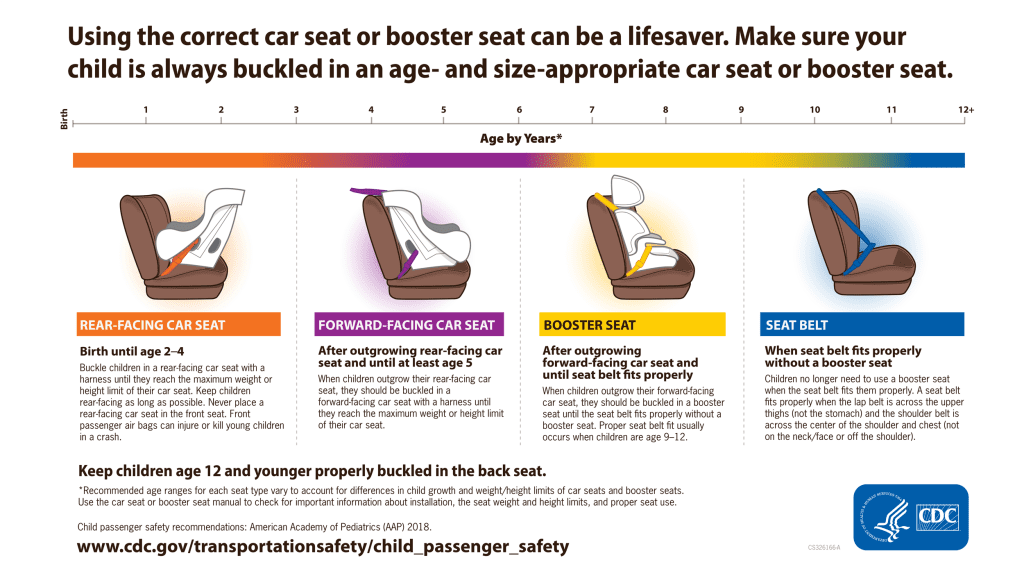
Experts suggest keeping babies rear-facing until at least 2 years old. Many car seats allow rear-facing up to 40 pounds or more. Follow the car seat manual for exact limits. These recommendations help ensure the child’s body is well supported. Age and weight are key factors in deciding when to turn forward.
Signs Baby Is Ready
Look for signs that your baby can safely face forward. Your child should:
- Have good head and neck control
- Reach the car seat’s height or weight limit for rear-facing
- Be able to sit up without support
Always double-check the car seat instructions. Ensure proper installation before changing the direction. Safety comes first in every decision.
Rear-facing Benefits
Keeping babies rear-facing in car seats offers many important benefits. This position supports their growing bodies and helps protect their delicate heads and necks. Understanding these benefits encourages parents to keep children rear-facing longer for better safety.
Safety Advantages
Rear-facing car seats cradle a baby’s entire body during travel. This position spreads crash forces over the back, shoulders, and hips. It reduces stress on the fragile neck and spine. Babies have weak muscles and bones, so this protection is vital. Rear-facing seats also help keep the airway open. This reduces the risk of breathing problems during sudden stops.
Crash Impact Protection
In a collision, a rear-facing seat absorbs energy more effectively. It supports the head and neck by moving with the child. This lowers the chance of serious injury. Studies show rear-facing seats reduce fatal injury risk by up to 75% compared to forward-facing. The seat acts like a shield, protecting vital areas. This impact protection lasts until the child reaches the car seat’s height and weight limit.
Car Seat Types
Choosing the right car seat is key for your baby’s safety and comfort. Car seats come in different types, each designed to fit various ages and weights. Understanding these types helps you decide when to face your baby forward.
Convertible Seats
Convertible seats change from rear-facing to forward-facing. They hold babies from birth up to about 65 pounds. Parents keep babies rear-facing longer with these seats. Rear-facing offers better protection for a baby’s head and neck. Once the baby reaches the seat’s weight or height limit, switch to forward-facing.
All-in-one Seats
All-in-one seats work as rear-facing, forward-facing, and booster seats. They last from infancy to early childhood. These seats save money by growing with your child. Use the rear-facing mode for babies until they outgrow limits. Then, adjust to forward-facing mode for toddlers. Finally, convert to booster mode for older kids.
Legal Requirements
Understanding legal requirements for car seat orientation is crucial for parents. These laws ensure a child’s safety during travel. Different regions have specific rules regarding the age and weight for forward-facing seats. Knowing these legal requirements helps you comply and keep your child safe.
State And Country Laws
Car seat laws vary across states and countries. In the United States, many states require children to remain rear-facing until at least age two. European countries often have stricter guidelines, with some recommending rear-facing until age four. Always check local regulations to ensure compliance.
Penalties For Non-compliance
Ignoring car seat laws can result in penalties. Fines are common for those not adhering to the legal requirements. Non-compliance might also lead to points on your driving record. This can affect your insurance rates. More importantly, improper car seat use risks your child’s safety. Always prioritize following the guidelines to avoid these penalties.
Installation Tips
Installing a car seat for a baby facing forward requires careful attention. Safety depends on proper installation. Follow these tips to secure the seat correctly and keep your child safe during rides.
Proper Seat Positioning
Place the car seat in the back seat of the vehicle. The center position is the safest spot if possible. Make sure the seat is tightly secured. It should not move more than one inch side to side or front to back. Use the vehicle’s seat belt or LATCH system to install the seat firmly. Check the seat’s angle to ensure it is upright but not too reclined. Follow the car seat manual for the correct angle. Avoid placing the seat near airbags or in front of active airbags.
Harness Adjustments
Adjust the harness straps to fit your baby snugly. The straps should lie flat without twists. Position the harness at or above the child’s shoulders for a forward-facing seat. Buckle the harness and chest clip securely. Place the chest clip at armpit level. Tighten the harness until you cannot pinch any slack at the shoulder. Regularly check harness tightness as your child grows. Proper harness adjustment prevents movement and protects your child in a crash.

Credit: orbitbaby.com
Common Mistakes
Many parents make common mistakes when deciding the right time to face their babies forward in a car seat. These errors can reduce the safety and comfort of the child. Understanding these mistakes helps keep your baby secure during every ride.
Turning Too Early
Some parents turn their babies forward too soon. Experts recommend keeping babies rear-facing until at least 2 years old. Turning early raises the risk of injury in a crash. Babies’ necks and spines are still fragile. Rear-facing seats provide better protection for their head and body. Patience is key for your child’s safety.
Incorrect Harness Use
Using the car seat harness wrongly is another common mistake. The harness must fit snugly against the baby’s body. Loose straps can cause serious harm during sudden stops. The chest clip should be at armpit level, not too high or low. Always check the harness for twists or slack. Proper harness use secures your baby firmly in place.
Monitoring Growth
Keeping a close eye on your baby’s growth is crucial before turning their car seat to face forward. Babies grow at different rates, and the right time to switch depends more on their size than their age. Monitoring growth helps you make a safe and confident decision that fits your child’s unique development.
Height And Weight Limits
Every car seat has specific height and weight limits set by the manufacturer. These numbers are not just guidelines—they are safety boundaries. Check your car seat manual regularly to see if your baby has reached these limits before changing the seat’s direction.
Many parents don’t realize how quickly their little one can hit these limits. For example, a baby might reach the weight limit for rear-facing seats at around 20 to 25 pounds, but height can also be a factor, especially if your child is tall for their age. Have you measured your baby’s height and weight lately? It might be time to check and compare those numbers with your car seat’s recommendations.
Adjusting The Seat
As your baby grows, adjusting the car seat properly ensures continued safety and comfort. Most seats allow you to move the harness straps up to fit your baby’s shoulders as they get taller. Make sure the straps sit at or just above your child’s shoulders when facing forward.
Don’t forget about the seat recline angle—adjust it so your child’s head stays supported and doesn’t flop forward. Sometimes, parents overlook these small adjustments, but they make a big difference in safety during travel. Have you taken a moment to adjust your car seat after your baby’s last growth spurt?

Credit: www.2cleverinnovations.com
Expert Recommendations
Babies should face forward in a car seat after they reach at least 2 years old. Experts recommend waiting until the child meets the car seat’s height and weight limits for forward-facing. This helps ensure better safety during car rides.
When deciding the right time for babies to face forward in car seats, expert recommendations are crucial. These guidelines ensure your child’s safety and comfort. Experts provide insights based on research and safety studies. Let’s explore their advice further.Pediatrician Advice
Pediatricians suggest waiting until your child is at least two years old. They emphasize keeping children rear-facing as long as possible. Rear-facing seats offer better protection in crashes. Pediatricians recommend checking the seat’s weight and height limits. Always ensure your child fits within these limits before switching.Safety Organizations
Safety organizations like the American Academy of Pediatrics provide clear guidelines. They advocate for rear-facing seats until at least age two. Some organizations suggest even longer if possible. They stress the importance of following car seat manuals. These manuals offer specific guidelines for each seat model. Safety organizations also advise regular seat checks. Proper installation is key for maximum safety.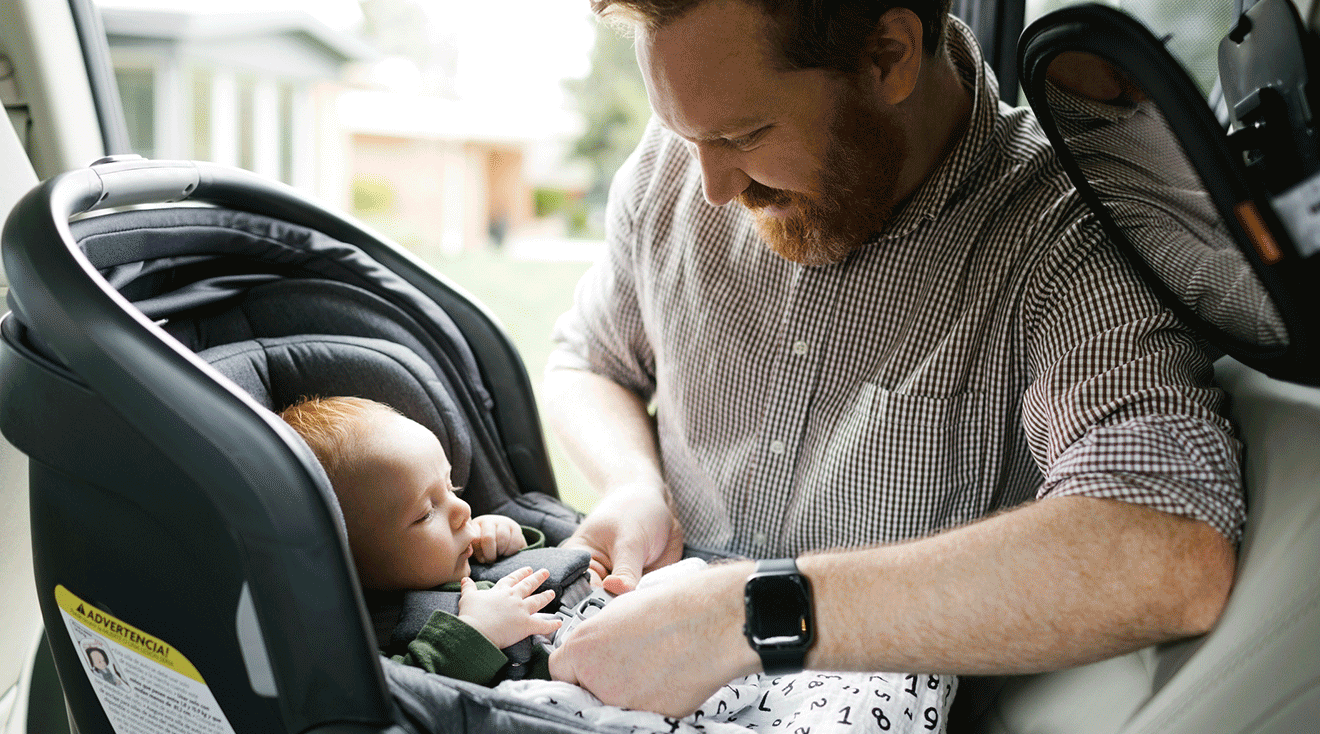
Credit: www.thebump.com
Frequently Asked Questions
When Can Babies Face Forward In Car Seats?
Babies can face forward after reaching at least 2 years old. They should meet height and weight limits set by the car seat manufacturer. Rear-facing is safer, so keep babies rear-facing as long as possible.
Why Is Rear-facing Recommended For Infants?
Rear-facing car seats support a baby’s head, neck, and spine during crashes. This position reduces injury risk by absorbing crash forces. Experts recommend rear-facing until at least age 2 or until the seat’s limits are reached.
What Are Car Seat Laws For Facing Forward?
Car seat laws vary by state but usually require rear-facing until age 2. Some states allow forward-facing earlier with certain weight or height. Always check local regulations and follow manufacturer guidelines for safety.
How To Transition Safely To Forward-facing?
Transition only when your child meets age, weight, and height requirements. Ensure the car seat is installed correctly in forward-facing mode. Use a harness and top tether to secure the seat firmly for added safety.
Conclusion
Babies should stay rear-facing as long as possible. Experts say at least until age two. This keeps them safer in crashes. Turning forward too soon can increase injury risk. Always follow your car seat’s weight and height limits. Check your local laws too.
Each child grows at their own pace. Safety comes first, so be patient and careful. Your child’s protection depends on correct car seat use. Keep learning and stay updated on safety guidelines. Safe travels start with smart choices about car seats.