
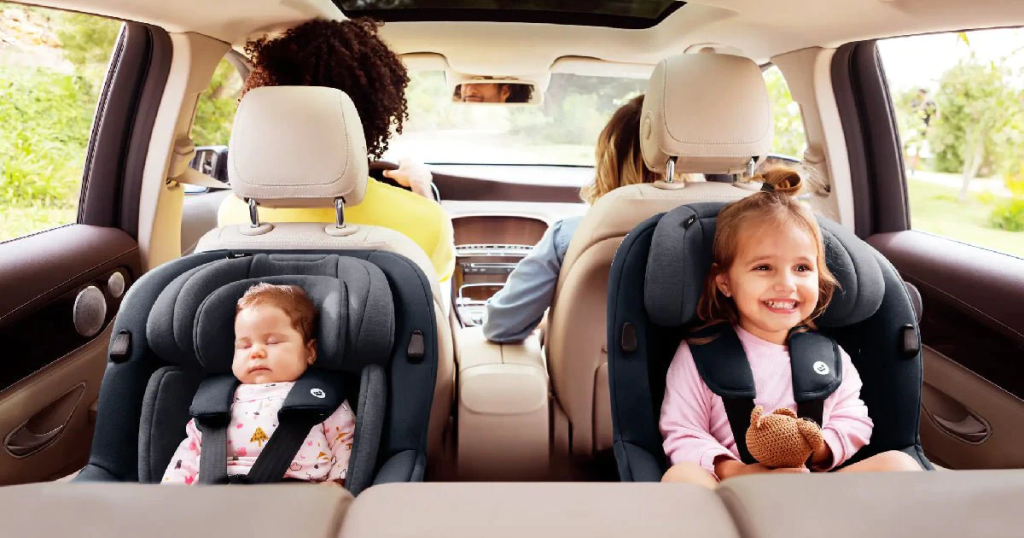
Are you wondering when it’s safe for your baby to face forward in their car seat? You want to keep your little one as safe as possible, but it’s confusing to know the right time to make this change.
Getting this wrong could put your child at risk, and you don’t want to take any chances. You’ll discover the exact age and important factors to consider before turning your baby forward. Keep reading to protect your child and gain peace of mind every time you hit the road.
Recommended Age For Forward Facing
The recommended age for a baby to face forward in a car seat depends on safety guidelines and the child’s development. Experts suggest keeping children rear-facing as long as possible. This position protects the head, neck, and spine better in crashes.
Parents often wonder when it is safe to switch their baby to face forward. The answer varies based on safety authorities and individual factors. Understanding these helps make the right choice for a child’s safety.
Guidelines From Safety Authorities
Most safety authorities recommend keeping babies rear-facing until at least 2 years old. Some suggest waiting until the child reaches the maximum height or weight allowed by the car seat.
- The American Academy of Pediatrics advises rear-facing until age 2 or more.
- The National Highway Traffic Safety Administration supports rear-facing as long as possible.
- Car seat manufacturers set limits based on height and weight.
These guidelines aim to protect children in case of a crash. Rear-facing seats reduce injury risks by supporting the head and neck.
Factors Affecting Readiness
Age alone does not determine when to face forward. Other factors matter:
- Weight and height: The child should meet the car seat’s limits for rear-facing.
- Physical development: Stronger neck muscles help handle forward-facing forces.
- Comfort and fit: The child must sit properly with straps snug and secure.
- Car seat type: Convertible seats vary in rear-facing capacity and limits.
Parents should check the car seat manual and follow safety rules closely. A child ready for forward facing meets all criteria safely.
Benefits Of Rear-facing Seats
Choosing the right car seat direction for your baby is crucial for their safety and comfort. Rear-facing seats offer unique benefits that many parents overlook. Understanding these benefits helps you make informed decisions about when to switch your baby to face forward.
Protection During Impact
Rear-facing seats provide superior protection during a collision. They support your baby’s head, neck, and spine by distributing crash forces across the entire body. This reduces the risk of serious injuries compared to forward-facing seats.
Imagine your baby’s fragile neck during a sudden stop; a rear-facing seat acts like a cushion, absorbing much of the impact. Studies show that children under two years old are significantly safer in rear-facing seats. This setup literally saves lives.
Developmental Considerations
Your baby’s body is still growing, and their bones and muscles aren’t strong enough for the stresses of forward-facing seats. Rear-facing positions better accommodate their natural posture and support proper spinal development.
Have you noticed how your baby curls into a fetal position when resting? Rear-facing seats mimic this position, which is more comfortable and safer. Keeping your child rear-facing longer aligns with their physical needs and reduces discomfort during rides.
Signs Your Baby Is Ready
Knowing when your baby is ready to face forward in their car seat is crucial for their safety. Signs of readiness go beyond just age; they involve specific physical and developmental milestones. Paying attention to these signs helps you make an informed decision that protects your little one on every trip.
Weight And Height Limits
Every car seat has manufacturer guidelines for weight and height limits. Usually, rear-facing seats support babies up to 40 pounds or more, but this varies. Check your car seat manual carefully, as moving your baby forward too soon can increase injury risk.
For example, if your baby weighs 25 pounds but hasn’t reached the height limit, it’s safer to keep them rear-facing. Some parents I know moved their toddlers forward based on age alone and later regretted it when their child got uncomfortable or less secure. Your baby’s measurements are a clear, objective sign to guide you.
Physical And Developmental Milestones
Beyond numbers, your baby’s physical strength and control are key indicators. Can your baby hold their head steady without support? Are they able to sit up well without assistance? These milestones show readiness for a forward-facing position.
Babies who can support their heads and sit upright are better protected in forward-facing seats. If your child is still floppy or struggles with neck control, facing forward might put them at risk. Watch how your baby moves and responds during daily playtime—it reveals a lot.
Ask yourself: Does your baby show signs of strong neck muscles and good balance? If not, it’s worth waiting. Safety always comes first, and your baby’s development timeline is your best guide.
Credit: www.thebump.com
Choosing The Right Car Seat
Choosing the right car seat is important for your baby’s safety and comfort. It affects how well your child is protected during every trip. The right seat fits your child’s age, weight, and height. It also matches your vehicle’s design. Parents must know about different seats and safety features to make the best choice.
Types Of Forward-facing Seats
Forward-facing seats come in several types. Each type suits different needs and ages.
- Convertible Seats:These seats start as rear-facing and switch to forward-facing. They fit babies and toddlers up to 65 pounds.
- Combination Seats:These seats hold children in forward-facing mode with a harness. Later, they can convert to booster seats.
- Forward-Facing Only Seats:Designed for toddlers ready to face forward. Usually for kids over 20 pounds.
Check your child’s size before choosing the seat type.
Safety Features To Look For
Safety features can protect your child during sudden stops or crashes. Look for these key features.
- 5-Point Harness:Secures your child at shoulders, hips, and between legs.
- Side Impact Protection:Cushions and shields your child’s head and chest from side collisions.
- Adjustable Headrest and Harness:Grows with your child for a snug fit.
- Easy Installation:Clear instructions and secure attachments reduce errors.
- Sturdy Frame:Strong materials that absorb crash forces.
Always check for labels showing the seat meets safety standards.
Proper Installation Tips
Proper installation of a car seat is crucial for safety. Babies can face forward in their car seat after reaching two years old or meeting the seat’s height and weight limits. Always follow the manufacturer’s guidelines for the best protection.
Proper installation of your baby’s car seat is crucial to ensure their safety and comfort during travel. Transitioning to a forward-facing car seat is a significant milestone, and getting it right is essential. Here’s a guide to help you install the car seat properly and keep your little one safe.Securing The Car Seat
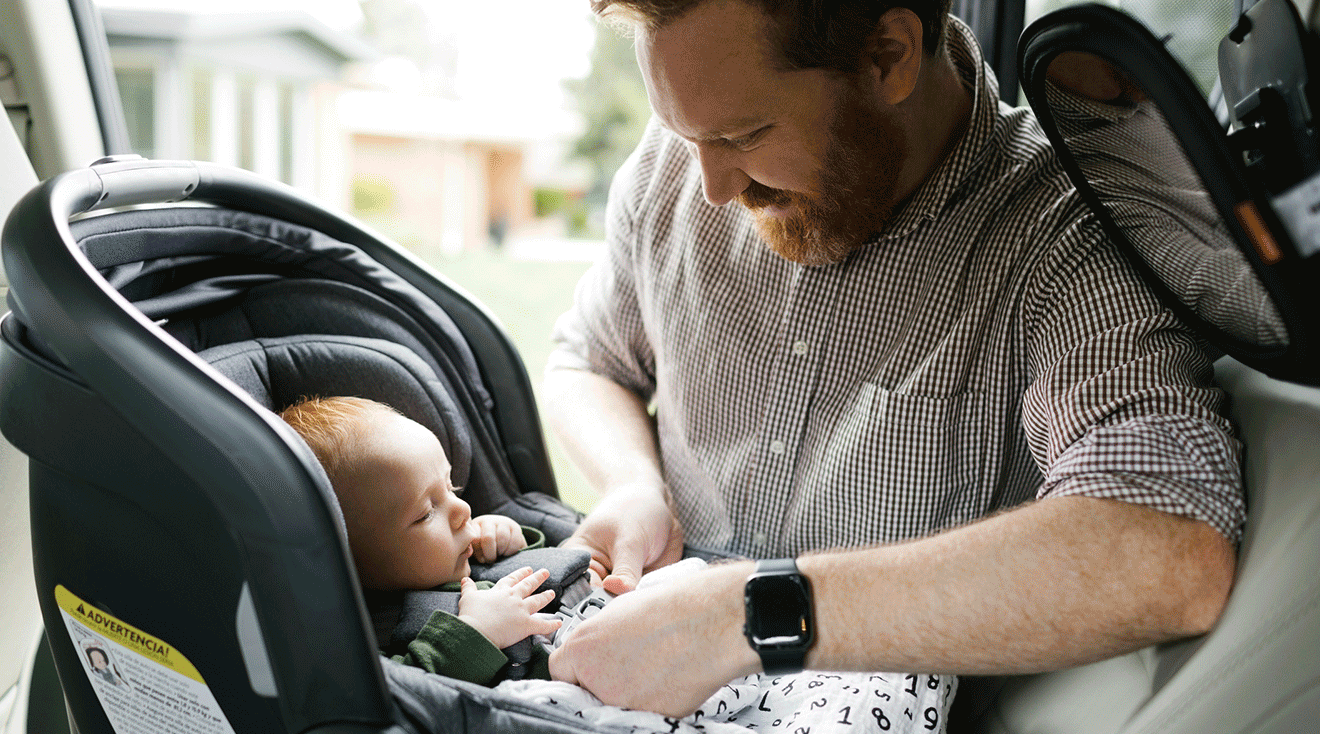
Begin by placing the car seat in the back seat of your vehicle. Use the LATCH system (Lower Anchors and Tethers for Children) or the vehicle’s seat belt to secure the car seat. Make sure it’s tightly fastened with minimal movement—less than an inch when pushed from side to side. Consider your car’s manual and the car seat instructions. They often provide valuable tips tailored to your specific model. Double-check if the base is level. Some car seats come with a built-in level indicator.Harness Adjustment
Adjust the harness to fit snugly over your baby’s shoulders. The straps should lie flat without any twists. Ensure they sit at or above your child’s shoulders in a forward-facing position. The chest clip should be at armpit level. This positioning ensures the harness stays properly aligned. A simple pinch test can confirm the fit—if you can pinch excess strap material, it’s too loose. Remember, a well-installed car seat can make all the difference in an emergency. Have you ever thought about having a certified technician check your work? It’s a small step that offers peace of mind.
Credit: incarsafetycentre.co.uk
Common Mistakes To Avoid
Understanding when your baby can face forward in a car seat is crucial, but many parents make avoidable mistakes that compromise safety. These errors often arise from eagerness to move on or misunderstanding harness settings. Recognizing these common pitfalls helps you keep your child secure during every ride.
Premature Transition
Switching your baby to a forward-facing car seat too early can increase the risk of injury. Experts recommend keeping your child rear-facing until at least 2 years old or until they reach the car seat’s height and weight limits. Rushing this step because your toddler seems uncomfortable might feel natural, but safety must come first.
Think about this: have you noticed other parents turning their kids forward before the recommended age? It’s tempting to follow the crowd, but every child’s growth and readiness differ. Waiting longer provides better protection for your baby’s head, neck, and spine during sudden stops or crashes.
Incorrect Harness Use
Even if you use the right car seat orientation, improper harnessing can reduce its effectiveness. The harness should be snug and positioned at or below your baby’s shoulders when rear-facing, and at or above when forward-facing. Loose straps or a harness placed too high or low can allow excessive movement.
Parents sometimes skip tightening the harness fully, thinking the baby needs room to move. However, this can lead to dangerous situations where the child slips out or the force of impact causes injury. Double-check the fit every trip, and don’t hesitate to adjust as your baby grows.
Additional Safety Recommendations
Ensuring your baby’s car seat is safe goes beyond just knowing when to face them forward. There are extra steps you can take to boost their protection on every ride. Paying attention to these additional safety tips can make a big difference in keeping your child secure.
Regular Seat Checks
Car seats can shift or loosen over time, especially with frequent use. It’s important to check your baby’s seat every time before you start driving. Make sure the harness fits snugly and the seat is firmly installed according to the manufacturer’s instructions.
Look out for any wear or damage to the seat belts and buckles. Even small cracks or frayed straps can reduce safety. Have a routine—maybe once a week—to inspect your car seat thoroughly. This habit can prevent problems before they happen.
Using Booster Seats Later
After your child outgrows their forward-facing car seat, a booster seat is the next step. Booster seats help position the vehicle’s seat belt properly on your child’s body. Using one too early or too late can affect how well the seat belt works.
Pay attention to your child’s height and weight, not just age. Many kids need a booster until they reach about 4 feet 9 inches tall. Think about whether your child sits comfortably with the seat belt across the chest and lap before making the switch.
Have you ever wondered if your child’s seat belt fits just right? Taking time to adjust and choose the right booster can improve their safety dramatically. It’s worth double-checking before every ride.

Credit: orbitbaby.com
Frequently Asked Questions
At What Age Can Baby Face Forward In Car Seat?
Babies can face forward in a car seat after they are at least 2 years old. They should also meet the seat’s height and weight limits to ensure safety.
Why Is Rear-facing Recommended For Infants?
Rear-facing seats protect a baby’s head, neck, and spine better during crashes. This position absorbs impact forces more effectively than forward-facing seats.
When Can Toddlers Switch To Forward-facing Seats?
Toddlers can switch after reaching the car seat’s rear-facing height or weight limits, usually around age 2. Always follow manufacturer guidelines and local laws.
Is It Safe To Face A Baby Forward Early?
Facing a baby forward before 2 years increases injury risk during collisions. Experts recommend keeping children rear-facing as long as possible for safety.
Conclusion
Babies should stay rear-facing as long as possible for safety. Most experts say to turn the car seat forward after the child reaches two years old and meets weight and height limits. Always check your car seat’s manual for exact rules.
Proper use of car seats helps protect your child during travel. Remember, safety is the top priority when deciding the right time. Keep your baby safe by following these guidelines closely.