
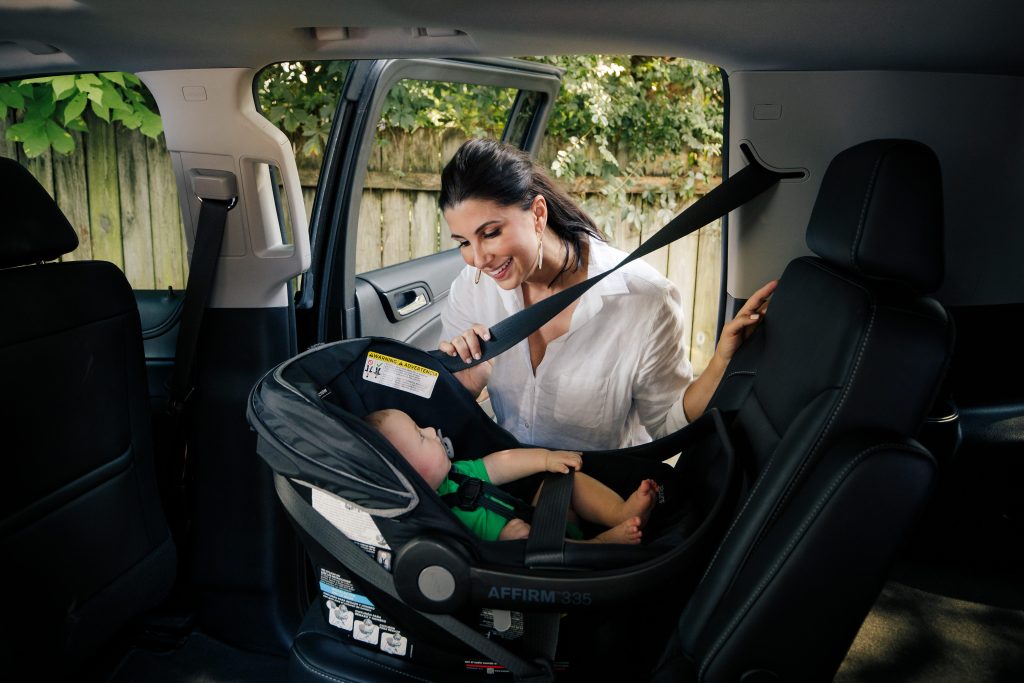
You want to keep your baby safe every time you hit the road. But when is the right time to turn your little one’s car seat to face forward?
It’s a question many parents and caregivers wonder about, and the answer isn’t always simple. Getting this timing right can make a big difference in your child’s safety. You’ll discover exactly what age your baby can safely face forward in their car seat—and why following this guideline matters more than you might think.
Keep reading to protect your child the best way possible.

Credit: www.2cleverinnovations.com
Recommended Age For Forward Facing
Choosing the right time to turn a baby’s car seat forward is important. It helps keep the baby safe during travel. Parents often ask about the best age to switch from rear-facing to forward-facing. The answer depends on safety guidelines and the child’s growth. Understanding these factors ensures the baby is protected while traveling in the car.
Guidelines By Safety Authorities
Many safety groups recommend keeping babies rear-facing as long as possible. The American Academy of Pediatrics suggests children remain rear-facing until at least 2 years old. Some experts advise waiting until the child reaches the car seat’s height or weight limit. Rear-facing seats better protect a child’s head, neck, and spine in a crash.
Different countries may have their own rules. Some require children to stay rear-facing until age 2 or 4. Checking local laws is important. Always follow the car seat manufacturer’s instructions. Safety authorities agree: rear-facing is safer for younger children.
Developmental Milestones To Consider
Growth plays a big role in deciding when to turn the seat forward. Babies need strong neck muscles to support their heads. They should be able to sit up well without help. This usually happens around 2 years old. Weight and height limits on the car seat must also be met.
Watch for signs like:
- Good head control
- Ability to sit upright
- Reaching the car seat’s weight or height limit
Ignoring these signs may increase injury risk in a crash. Every child grows differently. Always choose safety over age alone.
Risks Of Early Forward Facing
Switching babies to a forward-facing car seat too early can increase their risk of injury. Their neck and spine are still fragile and not ready for the forces in a crash. Rear-facing seats support their head, neck, and spine better during sudden stops or impacts. Moving forward-facing too soon puts them at greater danger in a collision.
Understanding these risks helps parents make safer choices for their children. Safety experts recommend keeping children rear-facing until at least age two or until they reach the car seat’s height or weight limit. This simple step can reduce serious injuries in crashes.
Injury Statistics
- Children under 2 in rear-facing seats have 75% fewer severe injuries.
- Forward-facing toddlers face higher risks of head and neck trauma.
- Crash tests show rear-facing seats distribute crash forces more evenly.
- Early forward-facing increases the chance of spinal injuries by over 40%.
Common Accident Scenarios
- Frontal crashes cause rapid forward movement, stressing an infant’s neck.
- Side impacts are more dangerous for forward-facing children due to less support.
- Sudden stops can throw a forward-facing child’s head forward violently.
- Rear-facing seats absorb crash forces through the back, reducing injury risk.
Car Seat Types And Features
Choosing the right car seat is important for your baby’s safety. Different types of car seats fit different ages and sizes. Knowing the features helps you pick the safest option. This section explains key car seat types and their features.
Rear-facing Vs. Forward-facing Seats
Rear-facing seats protect babies by supporting their head and neck. Experts recommend keeping babies rear-facing as long as possible. Forward-facing seats are for older toddlers who meet age and weight limits. The change depends on your child’s size, not just age.
Adjustable Harness And Weight Limits
Car seats have harnesses that secure your child safely. Adjustable harnesses grow with your baby and keep a snug fit. Weight limits show the safest range for each seat type. Always check these limits before changing how your child rides.
Credit: www.thebump.com
Transitioning To Forward Facing
Transitioning your baby to a forward-facing car seat is a significant milestone. It’s about balancing safety with comfort as your little one grows. Knowing when and how to make this change can help you keep your child secure on every trip.
Signs Your Baby Is Ready
Look for clear signs that your baby is ready to face forward. One key indicator is when your baby’s neck and head control become strong enough to sit upright without support. Typically, this happens after your baby reaches at least 2 years old, but age alone isn’t enough.
Check the weight and height limits of your rear-facing seat. If your child is approaching these limits, it’s time to consider the switch. Also, observe if your baby seems cramped or uncomfortable in the rear-facing position—this might mean they need more space.
Steps For Safe Transition
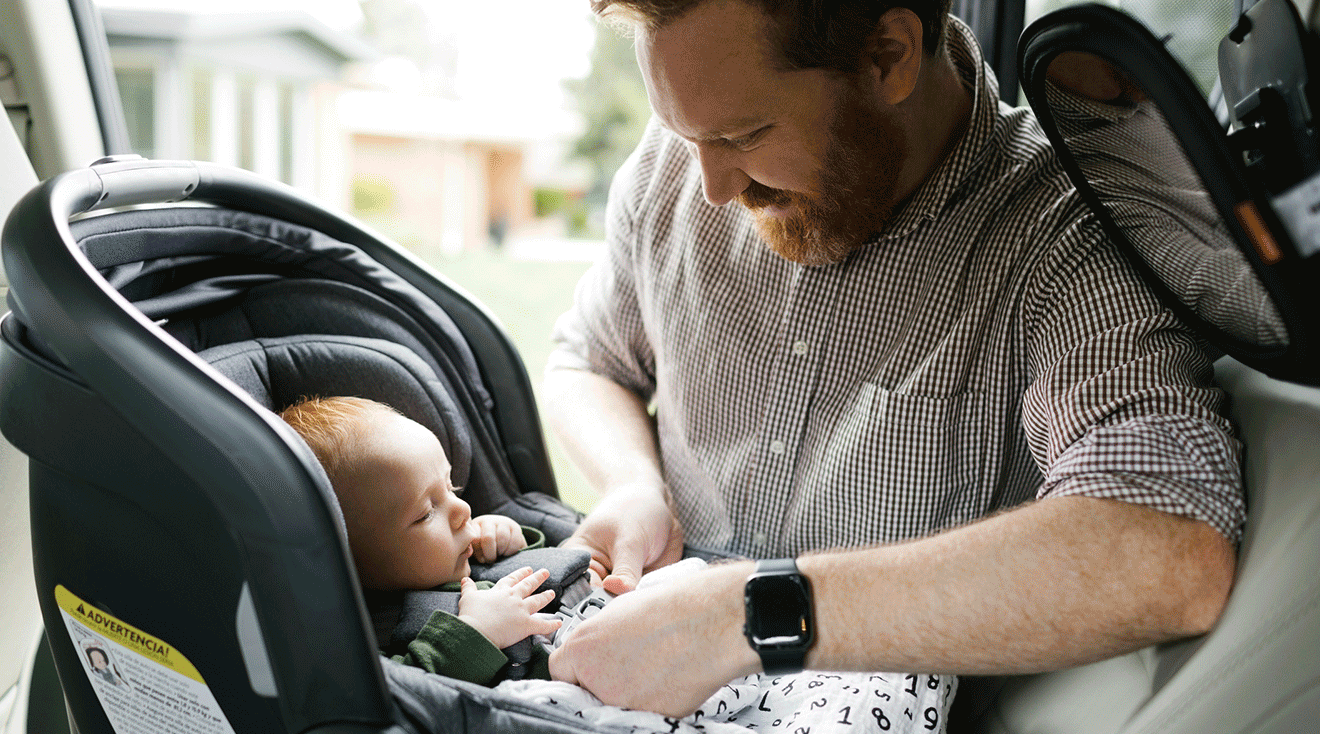
Start by reading the car seat manual carefully to understand the specific instructions for forward-facing installation. Every seat is different, and following the manufacturer’s guidelines is crucial for safety.
- Remove your baby gently from the rear-facing seat.
- Install the car seat in the forward-facing position using the correct seat belt or LATCH system.
- Adjust the harness straps so they sit at or above your child’s shoulders.
- Ensure the harness is snug, allowing no slack, and the chest clip is at armpit level.
After installation, take a moment to check the seat’s stability. Can you move it side to side or front to back more than an inch? If yes, tighten the installation. Lastly, always keep an eye on your child during rides to make sure they remain comfortable and properly secured.
Installation Tips For Forward-facing Seats
Parents often wonder when to switch babies to forward-facing car seats. Typically, it’s safe after age two. Always check the car seat’s weight and height limits to ensure your child’s safety.
Ensuring your child’s safety in the car is a top priority, especially when transitioning to a forward-facing seat. Proper installation is key to maximizing the safety features of the car seat. Even if it seems straightforward, the details matter—every strap, buckle, and angle plays a part in keeping your child secure. Let’s dive into some essential tips for installing a forward-facing seat correctly.Proper Seat Positioning
Positioning the car seat correctly is crucial. The seat should be installed in the back seat of your vehicle. Aim for the center position, as it is often the safest spot in case of a side collision. Make sure the car seat is flush against the vehicle seat back without any gaps. It’s also important to check the angle of the seat. Most forward-facing seats have an indicator or level to guide you. A seat that is too upright or too reclined can compromise safety, so adjust it until it’s just right.Using Tether And Seat Belts Correctly
The tether and seat belts are your best friends when it comes to securing the car seat. Always use the top tether strap, as it significantly reduces the seat’s forward movement in a crash. Attach it to the designated anchor point in your car. Double-check that it’s tight and not twisted. The seat belt or LATCH system should also be used according to the car seat’s instructions. Pull the seat belt tight, and use the lock-off if your car seat has one. This prevents the belt from loosening over time. A snug belt should not allow more than an inch of movement at the belt path. Remember, a car seat is only as safe as its installation. Have you double-checked your child’s seat today?Additional Safety Tips
Ensuring your baby’s safety in a car seat goes beyond just knowing the right age to face them forward. Regular care and attention to how the seat is used can make a huge difference in protecting your child during every trip. Let’s look at some additional safety tips that help keep your little one secure and comfortable.
Regular Seat Checks
Check your car seat frequently to make sure it’s installed correctly. Even a small shift in position can reduce its effectiveness in a crash. Pay close attention to the harness straps—they should be snug and lie flat against your baby’s body without twists.
Also, inspect the seat for any damage or wear and tear. Cracks, broken parts, or expired seats might not protect your child as they should. Have you ever tried tightening the straps only to find they were stuck? It’s worth practicing adjustments before every ride.
Avoiding Common Mistakes
Many parents switch their babies to forward-facing too early. The safest choice is to keep them rear-facing until they reach the car seat’s height or weight limit. Turning forward too soon can expose your baby to greater risk in a crash.
Another frequent error is improper harness positioning. The straps should be at or just above your baby’s shoulders for forward-facing seats. Failing to secure the chest clip at armpit level can also reduce the seat’s protective power.
Do you double-check if the seat is compatible with your vehicle? Not all car seats fit every car perfectly, and a loose seat increases danger. Taking time to read the manual and test the fit can save you from costly mistakes.
Legal Requirements By Region
Understanding the legal requirements for facing your baby forward in a car seat is crucial for safety and compliance. These laws vary widely depending on where you live, reflecting different safety standards and cultural practices. Knowing the rules in your region can help you make the best decision for your child’s protection and avoid penalties.
Laws In The Us
In the United States, car seat laws are set by individual states, so rules can differ significantly. Most states recommend keeping babies rear-facing until at least age 2 or until they reach the car seat’s height and weight limits.
Some states explicitly require rear-facing seats for children under 2. Others allow forward-facing earlier, but safety experts advise waiting as long as possible. Did you know that states like California and Florida have strict laws mandating rear-facing seats until age 2?
Check your state’s DMV website to see exact rules. Remember, following the law isn’t just about avoiding fines—it’s about maximizing your child’s safety in every ride.
International Regulations
Globally, regulations vary even more. Many European countries require children to remain rear-facing until age 4 or beyond. Sweden, for example, is famous for recommending rear-facing seats until age 4 or 5, significantly reducing injury risk.
In contrast, some countries in Asia and Africa may have less specific regulations or enforcement. This difference highlights how cultural norms and government policies shape child car safety.
Are you traveling abroad with your baby? Make sure to research local laws and consider using a rear-facing seat longer than legally required for better protection.

Credit: orbitbaby.com
Frequently Asked Questions
At What Age Can Babies Face Forward In Car Seats?
Babies can face forward at around 2 years old or when they exceed rear-facing limits. Always follow your car seat’s height and weight guidelines to ensure safety.
Why Is Rear-facing Recommended For Babies Under 2?
Rear-facing seats better protect a baby’s head, neck, and spine during crashes. Experts advise keeping children rear-facing until age 2 or longer for enhanced safety.
What Are The Risks Of Facing Forward Too Early?
Facing forward too early increases the risk of serious injury in crashes. Babies’ neck muscles and bones aren’t strong enough to handle forward impact before age 2.
How To Know When To Switch To Forward-facing?
Switch when your child meets or exceeds the rear-facing height or weight limit. Check your car seat manual for specific guidelines before changing positions.
Conclusion
Babies should stay rear-facing as long as possible. Most experts say at least until age two. This position keeps their head and neck safe. Once your child meets weight and height limits, you can turn them forward. Always follow your car seat’s instructions carefully.
Safety comes first on every ride. Check your local laws for specific rules too. Keeping your child secure helps prevent injuries. Trust your instincts and prioritize their well-being. Small steps today lead to safer journeys tomorrow.