

Are you a used car dealer looking to protect your valuable inventory and boost your business efficiency? A GPS tracking device could be the game-changer you need.
Imagine knowing the exact location of every vehicle on your lot at any time, preventing theft, and managing your fleet with ease. You’ll discover how a used car dealer GPS tracking device can save you money, reduce stress, and give you peace of mind.
Keep reading to find out why this small tool can make a big difference for your business.
Benefits Of Gps Tracking For Dealers
GPS tracking devices offer more than just location data for used car dealers. They bring multiple benefits that directly impact your bottom line and daily operations. Understanding how GPS tracking can enhance your dealership helps you make smarter decisions and stay ahead in a competitive market.
Enhancing Vehicle Security
GPS tracking adds a strong layer of security to your inventory. You can monitor each vehicle’s exact location in real time, which helps prevent theft and unauthorized use.
Imagine spotting a car moving outside business hours—immediate alerts let you act fast. This kind of control reduces risk and can lower your insurance costs.
Improving Inventory Management
Keeping track of dozens or hundreds of vehicles is tough without the right tools. GPS tracking simplifies this by giving you clear data on where every car is parked or being test-driven.
You can quickly identify which cars are sitting too long and need a sales push. This insight helps you rotate stock efficiently and optimize lot space.
Streamlining Sales Processes
GPS tracking supports your sales team by providing accurate information about vehicle availability and location. This means fewer delays when showing cars to potential buyers.
Quick access to vehicle whereabouts speeds up test drives and improves customer experience. What if your sales team could close deals faster just because they know exactly where each car is?
Key Features Of Gps Tracking Devices
GPS tracking devices offer several important features that help used car dealers manage their vehicles. These features improve security, streamline operations, and save time. Understanding these key features helps dealers choose the right device for their needs.
Real-time Location Monitoring
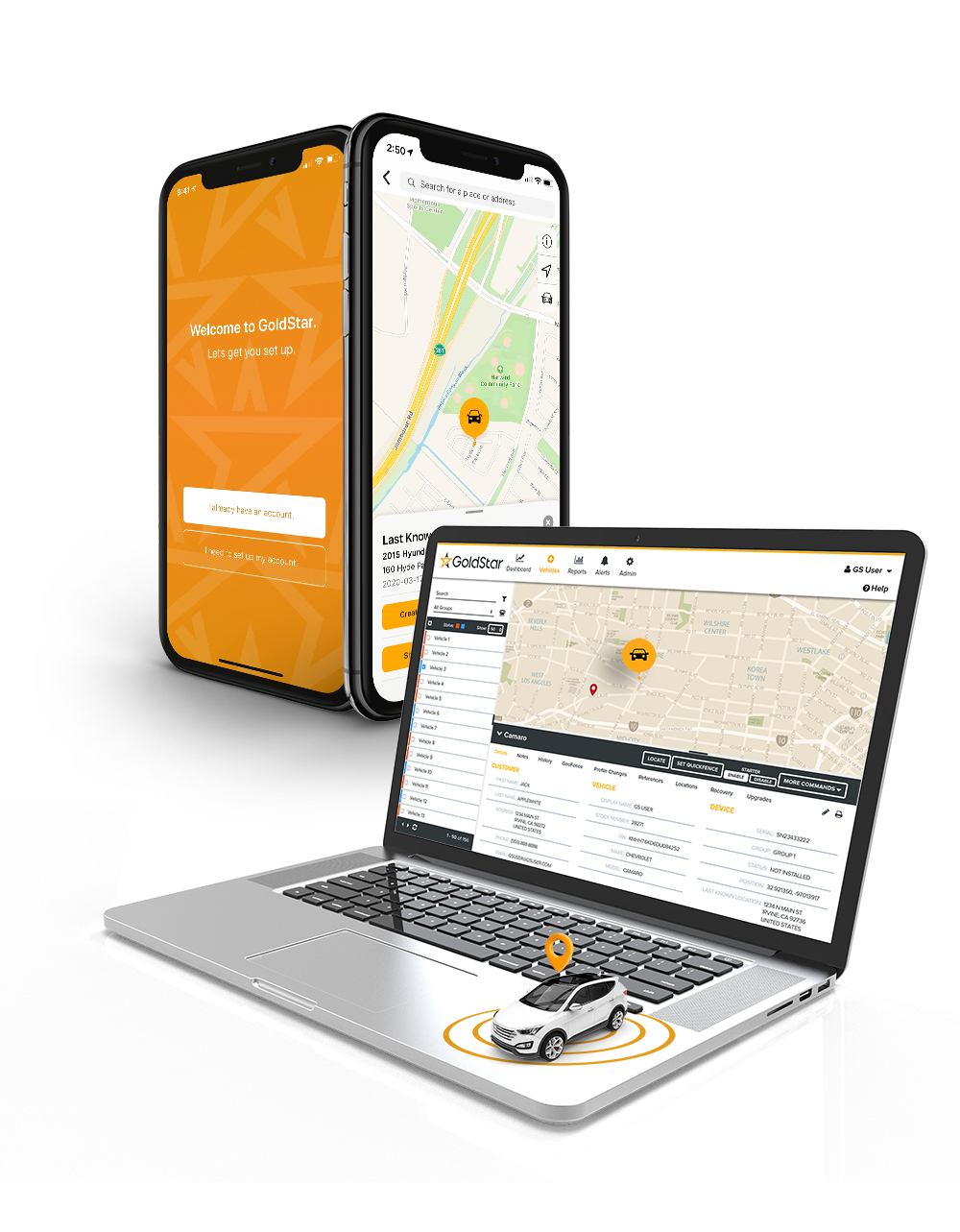
This feature shows the exact location of each vehicle on a map. Dealers can track cars anytime and anywhere using a smartphone or computer. It helps prevent theft and allows quick recovery if a car goes missing. Real-time updates keep dealers informed about vehicle movements at all times.
Geofencing Alerts
Geofencing creates virtual boundaries around specific areas. When a vehicle enters or leaves these zones, the system sends instant alerts. This feature helps dealers monitor test drives and employee use. It ensures cars stay within authorized locations and improves overall security.
Maintenance And Diagnostics Tracking
GPS devices can track vehicle health and maintenance needs. They monitor engine status, fuel levels, and mileage. Dealers receive notifications for scheduled services or any issues detected. This keeps cars in good condition and reduces unexpected breakdowns.
Choosing The Right Gps Device
Choosing the right GPS tracking device for your used car dealership is crucial for managing your inventory effectively and ensuring vehicle security. The perfect device should match your specific needs without adding complexity or unnecessary costs. Before making a choice, consider how the device fits with your fleet, its power options, and how easy it is to use.
Compatibility With Vehicle Types
Not every GPS tracker works with all vehicle types. Some devices are built specifically for cars, while others might be better suited for trucks or motorcycles.
Check if the tracker supports the vehicles in your inventory. For example, a tracker designed for larger vehicles might not fit well in compact cars, causing installation issues.
Ask yourself: Does the device come with adaptable mounting options? Can it handle different electrical systems? These questions help avoid compatibility problems down the road.
Battery Life And Power Options
Battery life is a top priority for GPS trackers. A device that dies quickly will leave you with blind spots in tracking and extra maintenance work.
Look for trackers with long-lasting batteries or those that can connect directly to the vehicle’s power supply. Some models offer both options for extra flexibility.
Consider how often you want to recharge or replace batteries. If your fleet is large, a device with a longer battery life can save you time and hassle.
User-friendly Software Interface
A GPS tracker is only as good as its software. If the interface is confusing, you might struggle to get the data you need quickly.
Choose devices with clear dashboards and straightforward controls. Features like real-time tracking, alerts, and easy report generation should be accessible without a steep learning curve.
Think about who will use the system daily. Will your team need training, or can they get started right away? User-friendly software reduces errors and boosts productivity.

Credit: www.youtube.com
Installation And Setup Tips
Installing a GPS tracking device in your used car dealership can be a game-changer. However, the installation and setup require thoughtful consideration to ensure the device works efficiently. From choosing between professional installation and DIY to integrating with existing systems, and ensuring optimal signal reception, every step is crucial. Let’s dive into some practical tips that can help you navigate this process smoothly.
Professional Vs. Diy Installation
Deciding whether to opt for professional installation or to do it yourself is important. Professional installation offers the assurance of expertise, reducing the risk of errors. You won’t have to worry about technical details, as experts handle everything. On the flip side, DIY installation can save costs and give you more control over the process. It’s a feasible option if you’re tech-savvy and enjoy hands-on tasks. Consider your comfort level with technology before making a choice. Would you prefer the peace of mind that comes with professional help, or the satisfaction of doing it yourself?
Integrating With Existing Systems
Integrating your GPS tracking device with existing systems can streamline operations. Ensure compatibility with your current software to avoid potential hiccups. Many devices offer user-friendly interfaces that easily sync with popular dealership management systems. This integration can enhance efficiency, providing seamless tracking and data management. Check the manufacturer’s guidelines and perhaps consult with your IT team for a smooth integration process. Could this integration be the key to unlocking better business insights?
Ensuring Optimal Signal Reception
Signal reception is critical for accurate tracking. Position the GPS device where it can receive signals without obstruction. Avoid areas shielded by metal or heavy materials, as they can interfere with the device’s performance. Regularly check signal strength to ensure the device is functioning correctly. If you’re experiencing issues, consider repositioning the device or consulting with the manufacturer. Have you ever thought about how the device’s placement can impact its efficiency?
Boosting Sales With Gps Data
Used car dealers can increase sales by using GPS tracking data effectively. This data provides clear insights into vehicle movements and customer behavior. Dealers gain a better understanding of test drive patterns, vehicle popularity, and customer confidence. These insights help tailor sales strategies and improve customer service. As a result, sales grow steadily with informed decisions.
Tracking Customer Test Drives
GPS devices record every test drive route and duration. Dealers see which cars get more attention from buyers. They identify popular test drive areas and adjust their sales approach. Data helps spot test drives that lead to sales. This allows better follow-up with interested customers. Tracking test drives ensures no opportunity is missed.
Analyzing Vehicle Demand Patterns
GPS data shows which vehicles move more often on the lot. Dealers learn which car models attract more interest. This insight helps manage stock by focusing on high-demand vehicles. It also reveals slow-moving cars that need special offers. Understanding demand patterns guides smart pricing and promotions. This keeps inventory fresh and appealing.
Enhancing Customer Trust
GPS tracking adds transparency to the buying process. Customers feel safer knowing dealers monitor vehicle locations. Test drive routes tracked by GPS prove fair usage. This builds confidence and trust in the dealer. Trust leads to positive reviews and repeat business. Clear GPS data supports honest and open sales practices.
Security Measures Beyond Gps
Used car dealers rely on GPS tracking devices for vehicle security. These devices help track cars in real time. Still, security must extend beyond GPS for full protection. Extra measures reduce theft risks and improve safety. Combining different tools creates a stronger defense against crime.
Alarm Systems And Immobilizers
Alarm systems alert staff and neighbors during unauthorized access. Loud sounds scare off potential thieves quickly. Immobilizers stop the car engine from starting without a key. This prevents hot-wiring and unauthorized driving. Together, alarms and immobilizers act as strong deterrents.
Surveillance Cameras
Cameras monitor the dealership area all day and night. They record any suspicious activity around vehicles and buildings. High-quality footage helps identify intruders and supports police investigations. Visible cameras also discourage theft and vandalism. Many dealers use cameras with remote viewing features.
Employee Training And Policies
Well-trained employees understand security risks and how to respond. Staff learn to spot unusual behavior and report it immediately. Clear policies guide handling keys, test drives, and vehicle access. Regular training keeps security top of mind for everyone. Trusted employees form an important part of dealership security.
Cost Considerations And Roi
Choosing the right GPS tracking device for a used car dealership involves understanding the costs and the value it brings. Careful cost analysis helps make smart spending decisions. Evaluating expenses alongside benefits shows if the investment pays off.
Initial Investment Breakdown
Buying GPS devices includes the hardware cost. Prices vary based on features and brand. Installation fees may apply if professional setup is needed. Some devices come with extra accessories like mounting kits or batteries.
Dealers should compare different models to find the best fit. Budgeting for multiple units is important for large fleets. A clear view of upfront costs avoids surprises.
Ongoing Subscription Fees
Most GPS systems require monthly or yearly subscription fees. These cover data services, software updates, and customer support. Fees depend on the provider and the plan chosen.
Subscriptions may include benefits like real-time tracking, alerts, and detailed reports. Some companies offer discounts for long-term contracts. Keep subscription costs in mind when planning the budget.
Measuring Return On Investment
ROI measures the value gained from the GPS system compared to its cost. Savings from reduced theft, lower insurance premiums, and better fleet management add up. Improved customer service and faster vehicle recovery also boost profits.
Track key metrics such as fuel efficiency, vehicle usage, and maintenance costs. Regularly review these numbers to assess if the GPS system meets business goals. A positive ROI justifies the investment and supports future upgrades.

Credit: www.amazon.com
Future Trends In Dealer Gps Technology
The future of GPS technology for used car dealers looks promising. Innovations aim to make tracking more precise and user-friendly. These trends will help dealers manage their inventory better and increase customer satisfaction.
Integration With Ai And Analytics
Artificial intelligence will analyze GPS data for smarter decisions. Dealers can predict vehicle demand and optimize routes. AI helps detect unusual activity, improving security. Analytics offer clear insights into vehicle usage patterns. This makes fleet management efficient and cost-effective.
Advancements In Tracking Accuracy
New GPS devices will provide location updates more frequently. Enhanced accuracy will reduce errors in vehicle positioning. Dealers can track cars in real-time with minimal delay. This helps prevent theft and improves inventory control. Improved tracking also supports maintenance scheduling based on actual use.
Mobile App Enhancements
Mobile apps will become more intuitive and feature-rich. Dealers can access tracking data anytime, anywhere. Apps will offer instant alerts for important events. Integration with other tools will streamline daily operations. User-friendly interfaces will simplify vehicle management tasks.
Credit: www.spireon.com
Frequently Asked Questions
What Are The Benefits Of Gps Tracking For Used Car Dealers?
GPS tracking helps used car dealers monitor vehicle locations in real-time. It improves inventory management, reduces theft risk, and enhances customer service by providing accurate delivery times.
How Does A Gps Tracking Device Work For Used Cars?
A GPS tracking device uses satellite signals to determine a vehicle’s exact location. It sends this data to a central system accessible by the dealer for monitoring and management.
Can Gps Tracking Improve Used Car Dealership Security?
Yes, GPS tracking increases security by enabling instant location tracking. It helps recover stolen vehicles quickly and deters theft with real-time alerts and geofencing features.
Is Gps Tracking Cost-effective For Used Car Dealerships?
GPS tracking is cost-effective by reducing losses from theft and improving operational efficiency. It saves money through better fleet management and lower insurance premiums.
Conclusion
Used car dealer GPS tracking devices help keep vehicles safe and secure. They provide real-time location updates and prevent theft. Dealers can manage their inventory easily and save time. These devices also build trust with customers by ensuring transparency. Choosing the right GPS tracker is important for best results.
It’s a smart step for any used car dealer. Stay ahead with reliable tracking and protect your business. Simple tools, big benefits.