
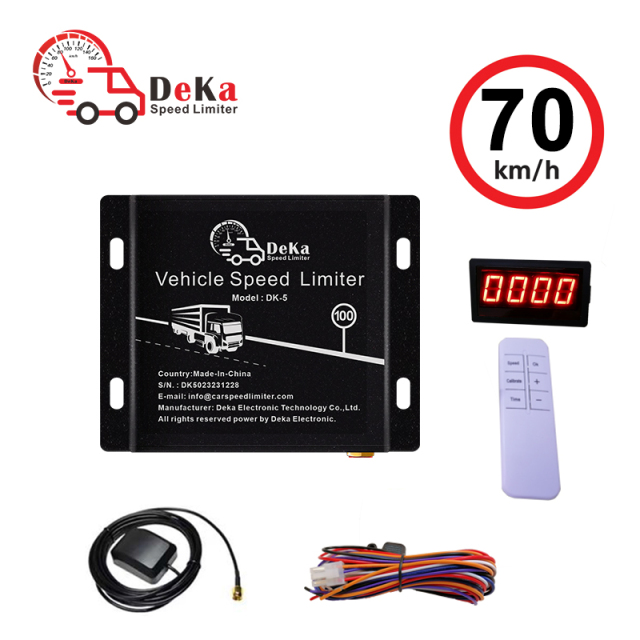
Have you ever wished your car could keep you safe by controlling how fast you drive? A speed limiting device for your car does exactly that—it sets a cap on your speed, helping you avoid accidents and stay within legal limits.
Imagine the peace of mind knowing your vehicle won’t let you speed, no matter the temptation. You’ll discover how this simple device can protect you, save money on fines, and even improve your driving habits. Keep reading to find out why a speed limiting device might be the smart upgrade your car needs.
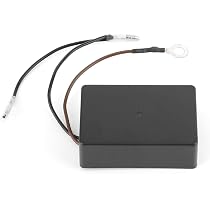
Credit: www.amazon.ca
Benefits Of Speed Limiting Devices
Speed limiting devices offer more than just controlling how fast your car can go. They bring real advantages that affect safety, costs, and the overall driving experience. Understanding these benefits can help you decide if installing one suits your needs.
Reducing Accident Risks
Speed limiting devices help keep your vehicle within safe speed limits, reducing the chance of losing control. Slower speeds mean shorter stopping distances and more reaction time, which lowers the risk of crashes.
Imagine driving through a busy city without worrying about accidentally speeding. This technology keeps you focused on the road, reducing stress and potential mistakes.
Improving Fuel Efficiency
Driving at consistent, moderate speeds saves fuel by preventing sudden accelerations and harsh braking. Speed limiting devices encourage smoother driving habits that can cut down your fuel consumption.
Lower fuel use means fewer stops at the pump and less money spent overall. Have you noticed how your car uses more gas when you speed up quickly? Limiting speed helps avoid that waste.
Lowering Vehicle Wear And Tear
Maintaining controlled speeds reduces strain on your car’s engine, brakes, and tires. This means fewer repairs and longer-lasting parts, which save you money and downtime.
Think about how often you need to replace brake pads after aggressive driving. A speed limiter helps prevent that by keeping your driving smooth and steady.
Types Of Speed Limiting Devices
Speed limiting devices come in different forms, each designed to control how fast your car can go. Understanding the types available can help you decide which fits your needs best. Whether you’re managing a fleet or just want safer driving habits, knowing these options is key.
Mechanical Limiters
Mechanical limiters physically restrict the engine’s ability to reach higher speeds. They work by adjusting parts like the throttle or fuel supply to cap the maximum speed. These devices are simple and reliable but may require professional installation and tuning.
Think about older vehicles you’ve driven with a noticeable speed cap. That’s likely a mechanical limiter in action. They don’t rely on electronics, so they’re less prone to malfunctions but can be harder to adjust once installed.
Electronic Speed Governors
Electronic speed governors use sensors and microprocessors to control your car’s speed. They monitor engine parameters and intervene by limiting fuel injection or ignition timing to prevent exceeding set speeds.
Many modern vehicles come with these built-in or available as aftermarket options. They offer more precision than mechanical limiters and can be programmed remotely, which is handy for fleet management. Have you ever noticed your car “pushing back” when you try to speed? That’s probably an electronic governor at work.
Gps-based Speed Limiters
GPS-based speed limiters adjust your vehicle’s speed based on real-time location data. They compare your current speed with local speed limits and reduce engine power if you exceed them.
This technology shines in urban areas with varying speed zones. It helps drivers stay compliant without constant attention to speedometer changes. Imagine driving through a school zone and your car automatically slows down—this is how GPS-based limiters can protect both you and pedestrians.
Installation And Compatibility
Installing a speed limiting device in your car offers safety and compliance. Ensuring compatibility during installation is crucial for optimal performance. Understanding which vehicles suit these devices and exploring installation methods can help you make informed decisions.
Vehicles Suitable For Devices
Speed limiting devices are compatible with most modern cars. They integrate well with vehicles having electronic throttle control. Older models might require additional adjustments. Trucks and buses often come equipped with these devices. It’s important to check with manufacturers for specific compatibility details. Ensuring your vehicle supports these devices can prevent installation issues.
Professional Vs Diy Installation
Professional installation guarantees precise setup and calibration. Experts have tools and experience for efficient installation. DIY installation can be cost-effective. It requires technical knowledge and a proper understanding of the vehicle’s systems. Mistakes during DIY installation could lead to performance issues. Weighing these options is essential to choose the best method for you.
Cost Factors
Installation costs vary based on the vehicle type and device complexity. Professional services may charge higher fees due to expertise. DIY installation can reduce costs but may require purchasing tools. Device prices differ based on features and brand. Additional expenses could include maintenance and potential upgrades. Understanding these factors helps plan your budget effectively.

Credit: www.ecoportal.net
Legal And Regulatory Aspects
Speed limiting devices play a crucial role in road safety. They help control vehicle speed and reduce accidents. Governments have introduced laws and regulations to manage their use. Understanding these legal aspects is important for all drivers and vehicle owners.
Laws Governing Speed Limiters
Many countries require speed limiters on certain vehicles. These laws set maximum speed limits for trucks and buses. The limits vary by vehicle type and region. Manufacturers must install approved devices. Authorities conduct inspections to ensure compliance. Breaking these rules can lead to fines and penalties.
Insurance Benefits
Using speed limiters can lower insurance costs. Insurers see these devices as risk reducers. Vehicles with limiters have fewer accidents and claims. Drivers may get discounts or better terms. Insurance companies often require proof of limiter installation. This encourages safer driving habits on the road.
Compliance For Commercial Vehicles
Commercial vehicles face strict regulations on speed limiting. Transport companies must follow national and local rules. Regular checks ensure devices function correctly. Non-compliance can cause legal trouble and business delays. Proper use of speed limiters improves road safety for all users. It also protects the company’s reputation and reduces liability.
Impact On Driving Experience
The impact of a speed limiting device on the driving experience is significant. It changes how drivers interact with their vehicles and the road. Drivers must adapt to new controls and altered vehicle behavior. This adjustment affects safety, comfort, and confidence behind the wheel.
Driver Control And Awareness
Speed limiting devices help drivers maintain safe speeds. They reduce the chance of speeding unintentionally. Drivers become more aware of their speed and surroundings. This awareness encourages safer driving habits. It also reduces stress by removing the need to constantly check speed.
Handling And Performance Changes
These devices can affect how a car accelerates. The vehicle may feel less responsive at higher speeds. Drivers notice smoother acceleration and deceleration. This change can improve fuel efficiency. However, it might require time to get used to the new feel.
Adjusting To Speed Limits
Drivers learn to anticipate speed limits more carefully. They adjust their driving to avoid triggering the limiter. This leads to more consistent speeds and smoother traffic flow. Over time, drivers develop better control without relying on the device. It creates a safer and more relaxed driving experience.
Future Trends In Speed Limiting Technology
The future of speed limiting devices in cars is moving beyond simple caps on speed. Advances in technology promise smarter, more adaptive systems that work seamlessly with other vehicle features. These improvements aim to enhance safety without compromising the driving experience.
Integration With Autonomous Systems
Speed limiting devices are increasingly being designed to work with autonomous driving systems. This integration allows the car to automatically adjust speed based on traffic conditions, road type, and legal limits. Imagine your car slowing down smoothly when approaching a busy intersection without any input from you.
Such coordination reduces the risk of speeding-related accidents and supports safer self-driving behavior. Have you thought about how much easier your drives would be if your car managed speed and navigation together?
Smart Speed Limit Adaptation
Future speed limiters will adapt dynamically to changing road conditions. They will use real-time data, such as weather, traffic density, and road work zones, to adjust speed limits instantly. This means your car could automatically slow down during heavy rain or speed up safely when roads clear.
This smart approach ensures you never unintentionally break speed limits due to unexpected changes. How would you feel knowing your car is always tuned to the safest and most legal speed?
Connected Vehicle Technologies
Vehicles will soon communicate with each other and surrounding infrastructure to improve speed management. Connected car technology enables sharing of speed limit updates, traffic alerts, and hazard warnings in real time. This networked environment helps your speed limiter react more accurately to the road ahead.
For example, if a vehicle ahead suddenly brakes, your system can reduce speed immediately, even before you notice. Could this level of connectivity be the key to reducing traffic accidents caused by sudden speed changes?

Credit: www.alibaba.com
Frequently Asked Questions
What Is A Speed Limiting Device For Cars?
A speed limiting device restricts a vehicle’s maximum speed for safety. It helps prevent accidents by controlling speed limits set by manufacturers or authorities.
How Does A Speed Limiting Device Work In Cars?
The device monitors the car’s speed using sensors. It limits engine power or fuel supply when reaching the preset speed, ensuring the car doesn’t exceed safe limits.
Are Speed Limiting Devices Mandatory For All Cars?
Requirements vary by country and vehicle type. Some regions mandate them for commercial or public transport vehicles to enhance road safety and reduce speeding risks.
Can Speed Limiting Devices Improve Fuel Efficiency?
Yes, by preventing excessive speeding, these devices help maintain optimal fuel consumption. Controlled speed reduces engine strain, promoting better fuel economy and lowering emissions.
Conclusion
Speed limiting devices help keep cars safe on the road. They reduce the risk of accidents caused by high speeds. Drivers can stay within legal limits easily. These devices also save fuel and lower maintenance costs. Installing one can protect both drivers and others nearby.
Choosing the right device depends on your car and needs. Always follow local laws when using speed limiters. Safer driving starts with smart choices. Consider a speed limiting device for a safer drive today.