
Have you ever wondered what happens when your car insurance company starts tracking your every move? Using tracking devices might sound like a smart way to save money on your premiums, but it comes with risks you need to know about.
These small gadgets collect more than just driving habits—they can impact your privacy, your wallet, and even your freedom on the road. Before you agree to install one, it’s crucial to understand what you’re really signing up for. Keep reading to uncover the hidden dangers of car insurance tracking devices and how they could affect you.

Credit: oraclelawfirm.com
How Tracking Devices Work
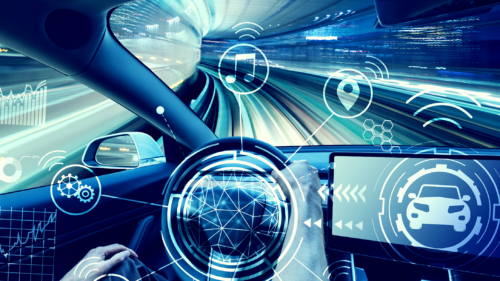
Car insurance tracking devices monitor driving habits and vehicle use. These small gadgets connect to a car’s system or plug into the OBD-II port. They gather real-time information and send it to insurance companies. This data helps insurers adjust premiums based on driving behavior. Understanding how these devices work reveals the risks involved.
Technology Behind Trackers
Most trackers use GPS to record vehicle location and speed. They often include accelerometers to detect sudden stops or sharp turns. Some devices connect via cellular networks to send data instantly. Others store information to upload later. Integration with a vehicle’s onboard computer allows access to engine data. This technology provides detailed insights into driving patterns.
Data Collected From Vehicles
- Speed and acceleration
- Driving time and distance
- Location and routes taken
- Braking habits
- Engine performance and diagnostics
Insurance companies analyze this data to assess risk. The collected information may reveal personal habits and daily routines. This raises concerns about privacy and data security for drivers.
Privacy Concerns
Using car insurance tracking devices can feel like a smart way to save money, but have you thought about what happens to your privacy? These devices collect a lot of information about your driving habits and locations. This data, if not handled carefully, can expose you to risks you might not expect.
Personal Data Exposure
Every mile you drive is recorded. Your speed, routes, and even the times you are on the road get tracked.
This detailed data paints a clear picture of your daily life. It can reveal where you live, work, and spend your free time.
Imagine if this information falls into the wrong hands. Could it be used to target you for scams or even burglaries when you’re not home?
Potential For Unauthorized Access
Many tracking devices connect to the internet or your insurer’s servers. This connection creates a door for hackers.
If the system isn’t secure, unauthorized people might access your driving data. Worse, they could manipulate it or use it for identity theft.
Have you checked how well your insurer protects your data? Asking these questions is crucial before you agree to use a tracking device.
Impact On Driving Behavior
Car insurance tracking devices, also known as telematics, offer benefits like discounts for safe driving. Yet, they can significantly impact driving behavior, often in unintended ways. While these devices aim to promote safer driving habits, they can also lead to stress and anxiety. Drivers may feel pressured to change their natural driving style, which can create a tense driving experience.
Pressure To Drive Differently
Tracking devices monitor various aspects of driving, such as speed and braking. Knowing this, drivers might feel compelled to alter their driving habits. They may drive slower or brake more gently, even in situations where a quick response is needed. This pressure can compromise safety, as drivers focus more on device feedback than road conditions.
The constant data monitoring can lead to a forced driving style. Instead of reacting naturally to traffic, drivers might overthink each action. This can result in hesitation or over-cautious behavior, affecting overall road safety.
Stress And Anxiety Effects
Being monitored can increase stress levels, especially for those not used to scrutiny. The fear of penalties or losing discounts can weigh heavily. Drivers might feel anxious about every move, fearing it could impact their insurance premiums.
This anxiety can distract drivers, reducing concentration on the road. Stress can lead to fatigue, which further affects driving performance. Instead of focusing on the journey, drivers worry about their driving score, which can lead to unsafe driving conditions.
Credit: www.holmesmurphy.com
Financial Implications
Using car insurance tracking devices can impact your finances in unexpected ways. These devices may seem like a good tool for saving money on premiums. Yet, they can come with extra costs and changes to your insurance rates. Understanding these financial implications helps you make smarter decisions.
Hidden Fees And Charges
Some insurance companies charge fees for installing or maintaining tracking devices. These costs might not be clear when signing up. Monthly service fees can add up over time. Sometimes, there are penalties for disconnecting or tampering with the device. These hidden expenses reduce any savings on your insurance.
Effect On Insurance Premiums
Tracking devices can change how insurers calculate your premiums. Safe driving might lower your costs. But risky behavior tracked by the device may increase premiums instead. Rates can fluctuate based on data collected, which may not always be fair. Insurers might raise prices due to frequent driving or other factors the device records.
Security Risks
Car insurance tracking devices collect data about driving habits and locations. This data is sensitive and valuable. Security risks arise when these devices do not protect information properly. Hackers and cybercriminals may target these devices to steal or misuse data. Understanding these risks helps drivers stay cautious.
Vulnerability To Hacking
Tracking devices connect to the internet or mobile networks. This connection makes them open to hacking attempts. Hackers can exploit weak security settings or outdated software. They may gain control of the device or access personal data. Such breaches can lead to identity theft or stalking.
Many devices lack strong encryption or security updates. This makes them easy targets for cyber attacks. Hackers may also use malware to damage or disable the device. Drivers must be aware of these vulnerabilities.
Risks Of Data Breaches
Data breaches expose sensitive driver information to unauthorized parties. This includes location history, driving habits, and personal details. Insurance companies or third parties storing this data can be hacked. Breaches can lead to misuse of information for fraud or scams.
Once data is leaked, it is difficult to control its spread. Drivers may face privacy invasion or financial loss. Secure data handling and strong privacy policies are crucial. Consumers should question how their data is protected.

Credit: oraclelawfirm.com
Legal And Ethical Issues
Using car insurance tracking devices brings up serious legal and ethical questions. These tools collect detailed data about your driving habits, which can affect your privacy and rights. Understanding these issues helps you make smarter decisions about whether to use such technology.
Consent And Disclosure
Have you ever wondered how much control you really have over your data? Insurance companies must get clear consent before installing tracking devices in your car. Without your explicit permission, collecting driving data could violate privacy laws.
Even when you agree, companies need to explain exactly what data they collect and how they use it. You deserve transparency to know if your information is shared with third parties or used to adjust your premiums. If these details aren’t clearly disclosed, you might be giving away more than you realize.
Regulatory Challenges
Regulations around car insurance tracking devices are still catching up with technology. Different states and countries have varying laws on data protection and usage, causing confusion for drivers like you. This patchwork of rules can leave your rights unclear.
Insurance firms sometimes operate in gray areas, taking advantage of weak enforcement or vague guidelines. This raises the question: who is really watching over your data? Without stronger regulations, you risk unexpected consequences, like unfair premium hikes based on incomplete or misinterpreted data.
Alternatives To Tracking Devices
Car insurance tracking devices may raise privacy concerns for many drivers. Fortunately, there are other ways to reduce insurance costs without compromising personal data. These alternatives focus on safe driving habits and smart choices.
Other Ways To Lower Insurance Costs
- Maintain a clean driving record to avoid penalties.
- Take defensive driving courses to qualify for discounts.
- Choose a higher deductible to reduce monthly premiums.
- Drive less by carpooling or using public transport.
- Compare quotes from different insurance companies regularly.
- Bundle insurance policies like home and auto for savings.
- Install approved safety devices such as anti-theft alarms.
Balancing Safety And Privacy
Insurance companies want to reward safe drivers. Tracking devices provide data but may invade privacy. Using alternative methods lets you keep control over your information.
Focus on habits that improve safety without sharing location. Regular vehicle maintenance also reduces accident risks. Prioritize choices that protect both your wallet and privacy.
Frequently Asked Questions
What Are The Privacy Risks Of Car Insurance Tracking Devices?
Car insurance tracking devices collect detailed driving data, risking unauthorized access. This can lead to privacy breaches and misuse of personal information.
Can Tracking Devices Increase Insurance Premiums Unexpectedly?
Yes, if driving data shows risky behavior, insurers may raise premiums. This can surprise drivers who expected discounts instead.
Do Tracking Devices Affect Driving Behavior Negatively?
Tracking can cause stress or distraction, leading to unsafe driving. Some drivers may overfocus on data, ignoring road conditions.
How Secure Is The Data Collected By Tracking Devices?
Data security varies by insurer. Weak protections can result in hacking or leaks, compromising driver privacy and safety.
Conclusion
Car insurance tracking devices bring risks you should not ignore. They can track your location and driving habits closely. This may affect your privacy and personal freedom. Some devices might cause technical problems with your car. Also, data collected could be shared without your full consent.
Think carefully before installing any tracking device. Weigh the benefits against the possible downsides. Protect your information and drive safely. Stay informed and choose what suits you best.