

Have you ever wondered if someone is secretly tracking your car? Finding a GPS tracking device hidden on your vehicle can feel like a serious invasion of your privacy.
But don’t worry—you have the power to take control. You’ll learn simple, effective steps to find and remove any unwanted GPS tracker from your car. Keep reading to protect your privacy and drive with confidence again.
Credit: www.brickhousesecurity.com
Signs Of A Hidden Gps Tracker
Finding a hidden GPS tracker in your car can feel like a breach of privacy. These devices are often small and cleverly placed. You might not notice them right away. Still, some signs can reveal their presence. Spotting these clues early helps protect your privacy and control over your vehicle.
Unusual Wires And Devices
Check under the dashboard and seats. Look for wires that seem out of place. These could be connected to a tracking device. Small boxes or gadgets hidden behind panels also raise suspicion. Sometimes, trackers attach with magnets. Inspect the wheel wells and bumpers carefully. Any unfamiliar item could be a GPS tracker.
Battery Drain And Signal Interference
Notice if your car’s battery drains faster than normal. GPS trackers draw power from the vehicle battery. This causes unexpected battery problems. Also, your phone or radio might experience signal interference. This disturbance can happen near hidden trackers. Pay attention to these signs to find a secret GPS device.

Credit: spacehawkgps.com
Tools Needed For Removal
Removing a GPS tracking device from a car requires specific tools to make the process safe and effective. Having the right tools helps find the device and disconnect it without causing damage. Preparation with proper equipment also saves time and effort.
Some tools are basic and easy to find, while others involve technology to detect hidden devices. Understanding the tools needed ensures a smoother removal process.
Basic Hand Tools
- Screwdrivers (flathead and Phillips) for opening panels and covers
- Pliers for gripping and pulling wires or connectors
- Wire cutters to cut or strip wires safely
- Flashlight to see in dark or hidden areas under the dashboard
- Trim removal tools to avoid damaging interior parts
- Socket wrench set for bolts and screws in tight spaces
Electronic Detection Devices
- RF signal detector to locate transmitting GPS devices
- Bug detector to sense hidden electronic devices
- Frequency scanner to identify unusual signals in your car
- Magnetometer to find magnetic GPS trackers attached under the vehicle
- Thermal camera to detect heat from electronic components
Locating The Gps Tracker
Check common hiding spots like under the car, inside wheel wells, or near the battery. Use a strong flashlight and look carefully for small devices. Listening for unusual sounds or using a GPS detector can also help find the tracker.
Locating the GPS Tracker in your car can feel like searching for a needle in a haystack. These devices are often discreetly placed, making them difficult to spot with the naked eye. It’s essential to have a systematic approach to identify potential hiding spots and utilize tools effectively.Common Hiding Spots On Vehicles
GPS trackers are typically hidden in places that are not easily visible. Here are some common spots you might want to check:- Underneath the vehicle:Crawl under the car and inspect areas like the wheel wells and the undercarriage. These spots are often used because they provide easy access and concealment.
- Inside the dashboard:The dashboard offers ample space to hide small devices. You might need to remove panels or use a flashlight to spot any unusual objects.
- Behind the bumpers:Bumpers can be removed with some effort, offering a hidden compartment for GPS devices.
- In the trunk:Check under the carpet or spare tire area, as these are common locations for hidden electronics.
Using Signal Detectors
Signal detectors can be invaluable tools in locating GPS trackers. Here’s how they can assist you:- Functionality:These devices detect signals emitted by GPS trackers. As you move the detector around your car, listen for beeps or watch for signal strength indicators.
- Efficiency:A signal detector can drastically reduce the time spent searching manually. It pinpoints active devices, even if they are deeply embedded within the vehicle.
- Accessibility:Many signal detectors are portable and easy to use. They can be purchased online or at electronics stores without breaking the bank.

Credit: www.tiktok.com
Step-by-step Removal Process
Removing a GPS tracking device from your car requires care and attention. Following a clear process helps avoid damage to your vehicle and the device. Take your time and work carefully. Here is a simple step-by-step guide to help with the removal.
Disconnecting Power Sources
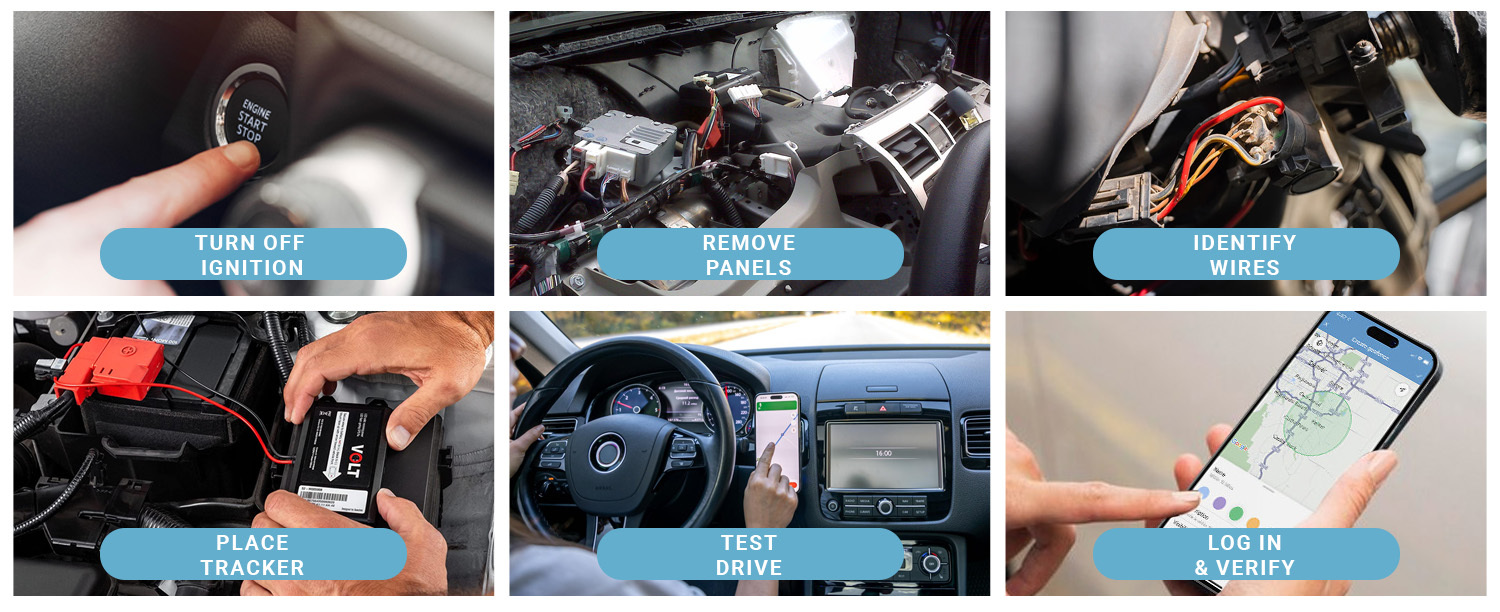
First, locate the power source of the GPS tracker. Most devices connect to the car’s battery or fuse box. Turn off the car’s engine to prevent electrical shocks. Use gloves to protect your hands. Carefully disconnect the wires connected to the tracker. Avoid pulling wires too hard to prevent damage. Place the disconnected wires safely aside to avoid confusion later.
Safely Detaching The Tracker
Next, find where the tracker is attached to your car. Common locations include under the dashboard or near the engine. Use a flashlight to see hidden spots clearly. Gently pry the tracker loose using a flat tool if it is glued or clipped. Be careful not to scratch or damage the car’s surface. After removal, check for any remaining adhesive or clips. Clean the area softly with a cloth to remove residue.
Disposing Or Disabling The Device
Removing a GPS tracking device from your car requires more than just locating it. Once you find the device, deciding whether to dispose of it permanently or temporarily disable it depends on your situation. Both options have their advantages and risks, so you should consider what fits your needs best.
Permanent Removal Options
Completely removing the GPS tracker ensures it cannot track your vehicle again. This usually involves detaching the device from its power source and any wiring connected to your car.
- Disconnect the Battery Connection:Many devices are powered directly by your car’s battery. Unplugging the wires will cut off its power supply.
- Physically Remove the Device:Locate where the device is attached—common spots include under the dashboard or inside wheel wells. Carefully unscrew or unclip it.
- Dispose of the Device Properly:Avoid just throwing it in the trash. Electronic components can be recycled at designated e-waste centers.
Have you thought about how easy it is to overlook hidden wires or connectors? Double-checking can save you from the frustration of the device still working after removal.
Temporary Disabling Techniques
Sometimes, you might want to stop the device from working without removing it entirely. Temporary disabling can be a practical solution in such cases.
- Use Signal Jammers:These devices block GPS signals, preventing the tracker from sending location data. However, jammers may be illegal in some areas, so check local laws.
- Remove the GPS Antenna:Some trackers rely on an external antenna. Disconnecting it can disrupt the signal transmission temporarily.
- Cut Off Power Source Temporarily:If accessible, unplugging the device’s power wire without removing it can disable it during your trip.
Have you ever wondered if disabling a tracker temporarily might leave traces? Sometimes, the device logs tampering attempts, which could raise suspicion.
Consider your reason for disabling or removing the device and the possible consequences. What matters most to you: complete peace of mind or flexibility?
Preventing Future Tracking
Preventing future tracking is crucial after removing a GPS device from your car. Taking steps to avoid reinstallation protects your privacy and security. Simple habits and tools can help keep your vehicle free from unwanted trackers.
Regular Vehicle Inspections
Check your car often for unusual objects or wires. Look under the vehicle, inside the wheel wells, and behind panels. Use a flashlight to spot small devices hidden in dark areas. Regular inspections make it harder for trackers to stay hidden.
Keep a checklist of places to examine each time. If you find anything suspicious, remove it immediately or consult a professional. Consistent checks reduce the chance of long-term tracking.
Using Gps Jammers And Shields
GPS jammers block signals between the tracker and satellites. These devices stop trackers from sending location data. Use jammers carefully; some areas have laws restricting their use.
GPS shields or signal-blocking bags create a safe space for devices. Place phones or keys inside shields to prevent tracking. These shields use special materials to block signals effectively.
Choose options that fit your needs and follow local regulations. Combining jammers and shields offers stronger protection against tracking devices.
Legal Considerations
Before you decide to remove a GPS tracking device from your car, understanding the legal implications is crucial. GPS tracking involves complex laws that vary by location and situation. Knowing your rights and privacy protections can help you avoid unintended legal troubles.
Laws On Gps Tracking
Many regions have specific laws regulating the use of GPS trackers. These laws often depend on who owns the vehicle and the purpose of the tracking.
For example, employers may legally track company vehicles, but tracking someone else’s car without permission can be illegal. Some states require the consent of the person being tracked, while others do not.
Have you checked your local laws to see if removing a tracker is allowed? Ignorance of these laws can lead to fines or even criminal charges.
Rights And Privacy Protection
Your privacy rights play a big role in whether a GPS tracker can be removed. If the tracker invades your personal privacy without your consent, you may have legal grounds to take action.
However, if the device was installed legally—such as by a lender on a financed vehicle—removing it could breach your contract. Always review any agreements related to your vehicle before taking steps.
Think about what privacy means to you. Are you aware of how your location data might be used or shared? Protecting your privacy sometimes requires knowing when and how to act.
Frequently Asked Questions
How To Find A Gps Tracking Device In My Car?
Check common hiding spots like under the dashboard, beneath seats, or inside wheel wells. Use a GPS detector or smartphone app to locate active signals quickly and accurately.
Is It Legal To Remove A Gps Tracker From My Car?
Removing a GPS tracker you own is legal. However, removing one installed by your employer or law enforcement without permission may be illegal. Always verify ownership before removal.
Can I Remove A Gps Tracker Without Professional Help?
Yes, most GPS trackers can be removed with basic tools. Carefully disconnect the device’s power source and unfasten any mounts. Follow manufacturer instructions if available.
How Long Does It Take To Remove A Gps Tracking Device?
Removing a GPS tracker typically takes 10 to 30 minutes. It depends on the device’s installation and your familiarity with your car’s interior.
Conclusion
Removing a GPS tracking device from your car helps protect your privacy. Knowing where to check makes the process easier. Always turn off your car before starting. Look under the dashboard, inside wheel wells, and near the engine. Use a flashlight to spot small devices.
Take your time to avoid damage. If unsure, seek help from a professional. Staying aware keeps your car secure and your location private. Regular checks prevent unwanted tracking. Your safety and privacy matter most.