

Have you ever wondered how the police can keep track of a car without being seen? A police tracking device on your car might sound like something from a spy movie, but it’s very real—and it could affect you.
Whether you’re curious about your privacy, concerned about safety, or just want to understand how these devices work, this article will clear up the mystery. Keep reading to discover what a police tracking device is, how it works, and what it means for your daily driving.
You’ll be surprised by what you learn.
Police Tracking Devices Explained
Understanding police tracking devices is crucial if you want to know how law enforcement keeps tabs on vehicles during investigations. These devices are tools that help officers monitor movements discreetly and efficiently. Knowing how they work and the types available can give you insight into their impact on privacy and security.
Types Of Tracking Devices
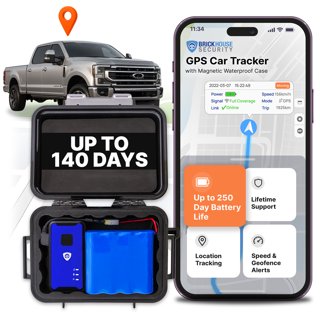
Police use several types of tracking devices depending on the situation. The most common are GPS trackers, which attach to a vehicle and transmit real-time location data. Another type is radio frequency (RF) trackers, which require officers to be nearby to detect the vehicle’s position.
There are also cell-site simulators, sometimes called IMSI catchers, that can track phones inside a car without physical contact. Each device serves a specific purpose, offering different levels of precision and range. Have you ever wondered which device would be harder to detect if placed on your car?
How They Work
GPS trackers use satellites to pinpoint a vehicle’s exact location and send this data back to the police via cellular networks. This allows continuous monitoring over long distances without physical proximity. RF trackers, however, emit a signal that officers must pick up with special receivers nearby.
Cell-site simulators mimic cell towers to connect with mobile phones inside the car, revealing their locations without needing a physical device on the vehicle. These technologies rely on signals and data transmission to keep tabs on the targeted vehicle quietly. Think about how often your phone’s location is tracked and what that means for privacy.
Legal Use By Authorities
Police tracking devices are subject to strict legal controls in many countries. Typically, law enforcement must obtain a warrant before placing or using a tracking device on a vehicle. This requirement helps protect citizens from unlawful surveillance.
Without proper authorization, any evidence gathered through tracking devices can be challenged in court. However, exceptions exist in urgent cases where public safety is at risk. Are you aware of your local laws regarding surveillance and vehicle tracking?
Safety Benefits Of Tracking Devices
Tracking devices in cars offer significant safety benefits. They help protect vehicles and their owners by providing real-time location data. This technology supports law enforcement and enhances overall security. Below are key safety advantages of police tracking devices installed on vehicles.
Crime Prevention
Tracking devices deter theft and illegal activities. Criminals avoid vehicles that can be easily traced. Owners can monitor suspicious movements quickly. This visibility reduces chances of car theft or unauthorized use.
Emergency Response
In emergencies, tracking devices send exact location details. Police and rescue teams reach the scene faster. This quick response can save lives and reduce damage. It also helps during accidents or medical emergencies.
Vehicle Recovery
Lost or stolen cars can be found using tracking data. Authorities track the vehicle’s movements in real time. This speeds up recovery and lowers the risk of permanent loss. Owners regain their property with less hassle.
Privacy Concerns And Risks
Police tracking devices on cars raise significant privacy concerns. These devices can monitor a vehicle’s movements continuously. Many individuals worry about how their personal data is collected and used. The potential for misuse of this data adds to these concerns. Understanding these risks is crucial for maintaining personal privacy.
Surveillance And Data Collection
Tracking devices collect extensive data on a car’s location. This data includes travel patterns, stops, and speeds. Such surveillance can feel intrusive. People value their freedom to travel without being monitored. The collection of data without consent is a major privacy concern.
Potential For Abuse
There is a risk of data misuse by authorities. Data might be accessed for purposes beyond its intended use. Unauthorized personnel could exploit this information. Abuse of tracking data could lead to unwarranted surveillance. The potential for misuse makes people uneasy about tracking devices.
Impact On Personal Privacy
Tracking devices can intrude on personal privacy. Individuals may feel their movements are constantly observed. This perceived loss of privacy can be distressing. People may change their behavior due to surveillance fears. The impact on privacy is a key concern with tracking devices.
Credit: www.walmart.com
Legal Rights And Regulations
Understanding the legal rights and regulations about police tracking devices on cars is vital. These devices can track a vehicle’s location over time. Laws vary by state and country, setting clear limits on their use. Knowing these rules helps protect privacy and ensures lawful tracking practices.
Laws Governing Tracking Device Use
Many regions have specific laws about tracking devices. Police must often get a warrant before installing them. The Fourth Amendment in the U.S. protects against unreasonable searches. Courts generally require law enforcement to prove probable cause first. Unauthorized tracking can lead to evidence being dismissed in court.
Consent Requirements
Consent plays a big role in legal tracking. Car owners or drivers usually must agree to be tracked. Without consent, police need a court order or warrant. Some states allow tracking if the vehicle is company property. Always check local laws about who can give permission for tracking.
Recent Court Cases
Court cases shape how tracking laws are enforced. One key case ruled that GPS tracking without a warrant is illegal. Another case emphasized the importance of privacy in vehicle tracking. Courts continue to balance law enforcement needs and personal rights. Staying updated on these rulings helps understand current legal limits.
Detecting Police Tracking Devices
Detecting police tracking devices on a car is important for privacy and safety. These devices are small and hidden, making them hard to find. Knowing how to spot them helps prevent unwanted tracking.
Some signs can show if a tracker is attached to your vehicle. Special tools make detection easier. Experts also offer professional services to check your car thoroughly.
Signs Of A Hidden Tracker
- Unusual wires or small boxes under the car or bumper
- Extra magnets stuck to metal parts of the vehicle
- Battery drains faster than usual without explanation
- Strange sounds or interference in the car’s electronics
- New scratches or marks near the wheel wells or undercarriage
Tools For Detection
- RF (radio frequency) detectors to find active transmitters
- Magnetometers that sense strong magnets attached to the car
- GPS jammer detectors to spot devices sending signals
- Smartphone apps designed to detect unusual signals nearby
- Infrared cameras to check hidden compartments or devices
Professional Inspection Services
Experts use advanced equipment to scan your vehicle completely. They can detect trackers that are hard to find with simple tools. Professionals also dismantle parts of the car safely.
Inspection services offer peace of mind and thorough checks. They provide a report on any suspicious devices found. Trusted services keep your privacy protected.
Protecting Your Privacy
Your car is more than just a mode of transport; it’s a private space. Discovering a police tracking device on your vehicle can feel like a violation of your privacy. Protecting your privacy means being proactive and informed about how to detect, remove, and prevent unauthorized tracking.
Preventive Measures
You can reduce the risk of unauthorized tracking by regularly inspecting your vehicle. Check hidden and unusual places like under the chassis, inside wheel wells, or behind bumpers. Make it a habit to perform these quick scans, especially after parking in unfamiliar or public areas.
Another smart move is to park in well-lit, secure locations. This lowers the chance someone can attach a tracking device without being noticed. Also, consider installing a car alarm system that alerts you to any tampering around your vehicle.
Removing Unauthorized Devices
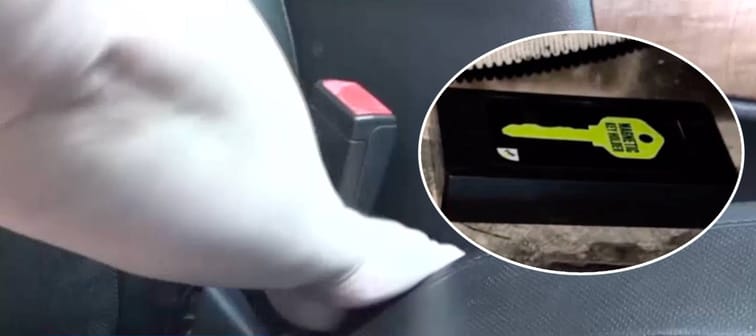
If you suspect your car is being tracked, carefully search for any foreign objects. Small tracking devices can be hard to spot, so pay close attention to unusual wires, magnets, or electronic components. Use a flashlight and mirror to help check hard-to-see spots.
Once you find a device, don’t just throw it away. Document its location and appearance with photos. This can help if you decide to report the incident to the authorities or seek professional help for removal.
Using Anti-tracking Technology
Technology designed to detect tracking devices is becoming more accessible. GPS signal jammers can block unauthorized signals, but they have legal restrictions in many places, so check local laws first. Alternatively, GPS detectors or bug sweepers can scan your vehicle for active transmitters.
Regularly updating your car’s software and security systems also helps. Some modern vehicles come with built-in anti-tracking features that notify you of unusual GPS activity. Are you ready to take control of your vehicle’s privacy with these tools?
Future Of Vehicle Tracking
The future of vehicle tracking holds many exciting possibilities. Police tracking devices on cars will become smarter and more reliable. These tools will help law enforcement improve safety while respecting individual rights. Technology, privacy, and policy will shape this future.
Advancements In Tracking Tech
Tracking technology will use faster, more accurate GPS systems. Devices will link with smart city networks and traffic systems. Real-time data sharing between vehicles and police will improve response times. Artificial intelligence will help predict and prevent crimes. Battery life and device size will improve for easier installation.
Balancing Safety And Privacy
Privacy concerns remain a top challenge in vehicle tracking. Regulations will require clear rules on data use and access. Police must balance tracking benefits with protecting driver privacy. Transparent policies will build public trust in tracking devices. Encryption and data security will protect information from misuse.
Policy Trends And Predictions
Governments will set stricter guidelines for tracking device use. Laws will clarify when and how police can track vehicles. Public input will influence policies on surveillance and data storage. Collaboration between lawmakers and tech experts will shape future rules. Policies will aim to prevent abuse and promote accountability.
Credit: moneywise.com

Credit: spy-spot.com
Frequently Asked Questions
What Is A Police Tracking Device On A Car?
A police tracking device is a GPS-enabled tool used to monitor a vehicle’s location. It helps law enforcement track suspects or stolen vehicles efficiently. These devices provide real-time data, enhancing public safety and aiding investigations.
How Do Police Car Tracking Devices Work?
Police tracking devices use GPS technology to pinpoint a car’s exact location. The device sends this data to law enforcement through secure networks. This allows officers to monitor movements discreetly and track vehicles accurately.
Are Police Tracking Devices Legal On Private Cars?
Police tracking devices are legal with a warrant or owner consent. Unauthorized tracking can violate privacy laws and lead to legal consequences. Law enforcement must follow strict procedures to use these devices lawfully.
Can Police Tracking Devices Be Detected By Car Owners?
Some advanced devices are hard to detect, but specialized tools can find trackers. Car owners should inspect for unusual gadgets or seek professional help to ensure no device is hidden. Awareness helps protect privacy.
Conclusion
Police tracking devices on cars help law enforcement stay safe and find suspects. These tools work quietly and keep important information. Many people worry about privacy, but rules guide how police use tracking. Knowing how these devices work can ease concerns.
Staying informed helps everyone understand the balance between safety and rights. Technology like this will likely grow, so learning now is smart. Tracking devices are part of modern policing, helping protect communities every day.