
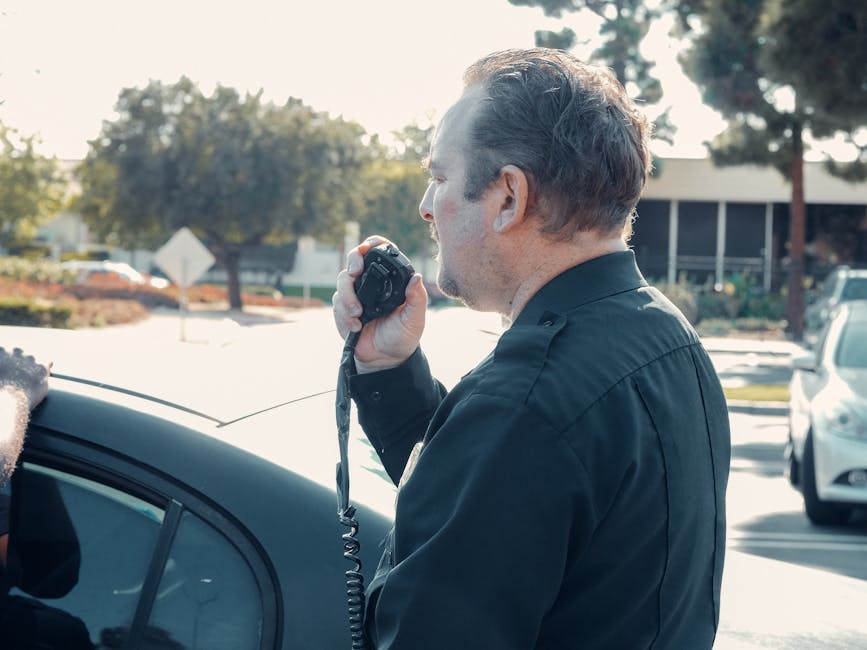
Have you ever wondered how police can hear what’s happening inside a car without being there? Police listening devices in cars are powerful tools that can change the way law enforcement gathers information.
If you drive regularly or are curious about your privacy, understanding these devices is important. You’ll discover how these listening tools work, what they mean for your security, and what you should know to protect yourself. Keep reading to uncover the surprising facts that every driver needs to know.
Credit: www.amazon.com
Types Of Police Listening Devices
Police use various listening devices in cars to gather audio evidence or monitor conversations discreetly. Understanding the types of these devices can help you recognize how surveillance might be conducted. Each device serves a specific purpose and operates differently, offering law enforcement multiple ways to capture sound without detection.
Bugging Devices
Bugging devices are small, concealed recorders placed inside a vehicle to capture conversations. They often look like everyday objects, making them hard to spot. These devices can store audio locally or transmit it, depending on the model.
If you’ve ever felt uneasy about what’s said in your car, it might be due to a bugging device. Their discreet nature allows police to gather detailed information without alerting anyone.
Hidden Microphones
Hidden microphones are tiny mics installed in inconspicuous parts of the car, such as the dashboard or door panels. Unlike bugs, they usually work by transmitting live audio to a receiver nearby. This real-time listening can be crucial during active investigations.
Think about how easy it would be for someone to overhear your private conversations if a microphone is tucked away just out of sight. What steps would you take to protect your privacy?
Rf Transmitters
Radio Frequency (RF) transmitters send audio signals wirelessly from the car to a remote receiver. These devices enable officers to listen in without physically accessing the vehicle. They require a power source and are often hidden under seats or inside panels.
Imagine being unaware that your words are being broadcasted live miles away. How comfortable would you feel knowing your car might be a live microphone?
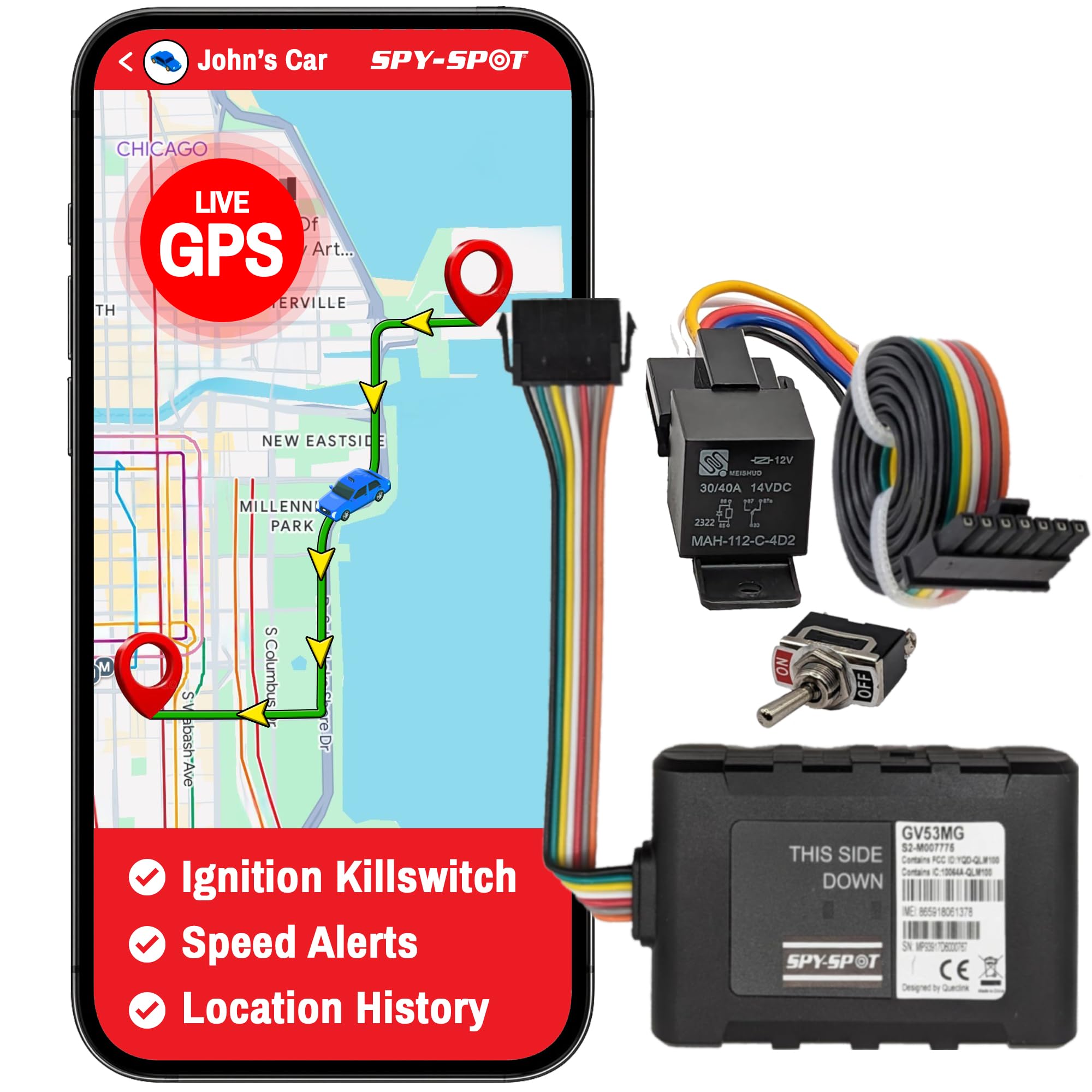
Gps Trackers With Audio
Modern GPS trackers often come equipped with audio recording or live listening capabilities. They provide location tracking alongside the ability to capture sound inside or around the vehicle. This dual function makes them highly valuable for surveillance.
Have you considered that a simple GPS tracker might also be listening to your conversations? Being aware of such technology helps you take control of your privacy.

Credit: www.instagram.com
How Surveillance Devices Are Installed
Understanding how surveillance devices are installed in cars can help you stay alert and protect your privacy. Law enforcement uses specific techniques and targets certain areas inside vehicles to place these listening devices discreetly. Knowing where and how these devices are hidden can make a big difference in spotting them early.
Common Installation Points In Cars
Listening devices are often placed where they won’t be easily noticed but can still capture clear audio. Common spots include:
- Underneath the dashboard, near wiring panels
- Inside door panels or under the seats
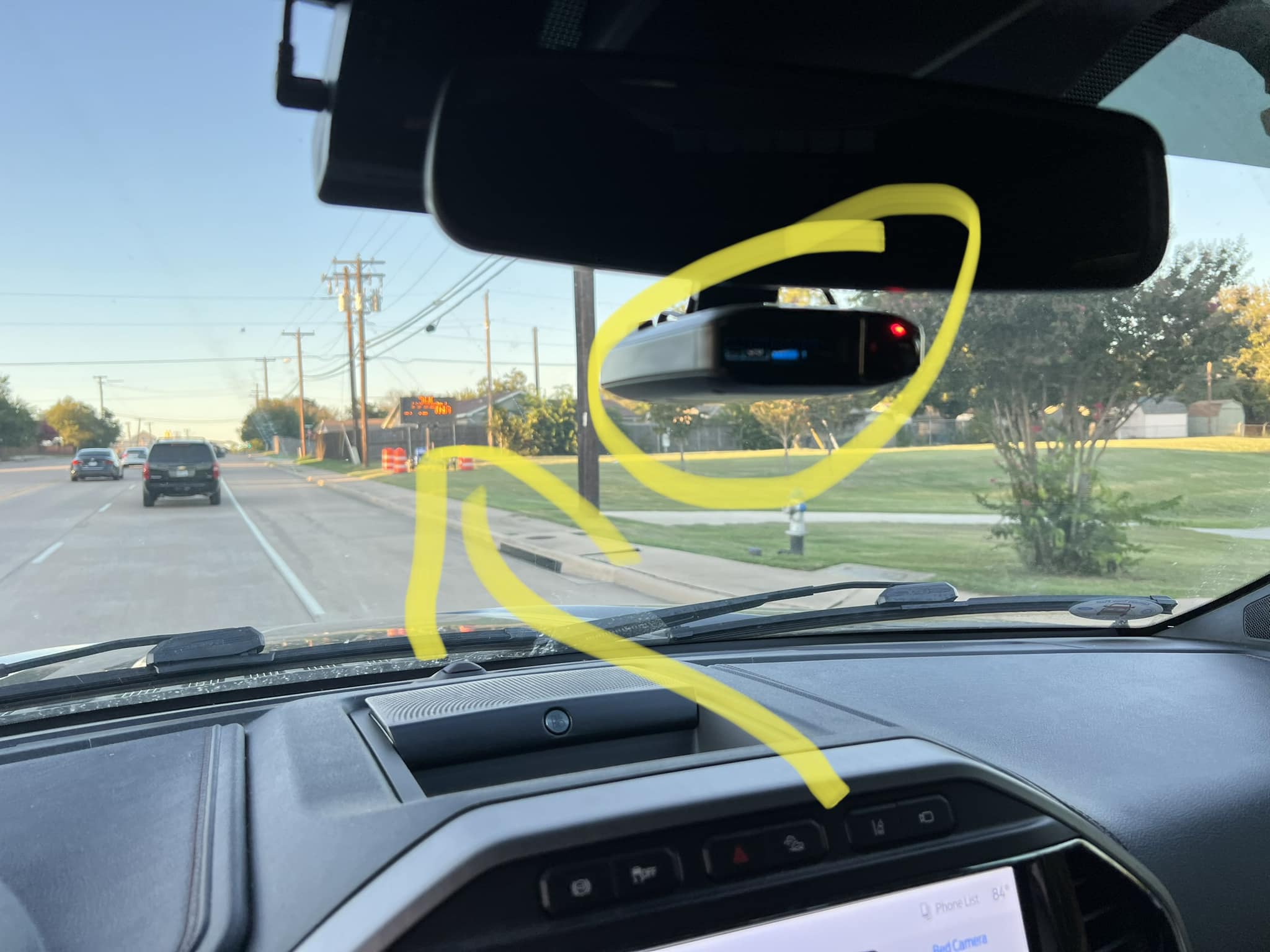
- Behind rearview mirrors
- Within the glove compartment or center console
- In air vents or near the car’s speakers
These locations offer easy access to power sources and clear sound reception. Have you ever checked these hidden corners in your own car?
Techniques Used By Law Enforcement
Law enforcement agents use a mix of stealth and technology to install listening devices without detection. They often work quickly to avoid raising suspicion, using tools like magnetic mounts or adhesive pads for easy attachment.
Sometimes, devices are wired directly into the car’s electrical system to avoid battery limitations. Others rely on wireless transmitters that send audio signals remotely. The goal is to make the device invisible to the car owner and any casual inspection.
Signs Of Hidden Devices
Spotting a listening device requires careful observation and a bit of detective work. Look for unusual wires or small boxes tucked away in odd places. Strange sounds, like static or clicking noises, can also be a giveaway when the car is running.
Another tip is to watch for unfamiliar magnets stuck under the vehicle or around metal parts. If you notice your phone acting strangely near your car, such as sudden interference, it might be time to investigate further. Have you ever experienced anything like this?
Legal Boundaries And Privacy
Police use listening devices in cars only within strict legal limits to protect privacy rights. Unauthorized use can lead to serious legal consequences and evidence may be invalid in court. Privacy laws ensure that surveillance respects individual freedoms and follows proper procedures.
Understanding the legal boundaries and privacy concerns surrounding police listening devices in cars is crucial for both law enforcement and citizens. With technology advancing rapidly, knowing where the line is drawn legally helps maintain a balance between safety and privacy. Let’s dive into the laws that govern surveillance, the necessity of consent and warrants, and the rights of vehicle owners.Laws Governing Surveillance
When it comes to surveillance, laws can vary greatly depending on your location. In many places, police are required to have a valid reason to install listening devices in vehicles. This is often governed by strict regulations to prevent misuse and protect citizens’ rights. Consider how these laws are enforced where you live. Are there specific statutes that outline when and how surveillance can be conducted? Understanding these can empower you in situations where your privacy might be at risk.Consent And Warrants
Consent is a cornerstone of privacy laws. Before placing listening devices in your car, law enforcement typically needs your consent or a warrant. This ensures that your rights are not infringed upon without due process. A warrant is a legal document granted by a judge, often requiring substantial evidence to justify the need for surveillance. Knowing when a warrant is necessary can help you recognize if your privacy is being respected.Rights Of Vehicle Owners
As a vehicle owner, you have rights concerning what happens within your car. These include the right to refuse unauthorized surveillance. It’s important to be aware of these rights to protect your personal space. How do you ensure your rights are upheld? Being informed about legal procedures and ready to ask questions if you suspect unauthorized surveillance is a strong start. Would you feel comfortable challenging a police officer if you believed your rights were being violated? Understanding your rights is the key to maintaining your privacy.Risks Of Undetected Surveillance
Undetected surveillance through police listening devices hidden in cars presents risks that go far beyond simple eavesdropping. These covert tools can quietly invade your personal space without your knowledge, raising serious questions about your rights and safety. Understanding these risks helps you stay alert and protect yourself better.
Privacy Violations
Imagine driving to a private meeting and not knowing someone is listening to every word you say. Police listening devices can capture sensitive conversations without your consent, breaking your trust in what should be a safe environment. This type of intrusion strips away your right to privacy, making you vulnerable in your own vehicle.
Have you ever considered how many private moments happen inside your car? From discussing family issues to business strategies, these conversations are not meant for public ears. The hidden nature of these devices means you might never realize your privacy has been compromised until it’s too late.
Data Security Concerns
Once captured, the data from these listening devices isn’t always handled securely. There’s a real danger that sensitive information could be leaked, hacked, or misused by unauthorized parties. This puts you at risk of identity theft, blackmail, or wrongful legal actions.
Think about how often your personal information is stored digitally nowadays. If police surveillance data falls into the wrong hands, the consequences can extend far beyond the original investigation. Protecting your data means questioning who controls the information collected and how it’s safeguarded.
Impact On Personal Freedom
Knowing that your car might be under silent surveillance can change how you behave. You might start censoring your conversations or avoiding certain topics, which limits your freedom to express yourself openly. This self-censorship can erode your confidence and sense of autonomy.
Have you noticed how just the thought of being watched alters your actions? When police listening devices operate undetected, they create a chilling effect that can infiltrate everyday life. Your freedom to communicate without fear is essential to living authentically and without restraint.
Detecting Listening Devices
Detecting listening devices in your car is crucial to protect your privacy and security. These devices can be small and cleverly hidden, making them hard to spot without the right tools or know-how. Understanding how to find them can save you from unwanted surveillance or data breaches.
Using Rf Detectors
RF detectors scan for radio frequencies emitted by wireless listening devices. They alert you to hidden bugs by detecting signals within a certain range. These gadgets are user-friendly and can help you quickly identify suspicious transmissions in your vehicle.
Keep in mind, some devices use low-frequency or wired signals that RF detectors might miss. Still, they are a great first step in uncovering hidden bugs. Have you ever noticed unexplained static or interference on your car radio? That might be a sign of an active transmitter nearby.
Professional Sweeps
Hiring a professional to sweep your car ensures a thorough check with specialized equipment. Experts use tools that detect a wider range of devices, including those not picked up by consumer-grade detectors. They also know common hiding spots and can physically inspect areas you might overlook.
Though this service can be costly, it offers peace of mind if you suspect serious surveillance. Would you invest in a professional sweep if you felt your privacy was at risk? Sometimes, expert help is the only way to be sure your car is bug-free.
Diy Inspection Tips
Start by visually inspecting your car’s interior and exterior for unusual objects or wires. Check under seats, inside vents, beneath the dashboard, and in the glove compartment. Tiny holes or adhesive marks can hint at hidden devices.
Use a flashlight to spot reflective surfaces or lenses that might belong to cameras. Listen carefully for buzzing or clicking sounds when the car is off—these noises can indicate active electronics. Trust your instincts; if something seems out of place, it probably is.
Protecting Your Vehicle From Surveillance
Protecting your vehicle from surveillance is crucial in today’s world where police listening devices can be discreetly placed in cars. These devices can capture private conversations and track your movements without your knowledge. Understanding how to guard against such invasions helps you maintain control over your privacy and security.
Preventive Measures
Start by regularly inspecting your vehicle’s interior and exterior. Pay close attention to unusual objects in areas like under the seats, inside door panels, or the glove compartment. Ask yourself: Does something look or feel out of place?
Keep your car locked at all times and park in secure, well-lit areas. Avoid leaving your vehicle unattended for long periods, especially in public or unfamiliar locations. These simple habits reduce the chance of someone tampering with your car.
Removing Discovered Devices
If you find a suspicious device, do not touch it immediately. Document its location with photos and note any serial numbers or identifying marks. Contact professionals who specialize in electronic surveillance removal to handle the device safely.
Attempting to remove listening devices without proper knowledge can lead to damage or evidence loss. Professionals use special tools to disable and extract these devices without alerting the person who planted them. Your safety and privacy depend on careful handling.
Technological Solutions
Consider investing in signal detectors designed to locate hidden microphones or GPS trackers. These devices scan for unusual radio frequencies or electronic signals within your vehicle. Some models are handheld, making it easy to perform quick checks before driving.
Newer technology offers smartphone apps that assist in identifying suspicious signals, though they may not be as reliable as dedicated detectors. Regularly updating your tech tools ensures you stay a step ahead of surveillance attempts.
Future Trends In Vehicle Surveillance
Vehicle surveillance is evolving rapidly with new technologies and changing laws. Police listening devices in cars are becoming more advanced and discreet. These trends shape how law enforcement monitors traffic and gathers evidence. The future points to smarter, more efficient tools and new challenges for privacy and legality.
Advancements In Listening Tech
New listening devices are smaller and more sensitive. They can capture clearer audio from farther distances. Digital tech improves noise filtering, making conversations easier to hear. Some devices now link directly to cloud storage for instant access. Artificial intelligence helps identify key sounds automatically. These upgrades allow police to gather more precise information quickly.
Evolving Legal Landscape
Laws about vehicle surveillance are changing fast. Courts and lawmakers debate privacy rights versus public safety. Some regions require stricter rules for using listening devices. Others demand clear permission or warrants before recording. These legal shifts affect how police use their tools. Officers must stay updated to avoid breaking rules or losing evidence.
Emerging Counter-surveillance Tools
People and criminals develop ways to block or detect listening devices. New gadgets can find hidden microphones in cars. Signal jammers disrupt wireless transmissions from these devices. Some use sound masking to hide conversations from recorders. This creates a challenge for police surveillance efforts. Technology races ahead on both sides of this issue.
Credit: www.facebook.com
Frequently Asked Questions
What Are Police Listening Devices In Cars?
Police listening devices in cars are covert audio tools used by law enforcement. They capture conversations inside or near vehicles. These devices help gather evidence during investigations and monitor suspects discreetly.
How Do Police Install Listening Devices In Cars?
Police install listening devices by secretly placing small microphones inside or on vehicles. They often hide them under dashboards or seats. Installation is done carefully to avoid detection and ensure continuous audio capture.
Are Police Listening Devices Legal In Cars?
Police listening devices are legal if used with a warrant. Unauthorized use without consent or legal approval violates privacy laws. Law enforcement must follow strict guidelines to use these devices lawfully.
Can Police Listening Devices Detect Conversations Through Car Windows?
Yes, some advanced listening devices can capture conversations through car windows. They use sensitive microphones and audio amplification technology. However, effectiveness depends on distance, noise, and window material.
Conclusion
Police listening devices in cars raise many important questions. They help officers gather information quickly and keep people safe. Still, they also bring concerns about privacy and rights. Knowing how these devices work can help you understand their impact. Stay aware of the laws in your area.
Technology changes fast, and so do the rules. Being informed helps you stay prepared and responsible on the road.