
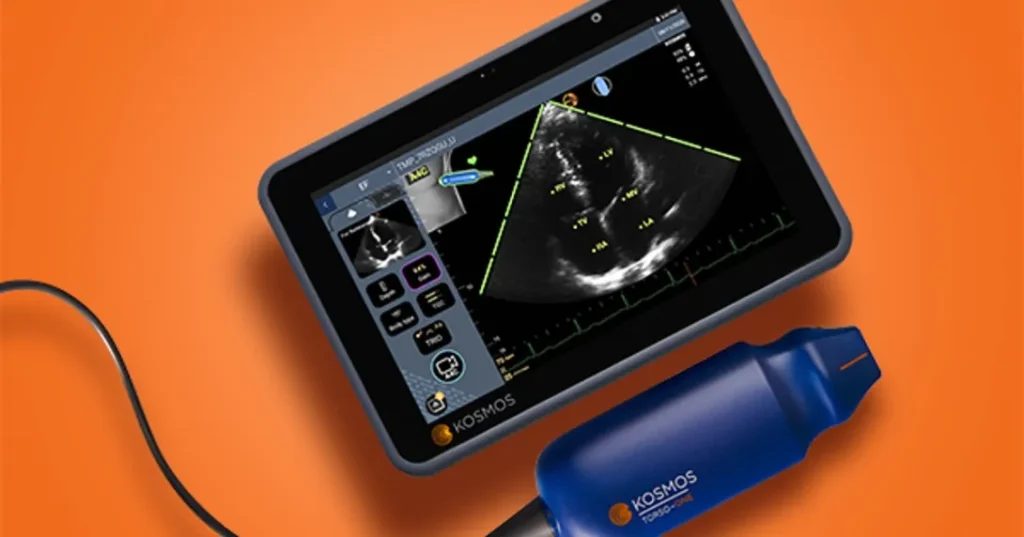
Imagine having the power to see inside the body instantly, right where you are—no waiting, no hassle. Point of Care Ultrasound Devices put this power in your hands.
Whether you’re a healthcare professional or someone curious about medical technology, these devices can change how you understand and respond to health. Ready to discover how this technology can make diagnosis faster, safer, and more accurate? Keep reading to unlock the potential that could transform your approach to care.
Rise Of Point Of Care Ultrasound
Point of Care Ultrasound (POCUS) devices have become essential in modern healthcare. These portable tools provide quick imaging at the patient’s side. They help doctors make fast and accurate decisions. The rise of POCUS marks a big change in medical imaging and care delivery.
Evolution Of Ultrasound Technology
Ultrasound technology started as large, complex machines. Over time, devices became smaller and more affordable. Advances in digital technology improved image quality. Battery-powered portable units made bedside imaging possible. Now, POCUS devices fit in a pocket or small bag. This evolution allows healthcare workers to use ultrasound anywhere.
Shift From Traditional Imaging
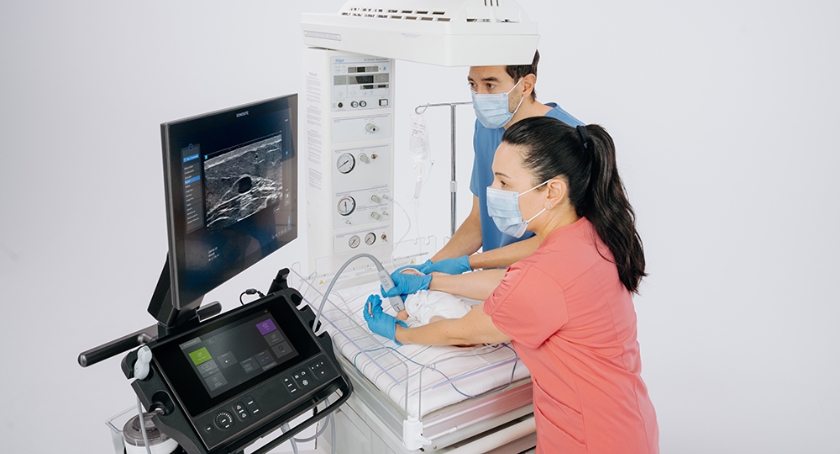
Traditional imaging requires large machines in special rooms. Patients often wait for scheduled scans. POCUS changes this by offering immediate imaging. Doctors see real-time images during exams. This shift reduces delays in diagnosis and treatment. It also lowers the need for moving patients to imaging centers. POCUS supports faster and more efficient care.
Growth In Clinical Use
More clinicians use POCUS in daily practice. It is common in emergency, critical care, and primary care. The device helps with procedures like needle placement and fluid checks. Training programs now include POCUS skills for doctors and nurses. Hospitals and clinics invest in these devices widely. Clinical use grows as benefits become clear.
Credit: www.mpo-mag.com
Key Features Of Pocus Devices
Point of Care Ultrasound (POCUS) devices stand out because of their unique features that make medical imaging more accessible and efficient. Understanding these key features can help you choose the right device and use it effectively in your practice or healthcare setting. Let’s look at what really makes POCUS devices valuable for fast, reliable diagnostics.
Portability And Compact Design
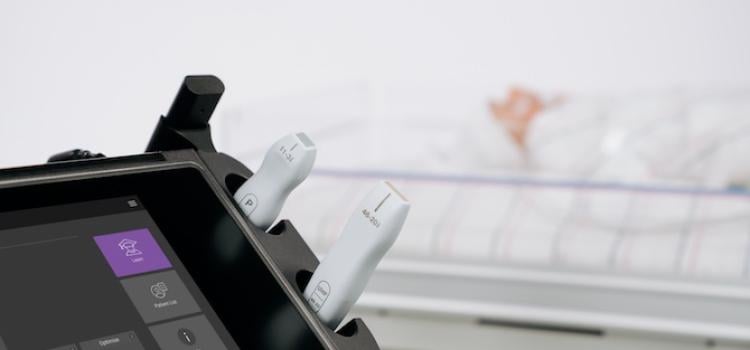
POCUS devices are designed to fit in your hand or easily slip into a small bag. This portability means you can carry them anywhere—from busy emergency rooms to remote clinics.
Imagine having the power of ultrasound right at your fingertips during a home visit or in an ambulance. This compact design doesn’t just save space; it speeds up decision-making when every second counts.
User-friendly Interfaces
A POCUS device should be straightforward to operate, even if you’re new to ultrasound technology. Many devices offer touchscreens with clear icons and simple menus that reduce the learning curve.
Think about the last time you struggled with complicated equipment. A user-friendly interface means less time fumbling and more time focusing on your patient’s needs.
Real-time Imaging Capabilities
One of the biggest advantages of POCUS devices is their ability to provide immediate visual feedback. You can see internal structures moving live, which helps you make quick, informed decisions.
Have you ever waited hours for test results? With real-time imaging, you get answers instantly, which can improve patient outcomes and streamline workflows.
Impact On Rapid Diagnosis
Point of care ultrasound devices speed up diagnosis by providing real-time images at the bedside. This allows doctors to make quick decisions and start treatment faster. Immediate results reduce the need for extra tests and hospital visits.
Point of care ultrasound devices are transforming the landscape of rapid diagnosis, offering healthcare professionals a powerful tool to swiftly and accurately assess patient conditions. These devices, often compact and portable, provide the ability to perform ultrasounds directly at the patient’s bedside, significantly enhancing the speed and quality of medical decision-making. By integrating advanced imaging technology into everyday clinical practice, you can achieve a level of diagnostic efficiency that was previously unattainable.Faster Clinical Decision Making
Imagine the scenario: a patient arrives at the emergency room with acute abdominal pain. The clock is ticking, and every second counts. With point of care ultrasound, you can quickly scan the affected area, instantly viewing real-time images. This immediate access to visual information allows you to make critical decisions faster. No more waiting for traditional imaging appointments or relying solely on physical examinations. You can trust the ultrasound’s quick feedback to guide your next steps. Have you ever considered how much time could be saved by having diagnostic images at your fingertips?Enhanced Accuracy At Bedside
Accuracy is essential in healthcare, and point of care ultrasound devices excel in delivering precise images at the bedside. These devices reduce the risk of misdiagnosis by providing clear, detailed visuals of internal structures. You can confidently interpret these images, knowing they reflect the current state of the patient’s condition. The ability to perform ultrasounds in real-time means you can catch subtle changes that might be missed in a traditional setting. This accuracy directly impacts patient outcomes, ensuring that treatment plans are based on the most reliable data available.Reduction In Diagnostic Delays
Diagnostic delays can be frustrating and dangerous, often resulting in prolonged discomfort for patients and increased stress for healthcare providers. Point of care ultrasound devices address this issue head-on by eliminating the need for patients to be transported to imaging facilities. With these devices, you can perform necessary scans immediately, bypassing the bottleneck of scheduling and transport. Have you noticed how much smoother the workflow becomes when diagnostic delays are minimized? It’s not just about saving time—it’s about enhancing the entire patient experience by providing prompt and effective care.Applications Across Medical Fields
Point of Care Ultrasound (POCUS) devices have transformed how healthcare professionals diagnose and treat patients across various medical fields. These portable tools bring imaging directly to the bedside, enabling faster decisions and more personalized care. Understanding where and how these devices are applied can help you appreciate their true value in modern medicine.
Emergency Medicine
In emergency rooms, every second counts. POCUS devices allow you to quickly assess trauma patients for internal bleeding or organ damage without waiting for a full radiology scan. This rapid insight can be the difference between life and death.
Imagine a scenario where a patient arrives with chest pain. Using POCUS, you can immediately check for cardiac tamponade or pneumothorax, guiding urgent interventions. This hands-on approach reduces delays and improves outcomes.
Critical Care
Managing critically ill patients means constant monitoring and quick adjustments. You can use POCUS to evaluate heart function, lung status, and fluid balance right at the ICU bedside. This real-time imaging supports timely decisions about ventilation, fluid therapy, and medication.
POCUS also helps detect complications early, such as deep vein thrombosis or pleural effusion, which can be missed by routine exams. By keeping a close eye on changes, you enhance patient safety and tailor treatments effectively.
Primary Care And Outpatient Settings
POCUS is no longer limited to hospitals. In primary care, you can use it to examine musculoskeletal injuries, abdominal pain, or even guide joint injections. It brings a new level of precision to routine visits.
Patients appreciate getting immediate answers without multiple referrals or imaging appointments. How might having this tool change your approach to diagnosing common complaints? It’s a practical way to improve patient satisfaction and streamline care.
Challenges And Limitations
Point of Care Ultrasound (POCUS) devices bring incredible convenience and speed to medical diagnostics. Yet, despite their advantages, they come with challenges that can affect how effectively they serve you and your patients. Understanding these limitations helps you set realistic expectations and make better decisions about their use.
Training And Skill Requirements
Using POCUS devices isn’t as simple as pointing and clicking. You need proper training to capture clear images and interpret them correctly.
Many healthcare providers underestimate how much practice is needed. Without adequate skill, you might miss crucial details or misinterpret findings, leading to errors.
How confident are you in your ultrasound skills? Consider ongoing education and hands-on practice essential to get the most from these devices.
Device Cost And Accessibility
Although POCUS devices have become more affordable, initial investment and maintenance costs can still be barriers. Not every clinic or healthcare provider can easily afford high-quality machines.
Additionally, areas with limited infrastructure may struggle to access these devices or the necessary support services. This gap affects patient care quality and delays diagnosis.
Have you thought about cost-sharing models or leasing options to bring these tools within reach? Finding creative financial solutions might make a difference in your setting.
Image Quality And Interpretation
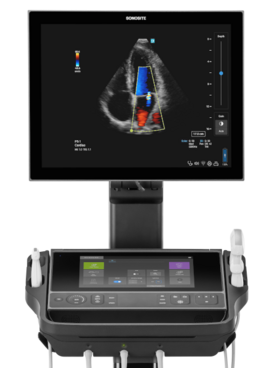
Image quality varies widely between devices. Handheld and portable models might not provide the same clarity as larger, more advanced machines.
This limitation can complicate diagnosis, especially in complex cases where subtle details matter. Even experienced users can find it challenging to interpret lower-quality images.
Are you prepared to supplement POCUS with other diagnostic tools when image quality is insufficient? Balancing convenience with accuracy is key to patient safety.
Credit: www.sonosite.com
Future Trends In Pocus Technology
The future of Point of Care Ultrasound (POCUS) technology is set to transform how healthcare professionals diagnose and treat patients at the bedside. Advances in technology are making devices smarter, more accessible, and adaptable to a wider range of clinical situations. These trends will directly impact your workflow, potentially improving accuracy and speed in patient care.
Integration With Ai And Machine Learning
Artificial intelligence is becoming a game-changer in POCUS by helping interpret ultrasound images faster and with more precision. Imagine having real-time assistance that highlights areas of concern or suggests possible diagnoses based on patterns it has learned.
This integration reduces the learning curve for new users and supports decision-making, especially in complex cases. Are you ready to trust an AI tool to augment your clinical judgment during critical moments?
Wireless And Smartphone-enabled Devices
Wireless POCUS devices paired with smartphones or tablets are breaking free from traditional bulky machines. These portable setups allow you to perform ultrasounds anywhere, from remote clinics to emergency scenes, without sacrificing image quality.
Such mobility means faster assessments and quicker treatment decisions. Think about how much time you could save if your ultrasound tool fits right in your pocket, ready at a moment’s notice.
Expanding Clinical Indications
POCUS is no longer limited to a handful of uses like cardiac or abdominal scans. New applications are emerging across specialties such as pulmonology, musculoskeletal medicine, and even dermatology.
This expansion offers you more opportunities to use ultrasound as a first-line diagnostic tool, reducing reliance on more expensive or time-consuming tests. How might your clinical practice change if you could confidently apply ultrasound in more scenarios?
Credit: www.itnonline.com
Frequently Asked Questions
What Are Point Of Care Ultrasound Devices?
Point of Care Ultrasound Devices are portable imaging tools used at patient bedsides. They provide real-time diagnostic images quickly and non-invasively. These devices aid in faster decision-making and improve patient care in various medical settings.
How Do Point Of Care Ultrasound Devices Work?
These devices use high-frequency sound waves to create images of internal body structures. The ultrasound probe sends waves that reflect off tissues. The device then converts echoes into visual images for medical analysis.
What Are The Benefits Of Point Of Care Ultrasound Devices?
They offer immediate imaging results, reduce patient wait times, and enhance diagnostic accuracy. These devices are portable, easy to use, and help guide procedures safely. They improve care efficiency in emergency and critical care settings.
Who Can Operate Point Of Care Ultrasound Devices?
Healthcare professionals like doctors, nurses, and paramedics can operate them after proper training. The devices are designed for ease of use, enabling quick assessments without needing specialized radiology staff.
Conclusion
Point of care ultrasound devices help doctors see inside the body quickly. They allow fast and accurate decisions during patient care. These tools improve diagnosis and treatment at the bedside. Small size and ease of use make them popular in many settings.
As technology grows, these devices will become even more useful. They support better health outcomes and save time. Choosing the right device depends on the needs of the medical team. Simple, effective, and portable – point of care ultrasound is here to stay.