

Imagine having the power to get important health test results right where you are—quickly and accurately. Point of Care Lab Testing Devices make this possible, changing the way you and healthcare providers manage health.
Whether you’re a patient eager for fast answers or a professional seeking better tools, these devices put control and convenience directly in your hands. Keep reading to discover how Point of Care Lab Testing Devices can transform your health experience and why they are becoming essential in clinics, homes, and beyond.
Rise Of Point Of Care Testing
The rise of Point of Care (POC) testing is changing how healthcare delivers quick and accurate diagnostics. Instead of waiting hours or days for lab results, you can now get critical information within minutes, right where the patient is. This shift is not only saving time but also improving treatment decisions and patient outcomes.
Shift From Central Labs
Central labs used to be the primary source for diagnostic testing, processing large volumes of samples. However, this often meant delays and logistical challenges, especially in urgent cases. Point of Care devices bring testing closer to patients, reducing wait times and eliminating the need to transport samples.
Imagine you’re in a busy clinic or remote location—waiting for central lab results can slow down care significantly. With POC testing, healthcare providers can make decisions on the spot, which can be crucial in emergencies or chronic disease management.
Key Drivers Of Adoption
- Speed and Convenience:Results in minutes empower faster treatment, reducing hospital stays and follow-ups.
- Technological Advances:Compact, user-friendly devices with improved accuracy make POC testing accessible to more settings.
- Cost Efficiency:Lower operational costs compared to centralized labs attract clinics and small healthcare providers.
- Patient-Centered Care:Testing at the point of care enhances patient experience and compliance by minimizing inconvenience.
Have you ever wondered how much easier your healthcare visits would be if you didn’t have to wait anxiously for test results? This growing trend of POC testing is designed to address exactly that concern, making healthcare faster and more responsive to your needs.
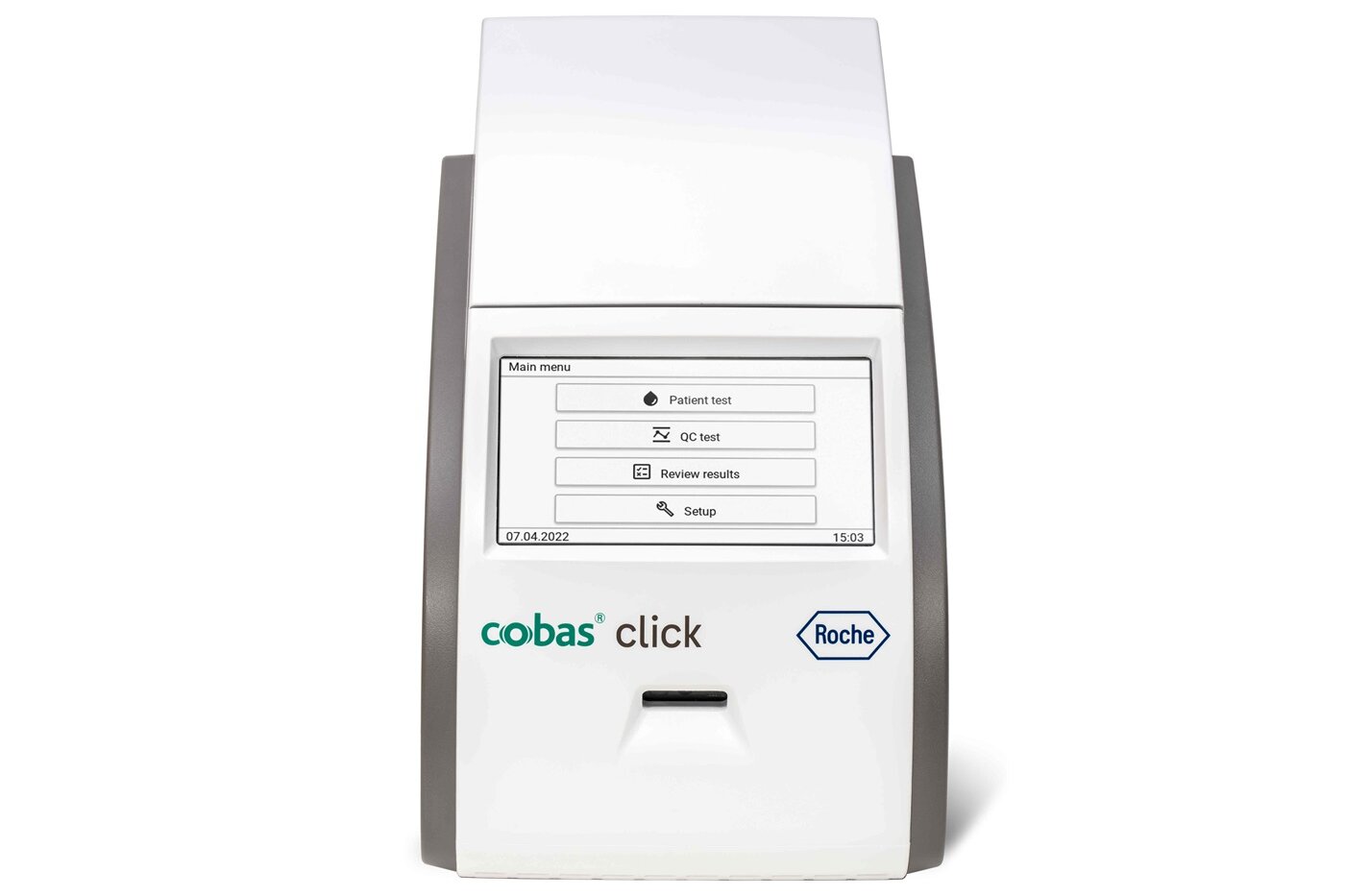
Credit: diagnostics.roche.com
Core Technologies Behind Devices
Point of care lab testing devices rely on advanced technologies to deliver quick and accurate results. These core technologies enable testing outside traditional labs. They make testing more accessible and convenient for patients and healthcare providers. Understanding these technologies helps appreciate how these devices work and their benefits.
Microfluidics And Lab-on-a-chip
Microfluidics controls tiny amounts of liquids inside small channels. This technology allows devices to handle multiple tests at once. Lab-on-a-chip integrates several lab functions on a single chip. It reduces sample size and speeds up testing. These systems improve accuracy and lower costs. They are key to miniaturizing complex lab processes.
Biosensors And Optical Systems
Biosensors detect specific biological molecules in samples. They convert biological reactions into measurable signals. Optical systems use light to measure these signals precisely. Common optical methods include fluorescence and absorbance detection. Together, they enable sensitive and specific detection of diseases. These technologies help produce fast and reliable test results.
Integration With Mobile Apps
Mobile apps connect testing devices to smartphones and tablets. They provide easy access to test results and data tracking. Apps can guide users through test procedures step-by-step. They also enable remote monitoring by healthcare professionals. This integration improves user experience and supports better health management. It brings lab testing closer to everyday life.
Clinical Applications
Point of care lab testing devices provide quick results near the patient. They help doctors make faster decisions and improve patient care. These devices are useful in clinics, emergency rooms, and remote areas.
Clinical applications of point-of-care lab testing devices are transforming healthcare. These devices provide quick and accurate results. They enhance patient care and treatment strategies. They have diverse uses across various medical fields. Below are key areas where these devices make a significant impact.Infectious Disease Detection
Point-of-care devices swiftly identify infectious diseases. They help in early diagnosis, crucial for effective treatment. Rapid tests for flu and COVID-19 are widely used. These tests deliver results within minutes. They reduce the spread of infections. Healthcare providers can start treatment immediately.Chronic Disease Monitoring
Monitoring chronic diseases is vital for patient health. Point-of-care devices offer real-time data. They track glucose levels in diabetes patients efficiently. Blood pressure monitors provide instant readings. These devices support personalized treatment plans. Patients can manage their health better at home.Emergency And Critical Care Use
In emergency settings, speed is vital. Point-of-care devices save time. They offer immediate blood tests and vital signs checks. These tools assist in life-saving decisions. Quick test results guide treatment in critical situations. They improve outcomes in emergency care. They are essential in trauma centers and ERs.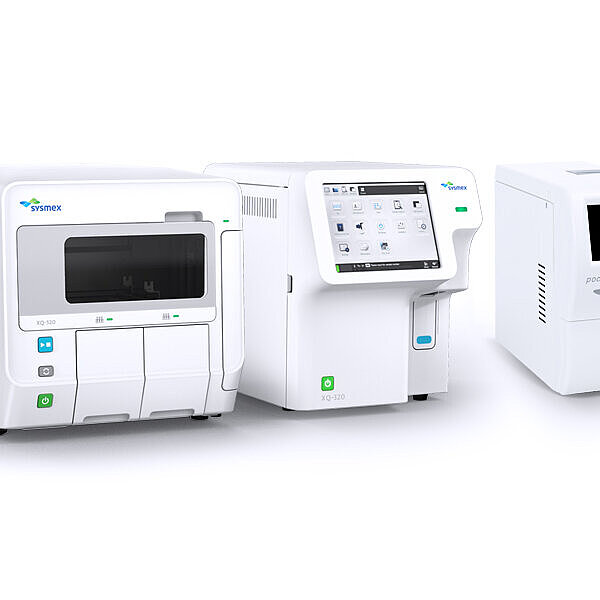
Credit: www.sysmex-europe.com
Benefits Over Traditional Testing
Point of Care (POC) lab testing devices offer distinct advantages over traditional laboratory testing methods. These devices bring testing closer to the patient, streamlining the diagnostic process and enhancing overall care. Understanding their benefits helps you see why they are becoming essential tools in modern healthcare.
Speed And Convenience
POC devices deliver results in minutes rather than hours or days. This rapid turnaround lets you make immediate decisions about treatment or further testing. Imagine waiting for a test result during a critical moment—POC testing eliminates that stress.
These devices are portable and easy to use, often requiring minimal training. You can perform tests at the bedside, in clinics, or even remote locations. This flexibility means no more delays caused by transporting samples to distant labs.
Improved Patient Outcomes
Faster diagnosis leads to quicker treatment, which can significantly improve patient recovery. When you receive instant results, you reduce the risk of complications and prevent disease progression. Early intervention often means better health outcomes.
POC testing also supports personalized care. You can tailor treatments based on real-time data rather than waiting for generic lab reports. This approach keeps patients more engaged in their care journey and improves adherence to prescribed therapies.
Cost Efficiency
Using POC devices can lower overall healthcare costs by reducing hospital stays and unnecessary follow-up visits. You save resources by avoiding repeated tests and speeding up patient throughput. This efficiency benefits both providers and patients.
Additionally, these devices help minimize errors linked to sample handling and transportation. Reducing such mistakes cuts down on costly retests and delays. Have you ever considered how much time and money could be saved with fewer laboratory bottlenecks?
Challenges And Limitations
Point of care lab testing devices offer convenience and speed. Despite these benefits, they face several challenges and limitations. These issues impact their effectiveness and acceptance in healthcare settings. Understanding these challenges helps users and providers make better decisions.
Accuracy And Reliability Concerns
Accuracy remains a key challenge for point of care devices. Results can vary due to user errors or device limitations. Many devices require strict handling and calibration to maintain reliability.
False positives or negatives may occur more often than in traditional labs. Such errors affect patient care and treatment choices. Continuous improvement is needed to enhance test precision.
Regulatory And Quality Control
Regulation of these devices is complex and varies by region. Approval processes can be slow and costly. Maintaining consistent quality across many devices is difficult.
Quality control demands regular checks and validations. Without strict oversight, the risk of faulty results increases. Manufacturers and healthcare providers must follow clear standards.
Data Security And Privacy
Point of care devices often store and transmit sensitive patient data. Protecting this information is critical to avoid breaches. Many devices lack strong encryption or secure data management.
Privacy concerns arise with wireless transmission of results. Unauthorized access to health data can harm patients. Implementing robust security measures is essential for trust and compliance.
Future Trends And Innovations
Point of Care Lab Testing Devices are evolving fast. New trends and innovations promise better healthcare access and faster results. These advances focus on smarter technology, ease of use, and wider availability. The future holds exciting possibilities that can improve patient care everywhere.
Ai And Machine Learning Integration
AI helps devices analyze test results more accurately. Machine learning improves over time by learning from data. This means fewer errors and faster diagnostics. AI can also predict health risks early. It supports doctors in making better decisions. The integration of AI makes testing more reliable and efficient.
Wearable Diagnostic Devices
Wearable devices monitor health continuously. They provide real-time data about vital signs and conditions. These devices are small, easy to use, and non-invasive. Wearables allow patients to track their health at home or on the move. They reduce the need for frequent lab visits. This technology helps catch problems early.
Expansion In Resource-limited Settings
New devices focus on affordability and simplicity. They work well in places with limited resources. Battery-powered and portable tools make testing possible anywhere. This expands healthcare access in rural and poor areas. Training is easier with user-friendly interfaces. Such innovations help fight disease globally.
Impact On Healthcare Delivery
Point of Care (POC) lab testing devices are reshaping how healthcare is delivered by bringing diagnostics closer to the patient. This shift affects speed, accuracy, and accessibility of medical testing, changing the entire healthcare experience. Understanding the impact on healthcare delivery helps you see how these devices improve outcomes and patient satisfaction.
Decentralization Of Diagnostics
POC testing moves lab diagnostics out of centralized labs and into clinics, pharmacies, and even homes. This means faster results without the need for complex logistics or long waits. Imagine getting your blood sugar or infectious disease test results within minutes during a routine visit—this immediacy influences treatment decisions on the spot.
Decentralization also reduces the burden on hospital labs, letting them focus on more complex testing. You might have noticed how some clinics now perform rapid tests that used to require sending samples to distant labs. This change speeds up diagnosis and treatment, cutting down delays that could affect your health.
Empowering Patients And Providers
With POC devices, you gain more control over your health information. You can track key health markers regularly without multiple doctor visits. This empowerment helps you stay proactive and involved in managing chronic conditions like diabetes or hypertension.
Providers benefit too. They can make informed decisions quickly during consultations, enhancing patient care. For example, a nurse in a rural clinic can test for infections immediately and start treatment without waiting days for lab results. This hands-on approach boosts confidence in care and fosters better communication between you and your healthcare team.
Global Health Implications
In many parts of the world, access to traditional labs is limited or nonexistent. POC devices break down these barriers by offering portable, easy-to-use testing solutions. This accessibility plays a crucial role in controlling outbreaks and managing diseases in remote or underserved areas.
Think about how rapid malaria or HIV tests have changed healthcare delivery in low-resource settings. Early detection leads to timely treatment, reducing complications and saving lives. Could wider use of POC testing devices help your community improve health outcomes and reduce healthcare costs?

Credit: www.henryschein.com
Frequently Asked Questions
What Are Point Of Care Lab Testing Devices?
Point of care lab testing devices are portable tools used for immediate medical testing. They provide quick results at patient locations, improving diagnosis speed and treatment decisions without needing centralized labs.
How Do Point Of Care Devices Improve Healthcare?
These devices offer fast results, enabling timely diagnosis and treatment. They reduce hospital visits, lower healthcare costs, and enhance patient outcomes by delivering immediate data to healthcare providers.
Which Conditions Can Point Of Care Tests Detect?
Point of care tests detect conditions like diabetes, infections, heart issues, and blood disorders. They are versatile and cover glucose levels, cholesterol, blood gases, and infectious diseases.
Are Point Of Care Testing Devices Accurate?
Yes, modern point of care devices are highly accurate. They undergo rigorous validation and meet regulatory standards, ensuring reliable results comparable to traditional laboratory tests.
Conclusion
Point of care lab testing devices bring quick results to patients and doctors. They help catch health issues early and guide fast treatment. These devices are easy to use and often portable. They work well in clinics, hospitals, and even at home.
Using these tools can save time and reduce costs. More people can get tested without visiting big labs. This makes healthcare more accessible for everyone. Technology keeps improving these devices for better accuracy. Point of care testing is a smart choice for modern healthcare.