
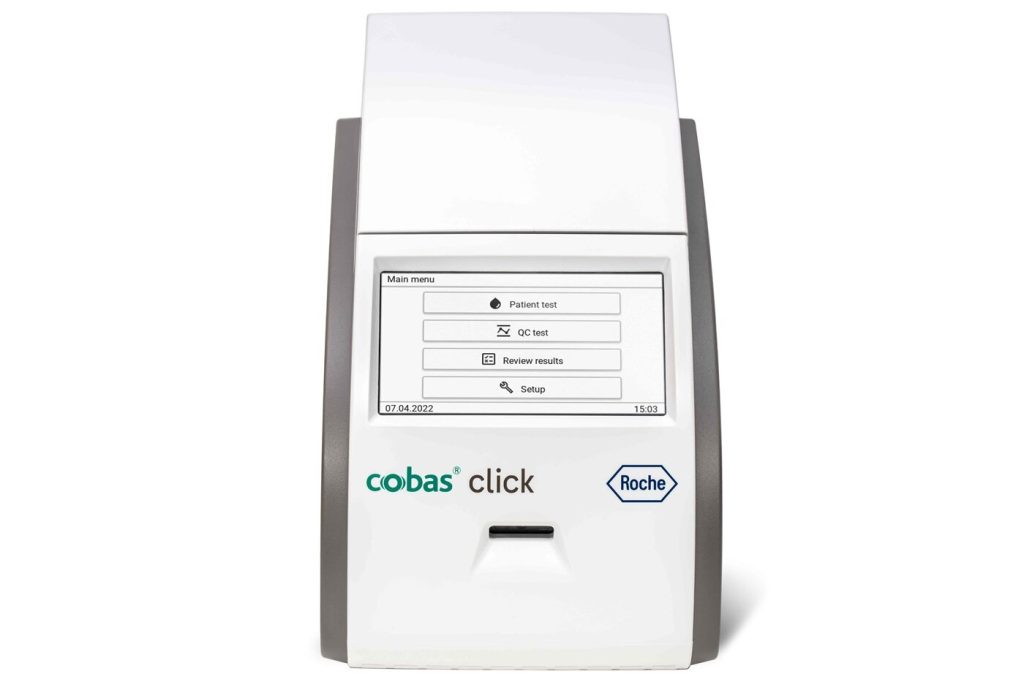
Imagine having the power to get crucial health information instantly, right where you are—no waiting, no delays. Point of care devices make this possible by bringing medical testing and monitoring directly to you or your healthcare provider.
Whether you’re managing a chronic condition or just want quick answers, these devices can transform how you experience healthcare. Curious about how they work and why they matter so much? Keep reading to discover how point of care devices are changing healthcare for the better—and what that means for your health and peace of mind.
Rise Of Point Of Care Devices
The rise of Point of Care (POC) devices is reshaping healthcare delivery around the world. These tools bring testing and diagnostics directly to the patient’s side, speeding up decision-making and improving outcomes. Imagine getting critical health information within minutes, no matter where you are—this is becoming a reality thanks to POC technology.
Have you ever wondered how healthcare used to manage without instant data? The shift to POC devices challenges traditional models and empowers both patients and providers with timely insights.
Evolution In Healthcare Technology
Healthcare technology has moved from bulky, centralized machines to compact, user-friendly devices. Early diagnostics required samples to be sent to labs, causing delays. Now, handheld devices deliver quick results, often within minutes.
This change didn’t happen overnight. Advances in microelectronics, wireless connectivity, and biosensors made it possible. You can now carry tools that once filled entire rooms in the palm of your hand.
Think about how this evolution affects you personally—whether in a clinic, ambulance, or even at home. Faster results mean faster treatment, which can save lives.
Types Of Point Of Care Devices
POC devices come in various forms, each designed for specific tasks. Here are some common types you might encounter:
- Blood Glucose Monitors:Essential for diabetes management, these devices offer instant blood sugar readings.
- Portable Ultrasound Machines:These compact units provide imaging without needing a full radiology suite.
- Rapid Infectious Disease Tests:From flu to COVID-19, these tests quickly identify infections at the bedside.
- Coagulation Analyzers:Used to monitor blood clotting, crucial during surgeries or for patients on blood thinners.
- Electrocardiogram (ECG) Devices:Portable ECGs help detect heart problems in real-time.
Which of these devices do you think has the biggest impact on patient care? Consider how having immediate access to information changes the way healthcare providers act.

Credit: www.henryschein.com
Benefits For Patients
Point of care devices provide quick test results, helping patients receive faster treatment. They also reduce hospital visits and improve care convenience.
Point of Care (POC) devices are transforming patient experiences in healthcare settings. These devices have become essential tools that offer numerous benefits, enhancing the quality and speed of healthcare delivery directly where it’s needed. As a patient, you might wonder how these innovative devices can make a difference in your healthcare journey. Let’s explore some of the key benefits that POC devices bring to patients.Faster Diagnosis And Treatment
Imagine waiting anxiously for test results, hoping for answers that could impact your health decisions. POC devices minimize this waiting time by offering rapid diagnostics right at your bedside. This means quicker decisions and faster treatment initiation, which can be crucial in emergency situations. Whether it’s a glucose test or a blood gas analysis, getting immediate results can significantly improve outcomes and relieve stress for both you and your loved ones.Enhanced Patient Convenience
Consider the hassle of scheduling appointments and traveling to healthcare facilities for routine tests. POC devices eliminate these inconveniences by providing tests and diagnostics right at your location. This not only saves time but also ensures that you remain in a comfortable environment, reducing the disruption to your daily life. It’s like having a mini-lab in your pocket, ready whenever you need it.Improved Accuracy And Reliability
While speed and convenience are important, accuracy is paramount in healthcare diagnostics. POC devices are designed to deliver precise results, eliminating the guesswork that often comes with traditional methods. With reliable data, you can make informed decisions about your health, ensuring that your treatment plan is tailored to your specific needs. This precision empowers you to take control of your health journey with confidence. The integration of Point of Care devices in healthcare is not just a technological advancement; it’s a patient-centered approach that prioritizes your needs and well-being. How do you think these devices might change your healthcare experience?Impact On Healthcare Providers
The impact of Point of Care (POC) devices on healthcare providers is profound and multi-dimensional. These tools are reshaping how clinicians perform daily tasks, make decisions, and manage patient care. Understanding this impact helps you appreciate the practical benefits POC devices offer in improving healthcare delivery.
Streamlined Workflow
POC devices simplify many routine tasks, allowing healthcare providers to complete tests and receive results quickly at the patient’s side. This reduces the need to send samples to central labs and wait for hours or days.
With less time spent on administrative steps, you can focus more on direct patient care. Imagine being able to adjust a treatment plan during the same visit rather than calling patients back later. This immediate feedback loop improves efficiency and patient satisfaction.
Reduced Hospital Readmissions
By providing timely and accurate data, POC devices help healthcare professionals identify complications early. This means you can intervene before a condition worsens and requires hospitalization.
For example, monitoring blood glucose levels or cardiac markers right at the bedside allows quick adjustments to therapy. This proactive approach supports better patient outcomes and reduces the strain on hospital resources.
Real-time Data Access
Having instant access to patient data empowers you to make informed decisions quickly. POC devices often integrate with electronic health records, providing a seamless flow of information.
Think about how much easier it is to track trends and spot abnormalities when data is available immediately. This real-time insight can be the difference between catching a problem early or missing critical warning signs.
Common Applications
Point of Care (POC) devices have transformed healthcare by bringing critical testing and monitoring directly to patients. These tools are no longer confined to labs or hospitals—they empower you to get quick and accurate results wherever care happens. Understanding their common applications helps you see how they fit into everyday healthcare scenarios, improving outcomes and saving time.
Chronic Disease Management
Managing chronic diseases like diabetes or hypertension requires regular monitoring. POC devices allow you to check blood sugar or blood pressure levels instantly, often at home or during a clinic visit. This immediate feedback helps you adjust medications or lifestyle without waiting days for lab results.
Imagine a diabetic patient who tests glucose levels multiple times daily. POC devices provide real-time data, reducing the risk of complications. Could having instant results change how you manage your own health conditions?
Infectious Disease Testing
Detecting infections quickly is crucial to prevent spread and start treatment. POC tests for influenza, COVID-19, or strep throat deliver fast answers, often within minutes. This speed lets healthcare providers make timely decisions, reducing unnecessary antibiotic use or hospital visits.
These devices often require only a small sample, like a swab or drop of blood, making the process less invasive and stressful. How much value would you place on knowing your infection status before symptoms worsen?
Emergency And Critical Care
In emergencies, every second counts. POC devices provide rapid diagnostics for heart attacks, stroke, or trauma patients right at the bedside. Tests for cardiac enzymes, blood gases, or electrolytes help doctors act fast and tailor treatments immediately.
For example, paramedics equipped with portable POC devices can start lifesaving interventions en route to the hospital. Could faster test results in critical moments mean the difference between life and death for someone you care about?
Technological Innovations
Technological innovations in point of care devices are reshaping healthcare delivery. These advancements make diagnostics faster, more accurate, and accessible right at the patient’s side. Understanding these innovations can help you appreciate how your healthcare experience can improve dramatically.
Integration With Mobile Devices
Mobile devices like smartphones and tablets now connect seamlessly with point of care tools. This integration allows healthcare providers to access real-time data instantly, whether in a clinic or remote location.
Imagine a nurse using a mobile app to monitor vital signs and share results immediately with a specialist miles away. This connectivity not only saves time but also reduces errors by eliminating manual data entry.
- Wireless communication protocols (Bluetooth, Wi-Fi) enable smooth device pairing.
- Apps provide user-friendly interfaces for easy data interpretation.
- Alerts and notifications ensure timely responses to critical changes.
Advances In Biosensors
Biosensors have become more sensitive and specific, detecting even minute changes in a patient’s condition. These tiny sensors can analyze blood, saliva, or sweat to deliver quick results.
During a recent checkup, I saw how a biosensor detected glucose levels in seconds, allowing immediate adjustments to treatment. Such precision helps avoid complications by catching issues early.
- Wearable biosensors monitor continuously without discomfort.
- New materials improve sensor durability and accuracy.
- Multiplexed sensors detect multiple biomarkers at once.
Artificial Intelligence And Analytics
Artificial intelligence (AI) algorithms process the huge amount of data generated by point of care devices. They identify patterns that may not be obvious to humans, aiding faster diagnosis.
Have you ever wondered how machines can predict health risks before symptoms appear? AI-powered analytics do just that by comparing your data to millions of others.
- AI helps prioritize patient cases based on severity.
- Predictive analytics guide personalized treatment plans.
- Continuous learning improves diagnostic accuracy over time.
Challenges And Limitations
Point of Care (POC) devices have transformed healthcare by providing rapid diagnostics and real-time data. However, the journey to seamless integration is far from simple. You must understand the challenges and limitations to make informed decisions about adopting these technologies.
Data Security Concerns
POC devices collect sensitive patient information outside traditional clinical settings. This raises serious questions about how securely this data is stored and transmitted.
Weak encryption or unsecured networks can expose data to breaches, putting patient privacy at risk. Have you considered how your practice protects this data during device use and transfer?
Healthcare providers need to implement strict security protocols and regular audits to stay ahead of cyber threats. Ignoring these risks can lead to costly legal consequences and loss of patient trust.
Regulatory And Compliance Issues
POC devices must comply with strict regulatory standards to ensure safety and accuracy. Navigating these complex rules can delay device deployment and increase administrative burden.
Each country has different certification requirements, and staying updated is a challenge for many healthcare providers. Have you faced delays or confusion due to shifting regulations around your POC devices?
Choosing devices with clear regulatory approval and vendor support can minimize compliance headaches. It’s crucial to allocate time and resources to this aspect from the beginning.
Cost And Accessibility
While POC devices promise quick results, their initial costs and maintenance expenses can be significant. Not all healthcare facilities, especially in rural or underserved areas, can afford these tools.
Beyond purchase price, consider expenses like training staff, calibration, and software updates. Does your budget realistically cover these ongoing costs?
Accessibility also depends on reliable power sources and internet connectivity, which aren’t always guaranteed. Evaluating these factors upfront helps avoid unexpected operational issues.
Future Trends
The future of point of care devices in healthcare looks promising and full of innovation. These devices will become smaller, smarter, and more connected. They will offer faster results and help doctors make better decisions. Patients will also benefit by managing their health from home or on the go.
Wearable Point Of Care Devices
Wearable devices will play a big role in future healthcare. They will monitor vital signs like heart rate, blood sugar, and oxygen levels continuously. These devices will alert users and doctors about any sudden changes. Comfort and ease of use will improve, making long-term use easier. Expect more devices that fit into everyday life, such as smartwatches and patches.
Telemedicine And Remote Monitoring
Remote monitoring will allow patients to share their health data instantly with doctors. This will reduce the need for hospital visits. Telemedicine platforms will integrate more point of care devices for real-time data sharing. Doctors will use this data to adjust treatments quickly. This approach will improve care for people in rural or hard-to-reach areas.
Personalized Healthcare Solutions
Point of care devices will support personalized healthcare by offering customized data. They will analyze individual health trends and suggest tailored treatments. Patients will receive alerts and guidance based on their unique conditions. This personalized approach will improve treatment outcomes and patient satisfaction. Technology will help healthcare shift from one-size-fits-all to precise care.
Credit: www.globalpointofcare.abbott

Credit: www.henryschein.com
Frequently Asked Questions
What Are Point Of Care Devices In Healthcare?
Point of care devices are portable tools used for immediate diagnostic tests at the patient’s location. They speed up diagnosis and treatment. These devices improve accuracy and patient care by providing quick, reliable results outside traditional labs.
How Do Point Of Care Devices Improve Patient Care?
They provide fast results, enabling timely medical decisions. This reduces delays in treatment and hospital stays. Point of care devices also enhance monitoring, leading to better management of chronic diseases and emergencies.
What Types Of Tests Do Point Of Care Devices Perform?
Common tests include blood glucose, cholesterol, pregnancy, and infectious disease detection. These devices also measure blood gases, electrolytes, and cardiac markers. They cover a broad range of diagnostics for diverse healthcare needs.
Are Point Of Care Devices Accurate And Reliable?
Yes, modern point of care devices undergo strict validation to ensure accuracy. They provide reliable results comparable to laboratory tests. Proper training and maintenance are essential for consistent performance.
Conclusion
Point of care devices bring tests closer to patients. They help doctors make faster decisions. This saves time and improves care quality. Patients get results without long waits. These tools work well in many healthcare settings. They reduce the need for complex lab work.
Care becomes more personal and effective. Technology keeps getting better and easier to use. Healthcare providers and patients both benefit from this. Point of care devices are a key part of modern medicine.