
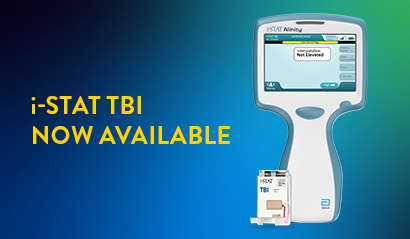
Imagine having quick and accurate blood test results right where you are—no waiting, no hassle. Point of Care Blood Testing Devices make this possible, putting powerful diagnostic tools in your hands.
Whether you’re a healthcare professional or someone who wants faster health insights, these devices can change the way you manage care. Curious how they work and why they matter? Keep reading to discover how Point of Care Blood Testing Devices can save time, improve decisions, and even save lives.
Evolution Of Blood Testing
Blood testing has transformed dramatically over the years, changing how quickly and accurately health information is available. Understanding this evolution helps you appreciate the convenience and speed of modern devices. It also highlights how technology has shifted testing from specialized labs directly to your fingertips.
Traditional Laboratory Methods
Blood tests used to require a trip to a hospital or clinic where samples were drawn and sent to distant laboratories. Results often took hours or even days, delaying critical decisions. These tests involved complex equipment operated by trained technicians, limiting accessibility for many people.
Imagine waiting anxiously for results that could affect your treatment plan or lifestyle. This delay sometimes meant conditions worsened before appropriate care began. The process was thorough but not designed for immediate action or convenience.
Emergence Of Point Of Care Devices
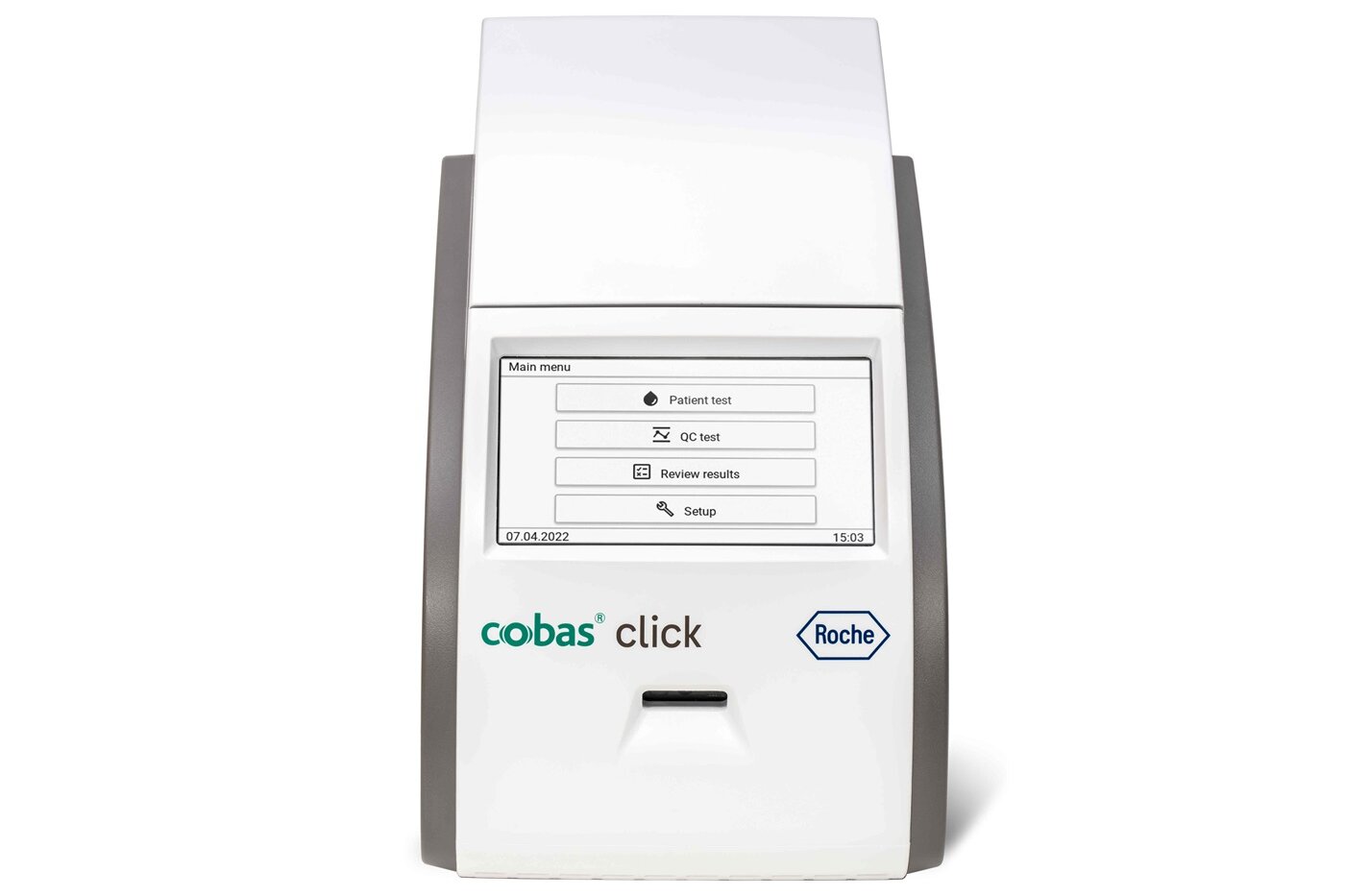
Point of Care (POC) blood testing devices changed the game by bringing lab-quality results to the patient’s side within minutes. These portable tools allow you or your healthcare provider to get instant insights during a visit. The speed helps in making quick, informed decisions that can improve outcomes.
Devices like handheld glucose meters or portable blood gas analyzers demonstrate how technology fits into busy schedules without sacrificing accuracy. Have you ever wondered how such small devices maintain precision comparable to large labs? Advances in biosensors and miniaturization make this possible, putting power directly in your hands.
By choosing POC testing, you avoid waiting times, reduce anxiety, and get immediate feedback on your health status. This shift not only improves patient experience but also increases efficiency for healthcare providers. Could this be the future of all diagnostic testing?
Credit: diagnostics.roche.com
Types Of Point Of Care Devices
Point of care blood testing devices come in several types. Each type serves different purposes and settings. These devices help deliver quick results outside traditional labs. They support faster decisions and improve patient care. Understanding their types helps choose the right device.
Handheld Analyzers
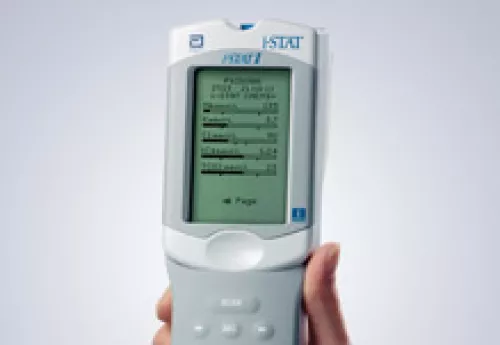
Handheld analyzers are small and easy to carry. They perform specific blood tests on the spot. Doctors and nurses use them during patient visits. These devices test things like hemoglobin, cholesterol, or blood gases. They give results within minutes, saving time.
Portable Blood Glucose Monitors
Portable blood glucose monitors are common for diabetes care. They measure blood sugar levels quickly. Users just need a tiny blood drop. These monitors are light and fit in pockets. They help patients control their sugar levels daily.
Multiparameter Testing Systems
Multiparameter testing systems test several blood components at once. They are larger but still portable. These systems check things like electrolytes, blood gases, and metabolites. They offer a broad view of patient health fast. Hospitals use them in emergency and critical care.
Technology Behind Rapid Testing
The technology behind rapid testing in point of care blood testing devices is remarkable. These devices offer quick results, making them essential in various healthcare settings. They utilize advanced technologies that streamline the testing process and provide accurate outcomes.
Microfluidics And Lab-on-a-chip
Microfluidics is a key technology in rapid blood testing. It involves the manipulation of small volumes of fluids. This allows precise control over testing processes. Lab-on-a-chip technology integrates multiple laboratory functions on a single chip. This miniaturization reduces testing time significantly. It also minimizes the need for large equipment. These chips are designed to handle various assays efficiently.
Biosensors And Electrochemical Detection
Biosensors play a crucial role in detecting biological elements in blood. They convert biological responses into measurable signals. Electrochemical detection uses chemical reactions to produce electrical signals. These signals indicate the presence of specific substances in blood samples. The sensitivity of biosensors ensures accurate detection, even for minute quantities.
Wireless Connectivity And Data Integration
Wireless connectivity enhances the functionality of testing devices. It enables easy transfer of data to healthcare systems. This integration allows for real-time monitoring and analysis. Data is stored securely and can be accessed remotely. It ensures seamless communication between devices and healthcare providers. This connectivity aids in quick decision-making, improving patient care.
Credit: tracktbinet.ucsf.edu
Clinical Applications
Point of Care Blood Testing Devices have transformed how medical professionals approach patient care. Their clinical applications extend across various settings, allowing for quick and accurate blood analysis without sending samples to distant labs. This capability directly impacts treatment decisions, improving outcomes and patient experience.
Emergency And Critical Care
In emergency rooms, every second counts. Point of Care Blood Testing Devices provide rapid results for critical parameters like blood gases, electrolytes, and coagulation profiles.
Imagine a trauma patient arriving with severe blood loss. Immediate access to blood test results helps doctors decide on transfusions and interventions without delay. This speed can make the difference between life and death.
Do you realize how much faster treatment becomes when lab wait times disappear?
Chronic Disease Management
Managing chronic diseases requires regular monitoring to prevent complications. Devices that test blood glucose, cholesterol, and hemoglobin levels at the point of care help patients and healthcare providers stay on top of these conditions.
Patients with diabetes, for example, can adjust their insulin doses during a clinic visit based on immediate blood glucose readings. This real-time feedback enhances control and reduces hospital visits.
Could having instant test results change how you manage your own health or that of a loved one?
Remote And Rural Healthcare
Access to diagnostic labs is often limited in remote or rural areas. Point of Care Blood Testing Devices bring vital testing capabilities directly to these locations.
Healthcare workers can screen for infections, anemia, or malnutrition with portable devices, enabling timely treatment. This approach reduces the need for patients to travel long distances for basic blood tests.
What impact would immediate testing have on communities where healthcare access is scarce?
Benefits For Patients And Providers
Point of care blood testing devices offer clear benefits for both patients and healthcare providers. These devices bring testing closer to the patient, speeding up critical health decisions. Faster results help doctors act quickly and accurately. Patients experience less stress and wait times. The overall care process becomes smoother and more efficient.
Faster Diagnosis And Treatment
Point of care devices deliver test results within minutes. This speed helps doctors diagnose conditions rapidly. Quick diagnosis leads to faster treatment plans. Patients avoid long waits for lab results. Early intervention can prevent health problems from worsening.
Improved Patient Outcomes
Timely testing supports better health results. Doctors can monitor patient conditions more closely. Immediate feedback allows quick adjustments to treatment. Patients feel more confident with fast answers. This approach reduces hospital visits and complications.
Cost-effectiveness And Convenience
These devices reduce the need for costly lab tests. They save money on hospital stays and follow-ups. Testing at the point of care is easier for patients. Many tests can be done during regular visits. This convenience encourages more regular health checks.

Credit: www.human.de
Challenges And Limitations
Point of Care (POC) blood testing devices bring convenience and speed to medical diagnostics. Yet, these devices face several challenges that can impact their effectiveness in clinical settings. Understanding these limitations helps you make better decisions about when and how to use them.
Accuracy And Reliability Concerns
POC devices often struggle to match the precision of traditional laboratory tests. Variability in sample quality and environmental factors can cause inconsistent results.
Imagine relying on a device that sometimes shows elevated glucose levels due to improper calibration. This can lead to unnecessary treatments or missed diagnoses. How confident are you in the accuracy of your POC test results?
Regulatory And Quality Control Issues
Many POC devices operate under different regulatory standards compared to central labs. This leads to gaps in quality control and oversight.
Some devices may not undergo rigorous validation before reaching the market, increasing the risk of faulty readings. It’s crucial to verify if your device complies with local healthcare regulations and maintains regular quality checks.
User Training And Operational Barriers
Even the best devices fail without proper user training. Incorrect sample collection, handling, or device operation can skew results.
Healthcare providers must invest time in training and ongoing competency assessments. Have you ever noticed inconsistencies in results that might be traced back to user errors? Addressing these barriers can significantly improve the reliability of POC testing.
Future Trends
The future of point of care blood testing devices is bright and full of promise. These devices will become faster, smarter, and more accessible. Innovations will help doctors and patients get results almost instantly. This will improve care and save lives.
Technology will push these devices beyond current limits. They will handle more tests and provide deeper insights. Testing will move from clinics to homes and remote places. This shift will make healthcare easier for many people.
Integration With Artificial Intelligence
Artificial intelligence will help analyze blood test results quickly. AI can detect patterns that humans might miss. It will offer suggestions for treatment based on data. This makes diagnosis more accurate and faster. AI integration will also reduce errors in reading results.
Expansion Of Test Panels
Future devices will test for more conditions at once. They will cover everything from infections to chronic diseases. This broad testing saves time and reduces the need for multiple visits. New sensors will allow more detailed and precise measurements. Patients will get a complete health overview in minutes.
Personalized And Home-based Testing
Testing will become more personal and convenient. Devices will adjust tests based on individual health needs. Home-based kits will let people check their health anytime. This helps catch issues early and track ongoing conditions. Easy-to-use devices will boost patient confidence and care.
Frequently Asked Questions
What Are Point Of Care Blood Testing Devices?
Point of care blood testing devices are portable tools used for quick blood analysis. They provide immediate results at the patient’s location, improving diagnosis speed and treatment decisions without needing a full laboratory setup.
How Accurate Are Point Of Care Blood Tests?
These devices offer high accuracy, comparable to traditional labs. Advances in technology ensure reliable results, but accuracy may vary by device and test type. Proper calibration and maintenance are essential for precise outcomes.
What Conditions Can Point Of Care Blood Tests Detect?
Point of care blood tests detect various conditions like diabetes, anemia, infections, and cholesterol levels. They assist in rapid screening and monitoring, enabling timely medical interventions and better patient management.
Are Point Of Care Blood Testing Devices Easy To Use?
Yes, these devices are designed for simplicity and quick operation. Healthcare providers can use them with minimal training, making them ideal for clinics, emergency settings, and remote locations.
Conclusion
Point of care blood testing devices bring quick results to patients and doctors. They help in making faster decisions for better care. These devices are easy to use and save time in clinics and hospitals. Using them reduces the need for multiple visits and long waits.
As technology grows, these tools will become even more common. They make health checks simpler and more accessible for everyone. Such devices support better health outcomes by providing timely information. They truly change how medical testing happens day to day.