
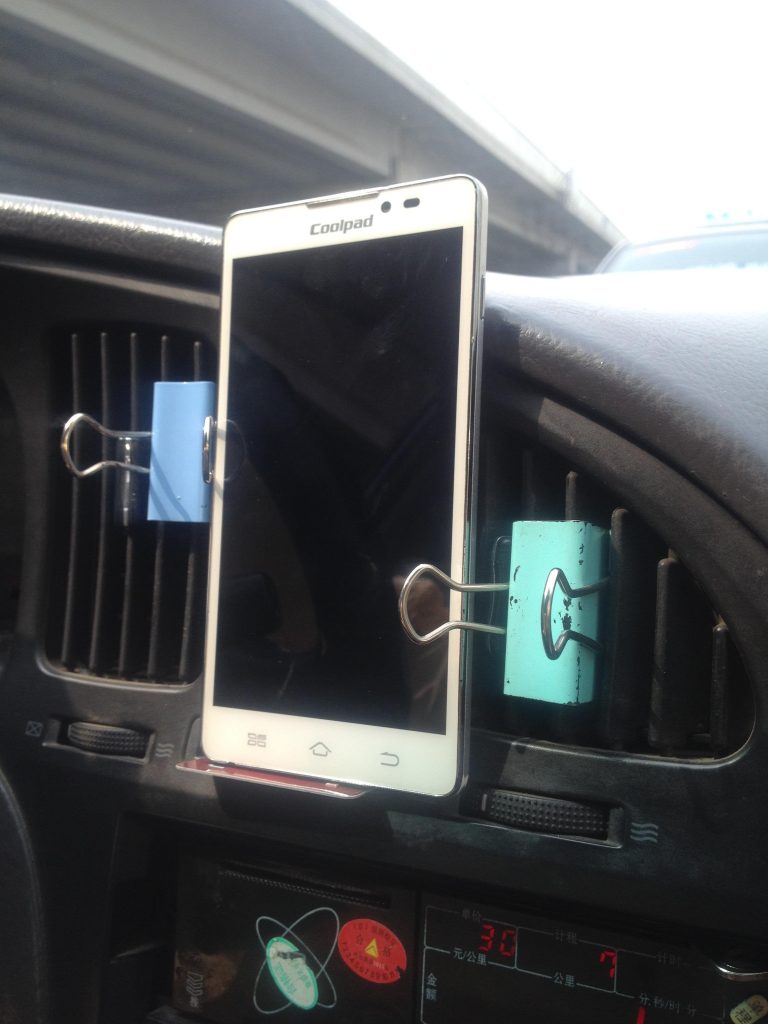
Are you tired of fumbling with your phone while driving? A phone holder for your car can make a huge difference, keeping your device secure and your hands free.
But buying one isn’t your only option—you can create your own DIY phone holder quickly and cheaply. Imagine having a custom solution that fits your style and needs perfectly. You’ll discover simple steps to build your own phone holder, saving money and staying safe on the road.
Keep reading to find out how easy it is to make a phone holder that works just for you.
Choosing The Right Materials
Building a phone holder for your car can be easy and fun. Picking the right materials helps make a strong and safe holder.
Good materials protect your phone and last a long time in your vehicle.
Types Of Phone Holders
Phone holders come in many styles. Knowing each type helps you pick the best materials.
- Magnetic holders:Use magnets to hold the phone in place.
- Clamp holders:Grip the phone tightly with adjustable arms.
- Cradle holders:Support the phone on a fixed base or arms.
- Vent mount holders:Attach to the air vents of your car.
- Dashboard holders:Stick or suction to the dashboard surface.
Plastic and rubber are common for clamps and cradles. Metal parts add strength to magnetic holders.
Essential Tools And Supplies
| Tool or Supply | Purpose |
| Plastic sheets or parts | Shape and support phone holder |
| Rubber pads | Prevent phone slipping and scratches |
| Strong magnets | Hold phone securely in magnetic holders |
| Metal rods or brackets | Add strength and durability |
| Glue or screws | Fix parts together firmly |
| Cutting tools | Shape and size materials |
| Sandpaper | Smooth edges and surfaces |

Credit: www.temu.com
Preparing The Mounting Surface
Installing a phone holder in your car starts with preparing the surface. A clean and smooth area helps the holder stick well. It also makes the setup last longer.
Taking time to prepare the mounting spot ensures your phone stays secure while driving. Follow these tips to get the best results.
Cleaning And Smoothing
Clean the mounting surface carefully. Dirt and dust can stop the holder from sticking well. Use a soft cloth and some rubbing alcohol to wipe the area.
- Use a mild cleaner or rubbing alcohol to remove grease.
- Wipe the surface with a dry cloth to remove moisture.
- Check for bumps or rough spots and smooth them if needed.
- Let the surface dry completely before attaching the holder.
Selecting The Ideal Location
Choose a spot that is easy to reach and does not block your view. Make sure the surface is flat and wide enough to hold the phone mount securely.
| Location | Advantages | Considerations |
| Dashboard | Easy to see and reach | May get hot under sun |
| Windshield | Keeps phone at eye level | Check local laws about placement |
| Air vent | Does not block view | May block airflow or cause heat issues |
Building The Holder Frame
Creating a phone holder for your car can be a fun and practical DIY project. You’ll need to carefully cut, shape, and assemble various components for the holder frame.
This guide will walk you through the essential steps of crafting the frame and ensuring it is sturdy enough to hold your phone securely while driving.
Cutting And Shaping Components
The first step in building the holder frame involves cutting and shaping components. You’ll need materials such as plastic, wood, or metal, depending on your preference.
- Measure the dimensions of your phone to determine the size of the holder.
- Cut the main frame piece according to your measurements.
- Shape the edges to ensure a smooth finish and comfortable handling.
Assembling The Base Structure
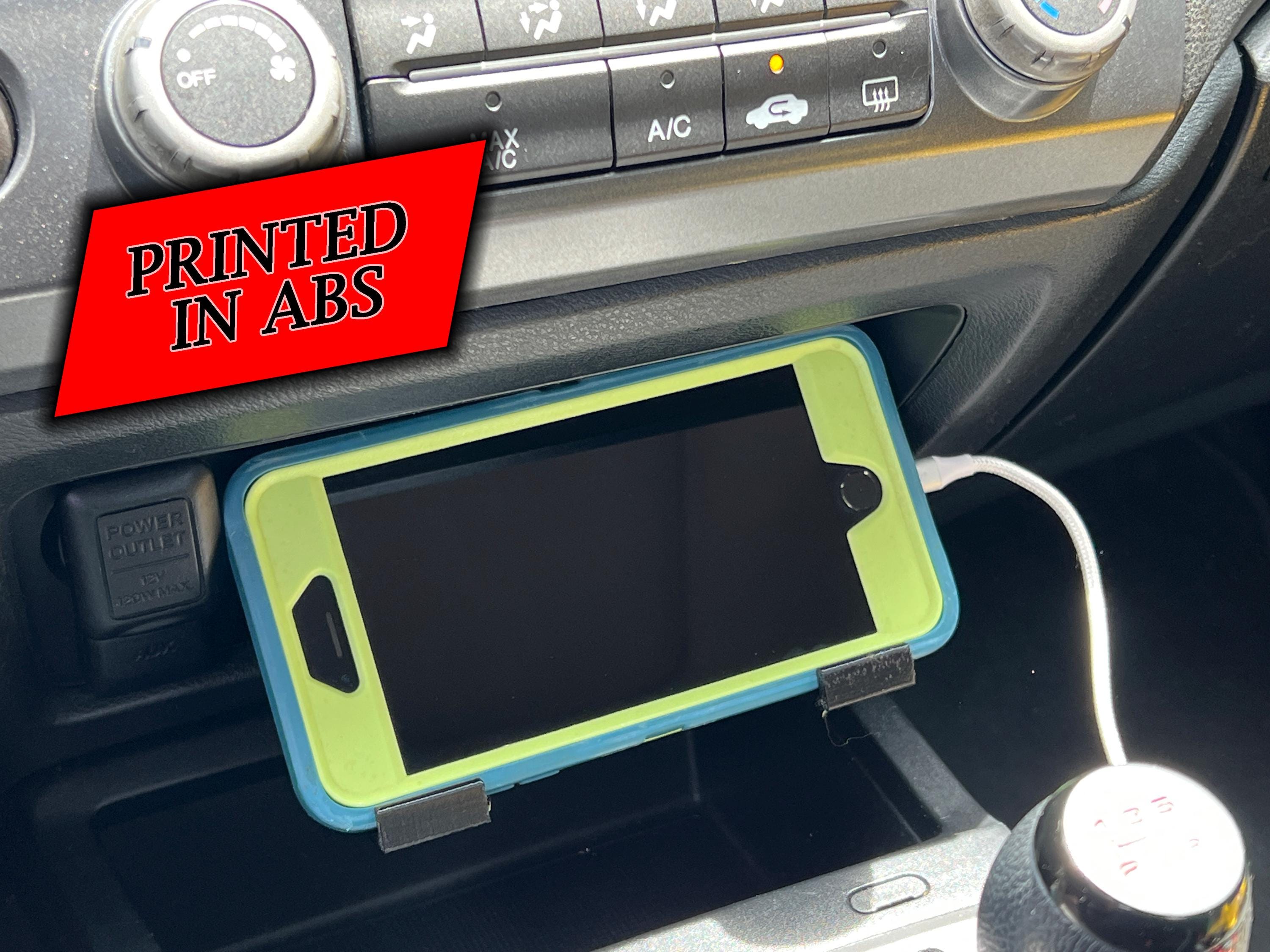
Once your components are cut and shaped, it’s time to assemble the base structure. This ensures the holder is stable and can support the weight of your phone.
| Component | Purpose |
| Base Plate | Provides stability and support |
| Side Grips | Hold the phone securely in place |
| Back Support | Offers additional support to the phone |
Credit: www.etsy.com
Attaching The Phone Grip
Attaching a phone grip to your car holder is an easy step in making a DIY phone holder. The grip helps keep your phone steady while driving.
Choosing the right way to attach the grip is important for safety and convenience.
Using Adhesives And Fasteners
Adhesives stick the phone grip firmly to the holder. Use strong glue or double-sided tape made for plastic or metal.
Fasteners like screws or clips can also hold the grip in place. Make sure they fit well and do not damage the phone or holder.
- Clean the surface before using adhesives
- Press firmly and hold for a few seconds
- Check that fasteners are tight and secure
- Use fasteners only if the holder material allows
Ensuring Secure Phone Placement
Make sure the phone grip holds your phone without slipping. Test it by placing and removing the phone several times.
Adjust the grip or attachment if the phone moves or feels loose. Secure placement helps keep your phone safe while driving.
- Check the grip fits your phone size
- Test the holder on different surfaces
- Use rubber or soft materials to prevent scratches
- Replace the adhesive if it loses stickiness
Installing The Holder In Your Car
Installing a phone holder in your car helps keep your phone secure and easy to see. It also makes driving safer by reducing distractions.
This guide explains how to install a phone holder step-by-step. Follow simple tips to place it correctly.
Mounting Techniques
You can mount the phone holder in different ways. Choose the method that fits your car and phone best.
Popular mounting options include using the dashboard, air vent, or windshield. Each method has its own benefits.
- Dashboard mount:Use adhesive pads or suction cups to stick the holder on a flat surface.
- Air vent mount:Clip the holder onto the air vent slats for easy reach.
- Windshield mount:Attach the holder with a suction cup to the windshield glass.
Testing Stability And Accessibility
After mounting, test if the holder stays stable while driving. It should not shake or fall off.
Check if the phone is easy to reach and see. Avoid blocking your view or car controls.
- Shake the holder gently to check stability.
- Place your phone and adjust the holder angle.
- Make sure buttons and vents are not blocked.
- Try using the phone holder while driving at low speed.
Customizing And Enhancing
Building a phone holder for your car lets you add personal touches. You can improve its look and function to fit your needs.
Simple changes can protect your phone and make the holder easier to use. This guide covers padding and adjustable features.
Adding Padding For Protection
Padding keeps your phone safe from scratches and shocks. Use soft materials like foam or felt inside the holder.
- Cut foam pieces to fit the phone holder’s edges.
- Glue felt strips where the phone touches the holder.
- Use rubber pads to reduce vibration while driving.
- Cover the padding with fabric for a neat look.
Incorporating Adjustable Features
Adjustable parts let you change the holder to fit different phone sizes. You can also change the angle for better viewing.
| Feature | Purpose | How to Add |
| Sliding Arms | Fit phones of different widths | Attach sliding rails with screws |
| Rotating Base | Change phone viewing angle | Use a swivel joint or ball mount |
| Telescoping Arm | Adjust distance from dashboard | Use extendable tubes with locking clips |
Troubleshooting Common Issues
Building a phone holder for your car is useful but can have problems. Some parts may become loose or not hold well. Fixing these issues helps keep your phone safe and steady.
Below are ways to fix loose mounts and improve how well your phone stays in place. These tips are easy to follow and use simple tools or materials.
Fixing Loose Mounts
Loose mounts can cause your phone holder to wobble or fall. Tightening and securing the parts can stop this problem. Check screws, joints, and suction cups often.
- Use a screwdriver to tighten all screws firmly.
- Apply a small amount of glue to joints if they move too much.
- Clean suction cups and the car surface before attaching to improve stickiness.
- Replace worn-out suction cups or mounting pads with new ones.
- Use rubber washers or pads to reduce slipping in the mount.
Improving Grip Strength
A weak grip lets your phone slip or fall while driving. Adjusting the holder’s arms and padding can help hold your phone tight. Adding extra grip materials works well.
| Grip Method | How It Helps |
| Rubber Pads | Increase friction between phone and holder |
| Foam Inserts | Fill gaps and soften contact points |
| Silicone Bands | Wrap around phone for extra hold |
| Adjustable Clamps | Allow tighter fitting for different phone sizes |
| Textured Surfaces | Prevent phone from sliding inside holder |

Credit: www.youtube.com
Frequently Asked Questions
What Materials Are Best For A Diy Car Phone Holder?
Strong materials like wood, plastic, or metal work best for DIY holders. They ensure durability and secure grip while driving.
How Can I Attach A Phone Holder In My Car?
Use suction cups, adhesive pads, or clamps for easy mounting. Choose a method that suits your car’s interior and phone size.
Is It Safe To Use A Homemade Phone Holder While Driving?
Yes, if built sturdily and positioned to avoid distraction. Always ensure it holds the phone firmly and doesn’t block your view.
Can I Customize My Diy Phone Holder For Different Phone Sizes?
Absolutely! Design adjustable grips or elastic bands to fit various phone sizes. This flexibility makes your holder versatile and user-friendly.
Conclusion
Creating a phone holder for your car can save money and add convenience. You can use simple materials found at home. A good holder keeps your phone steady and easy to see. It helps you drive safely without distraction. Try different designs until you find what works best.
DIY projects like this give a sense of pride. Start your project today and enjoy a hands-free drive. Safe and simple—just how it should be.