

Have you ever wondered if waxing your car is really worth the effort? You might think it’s just a cosmetic step, but what if waxing could actually protect your car and keep it looking brand new for longer?
Whether you’re a car enthusiast or just want your ride to shine, understanding the true benefits of waxing can save you time and money. Keep reading to discover why waxing your car might be one of the best things you do for it—and how it can make a real difference you’ll notice every time you step outside.
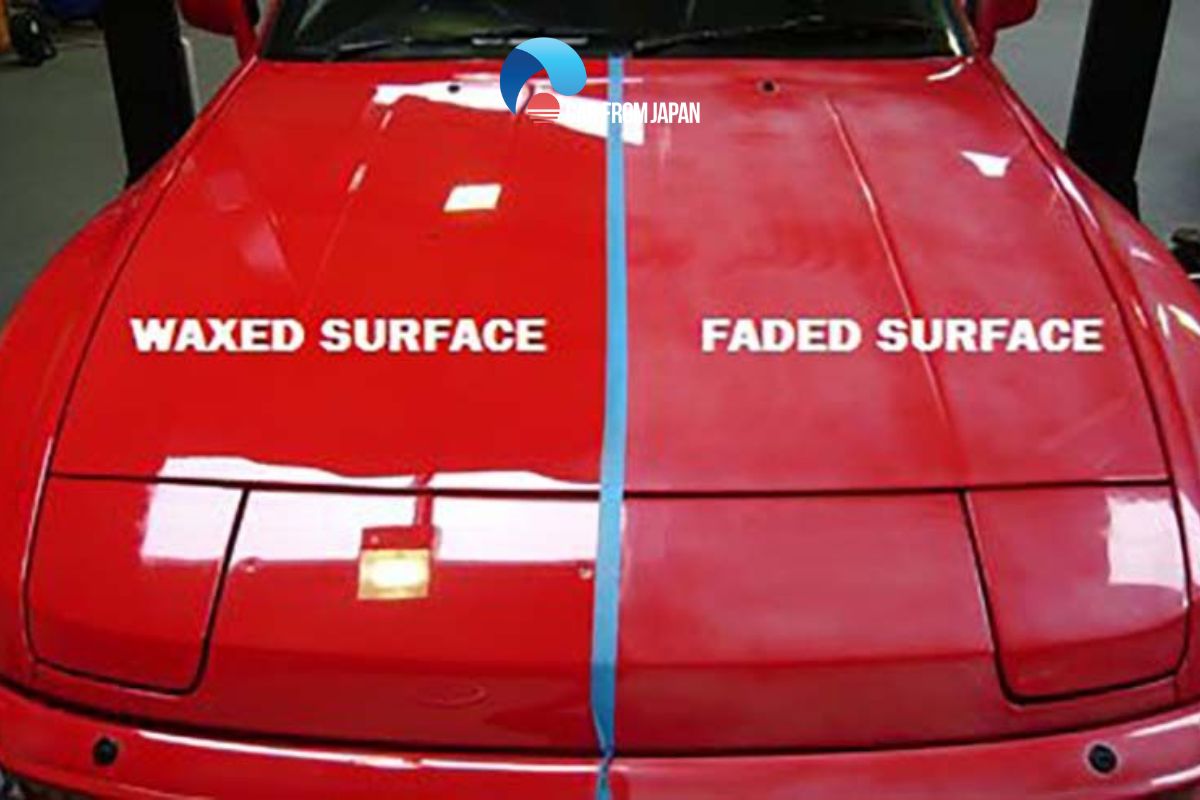
Credit: carfromjapan.com
Why Wax Your Car
Waxing your car might seem like just an extra chore, but it actually plays a vital role in keeping your vehicle looking great and lasting longer. It’s more than just making your car shine; waxing provides multiple benefits that protect and enhance your car’s exterior. If you’ve ever wondered why so many car enthusiasts swear by waxing, here’s why it’s worth your time.
Protection Against Elements
Cars face harsh conditions every day—sun, rain, dust, and pollution. Wax creates a strong barrier that shields your paint from UV rays, preventing fading and discoloration. It also helps keep dirt and grime from sticking, making your car easier to clean.
I remember skipping waxing for a summer, and my car’s paint looked dull and patchy. After waxing, the difference was clear—not just in shine but in how protected the surface felt.
Enhanced Shine And Appearance
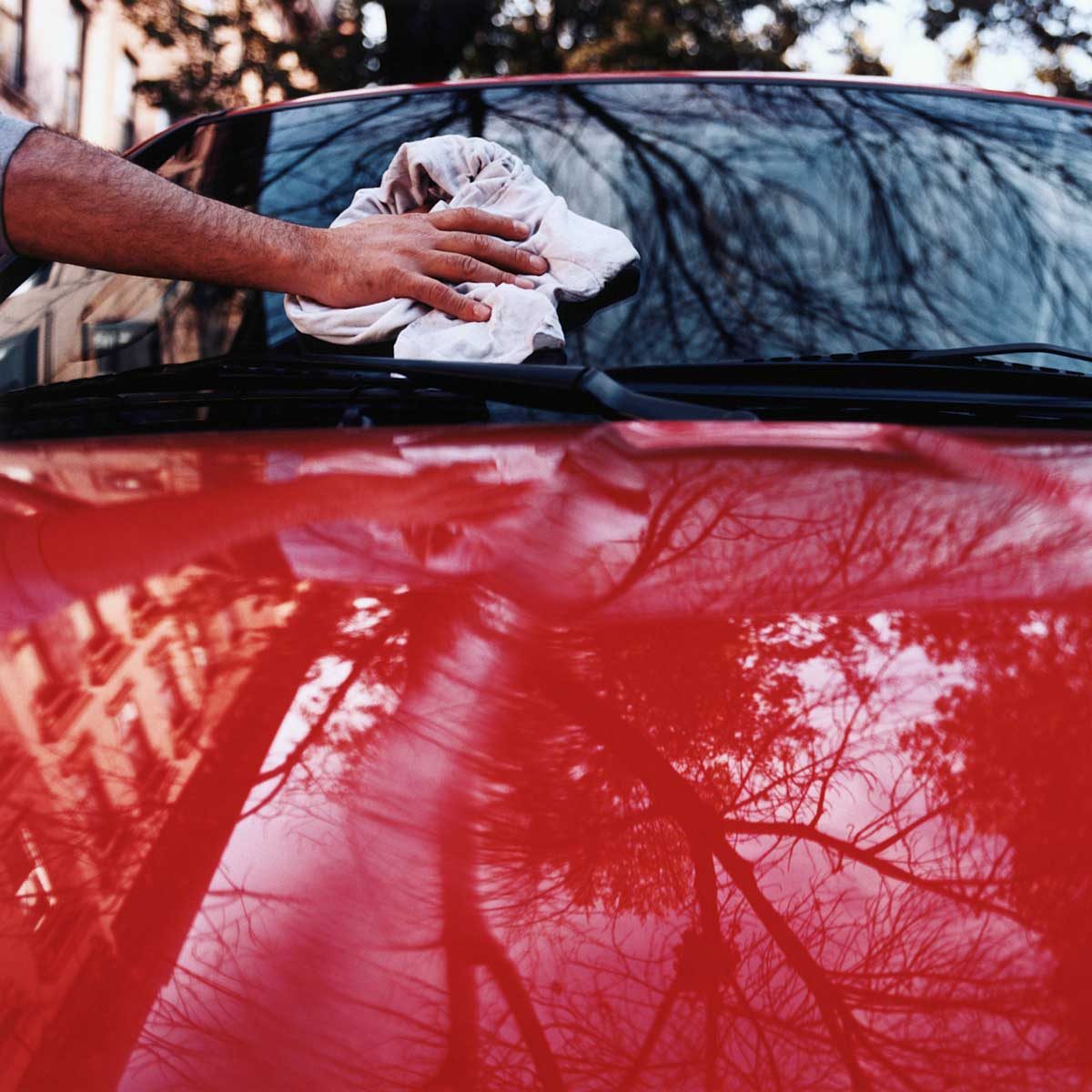
Waxing brings out a deep, glossy shine that washing alone can’t achieve. It smooths the surface, reflecting light better and giving your car a polished, showroom look.
Think about the last time you saw a freshly waxed car—you noticed the difference immediately. That shine not only turns heads but also boosts your pride in your vehicle.
Preventing Paint Damage
Small scratches and swirl marks happen easily, especially during washing or from road debris. Wax forms a protective layer that absorbs minor abrasions, keeping the original paint underneath safe.
Without this layer, tiny scratches can build up and ruin the finish. Waxing regularly helps maintain your car’s paint quality and can save you from costly repairs later.
Water Repellency Benefits
Wax makes water bead up and roll off your car’s surface quickly. This reduces water spots and helps prevent rust from forming in vulnerable areas.
Driving in the rain becomes less stressful because water won’t cling to your windows and bodywork as much. You’ll notice that your car dries faster and stays cleaner longer.
Credit: www.familyhandyman.com
Types Of Car Wax
Choosing the right type of car wax can make a big difference in how your car looks and how well it’s protected. Not all waxes are the same, and understanding their differences can help you pick one that suits your needs and lifestyle. Let’s break down the main types of car wax so you know what to expect from each.
Natural Vs Synthetic Waxes
Natural waxes usually come from carnauba, a plant-based material known for its deep shine and warm glow. It’s a favorite for those who want their car to have a rich, glossy finish that really stands out in sunlight.
Synthetic waxes are made from polymers and other man-made ingredients. They tend to last longer and offer stronger protection against the elements, which is great if you want durability over pure shine.
Think about your priorities: do you want that classic, vibrant look or a tough shield that holds up well over time? Your answer will guide you towards natural or synthetic wax.
Spray, Paste, And Liquid Options
Wax comes in different forms, each with its own pros and cons. Spray wax is super easy to apply and perfect for quick touch-ups. It won’t last as long but is great if you want a fast shine without much effort.
Paste wax offers a thicker, more durable layer of protection. It takes more time to apply but gives a rich, deep finish that many car enthusiasts love. If you enjoy detailing your car and have some patience, paste wax might be the choice for you.
Liquid wax falls somewhere in between. It’s easier to spread than paste and lasts longer than spray. Many people find it a good balance between ease of use and lasting protection.
Ask yourself how much time you want to spend on waxing and what kind of finish you expect. Your lifestyle and car care habits will help decide the best form for you.
How Often To Wax
Knowing how often to wax your car helps keep its shine and protection strong. Wax forms a barrier that guards against dirt, sun, and water. But the right timing depends on several factors. Waxing too often wastes time and product. Too rarely leaves your car vulnerable to damage.
Seasonal Considerations
Season changes affect how often you should wax your car. In winter, salt and moisture can wear down wax faster. Waxing every 6 to 8 weeks helps protect against road salt and grime. In summer, sun exposure fades wax and paint. Waxing every 4 to 6 weeks keeps the finish bright. Spring and fall are mild seasons. Waxing every 8 to 12 weeks works well. Adjust waxing frequency based on weather and environment.
Driving Habits Impact
How often you drive and where matters too. Frequent driving on highways or dusty roads wears wax faster. Cars parked outside in direct sunlight lose wax quicker than those in garages. If you wash your car often, wax may need reapplying sooner. For daily drivers, waxing every 4 to 6 weeks is ideal. For occasional drivers, waxing every 8 to 12 weeks is enough. Consider your driving routine to decide when to wax next.
Common Mistakes To Avoid
Waxing your car can keep it shiny and protected. Avoid common mistakes to get the best results. These errors can cause damage or reduce the wax’s effectiveness. Pay close attention to the details before starting.
Waxing On Dirty Surfaces
Never apply wax on a dirty car. Dirt and dust can scratch the paint. Always wash and dry your car first. A clean surface helps the wax stick properly. This step also prevents trapping grime under the wax.
Using Too Much Or Too Little Wax
Applying the right amount of wax is important. Too much wax creates a sticky, uneven layer. This makes it hard to buff off. Too little wax won’t protect your car well. Follow the instructions on the wax product. Use a thin, even coat for best results.
Diy Vs Professional Waxing
Waxing your car protects the paint and keeps it shiny. DIY waxing saves money but needs time and care. Professional waxing offers expert results but costs more.
Waxing your car is an essential part of maintaining its shine and protecting the paintwork. But the question arises: should you take the DIY route or rely on professional services? Each option has its own set of advantages and challenges. By weighing these against your needs, you can make an informed decision. Let’s dive into the nitty-gritty of DIY vs Professional Waxing.
Cost And Convenience
Choosing between DIY and professional waxing often boils down to cost and convenience. DIY waxing is generally more affordable. You only need to invest in a good quality wax and some basic tools. However, you must also consider the time and effort involved. Waxing a car yourself can be time-consuming, especially if you’re aiming for a showroom finish. On the other hand, professional waxing services save you time but come at a higher price. Is the convenience worth the extra cost for you?
Quality And Longevity
Quality and longevity are critical when considering car waxing. DIY waxing allows you to choose products tailored to your car’s specific needs. But achieving a high-quality finish requires skill and patience. Professional services often use high-grade products and have experienced staff to ensure a top-notch finish. This can result in a longer-lasting shine and better protection for your car. Have you ever noticed how a professionally waxed car seems to maintain its gleam longer? Balancing cost, convenience, quality, and longevity is key to deciding between DIY and professional waxing. Whether you prioritize budget, time, or the perfect finish, your choice should align with your personal needs and expectations.

Credit: www.carparts.com
Frequently Asked Questions
What Are The Benefits Of Waxing Your Car Regularly?
Waxing protects your car’s paint from UV rays, dirt, and moisture. It enhances shine and prevents oxidation. Regular waxing also makes washing easier and helps maintain the vehicle’s resale value by preserving its exterior condition.
How Often Should I Wax My Car For Best Results?
It’s best to wax your car every three to four months. This frequency maintains protection and shine without causing buildup. If you live in harsh climates, consider waxing more often to shield the paint from damage.
Can Waxing Prevent Scratches And Paint Damage?
Waxing adds a protective layer that reduces minor scratches and swirl marks. While it won’t stop deep scratches, it helps prevent paint fading and damage caused by environmental elements. Waxing keeps the surface smooth and resilient.
Is Waxing Better Than Polishing For Car Paint?
Waxing protects and enhances shine, while polishing removes surface imperfections. Both are important, but waxing is better for ongoing protection. Polishing should be done less frequently to restore paint, followed by waxing to seal and protect.
Conclusion
Waxing your car helps protect its paint and keeps it shiny. It creates a barrier against dirt, rain, and sun damage. Regular waxing can also make washing your car easier. It saves your car’s surface from scratches and fading. Though it takes some time, the results are worth it.
A well-waxed car looks cleaner and newer for longer. Small effort, big benefits. So, waxing your car is a good choice to maintain its look and value.