
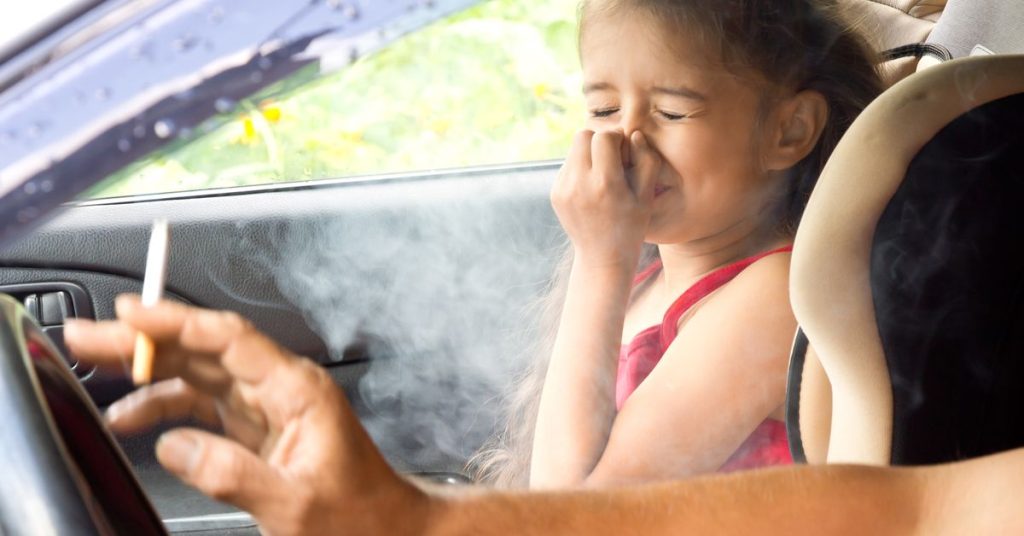
Have you ever wondered if it’s against the law to smoke in the car when kids are inside? You might think it’s just a personal choice, but the truth could surprise you.
Your actions behind the wheel don’t just affect you—they impact the little ones sharing the space with you. You’ll discover what the law says about smoking in cars with children and why it matters more than you might think. Keep reading to find out how protecting kids could also protect you from serious consequences.
Smoking Laws In Vehicles
Understanding smoking laws in vehicles is essential, especially if you often drive with children. These laws are designed to protect young passengers from harmful secondhand smoke. Knowing the rules helps you avoid fines and, more importantly, keeps your kids safe.
General Smoking Restrictions
Many places have broad restrictions on smoking in public spaces, which sometimes extend to vehicles. These laws often aim to reduce exposure to secondhand smoke, which is especially harmful to children. Even if not explicitly banned, smoking in a confined space like a car can be seen as endangering health.
Have you noticed how cigarette smoke lingers in a car, even with windows open? That’s why some regions treat smoking inside vehicles seriously, considering the limited ventilation and close quarters.
Laws Specific To Cars
Several regions have passed laws that specifically prohibit smoking in cars when children are present. These laws vary in scope; some ban smoking if anyone under 18 is in the vehicle, while others might include stricter age limits or apply only when the vehicle is moving.
Penalties for breaking these laws can range from fines to points on your driving license. If you’ve ever been caught smoking in a car with kids, you know the consequences can be more than just a ticket — it’s about protecting the health of your passengers.
Variations By Region
Smoking laws in vehicles differ widely depending on where you live. For example, in some US states, it’s illegal to smoke in a car with children under a certain age, while other states have no such laws.
In the UK, the law prohibits smoking in a vehicle with anyone under 18, regardless of whether the car is moving. Meanwhile, countries like Australia have strict rules that also apply to private vehicles.
Are you aware of your local laws on this issue? Checking your region’s specific regulations can help you avoid unintentional violations and keep your family safe.

Credit: medium.com
Child Protection Regulations
Child protection regulations aim to keep children safe from harmful environments. Smoking inside a car with kids present is a serious concern. Many laws now ban smoking in vehicles when children are inside. These rules protect children’s health and well-being. Understanding these regulations helps parents and caregivers follow the law and protect young passengers.
Why Kids Are Vulnerable
Children breathe faster than adults. Their lungs absorb more smoke and toxins quickly. Smoke exposure can cause asthma, infections, and other health problems. Kids cannot remove themselves from smoky spaces. Their bodies are still growing and more sensitive to harm. Protecting children from smoke is essential to their health.
Legal Age And Definitions
Laws define a child by age, often under 18 or 16. Smoking bans in cars usually apply if a child is present. The exact age can differ by state or country. “Smoking” includes cigarettes, e-cigarettes, and other tobacco products. These rules help ensure minors are not exposed to harmful smoke.
Penalties For Violations
Violating child protection smoking laws leads to fines and penalties. Fines vary depending on the location and number of offenses. Repeat offenders may face higher fines or legal action. Some places add points to a driver’s license record. Enforcement encourages adults to follow the law and keep kids safe.
Health Risks Of Smoking Around Kids
Smoking around children, especially in confined spaces like cars, exposes them to serious health risks. The air inside a vehicle traps smoke, making it harder for kids to escape harmful chemicals. Understanding these risks can help you protect your loved ones from unnecessary harm.
Secondhand Smoke Effects
Secondhand smoke contains thousands of chemicals, many of which are toxic. When you smoke in a car with kids, they inhale these harmful substances, increasing their chances of respiratory problems.
Children often suffer from coughing, wheezing, and asthma attacks due to smoke exposure. Have you noticed how your child’s breathing worsens after a car ride with a smoker?
Long-term Health Consequences
Repeated exposure to smoke can lead to chronic health issues in children. These include lung infections, bronchitis, and even an increased risk of sudden infant death syndrome (SIDS) in infants.
Long-term damage to the lungs can affect a child’s quality of life well into adulthood. Protecting them now means fewer health problems later.
Impact On Child Development
Smoking around kids doesn’t just affect their physical health—it can slow their development too. Research shows that exposure to smoke is linked to learning difficulties and behavioral problems in children.
Imagine the frustration of watching your child struggle with focus or schoolwork because of avoidable environmental factors. Doesn’t every child deserve a smoke-free environment to grow and thrive?
Enforcement And Reporting
Understanding how the laws about smoking in cars with kids are enforced and reported can be crucial for both protecting children and ensuring compliance. It’s not just about knowing the rules but also about understanding how these laws are put into practice. Here’s what you need to know about enforcement and reporting, and how they play a pivotal role in safeguarding young passengers.
How Laws Are Enforced
Laws prohibiting smoking in cars with children are enforced through traffic stops and routine patrols. Police officers can issue fines or warnings if they spot someone smoking with a child present. It’s interesting to note how the presence of children in the vehicle can turn a simple traffic check into a protective measure for their health.
Reporting Violations
Witnessing someone smoke in a car with kids can be frustrating, but there are ways to report it. You can contact local law enforcement to report the violation, providing details like the vehicle’s license plate number and location. This kind of community involvement can make a big difference in enforcing the law and protecting children.
Role Of Law Enforcement
Law enforcement plays a critical role in ensuring these laws are followed. Officers are trained to recognize and address such violations during their patrols. Their active involvement ensures not only compliance but also educates the public about the importance of keeping the air clean for young passengers.
Alternatives And Safe Practices
Keeping children safe from the dangers of smoking in cars is a responsibility every driver should take seriously. Finding alternatives and practicing safe habits can protect young passengers from harmful secondhand smoke without sacrificing your comfort. Let’s look at some practical steps you can take to maintain a smoke-free environment while still managing your smoking habits responsibly.
Designated Smoking Areas
Choosing designated smoking areas outside the car is one of the simplest ways to protect kids from smoke exposure. Stepping out of the vehicle to smoke allows fresh air to circulate inside, eliminating the buildup of harmful chemicals.
Consider planning your trips with quick stops where you can safely smoke away from children. This habit also sets a clear example, showing your kids that smoking isn’t appropriate around them.
Using Car Air Filters
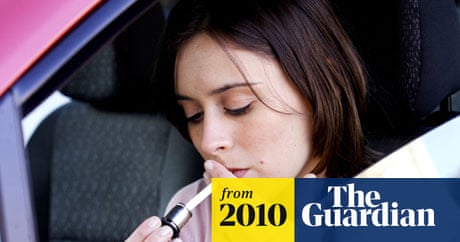
Although air filters cannot completely remove smoke particles, high-quality car air purifiers can reduce the concentration of smoke inside your vehicle. These devices work best when combined with other smoke-free practices, such as opening windows and limiting smoking in the car.
If you must smoke occasionally, using an air filter can help reduce lingering odors and harmful particles. Have you ever noticed how fresh your car feels after running an air purifier? That’s the kind of environment your kids deserve every time they ride with you.
Promoting Smoke-free Environments
Creating and maintaining a smoke-free space in your car sends a powerful message about health and respect. You can establish clear rules, such as no smoking when children are present, and communicate these boundaries with everyone who uses the vehicle.
Encourage family and friends to support your smoke-free commitment. Your consistent actions make it easier to protect your loved ones and inspire others to think twice before lighting up around kids.

Credit: nativesmokes4less.one
Credit: www.theguardian.com
Frequently Asked Questions
Is Smoking In A Car With Kids Illegal Everywhere?
No, smoking in cars with children is illegal only in some states and countries. Laws vary widely, so check local regulations for specific rules.
What Are The Health Risks Of Smoking Around Kids In Cars?
Secondhand smoke harms children’s lungs and increases risks of asthma, infections, and sudden infant death syndrome (SIDS). Enclosed spaces worsen exposure.
Can I Get Fined For Smoking In A Car With Kids?
Yes, many places impose fines for smoking in cars when children are present. Fines aim to protect children’s health and discourage smoking indoors.
Which Age Group Is Protected By Car Smoking Bans?
Most laws protect children under 18 years old, but some specify younger age limits. Always verify local laws for exact age restrictions.
Conclusion
Smoking in the car with kids can harm their health badly. Many places have laws banning this to protect children. These rules help keep the air inside clean and safe. Parents and drivers should think about the risks before lighting up.
Protecting children from smoke is always the right choice. Remember, healthy kids mean a happier family and safer rides. Stay informed and respect local laws to avoid trouble. Small actions make a big difference for young ones. Choose smoke-free cars for a safer, healthier trip every time.