
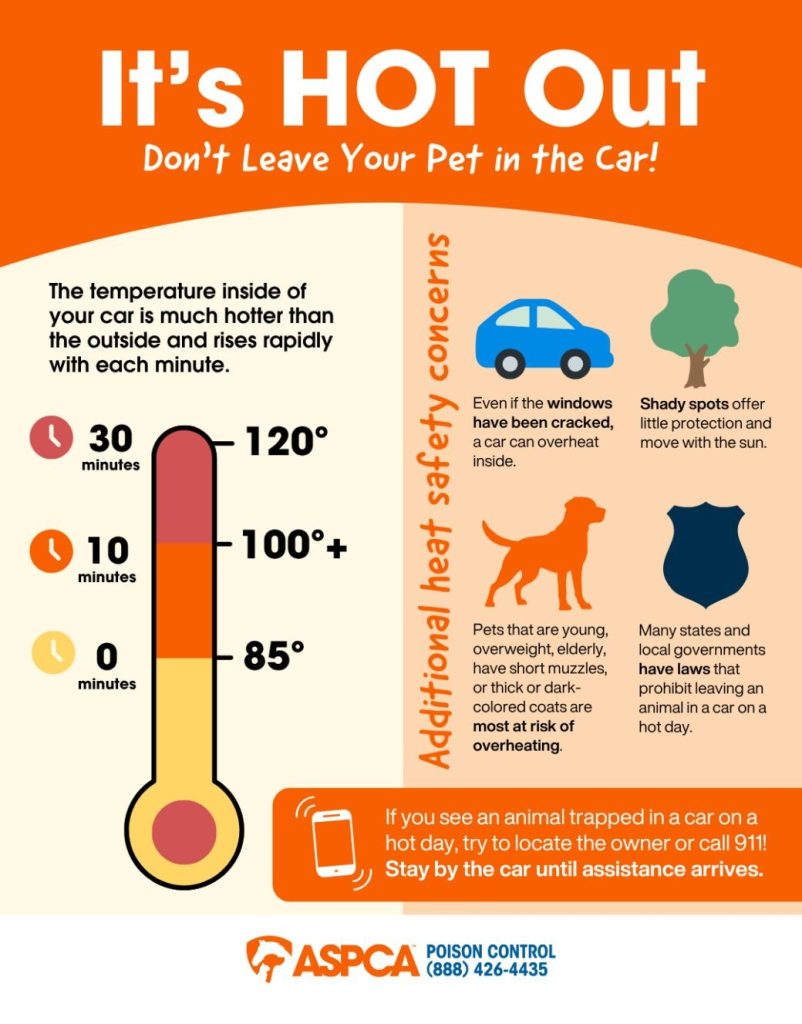
Have you ever wondered if it’s okay to leave your pet alone in the car for a few minutes? You might think it’s harmless, but the truth could surprise you.
Leaving your furry friend inside a vehicle can quickly turn dangerous, and the laws around this issue are stricter than you may realize. If you care about your pet’s safety and want to avoid serious trouble, it’s important to know exactly what’s legal—and what isn’t.
Keep reading to find out everything you need to know about leaving your pet in the car and how to protect them from harm.
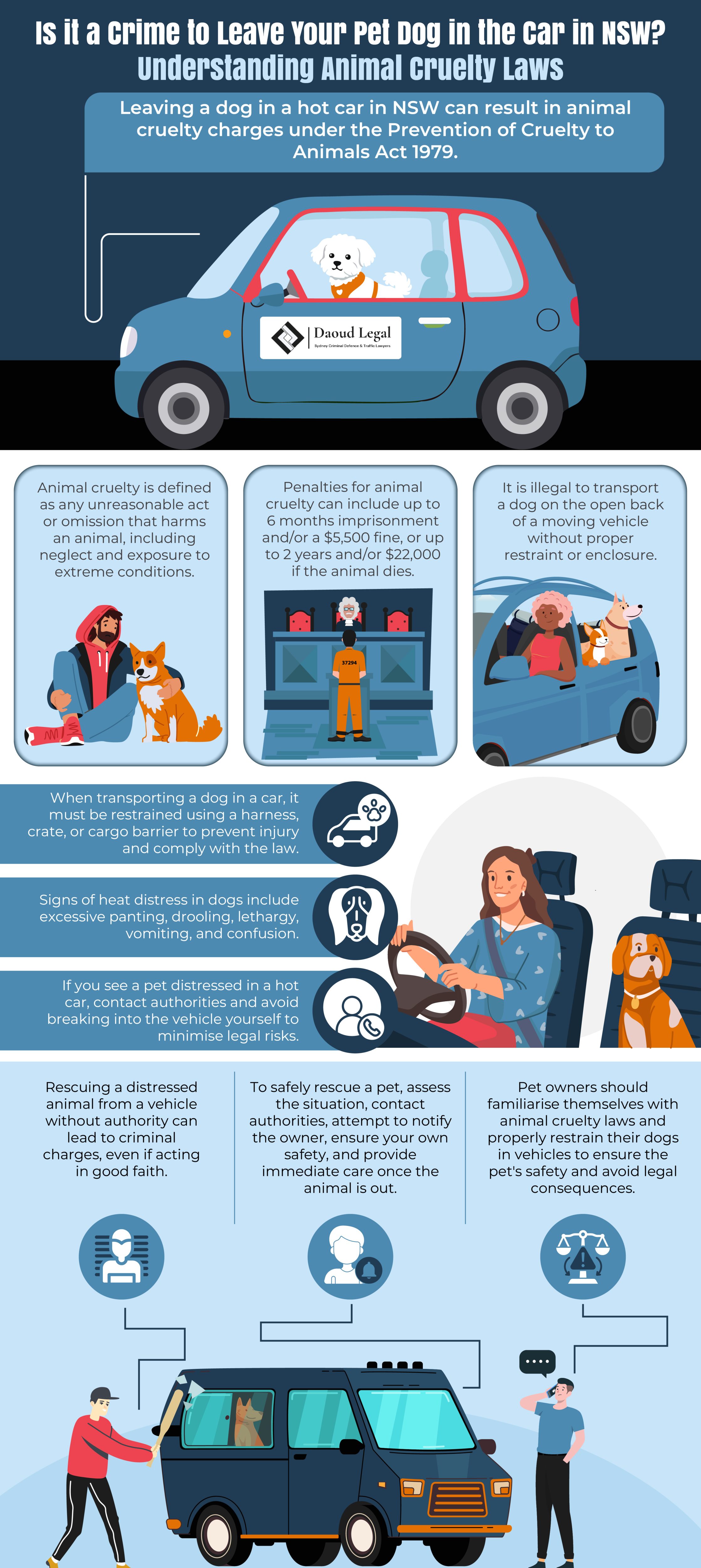
Credit: sydneycriminaldefenceandtrafficlawyers.com.au
Laws On Leaving Pets In Cars
Leaving a pet alone inside a car can be risky. Laws about this vary by state and city. These rules aim to protect pets from heat, cold, and other dangers. Understanding these laws helps keep pets safe and owners out of trouble.
State-specific Regulations
Many states have laws about leaving pets in vehicles. Some states ban leaving pets in hot cars entirely. Others set temperature limits or time limits. States like California and Florida have strict rules. These laws often allow police to rescue pets in danger.
Local Ordinances
Cities and counties may have their own rules too. Local laws can be stricter than state laws. Some places require signs warning about the dangers. Others allow fines or warnings for leaving pets unattended. Check local rules before leaving a pet in a car.
Penalties And Fines
Penalties vary depending on the law and location. Fines can range from small fees to hundreds of dollars. Some cases lead to criminal charges or jail time. Repeat offenders may face higher fines. Authorities take pet safety seriously and enforce these laws strictly.

Credit: www.cbc.ca
Risks Of Leaving Pets In Vehicles
Leaving pets inside vehicles carries serious dangers. Cars can quickly become unsafe spaces for animals. Temperatures rise or fall fast, creating harmful conditions. Pets cannot escape or regulate their body heat easily. Many risks put their health and life at stake. Understanding these dangers helps protect pets from harm.
Heatstroke And Hypothermia
Cars heat up rapidly under the sun. Even mild weather can cause a vehicle to become dangerously hot. Pets trapped inside face a high risk of heatstroke. Their body temperature can rise quickly, leading to organ failure or death.
Cold weather also poses threats. Cars can become freezing cold in minutes. Pets left inside may suffer hypothermia, where their body temperature drops too low. This condition can cause serious illness or death.
Dehydration And Stress
Pets left alone in cars often lack water access. Without water, dehydration happens fast. Dehydration weakens pets and can lead to severe health problems.
Stress levels rise when pets feel trapped or scared. The confined space and heat increase anxiety. Stress affects their breathing, heart rate, and overall well-being.
Legal Consequences For Negligence
Many places have laws against leaving pets unattended in vehicles. Owners can face fines or criminal charges. Authorities may remove pets from unsafe cars to protect them.
Neglecting pet safety in cars can lead to legal trouble. Penalties vary by location but can be severe. Always consider laws and the risks before leaving a pet in a vehicle.
Signs Of Distress In Pets
Recognizing the signs of distress in pets left in cars can be a lifesaver. Pets often can’t tell you they’re uncomfortable or in danger, so you need to watch closely for subtle clues. Understanding these signs helps you act quickly before a situation becomes critical.
Behavioral Indicators
Your pet’s behavior changes can signal distress early on. Watch for excessive panting, pacing, or restlessness. These actions show your pet is struggling to cool down or feels trapped.
Some pets may whine, bark, or scratch at windows and doors, trying to escape. Others might suddenly become unusually quiet or lethargic, which is just as worrying. Have you noticed your dog or cat acting differently in a car or heat? That change might be a call for help.
Physical Symptoms
Physical signs of distress are often more serious and require immediate attention. Look for drooling, vomiting, or unsteady walking. These symptoms could mean your pet is overheating or suffering from heatstroke.
Red or pale gums, rapid heartbeat, and glazed eyes are critical warning signs. If you see any of these, don’t wait—get your pet to a cooler place and seek veterinary care right away. How quickly can you respond if you spot these symptoms in your pet?
When Intervention Is Allowed
Knowing when you can step in to help a pet left alone in a car is crucial. The risks to animals trapped in vehicles are real and urgent, but your actions must be legal and safe. Understanding the boundaries and your rights can make a difference between saving a life and facing legal trouble.
Good Samaritan Laws
Good Samaritan laws protect people who help others in emergency situations, but these laws vary widely by state and country. Some places allow you to intervene if a pet is in immediate danger, while others require you to wait for authorities. Checking your local laws beforehand can save you from unintended legal consequences.
For example, in some states, you can break a car window to rescue a dog suffering from heatstroke without facing charges. But in others, such action could lead to fines or lawsuits unless done with police presence. Have you ever wondered if your state supports such intervention?
How To Safely Rescue A Pet
If you decide to rescue a pet, safety should be your top priority—for both you and the animal. Try to locate the owner first by checking nearby buildings or asking around. If the situation is life-threatening, call emergency services before taking any direct action.
When breaking a window is necessary, choose the window farthest from the pet to avoid injury. Use a heavy object and strike the lower corner of the glass, which is easier to break. Remember to remain calm and speak softly to the pet to reduce stress.
Reporting To Authorities
Even if you successfully rescue the pet, it’s important to report the incident to local animal control or law enforcement. They can ensure the animal receives proper care and investigate the circumstances that led to the dangerous situation. This step also protects you by documenting your responsible actions.
Calling the authorities promptly can prevent future cases of neglect or abuse. Have you ever reported a case like this? Sharing your experience might encourage others to act responsibly too.
Preventive Measures For Pet Owners
Leaving pets inside cars can be dangerous and is often against the law. Owners should avoid this to protect their pets from heat and harm. Always take pets with you or ensure proper care when traveling.
Leaving a pet in the car can quickly turn dangerous. As responsible pet owners, it’s crucial to think ahead and put preventive measures in place. These steps can ensure your furry friends stay safe, comfortable, and happy, even when you’re on the go.Alternative Arrangements
Consider leaving your pet at home when running errands. A cozy bed and some toys can keep them entertained until you return. If that’s not possible, ask a friend or neighbor to pet-sit for a short while. Sometimes, simply planning your day around pet-friendly activities can also help. Look for cafes and parks where your pets are welcome. This way, they can enjoy your company without the risk of overheating in a car.Using Pet-friendly Facilities
Explore local pet-friendly facilities like doggy daycares or pet hotels. These places offer safe environments and can be a great resource when you need to run errands. Many grocery stores and malls also have pet stations, allowing you to shop worry-free. Some places even offer pet-sitting services for short durations. Check online reviews to find the best facilities near you. Your pet will appreciate the change of scenery and the chance to make new friends.Emergency Preparedness
Accidents can happen, so it’s wise to be prepared. Keep a small emergency kit in your car with water, a bowl, and a cooling mat. These can be lifesavers if you find yourself in an unexpected situation. Always have a plan B. What will you do if a meeting runs late or traffic is worse than expected? Having a backup plan can prevent stressful situations for both you and your pet. Think about the last time you had to leave your pet behind. Did you have a plan in place? Taking a few minutes to prepare can make all the difference in the world.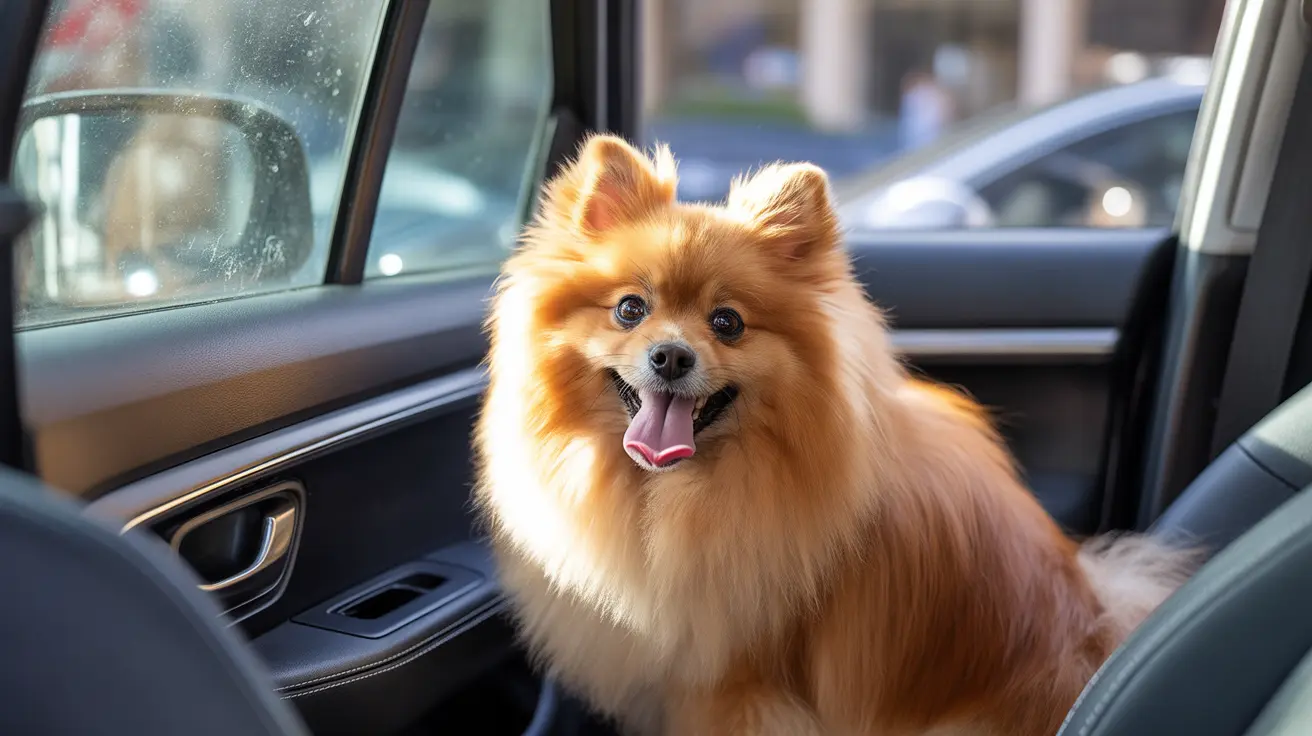
Credit: www.petscare.com
Frequently Asked Questions
Is It Illegal To Leave Pets In Cars?
Laws vary by location, but many places prohibit leaving pets unattended in cars. It is illegal if the pet’s health or safety is at risk due to heat, cold, or lack of ventilation. Always check local regulations before leaving pets in vehicles.
What Are The Risks Of Leaving Pets In Cars?
Pets can suffer heatstroke, dehydration, or hypothermia when left in cars. Temperatures inside vehicles can rise rapidly, causing life-threatening conditions. Even a few minutes can be dangerous, especially in extreme weather.
Can I Rescue A Pet Left In A Hot Car?
Some jurisdictions allow bystanders to rescue pets in life-threatening situations. However, laws vary widely, and rescuers might face legal consequences. It is best to contact authorities or animal control for guidance before intervening.
What Penalties Exist For Leaving Pets In Cars?
Penalties range from fines to criminal charges depending on severity and location. Some places impose heavy fines, community service, or even jail time for animal cruelty. Penalties aim to protect pets and deter negligent behavior.
Conclusion
Leaving a pet in a car can be dangerous and is often illegal. Laws protect animals from heat, cold, and harm. Always think about your pet’s safety before locking them inside. A few minutes can cause serious health problems. Many places have fines or penalties for this act.
Caring for pets means keeping them safe everywhere. Choose to keep your pet with you or leave them at home. Safety matters most for your furry friends. Stay informed and act responsibly to protect pets.