

Have you ever wondered if car wax is really worth the effort? You want your car to shine and stay protected, but with so many products out there, it’s hard to know what actually works.
What if applying wax could not only make your car look amazing but also save you money and time in the long run? You’ll discover the real benefits of car wax and whether it’s the secret weapon your vehicle needs.
Keep reading to find out how a simple step could transform your car’s appearance and protection.
Benefits Of Car Wax
Car wax offers several key benefits that improve your vehicle’s look and lifespan. It creates a smooth, glossy surface that catches the eye. Wax also forms a strong barrier to protect your car’s paint. Dirt and water slide off easily, keeping your car cleaner longer.
Enhancing Shine
Wax adds a deep, rich shine to your car’s paint. It fills tiny scratches and smooths rough surfaces. This makes the paint look fresh and vibrant. A shiny car stands out and looks well cared for.
Protecting Paint
Wax acts like a shield for your car’s paint. It guards against harmful UV rays that cause fading. Wax also protects from pollution, bird droppings, and tree sap. This helps prevent paint damage and keeps your car looking new.
Repelling Dirt And Water
Wax creates a water-resistant layer on the car’s surface. Water beads up and rolls off easily. This reduces water spots and streaks. Dirt and grime do not stick as much, making washing easier. A waxed car stays cleaner longer.

Credit: carfromjapan.com
Types Of Car Wax
Choosing the right type of car wax can make a big difference in how your vehicle looks and how well it is protected. Each type of wax offers unique benefits, and understanding these can help you pick the best product for your needs. Let’s break down the main categories of car wax to see what works best for you.
Natural Waxes
Natural waxes, like carnauba wax, come from plant sources and are loved for their rich, warm shine. They create a deep gloss that really makes your paint pop, especially under sunlight. However, they tend to wear off faster and need to be applied more often if you want to keep that fresh look.
Many car enthusiasts swear by natural wax for weekend car shows or special occasions. But if you drive daily and want less maintenance, you might find natural wax a bit high upkeep. Have you tried natural wax and noticed how it enhances your car’s color?
Synthetic Waxes
Synthetic waxes are made from polymers and offer longer-lasting protection than natural waxes. They form a durable shield against dirt, UV rays, and water, making them great for daily drivers. The shine might not be as deep as natural wax, but the convenience of fewer applications often outweighs that.
Think about your routine—do you prefer spending less time on waxing? Synthetic wax could save you time while keeping your car safe. It’s also usually more affordable and easier to apply, perfect if you want quick results.
Hybrid Formulas
Hybrid waxes combine natural and synthetic ingredients to give you the best of both worlds. They aim to offer the shine of natural wax with the durability of synthetic options. This balance can be ideal if you want a great look without reapplying too often.
Hybrid formulas are becoming popular for daily use because they adapt well to different weather conditions. If you want a product that’s versatile and effective, hybrids might be your best bet. Have you noticed how some waxes handle rain better than others? That’s often the hybrid touch.
How To Choose The Right Wax
Choosing the right car wax can make a big difference in how your vehicle looks and how well it’s protected. With so many options available, it helps to know what factors really matter. Focusing on your car’s paint, the environment you drive in, and how easy the wax is to apply can guide you to the best choice.
Consider Your Car’s Paint
Different paints react differently to waxes. If your car has a soft or delicate paint, a gentle wax with fewer abrasives is better to avoid scratches. For older cars with faded paint, a wax with polishing properties can help restore shine while protecting the surface.
Have you noticed how some waxes enhance color depth better? That’s because certain wax formulas are designed to boost specific paint finishes like metallic or matte. Knowing your paint type helps you pick a wax that will bring out the best look.
Climate And Environmental Factors
Your local weather plays a crucial role in wax performance. In hot, sunny climates, look for waxes with UV protection to prevent paint fading. If you live in a rainy or snowy area, a water-repellent wax can help keep your car cleaner and reduce water spots.
Think about the pollutants your car faces daily. Urban environments with smog or salt from winter roads demand a wax that forms a strong, durable barrier. Does your wax protect against these challenges? That’s a key question to ask before buying.
Ease Of Application
Not all waxes are equally easy to use. Some require special tools or multiple steps, which can be frustrating if you’re short on time. If you prefer quick maintenance, a spray wax or liquid wax that wipes on and off easily might be your best bet.
Remember how satisfying it feels when a wax applies smoothly without streaks? That ease often encourages more frequent waxing, which is better for long-term paint care. Choose a wax that fits your routine and skill level to keep your car looking sharp without hassle.
Step-by-step Waxing Process
Waxing your car can transform its appearance and protect its paint for months. The key to great results lies in following a clear, careful process. Let’s break down the waxing routine into simple, actionable steps you can do yourself.
Preparing The Surface
Your car’s surface must be clean and dry before you start waxing. Dirt, dust, or water spots can trap under the wax, causing uneven application or scratches.
Wash your car thoroughly with a gentle car shampoo. Use a microfiber cloth to dry it completely. Have you ever waxed over a dusty surface? The result isn’t just unsightly—it can damage your paint.
Inspect the paint for any imperfections like scratches or tar spots. Removing these first will help the wax bond better and look smoother.
Applying The Wax
Choose the right wax for your car’s paint type and condition—paste, liquid, or spray waxes all have their pros and cons. Use a foam applicator pad to apply a thin, even layer.
Work in small sections, applying wax in circular motions. This approach helps you control the coverage and avoid missing spots.
- Don’t overload the applicator—less is more.
- Focus on one panel at a time to keep the wax from drying too quickly.
- Check the product’s instructions for drying time before buffing.
Buffing Techniques
Buffing is where your car’s shine really comes to life. Use a clean, soft microfiber towel or a mechanical buffer on a low setting.
Gently wipe off the wax using light pressure and circular motions. If you push too hard, you risk scratching the paint instead of polishing it.
Notice how the wax residue changes from cloudy to clear—that’s your cue to move on to the next section. Have you tried buffing with a microfiber cloth versus a regular rag? The difference in finish is striking.
Common Mistakes To Avoid
Applying car wax might seem straightforward, but many people make simple mistakes that reduce its effectiveness. These errors can leave your car looking dull or even cause damage to the paint. Avoiding common pitfalls ensures your wax job enhances your car’s shine and protection as intended.
Waxing On Dirty Surfaces
Never apply wax over dirt, dust, or grime. Wax traps these particles on your paint, which can cause scratches and swirl marks. I once skipped washing my car before waxing and ended up with tiny scratches that were hard to fix.
Always wash and dry your car thoroughly before waxing. If your car feels rough to the touch, it’s not clean enough yet. Taking the extra time here saves you from damaging your paint and wasting wax.
Using Excessive Wax
More wax doesn’t mean better protection or shine. Applying too much wax makes it hard to buff off, leaving streaks or a hazy finish. You want a thin, even layer that you can easily remove to reveal a smooth surface.
Try applying a small amount first and spread it evenly. You can always add more if needed, but removing excess is much easier with less wax. Have you noticed how a thick layer feels sticky and dull after it dries?
Ignoring Manufacturer Instructions
Each wax product has specific instructions about application and drying times. Ignoring these can lead to poor results or even damage your car’s finish. For example, some waxes require a longer drying time before buffing, while others don’t.
Take a moment to read the label carefully before starting. Following instructions ensures you get the best protection and shine your car deserves. What’s the last product you used without reading the directions, and how did that turn out?
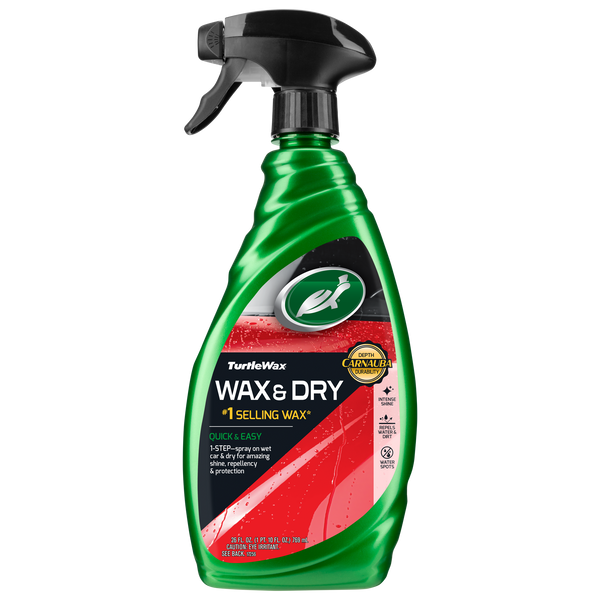
Credit: www.turtlewax.com
How Often To Wax Your Car
Car wax protects your vehicle’s paint, enhancing its shine. Waxing every three months is ideal for most cars. Regular waxing shields against dirt and weather damage, keeping your car looking new.
Knowing how often to wax your car is crucial for maintaining its glossy finish and protecting it from the elements. Many car owners often wonder if they’re waxing too frequently or not enough. Striking the right balance can enhance your car’s appearance and extend its lifespan. Let’s dive into the factors that determine how frequently you should wax your vehicle.Factors Affecting Frequency
Several factors influence how often you should wax your car. Climate plays a significant role—cars in sunny, hot regions might need more frequent waxing due to UV exposure. On the other hand, if you live in a rainy area, the rain can wash away protective wax layers more quickly. Driving habits also matter. If you often park your car outside or drive it daily, it will be exposed to more contaminants and weather conditions, requiring more frequent waxing. Conversely, if your car is mostly parked in a garage, you might get away with waxing it less often. Type of wax is another consideration. Some waxes last longer than others. For example, synthetic waxes tend to offer longer-lasting protection compared to natural carnauba wax. Always check the product label to gauge its durability.Signs Your Car Needs Waxing
Your car will show signs when it’s time for a fresh coat of wax. Water beading is a clear indicator; if rainwater no longer beads on the surface, it’s time for a wax. This means the wax layer has worn off, leaving the paint vulnerable. Dull paint is another giveaway. If your car’s paint looks less vibrant or has lost its shine, a fresh wax job can restore its luster. Feel the surface of your car—if it feels rough or has lost its smoothness, it’s a sign that contaminants are embedded and a wax might be due. Finally, streaks and smudges after washing your car indicate that the protective layer is compromised. Waxing can help eliminate these blemishes, ensuring your car looks its best. How often do you find yourself reaching for the wax? It’s worth evaluating your car’s specific needs based on these factors and signs. Doing so can ensure your vehicle remains in pristine condition.Alternatives To Traditional Wax
Car wax has been a go-to for many when it comes to protecting and enhancing a vehicle’s shine. But traditional wax isn’t the only option you have. Alternatives like sealants and ceramic coatings offer different benefits that might fit your needs better.
Sealants
Sealants are synthetic products designed to protect your car’s paint longer than traditional wax. They create a durable, glossy layer that can last for several months, sometimes up to six.
Unlike wax, sealants resist washing and environmental damage more effectively. If you want a low-maintenance option that keeps your car looking fresh without frequent reapplication, sealants might be the answer.
Think about your routine: How often do you want to spend time on detailing? Sealants can save you time while still giving your car a sleek finish.
Ceramic Coatings
Ceramic coatings offer a high-tech solution that bonds directly with your car’s paint. This creates a hard, protective layer that is incredibly resistant to scratches, dirt, and UV rays.
While applying ceramic coatings can be more involved and sometimes requires professional help, their durability is unmatched. One application can last years, providing a level of protection and shine that wax simply can’t match.
If you value long-term protection and don’t mind investing time or money upfront, ceramic coatings are worth considering. Would you prefer a one-time application over regular waxing sessions?

Credit: superglosssealant.com
Frequently Asked Questions
What Are The Main Benefits Of Using Car Wax?
Car wax protects your car’s paint from dirt, UV rays, and water. It enhances shine and keeps the surface smooth. Regular waxing extends your car’s paint life and maintains a fresh, polished look.
How Often Should I Apply Car Wax?
Apply car wax every 2 to 3 months for optimal protection. Frequency depends on weather conditions and car usage. Regular waxing prevents paint damage and keeps the car looking new.
Can Car Wax Remove Minor Scratches?
Car wax can hide minor scratches by filling surface imperfections. It does not fix deep scratches but improves overall paint appearance. For deep damage, professional repair is recommended.
Is Car Wax Better Than Paint Sealant?
Car wax offers natural shine and easier application but lasts shorter. Paint sealants provide longer-lasting protection but may lack the same gloss. Choose based on your preference for durability or shine.
Conclusion
Car wax protects your car’s paint and keeps it shiny. It helps stop dirt and water from sticking. Regular waxing can prevent scratches and fading. Applying wax is easy and does not take much time. It also makes washing your car simpler.
Many drivers find waxing worth the effort. Choose a wax that fits your car’s needs. Keep your vehicle looking fresh and cared for. A little wax goes a long way in car care. Try it and see the difference yourself.