
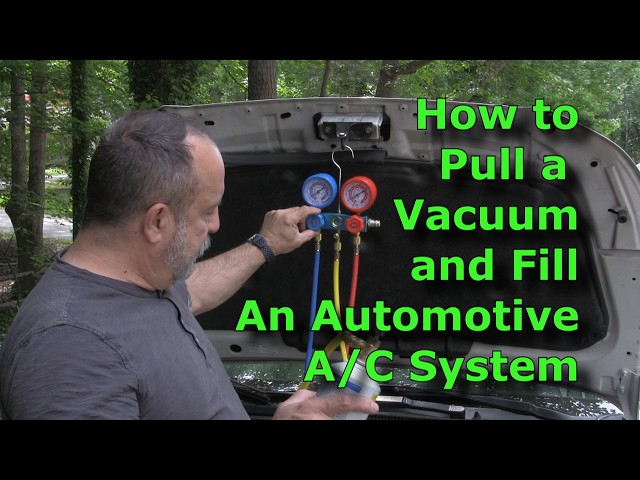
Is your car’s AC not cooling like it used to? If you want to fix it yourself and save money, learning how to vacuum your car’s AC system is a great place to start.
Vacuuming removes air and moisture that can damage your AC and stop it from working properly. In this guide, you’ll discover simple steps to get the job done right, even if you’re not an expert. Keep reading, and by the end, you’ll know exactly how to bring fresh, cool air back to your car’s cabin.

Credit: www.youtube.com
Tools Needed
Before you start vacuuming your car’s AC system, it’s important to gather the right tools. Having the proper equipment not only makes the job easier but also ensures safety and accuracy. Let’s look at the essential tools you need and why each one matters.
Vacuum Pump
A vacuum pump removes air and moisture from the AC system, creating the vacuum needed to properly recharge the refrigerant. Without a strong vacuum pump, your AC won’t cool efficiently and could develop internal corrosion over time. I once skipped this step and ended up with a system full of moisture, which caused major performance issues later.
Choose a vacuum pump that matches your car’s AC capacity and has a decent pumping speed. Look for one with a reliable oil seal to avoid leaks during the process.
Manifold Gauge Set
The manifold gauge set helps you monitor the pressure inside the AC system while vacuuming and refilling refrigerant. It connects to both low and high-pressure ports, giving you a clear picture of the system’s status. Without this, you’re basically guessing if the system is ready or not.
Pick a gauge set with easy-to-read dials and durable hoses. Some sets come with quick-connect fittings that save you time and reduce the risk of leaks.
Refrigerant
Refrigerant is the lifeblood of your car’s AC system. After vacuuming, you need to refill the right type and amount specified for your vehicle. Using the wrong refrigerant or overfilling can damage the compressor or reduce cooling performance.
Check your owner’s manual or the label under the hood for the exact refrigerant type and charge amount. Keep the refrigerant cans sealed tightly until you’re ready to use them.
Safety Gear
Handling refrigerants and working with AC systems involves risks, so safety gear is a must. At the very least, wear safety goggles and gloves to protect your eyes and skin from refrigerant burns and chemical exposure.
Consider using a face mask to avoid inhaling fumes, especially if you’re working in a confined space. Remember, your safety is just as important as the job itself.
Preparing The Car
Preparing your car before vacuuming the AC system is essential for an effective and safe process. Skipping these steps can lead to inaccurate results or even damage to your vehicle’s AC components. Taking time to prepare ensures you work efficiently and protect your car’s system from harm.
Locate Ac Service Ports
Start by finding the AC service ports under your car’s hood. These ports are small valves where you connect the vacuum pump or recharge hose. Usually, there are two ports: the low-pressure and high-pressure service ports, each with a distinct size to prevent confusion.
Check your vehicle’s manual or look for labels near the ports to identify them correctly. Using the wrong port can cause errors or damage to your AC system. Have you noticed how many people overlook this simple yet crucial step?
Check For Leaks
Before vacuuming, inspect your AC system for leaks. Leaks allow refrigerant to escape, making vacuuming ineffective and potentially damaging the compressor. Use a UV dye kit or an electronic leak detector to find any leaks in hoses, connections, or the compressor itself.
Even a small leak can cause big problems later. Fixing leaks early saves you time and money. Imagine vacuuming your system only to find out weeks later that the refrigerant is escaping due to an unnoticed leak.
Remove Old Refrigerant
Removing the old refrigerant is necessary to prevent contamination and ensure the vacuuming process works properly. This step requires a recovery machine to safely extract the refrigerant, as releasing it into the atmosphere is illegal and harmful to the environment.
If you don’t have the right equipment, consider visiting a professional to handle this part. Attempting to remove refrigerant without proper tools can be dangerous and lead to costly fines. Have you ever wondered why some mechanics emphasize refrigerant recovery before any AC service?
Connecting Equipment
Connecting the right equipment properly is crucial before vacuuming your car’s AC system. This step ensures the process runs smoothly and safely. Skipping or misconnecting any part can lead to inaccurate readings or even damage to your AC components.
Attach Manifold Gauges
Start by securely attaching the manifold gauges to your car’s AC system service ports. The low-pressure gauge connects to the larger port, usually marked with an “L,” while the high-pressure gauge goes to the smaller port, marked “H.” Make sure the connections are tight to avoid any leaks during the vacuuming process.
Double-check the colors on the hoses to match the correct ports—blue for low pressure and red for high pressure. This simple step can save you from confusion and costly mistakes.
Connect Vacuum Pump
Next, connect your vacuum pump to the center port of the manifold gauge set. This setup allows the pump to pull air and moisture out of the AC system effectively. Before turning the pump on, confirm all valves on the manifold gauges are closed to prevent backflow.
Have you noticed that some vacuum pumps come with different hose lengths? Choosing the right hose length can make your workspace more comfortable and reduce stress on the connections.
Ensure Proper Seals
Proper sealing is essential for an effective vacuum process. Check all hose connections and service ports for tight seals. Even a small leak can cause the pump to lose vacuum pressure, making your effort pointless.
Use a leak detector spray or soapy water on the connections to spot any escaping air bubbles. If you find leaks, tighten fittings or replace worn-out O-rings before proceeding.
Vacuuming The Ac System
Vacuuming the AC system is essential to remove moisture and air before recharging it with refrigerant. This process helps the system work efficiently and prevents damage. Proper vacuuming ensures no leaks or contaminants remain inside the system.
Start The Vacuum Pump
Connect the vacuum pump to the AC system service ports using the manifold gauge set. Turn on the pump and let it run. The pump creates a vacuum by pulling out air and moisture from the system. Make sure all connections are tight to avoid leaks.
Monitor Pressure Levels
Watch the gauge closely as the vacuum pump runs. The pressure should drop steadily and reach a deep vacuum level. This level is usually below 500 microns. If the pressure rises, check for leaks or loose connections immediately.
Duration For Vacuuming
Run the vacuum pump for at least 30 minutes. This time allows thorough removal of moisture and air. For larger systems or after a major repair, vacuum longer, up to 45 minutes. After turning off the pump, observe if the pressure holds steady to confirm a good vacuum.
Testing For Leaks
Testing for leaks in your car’s AC system helps ensure effective performance. Use a vacuum pump to remove air and moisture. This process detects potential leaks, maintaining your AC’s efficiency and cooling power.
Testing for leaks in your car’s AC system is crucial. Leaks can lead to ineffective cooling and higher repair costs. Detecting them early saves time and money. Begin by sealing off the system and watching for pressure changes. Then, use tools designed to identify leaks accurately.Close Valves And Observe
Start by closing all the valves on the manifold gauge. This helps in isolating the system. Turn on the vacuum pump. Let it run for about 15 to 30 minutes. This removes any air and moisture. Once done, switch off the pump. Close the vacuum valve to maintain the vacuum inside. Wait and observe the gauges for about 15 minutes. A steady needle means no leaks. If the needle drops, there’s a leak.Use Leak Detection Tools
If you suspect a leak, turn to specialized tools. Use an electronic leak detector. Pass it slowly over the AC components. Listen for any beeping sound indicating a leak. You can also use UV dye. Add the dye to the AC system. Run the AC for a few minutes. Use a UV light to spot any leaks. The dye will glow under the light, showing the leak’s location. This method is effective and easy to use.
Credit: m.youtube.com
Recharging The Ac
Recharging your car’s AC system is essential when you notice the cooling isn’t as effective as it used to be. Adding refrigerant can bring your AC back to life, but it requires attention to detail and care. Knowing how to properly recharge ensures your system runs smoothly and keeps you cool on the hottest days.
Add Refrigerant
Start by selecting the correct type of refrigerant for your car, usually indicated in the owner’s manual or on a sticker under the hood. Connect the refrigerant canister to the low-pressure port of your AC system. Always add refrigerant slowly to avoid overcharging, which can damage the system.
Have you ever noticed your AC blowing warm air after a long drive? That’s a sign you might need to add refrigerant. Using a refill kit with a gauge helps you control how much you add, making the process safer and more precise.
Check System Pressure
Monitoring the pressure is crucial to avoid under or overcharging. Attach a pressure gauge to the low-pressure port and observe the reading. The correct pressure varies with ambient temperature, so compare your readings with the recommended values found in your car’s manual.
Incorrect pressure can lead to poor cooling or even mechanical issues. If your pressure is too low, it means the system is low on refrigerant. Too high, and the system might be overfilled or have a blockage.
Test Cooling Performance
After adding refrigerant and checking pressure, test how well your AC cools the cabin. Turn on your car and set the AC to the coldest setting. Measure the temperature of the air coming from the vents—ideally, it should drop significantly within a few minutes.
If the cooling doesn’t improve, consider inspecting for leaks or other mechanical problems. Sometimes, adding refrigerant alone isn’t enough, and a professional check might be necessary. How cool is your AC blowing right now?
Common Mistakes To Avoid
Vacuuming your car’s AC system is crucial for maintaining its efficiency, but there are some common mistakes that can easily ruin your efforts. Avoiding these errors will save you time, money, and frustration. Let’s look at what you should steer clear of to get the best results.
Skipping Leak Tests
One of the biggest mistakes is skipping leak tests before vacuuming the AC system. If there’s a leak, vacuuming won’t help because moisture and air will continue to enter the system. Imagine spending time vacuuming only to find the AC blowing warm air later—frustrating, right?
Always perform a thorough leak test using a UV dye or electronic leak detector. Catching leaks early means you fix the root problem before vacuuming. This step ensures your vacuuming effort is effective and your AC stays cool longer.
Overcharging Refrigerant
Many car owners think that adding more refrigerant will improve cooling, but overcharging can damage your system. Too much refrigerant raises pressure inside the AC lines, leading to poor performance or even compressor failure.
Use a gauge to measure the exact amount of refrigerant your car requires. Adding refrigerant bit by bit and checking the pressure helps avoid this costly mistake. Have you checked your car’s manual for the recommended refrigerant level?
Ignoring Safety Precautions
Vacuuming an AC system involves handling refrigerants and vacuum pumps, which can be dangerous if you’re not careful. Skipping safety gear like gloves and goggles puts you at risk of chemical burns or eye injuries.
Always work in a well-ventilated area and follow manufacturer safety instructions. Taking simple precautions protects you and ensures the job gets done right. Would you risk your safety just to save a few minutes?

Credit: www.youtube.com
Frequently Asked Questions
How Do I Vacuum My Car Ac System Properly?
To vacuum your car AC system, connect a vacuum pump to the service port. Run the pump for 30-45 minutes to remove moisture and air. This ensures better refrigerant performance and prevents system damage.
Why Is Vacuuming The Ac System Important?
Vacuuming removes air, moisture, and contaminants from the AC system. This prevents corrosion, improves cooling efficiency, and extends the system’s lifespan. It’s essential before recharging the refrigerant.
What Tools Are Needed To Vacuum A Car Ac System?
You need a vacuum pump, manifold gauge set, and appropriate hoses. These tools help create a vacuum, measure pressure, and connect to the AC service ports safely.
Can I Vacuum The Ac System Without Professional Help?
Yes, with proper tools and safety measures, you can vacuum the AC system yourself. Follow manufacturer instructions carefully to avoid damage or injury.
Conclusion
Vacuuming your car’s AC system helps keep it working well. This process removes air and moisture that can cause damage. Using the right tools makes the job easier and safer. Regular maintenance extends your AC’s life and improves cooling. Take your time and follow each step carefully.
Clean air means better comfort during drives. Keep your car’s AC system healthy for a cool, fresh ride every time. Simple care goes a long way in protecting your investment.