
Is your car’s AC not cooling like it used to? You might need to vacuum your AC system.
Knowing how to vacuum your car’s AC can save you money and keep your drive comfortable. But don’t worry—it’s easier than you think. In this guide, you’ll learn simple steps to vacuum your car AC safely and effectively. Keep reading, and you’ll soon have a fresh, cool breeze every time you hit the road.
Credit: www.vevor.ca
Why Vacuum Your Car Ac
Vacuuming your car AC is a key part of its maintenance. It removes air, moisture, and contaminants from the system. This process helps keep the AC working well and lasting longer. Neglecting vacuuming can lead to poor cooling and costly repairs.
Benefits Of Vacuuming
- Removes moisture that can damage the AC system
- Eliminates air and contaminants that reduce cooling efficiency
- Prevents corrosion inside AC components
- Helps the refrigerant circulate smoothly
- Extends the life of the AC system
- Improves overall performance and cooling speed
Signs Your Ac Needs Vacuuming
- AC blows warm or less cold air
- Unusual noises when the AC runs
- Visible moisture or oil leaks around AC parts
- Longer time to cool the car interior
- Increased humidity inside the vehicle
- AC system cycles on and off frequently

Credit: www.youtube.com
Tools Needed
Before you start vacuuming your car’s AC system, gathering the right tools is essential. The correct equipment ensures the job is done safely and efficiently. Without them, you might risk damaging your AC or not removing the moisture and air properly.
Vacuum Pump
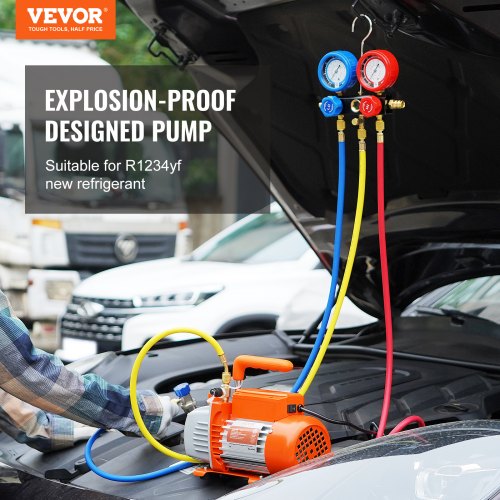
The vacuum pump is the heart of the process. It removes air, moisture, and contaminants from the AC system, creating a deep vacuum. A good quality pump will maintain a stable vacuum level, which is crucial for proper AC performance.
When I first used a cheap vacuum pump, the AC didn’t cool well afterward. Investing in a reliable vacuum pump made a noticeable difference in the system’s efficiency and longevity.
Manifold Gauge Set
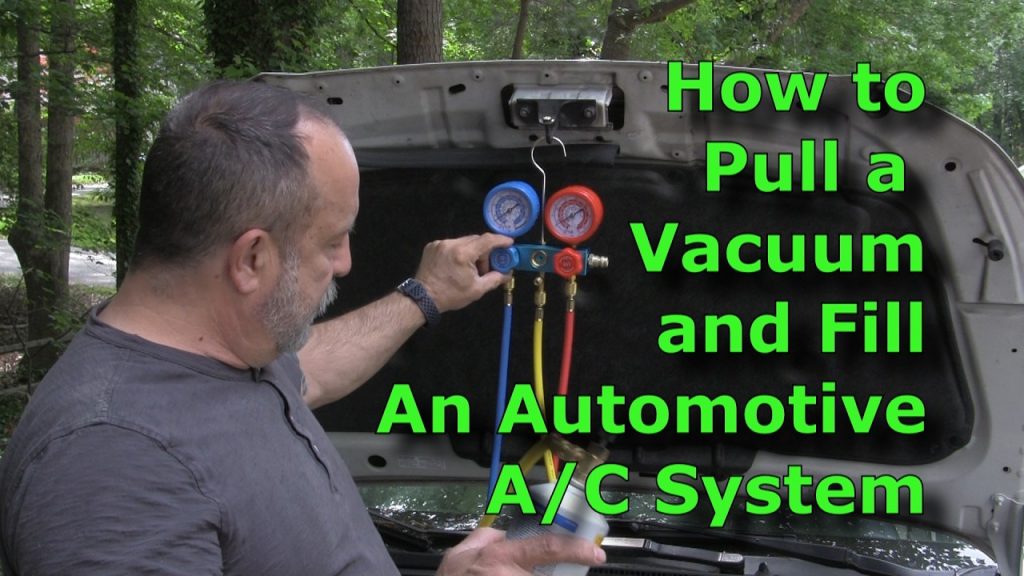
This tool measures the pressure inside the AC system during vacuuming and recharging. It helps you monitor the vacuum level accurately and check for leaks. Without a manifold gauge set, you’re essentially working blind.
Make sure your gauge set matches your car’s refrigerant type. Using the wrong gauges can give false readings or even damage the system.
Hoses And Connectors
Hoses and connectors link the vacuum pump and manifold gauges to your car’s AC ports. You need flexible, durable hoses to avoid leaks during the process. Quick-connect fittings make the job faster and prevent refrigerant loss.
Check for cracks or wear on hoses before starting. A small leak in a hose can ruin your vacuuming efforts and waste refrigerant.
Preparing Your Car Ac
Before you start vacuuming your car’s AC system, proper preparation is crucial. Taking the right steps ensures safety and helps maintain the efficiency of your AC. Skipping these can lead to damage or ineffective vacuuming, which nobody wants.
Locate Service Ports
Finding the service ports on your car’s AC system is your first task. These ports are the access points for vacuuming and recharging the refrigerant. Usually, there are two ports: a low-pressure port and a high-pressure port. The low-pressure port is the one you’ll use for vacuuming, and it’s often smaller and capped with a plastic cover.
Look near the AC compressor or along the refrigerant lines. If you’re unsure, your car’s manual can help you identify these ports quickly. Have you ever tried searching for these ports without guidance? It can be tricky, but locating them is key to a successful vacuum process.
Remove Refrigerant Safely
Before vacuuming, any remaining refrigerant must be removed safely. Releasing refrigerant into the atmosphere is illegal and harmful to the environment. Use a professional recovery machine or take your car to a certified technician if you don’t have the right equipment.
Handling refrigerant requires care—wear protective gloves and eye protection. Think about the risks of skipping this step: pressure build-up, incorrect vacuuming, or worse, damage to your AC system. Taking time to remove refrigerant properly sets the stage for effective vacuuming and long-lasting AC performance.

Credit: m.youtube.com
Setting Up The Equipment
Setting up the equipment correctly is vital for vacuuming your car’s AC system. Proper setup ensures the process runs smoothly and prevents damage. Take time to prepare each tool before starting. Clear workspace and organized tools help avoid mistakes.
Connecting The Vacuum Pump
Place the vacuum pump on a flat, stable surface near your car. Use a clean, dry hose to connect the pump to the service port. Tighten connections by hand to avoid leaks. Make sure the pump’s power source is ready. Check the pump’s oil level if it uses oil. Proper connection prevents air from entering the system during evacuation.
Attaching Gauges And Hoses
Attach the manifold gauge set to the AC system’s service ports. Connect the blue hose to the low-pressure port and the red hose to the high-pressure port. The center hose should connect to the vacuum pump. Tighten all connections securely by hand. Use wrenches only if necessary, avoiding overtightening. This setup allows accurate pressure monitoring during vacuuming.
Performing The Vacuum Process
Performing the vacuum process in your car’s AC system removes moisture and air, ensuring efficiency. Use a vacuum pump connected to the AC service ports. This process prevents contamination and enhances cooling performance.
Performing the vacuum process on your car’s AC system is a critical step in ensuring optimal performance and longevity. This process removes moisture and air, which can cause damage and reduce efficiency. Whether you’re a seasoned DIYer or a beginner, understanding the steps involved can save you time and money. Let’s dive into the key steps to successfully vacuum your car’s AC system.Starting The Pump
Begin by connecting the vacuum pump to the AC system’s service ports. Make sure the connections are secure to prevent leaks. Turn on the pump and let it run, allowing it to pull air and moisture out of the system. It’s crucial to start the pump only after ensuring the valves are properly opened. This avoids any potential damage to the AC system. Once the pump is running, check for any unusual noises that might indicate a problem.Monitoring Pressure Levels
Keep a close eye on the pressure gauge attached to the manifold. The gauge should gradually show a decrease in pressure as the air and moisture are removed. A steady drop in pressure indicates the process is working correctly. If you notice any fluctuations or if the pressure doesn’t change, there might be a leak or a faulty connection. It’s essential to address these issues immediately to avoid further complications. Regular monitoring helps catch issues early, saving you from costly repairs.Duration For Vacuuming
The vacuuming process typically lasts between 30 to 45 minutes. This duration ensures that all moisture and air are thoroughly removed. Patience is key here; rushing the process could lead to incomplete vacuuming. Consider setting a timer to remind yourself to check the progress. This helps avoid over-vacuuming, which can be just as harmful as not vacuuming enough. Once the time is up, ensure the system maintains a stable vacuum for at least 15 minutes before proceeding to the next step.Recharging The Ac System
Recharging your car’s AC system is a crucial maintenance task that can restore cooling efficiency and keep you comfortable during hot drives. It involves adding refrigerant, checking for leaks, and testing the system to ensure everything functions smoothly. Taking the time to recharge your AC can save you from costly repairs and improve your driving experience.
Adding Refrigerant
Before adding refrigerant, you’ll need to identify the correct type for your vehicle. This information is usually found on a sticker under the hood or in your owner’s manual. Using the wrong refrigerant can damage your AC system.
Connect the refrigerant can to your car’s low-pressure service port. Make sure the engine is running and the AC is set to the coldest setting on high fan speed. Slowly add refrigerant while monitoring the pressure gauge to avoid overcharging.
Checking For Leaks
Leaks are a common reason for low refrigerant levels. After adding refrigerant, inspect hoses, connections, and the compressor for any signs of oil residue or damage. These spots often indicate leaks.
You can also use a leak detection kit or UV dye to find invisible leaks. If you spot a leak, it’s best to get it repaired before recharging again. Otherwise, your efforts to recharge will be wasted.
Testing Ac Performance
Once you’ve added refrigerant and checked for leaks, test your AC system’s performance. Feel the air coming from the vents and measure the temperature difference. Typically, you should notice a drop of 15-20°F compared to the outside air.
If your AC still isn’t cooling properly, consider checking the compressor or the cabin air filter next. Sometimes, poor performance isn’t just about refrigerant levels but other underlying issues.
Maintenance Tips
Keeping your car’s AC system clean is essential for its performance and your comfort. Proper maintenance helps avoid unpleasant odors and improves air quality inside your vehicle. Let’s look at some practical tips that will keep your AC running smoothly through regular vacuuming and avoiding common pitfalls.
Regular Vacuuming Schedule
Set a consistent schedule for vacuuming your car’s AC vents and ducts. Ideally, cleaning should happen every 2 to 3 months, depending on your environment and usage. If you drive in dusty or polluted areas, you might need to vacuum more often.
Regular vacuuming removes dust, debris, and pollen that clog vents and reduce airflow. This simple habit prevents your AC from working harder than necessary, which can save you money on repairs. Have you noticed your AC blowing weaker air? It might be time for a thorough vacuum.
Avoiding Common Mistakes
Many people make the mistake of using harsh brushes or excessive force when vacuuming their car AC vents. This can damage delicate components and lead to costly repairs. Instead, use a soft brush attachment and gentle suction to protect the vents.
Another frequent error is neglecting to clean or replace the cabin air filter regularly. A dirty filter restricts airflow and allows dust to accumulate inside the ducts. Check your vehicle’s manual to find the recommended replacement interval and stick to it.
Are you sure you’re not pushing debris deeper into the vents while vacuuming? Take your time and work carefully. Proper technique matters more than speed when it comes to maintaining your car’s AC system.
Frequently Asked Questions
How Often Should I Vacuum My Car Ac Vents?
Vacuum your car AC vents every 3 to 6 months. This prevents dust buildup and improves air quality. Regular cleaning ensures efficient airflow and reduces allergens inside your vehicle.
What Tools Do I Need To Vacuum Car Ac Vents?
Use a vacuum cleaner with a soft brush attachment. A nozzle or crevice tool helps reach tight spots. Optional tools include compressed air and microfiber cloths for thorough cleaning.
Can Vacuuming Improve Car Ac Performance?
Yes, vacuuming removes dust and debris blocking airflow. Clean vents help your AC cool faster and work efficiently. It also reduces unpleasant odors and maintains better air quality.
Is Vacuuming Safe For Car Ac Components?
Vacuuming is safe if done gently. Avoid using high suction directly on delicate parts. Use soft attachments to prevent damage to vents and sensors during cleaning.
Conclusion
Vacuuming your car’s AC helps keep it clean and fresh. Dust and dirt can block airflow and cause bad smells. Regular cleaning improves air quality inside your car. It also helps your AC work better and last longer. Use the right tools and follow simple steps carefully.
A clean AC means a more comfortable ride for you. Take time to vacuum your car’s AC often. Your car and health will thank you.