

Want your car to shine like new without spending a fortune at the detailer? Learning how to use a car polisher can make all the difference.
You might think it’s complicated or risky, but with the right steps, you can easily bring back that showroom shine right in your driveway. In this guide, you’ll discover simple, clear instructions that anyone can follow—whether you’re a beginner or just looking to improve your technique.
Ready to make your car’s paint gleam and turn heads wherever you go? Keep reading, and you’ll be polishing like a pro in no time.
Choosing The Right Polisher
Choosing the right car polisher can change how your vehicle looks after every session. It’s not just about picking any tool off the shelf; the right polisher matches your needs, skill level, and the type of work you want to do. Have you ever struggled with a polisher that was too heavy or complicated? That’s why understanding your options before buying is key.
Types Of Car Polishers
There are mainly two types of car polishers: rotary and dual action (DA). Rotary polishers spin in a single direction at high speed, which makes them powerful but harder to control. Dual action polishers move in two motions—spinning and oscillating—which reduces the risk of damaging your paint and is better for beginners.
If you’re new to polishing, a dual action polisher gives you more control and safety. But if you want to tackle deep scratches and swirl marks, a rotary might be worth learning. Which type do you think fits your skill and goals?
Corded Vs Cordless Models
Corded polishers offer consistent power and usually last longer during heavy-duty jobs. They’re perfect if you have a dedicated workspace with easy access to electricity. However, cords can get in the way or limit your movement around the vehicle.
Cordless polishers provide freedom and portability. You can move around without worrying about cables, making them great for quick jobs or outdoor use. Keep in mind, battery life varies, so you might need extra batteries for longer sessions.
Think about where and how often you’ll be polishing. Does convenience outweigh continuous power for you?
Key Features To Consider
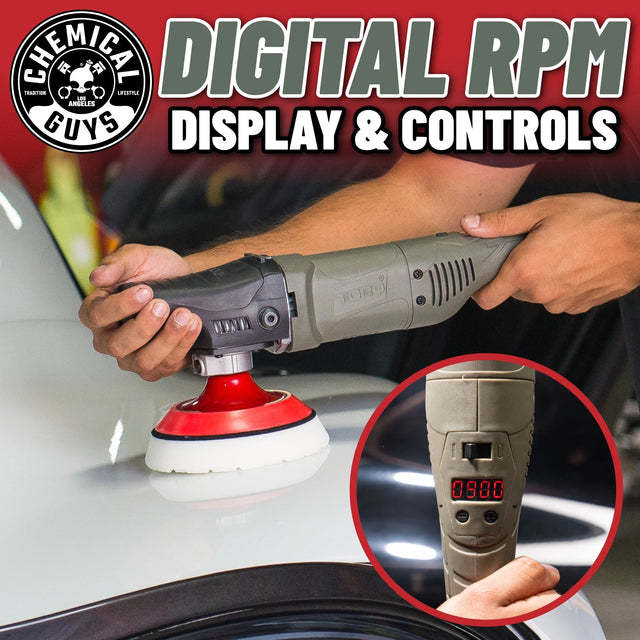
- Speed Settings:Variable speed control lets you adjust the intensity based on the task. Lower speeds work well for applying polish, while higher speeds help with correction.
- Weight and Ergonomics:Choose a polisher that feels comfortable in your hand. A lighter, well-balanced tool reduces fatigue during extended use.
- Backing Plate Size:Smaller plates (around 5 inches) are great for tight spots; larger plates cover more area quickly.
- Build Quality:Durable materials and a solid motor mean your polisher will last longer and perform better.
When I first bought a polisher, I underestimated how important comfort and weight were. After a few hours, my arm was sore, and I realized a lighter model would have made a big difference. What feature do you think would make polishing easier for you?
Credit: www.chemicalguys.com
Preparing Your Car
Preparing your car before using a polisher is crucial for achieving a smooth, shiny finish. Skipping this step can lead to scratches or uneven results. Taking the time to properly prep ensures your polishing effort pays off and your car looks its best.
Washing And Drying
Start by washing your car thoroughly to remove dirt and grime. Use a car shampoo and a soft sponge or mitt to avoid scratching the paint. Rinse well and dry the surface completely with a microfiber towel to prevent water spots.
Have you noticed how even a small amount of dust can ruin a polish job? That’s why drying is just as important as washing. Make sure no moisture remains before you move on.
Removing Surface Contaminants
Even after washing, your car’s paint may have stubborn contaminants like tar, sap, or iron particles. Use a clay bar or a dedicated paint cleaner to gently lift these impurities off the surface. This step creates a smooth base, allowing the polisher to work more effectively.
Think about your last polish—did you feel any rough spots on the paint? Those are signs contaminants are still present. Taking the time here saves you from uneven shine later.
Taping Off Sensitive Areas
Protect trim, rubber seals, and edges by covering them with painter’s tape before polishing. These areas can be damaged or stained by polish residue and the polisher’s movement. Taping also helps you stay focused on the paint surfaces that need attention.
Have you ever polished and found polish dried on your headlights or plastic trim? It’s a hassle to clean off and can cause damage. A simple strip of tape prevents this problem entirely.
Selecting Polishing Pads And Compounds
Selecting the right polishing pads and compounds can make a huge difference in the results you get from your car polisher. These two components work together to restore your car’s paint, remove imperfections, and add shine. Choosing the wrong combination could waste your time or even damage the surface you’re working on.
Pad Materials And Their Uses
Polishing pads come in various materials, each suited for different tasks. Foam pads are popular because they’re versatile and gentle on paint. You’ll find them in soft, medium, and firm densities, with softer pads used for finishing and firmer ones for cutting or heavy polishing.
Wool pads are more aggressive and excel at cutting through deep scratches and oxidation. However, they require careful handling to avoid over-polishing. Microfiber pads combine some benefits of foam and wool, offering a balance between cutting power and finishing ability.
Choosing The Right Compound
Compounds vary in abrasiveness, and picking the right one depends on your car’s paint condition. Heavy-cut compounds remove significant defects but can leave fine scratches behind, which need a finer polish afterward. Medium compounds are good for moderate imperfections, while finishing polishes add gloss without much cutting power.
Pay attention to the compound’s consistency too. Some are liquid, easy to spread, and great for beginners. Others come as pastes, offering more control but requiring a bit more skill. Have you ever tried to fix swirl marks only to find your compound was too harsh? Choosing the right product upfront saves you from that frustration.
Matching Pads With Compounds
Matching your pad with the correct compound is critical for effective polishing. For example, a heavy-cut compound pairs well with a firm foam or wool pad to tackle tough defects. Using a soft foam pad with the same compound might not deliver enough cutting power.
On the other hand, finishing polishes work best with soft foam pads designed to enhance gloss without removing much material. Trying to use a heavy wool pad with a fine finishing polish can create unwanted haze. Think of it as pairing tools for a specific job—getting this right makes your polishing smoother and faster.
Next time you’re gearing up for a polishing session, ask yourself: Are my pads and compounds really matched to the job? This small step can dramatically improve your results and protect your car’s paint.
Polishing Techniques
Using a car polisher correctly can make a big difference in your car’s shine. Polishing techniques help remove scratches and restore the paint’s smoothness. These simple steps improve results and protect your car’s surface.
Starting With Low Speed
Begin polishing at a low speed to avoid paint damage. Low speed helps control the polisher better. It prevents the pad from slipping and causing swirl marks. Once you feel comfortable, you can increase speed slowly for better polishing.
Proper Pressure Application
Apply light to moderate pressure while polishing. Too much pressure can harm the paint. Too little pressure will not remove defects well. Let the polisher’s weight do most of the work. Keep steady and consistent pressure for best results.
Working In Small Sections
Divide the car surface into small areas before polishing. Focus on one section at a time. This method ensures even polishing and avoids missing spots. Move the polisher smoothly across each section until the shine appears.
Common Mistakes To Avoid
Using too much pressure can damage the car’s paint. Always keep the polisher moving to avoid swirl marks. Ensure the pad is clean to prevent scratches.
Common mistakes can lead to unwanted results when using a car polisher. Avoiding these errors ensures your car’s finish remains flawless. Let’s explore some common pitfalls and how to steer clear of them.Overheating The Paint
Overheating can damage your car’s paint. Keep the polisher moving to prevent this. Don’t let it stay in one spot for too long. This helps in distributing heat evenly.Skipping Preparation Steps
Preparation is key to a smooth polish. Wash and dry your car before polishing. Remove any dirt and debris. Skipping this step can cause scratches.Using Incorrect Pads Or Compounds
Selecting the right pad and compound is crucial. Different paints need specific pads and compounds. Using the wrong ones can harm your car’s finish. Always check compatibility before starting.Finishing Touches
After polishing your car, the finishing touches bring out the true shine. These steps protect your paint and keep your car looking fresh longer. Taking time with the final details ensures a smooth, glossy surface.
Removing Residue
Polishing can leave behind a thin layer of residue on your car’s surface. Use a clean microfiber cloth to wipe off any leftover polish gently. Avoid rubbing too hard to prevent scratches. Make sure all residue is removed before the next step.
Applying Wax Or Sealant
Wax or sealant protects the polished surface from dirt and damage. Choose a product that suits your car’s paint type. Apply a thin, even layer using a soft applicator pad. Let it dry to a haze, then buff off with a clean cloth. This step enhances shine and adds a protective barrier.
Maintaining The Shine
Keep your car looking polished by washing it regularly with mild soap. Avoid harsh chemicals that can strip wax or sealant. Use a quick detailer spray between washes to maintain gloss. Park in shaded areas to reduce sun damage. Regular care extends the life of your finish.
Safety Tips
Using a car polisher can make your vehicle shine like new. Safety is very important during this process. Following safety tips protects you and your car. It also helps you work more efficiently. Below are key safety points to keep in mind.
Protective Gear
Wear protective gear to avoid injuries. Use safety glasses to protect your eyes from dust and debris. Gloves help protect your hands from chemicals and heat. A dust mask prevents inhaling harmful particles. Wear long sleeves to protect your skin from splashes.
Safe Handling Of Tools
Hold the polisher firmly with both hands. Avoid loose clothing or jewelry that can get caught. Keep the power cord away from the polishing pad. Never force the polisher; let it work gently on the surface. Turn off and unplug the tool before changing pads or cleaning.
Work Area Setup
Choose a clean, dry, and well-lit area for polishing. Remove any obstacles that may cause tripping. Keep children and pets away from the workspace. Have all your materials close to avoid unnecessary movement. Ensure good ventilation to avoid fumes from polish products.
Credit: www.drbeasleys.com
Credit: monsterdetailing.com
Frequently Asked Questions
What Is The Best Way To Use A Car Polisher?
Start with a clean, dry car surface. Apply polish evenly. Use slow, circular motions with moderate pressure. Avoid staying too long in one spot to prevent damage. Finish by buffing with a microfiber cloth for a shiny finish.
How Often Should I Use A Car Polisher?
Use a car polisher every 3 to 6 months. Frequent polishing can wear down the paint. Occasional polishing maintains shine and removes light scratches. Adjust frequency based on your car’s exposure to elements and condition.
Can Beginners Safely Use A Car Polisher?
Yes, beginners can use a car polisher safely. Start with low speed and practice on small areas. Follow manufacturer instructions carefully. Use proper pads and polish types to avoid paint damage. Patience and proper technique are key.
What Type Of Polish Works Best With A Car Polisher?
Use a polish designed for machine application. Choose between cutting, polishing, or finishing compounds based on paint condition. Cutting compounds remove scratches, polishing compounds enhance shine. Always test on a small area first for compatibility.
Conclusion
Using a car polisher can improve your vehicle’s shine and protect its paint. Always prepare the surface well before starting. Move the polisher slowly and evenly for the best results. Choose the right pads and polish for your car. Take breaks to avoid damage from heat.
Practice on a small area first to gain confidence. With patience and care, your car will look fresh and clean. Enjoy the smooth, glossy finish you create yourself. Keep your polisher clean and store it safely after use. Simple steps make a big difference in car care.