
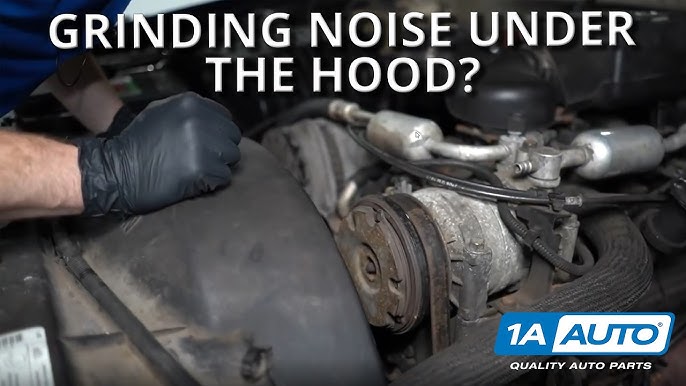
Is your car’s AC blowing warm air, or making strange noises? You might be facing a problem with your AC compressor.
Before spending money on repairs, it’s important to know how to test the AC compressor yourself. This simple skill can save you time and frustration, and help you understand exactly what’s wrong with your car’s cooling system. In this guide, you’ll discover easy steps to check your AC compressor, even if you’re not a mechanic.
Keep reading to take control of your car’s comfort and avoid costly mistakes.
Signs Of A Faulty Ac Compressor
Detecting a faulty AC compressor early saves time and money. The compressor is vital for your car’s cooling system. It pushes refrigerant through the AC system. Signs of trouble often appear before a complete failure. Watch for changes in sound, airflow, and temperature. These clues help identify compressor issues quickly.
Unusual Noises
Listen for strange sounds coming from the AC. Grinding, squealing, or rattling noises often signal compressor problems. These sounds mean internal parts are worn or damaged. A healthy compressor runs quietly without odd noises.
Weak Airflow
Notice if the airflow from vents feels weaker than usual. A failing compressor cannot circulate refrigerant properly. This reduces the pressure needed for strong air movement. Weak airflow means less cool air reaches the cabin.
Warm Air Blowing
Warm air instead of cold is a clear warning sign. The compressor may fail to compress refrigerant correctly. This prevents the AC system from cooling the air. Warm air blowing often means the compressor needs checking.
Leaking Refrigerant
Look for oily spots or puddles under your car. Refrigerant leaks reduce the AC’s cooling power. Leaks often come from damaged compressor seals or hoses. Low refrigerant levels cause poor cooling and compressor strain.
Tools Needed For Testing
Testing an AC compressor requires specific tools to get accurate results. Using the right equipment helps identify problems quickly and safely. This section covers the essential tools needed for checking your car’s AC compressor.
Pressure Gauges
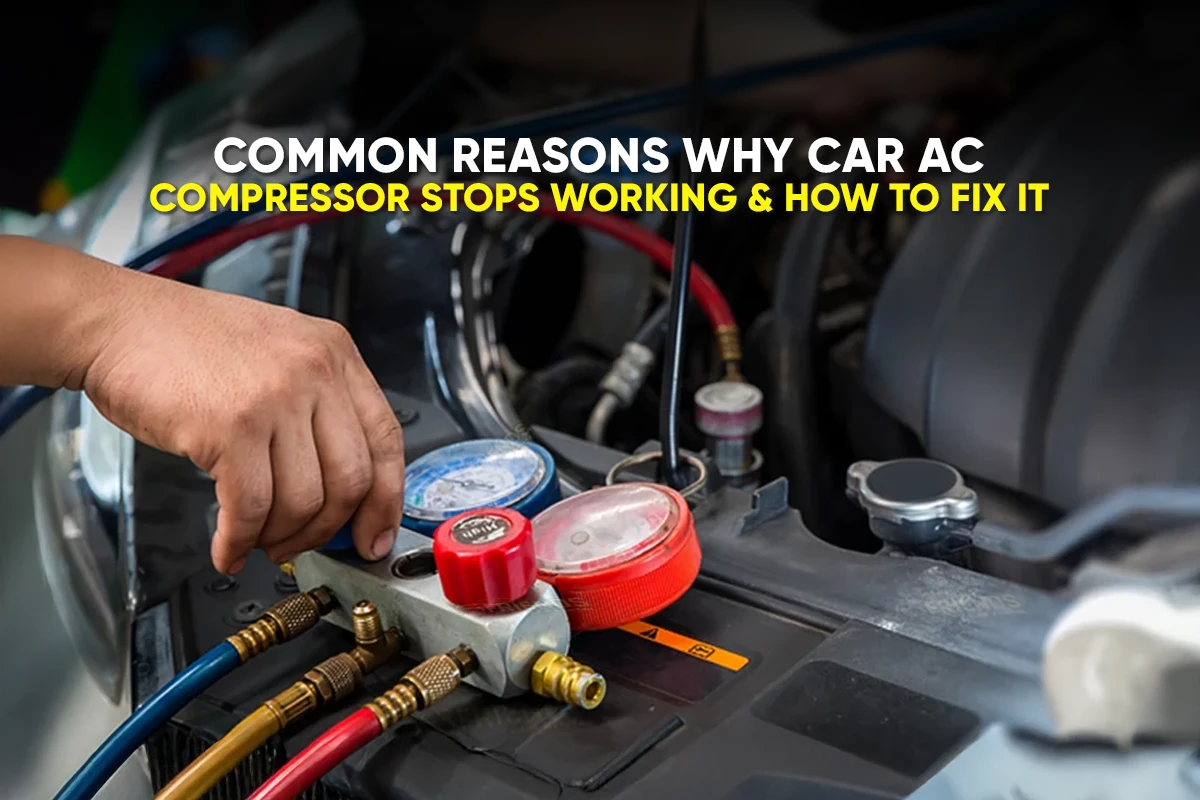
Pressure gauges measure the refrigerant pressure in the AC system. They show if the compressor is building enough pressure to cool the air. A set usually includes two gauges: one for low pressure and one for high pressure. These gauges connect to the service ports of the AC system.
Multimeter
A multimeter tests the electrical parts of the AC compressor. It checks voltage, continuity, and resistance in wires and switches. This tool helps find electrical faults that stop the compressor from working. It is easy to use and essential for accurate diagnosis.
Wrenches And Screwdrivers
Wrenches and screwdrivers are needed to access the AC compressor and its components. They help remove panels, bolts, and connectors safely. Having a set of various sizes ensures you can handle different fasteners. These tools make the testing process smoother.
Safety Gear
Safety gear protects you during testing. Always wear safety glasses to shield your eyes from refrigerant or debris. Gloves protect your hands from sharp parts and chemicals. Use long sleeves and closed shoes for extra protection. Safety gear is a must for a safe working environment.
Preparing The Car For Testing
Preparing your car properly before testing the AC compressor is crucial for both safety and accuracy. Skipping these basic steps can lead to incorrect readings or even damage to your vehicle. Taking a few moments to get your car ready sets you up for a smooth and effective testing process.
Park On A Level Surface
Make sure your car is parked on a flat, level surface. This helps keep the refrigerant evenly distributed within the system, which is important for accurate pressure readings. A sloped driveway or uneven ground can cause false results and make your diagnosis tricky.
Turn Off The Engine
Before you start any testing, turn off the engine completely. This prevents any moving parts from causing injury while you inspect the AC system. Plus, it lets the pressure inside the system stabilize, giving you a more reliable baseline to work from.
Release Pressure Safely
Releasing pressure from the AC system must be done carefully to avoid injury or environmental harm. Use proper tools like a refrigerant recovery machine or consult a professional if unsure. Never release refrigerant directly into the air—it’s harmful and illegal in many areas.
Checking The Ac Compressor Clutch
Testing the AC compressor clutch involves checking if it engages when the AC is turned on. Listen for a clicking sound and watch the clutch to see if it spins. This simple check helps determine if the compressor is working properly.
Checking the AC compressor clutch in your car is a crucial step to ensure your air conditioning system runs smoothly. This component plays a vital role in engaging and disengaging the compressor, which is essential for effective cooling. If you’re facing issues with your AC, inspecting the compressor clutch can often reveal the problem.Locate The Compressor Clutch
First, you need to find the compressor clutch under the hood of your car. It’s typically attached to the front of the AC compressor, which is connected to the engine by a belt. This location might vary slightly depending on your car model, so consulting your vehicle’s manual can provide specific guidance.Inspect For Visible Damage
Once located, take a close look at the compressor clutch. Check for any visible signs of wear and tear, such as cracks, rust, or missing pieces. Even minor damage can affect the clutch’s performance, so it’s crucial to note anything unusual.Test Clutch Engagement
To test the clutch engagement, start your car and turn on the AC to its highest setting. You should hear a clicking sound as the clutch engages, indicating it’s functioning correctly. If there’s no sound or the compressor doesn’t start, it may suggest a problem with the clutch or the electrical circuit powering it. Regular checks can prevent bigger issues down the line. Have you ever faced a sudden AC failure on a hot day? Avoiding that discomfort is worth the small effort of checking your compressor clutch.Measuring System Pressure
Measuring system pressure is a key step in testing an AC compressor on a car. It reveals how well the compressor moves refrigerant through the system. Accurate pressure readings help identify leaks, blockages, or compressor failure.
This process requires pressure gauges designed for automotive AC systems. The gauges show the high and low side pressures during compressor operation. These numbers indicate if the system pressure is normal or not.
Connect Pressure Gauges
First, locate the low and high pressure service ports under the car’s hood. These ports are usually near the compressor or along the AC lines.
- Attach the blue hose to the low-pressure port.
- Attach the red hose to the high-pressure port.
- Make sure connections are tight to avoid leaks.
- Check the gauge readings before starting the engine; they should be at zero.
Start The Engine And Ac
Turn on the car engine and set the AC to the coldest setting. The compressor will begin cycling on and off.
Let the system run for a few minutes. This allows pressures to stabilize for accurate measurement.
Interpret Pressure Readings
Check the low-side pressure first. It usually ranges between 25 and 45 psi when the AC runs.
Next, read the high-side pressure. Normal values fall between 200 and 250 psi.
Low pressure on both sides can mean a refrigerant leak. High pressure on the high side may indicate a blockage or failing compressor.
Use these values to decide if further diagnosis or repair is needed.

Credit: www.youtube.com
Testing Electrical Components
Testing the electrical components of an AC compressor is essential to find out why it might not be working. These parts control the power flow and help the compressor run smoothly. Faulty electrical parts often cause the compressor to fail.
Start by checking simple parts like fuses and relays. Then, measure the voltage to confirm power reaches the compressor. Finally, test the compressor coil’s resistance to ensure it is not broken or shorted.
Check Fuse And Relay
The fuse protects the AC compressor circuit from damage. A blown fuse stops the compressor from working. Locate the fuse box under the hood or inside the car. Find the fuse linked to the AC system using the diagram.
Remove the fuse and inspect it. A broken metal strip means the fuse is blown. Replace it with one of the same rating. Also, check the AC relay by swapping it with a similar one in the fuse box. If the compressor works after swapping, the relay is faulty.
Measure Voltage At Compressor
Use a multimeter to check voltage at the compressor plug. Set the meter to DC voltage. Connect the red probe to the power wire and the black probe to the ground wire.
Turn the ignition on and switch the AC to the highest setting. The multimeter should show battery voltage, usually around 12 volts. If there is no voltage, the problem lies in the wiring, fuse, or relay.
Test Compressor Coil Resistance
The compressor coil creates a magnetic field to move the clutch. Use an ohmmeter to measure coil resistance. Disconnect the compressor connector first.
Place the meter probes on the two coil terminals. A healthy coil usually reads between 3 to 5 ohms. A very high or infinite reading means a broken coil. A zero or very low reading means a shorted coil. Either condition requires coil replacement.
Performing A Manual Spin Test
Performing a manual spin test on your car’s AC compressor helps you check its basic function without needing advanced tools. This test can reveal if the compressor pulley and internal components move freely or if there’s resistance indicating a potential problem. Let’s break down the process to make it easy and clear for you to follow.
Remove The Serpentine Belt
Start by locating the serpentine belt on your car’s engine. This belt drives the AC compressor pulley, so removing it lets you spin the compressor by hand without resistance from the engine.
Use a wrench or a belt tensioner tool to release the tension on the belt. Carefully slide the belt off the compressor pulley and set it aside in a safe place.
Spin Compressor Pulley By Hand
Now, grasp the compressor pulley firmly with your hand. Rotate it slowly and observe how it moves.
It should spin smoothly with minimal effort. If you feel stiffness or hear grinding noises, it could mean the bearings inside the compressor are worn out or damaged.
Assess For Smooth Operation
Pay close attention to any rough spots, noises, or jerky movements while spinning the pulley. These signs often point to internal damage that could affect your AC’s performance.
Ask yourself: does the pulley spin freely like a well-oiled wheel, or does it feel like something is holding it back? Detecting issues early can save you from costly repairs down the line.
Common Issues And Fixes
Common problems with AC compressors include leaks, worn clutch, and electrical faults. Testing involves checking pressure, clutch engagement, and electrical connections for proper function. Simple fixes often restore cooling without costly repairs.
Testing your car’s AC compressor might sound daunting, but understanding common issues and their fixes can make the task manageable. Knowing what to look for when your AC isn’t performing well can save you time and money. Here’s a closer look at some typical problems you might encounter and how to address them effectively.Compressor Not Engaging
One of the most common issues is the compressor not engaging. This is often caused by a faulty relay or a blown fuse. Check your car’s fuse box and replace any blown fuses. If the fuses are fine, inspect the relay and replace it if necessary. Sometimes, a simple tap on the compressor can temporarily re-engage the clutch, but consider this a short-term solution.Low Refrigerant Levels
Low refrigerant levels can prevent the compressor from engaging. Without enough refrigerant, the system won’t have the pressure needed to operate. Use a pressure gauge to check the refrigerant levels. If they’re low, you might need to add refrigerant. Remember to use the type specified for your vehicle. Overfilling can damage the system, so be careful with this DIY task.Electrical Faults
Electrical problems can also stop your compressor from working. Broken wires, corroded connectors, or a faulty control module can all be culprits. Examine the wiring for any visible damage. Clean any corroded connectors using a wire brush. If you suspect a deeper electrical issue, it might be time to consult a professional mechanic.Mechanical Failures
Mechanical failures within the compressor are another potential issue. These can include seized components or worn-out parts. Listen for unusual noises coming from the compressor, like grinding or squealing. These sounds often indicate internal issues. Repairing or replacing a malfunctioning compressor usually requires professional assistance. However, understanding the symptoms can help you explain the problem more effectively to a mechanic. Do any of these issues sound familiar? Addressing them promptly can restore your AC’s function and enhance your driving comfort. Regular maintenance can also prevent many of these problems from arising in the first place.When To Replace The Ac Compressor
Knowing when to replace your car’s AC compressor helps avoid bigger problems. The AC compressor is key for cooling. It pushes refrigerant through the system. If it breaks, the AC won’t work properly. Some signs show severe damage. Others involve cost and repair choices. A professional inspection can confirm the issue.
Signs Of Severe Damage
- Unusual noises like grinding or squealing
- AC blowing warm or no air
- Leaking refrigerant near the compressor
- Compressor clutch not engaging or spinning
- Burnt smell from the engine area
These signs suggest serious compressor problems. Ignoring them can cause full AC failure.
Cost Vs. Repair Considerations
Replacing an AC compressor can be expensive. Repair may cost less but might not last long. Consider the car’s age and condition. Sometimes a new compressor saves money over time. Check warranty and parts availability too.
Professional Inspection
A trained mechanic can diagnose compressor issues accurately. They test pressure and electrical components. They spot hidden damage or leaks. A professional check ensures the right fix. Avoid guessing or DIY repairs for complex problems.

Credit: www.youtube.com
Credit: friendscarrental.com
Frequently Asked Questions
How Do You Check If An Ac Compressor Is Working?
To check the AC compressor, start the car and turn on the AC. Look for the compressor clutch engaging and listen for any unusual noises. If the clutch doesn’t engage, the compressor might be faulty or low on refrigerant.
What Tools Are Needed To Test An Ac Compressor?
You need a manifold gauge set, a multimeter, and a thermometer. These tools help check pressure levels, electrical continuity, and temperature changes. Proper tools ensure accurate diagnosis of the AC compressor’s condition.
Can You Test An Ac Compressor Without Removing It?
Yes, you can test it with the compressor in the car. Use pressure gauges and listen for clutch engagement while the AC runs. This method saves time and helps identify common compressor issues on the spot.
What Are Common Signs Of A Failing Ac Compressor?
Common signs include weak cooling, strange noises, and the compressor clutch not engaging. You might also notice refrigerant leaks or circuit breaker trips. Early detection helps avoid costly repairs and keeps your AC running efficiently.
Conclusion
Testing an AC compressor helps keep your car cool and comfortable. Follow the steps carefully to check if it works well. Use simple tools and stay safe while testing. Regular checks can save money on repairs later. Knowing how to test your AC compressor gives confidence.
Keep your car’s air conditioning running smoothly all year. A little effort goes a long way in car care. Try testing it yourself before calling a mechanic.