

Has your car ever refused to start just when you needed it most? A dead battery can strike without warning, leaving you stuck and frustrated.
But don’t worry—you can fix this quickly and get back on the road. You’ll learn simple, step-by-step ways to start your car when the battery is dead. Whether you’re at home or on the go, these tips will give you the confidence to handle the situation like a pro.
Keep reading, and you’ll never feel helpless with a dead battery again.
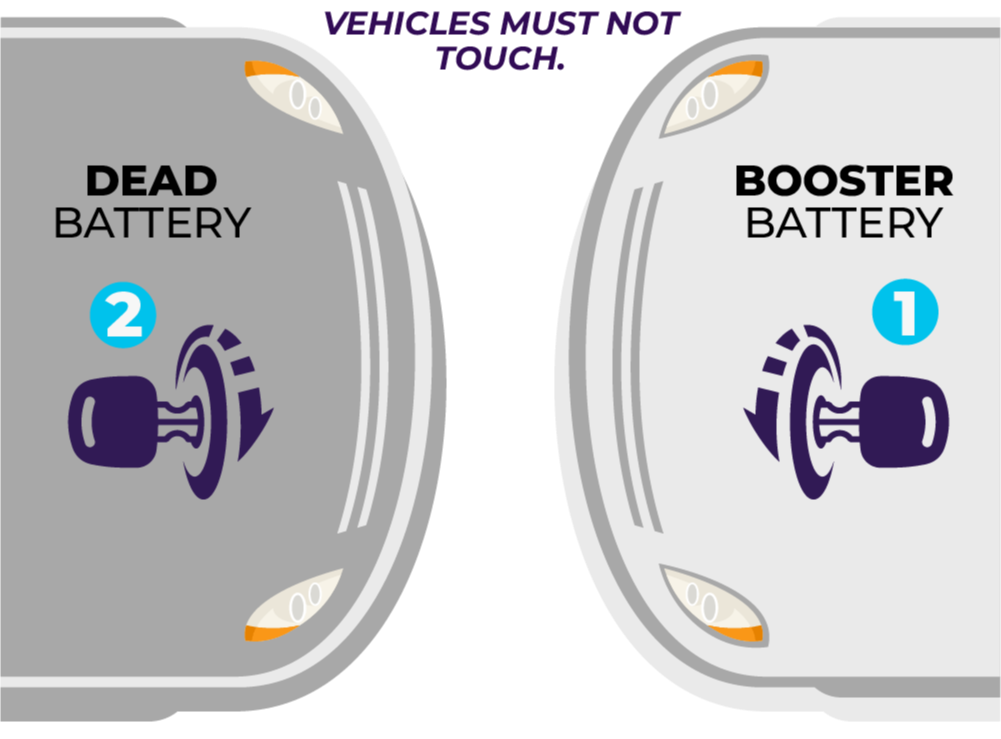
Credit: www.autobatteries.com
Signs Of A Dead Battery
Knowing the signs of a dead car battery can save time and stress. Your car may not start, but the problem is often the battery. Spotting early symptoms helps you act fast and avoid being stranded. This section highlights common symptoms and the role of battery age and condition.
Common Symptoms
- The engine cranks slowly or doesn’t crank at all.
- Dashboard lights appear dim or flicker.
- The headlights are weak or do not turn on.
- Clicking sound when turning the key without engine start.
- Electrical components like radio or power windows fail to work.
Battery Age And Condition
Batteries usually last 3 to 5 years. Older batteries lose charge capacity.
Corrosion on battery terminals affects performance and starting power.
Extreme hot or cold weather shortens battery life.
Regular inspection helps detect wear or damage early.
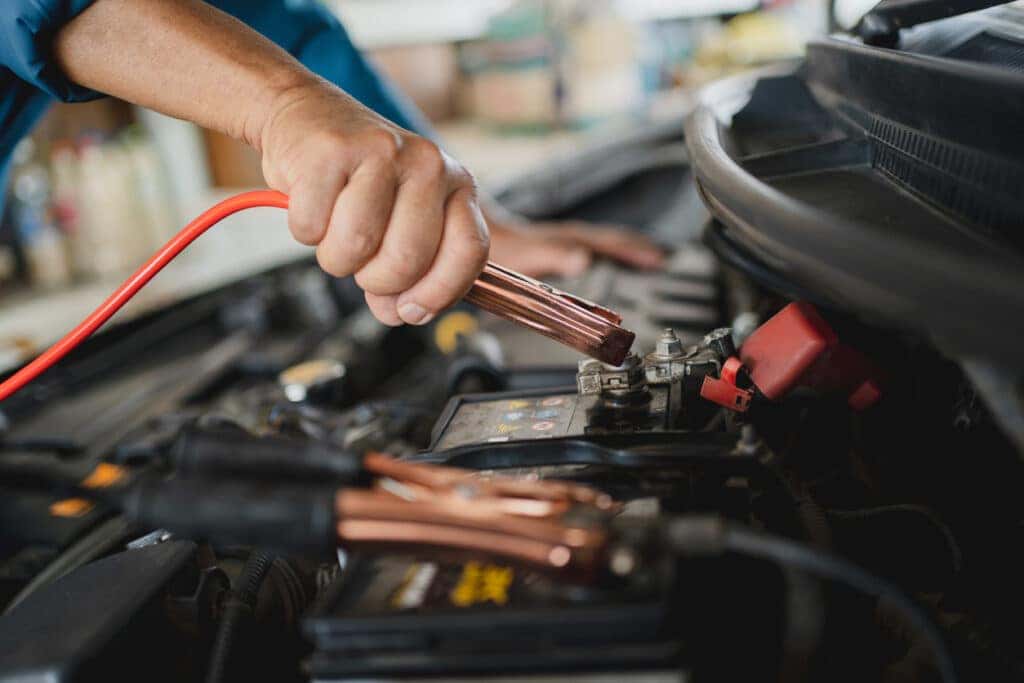
Credit: www.gallagherautos.com
Essential Tools For Jump-starting
Having the right tools ready can make jump-starting your car’s dead battery a quick and hassle-free task. Without essential equipment, you might find yourself stuck or even causing damage to your vehicle. Let’s look at the must-have tools that will get your engine running again.
Jumper Cables
Jumper cables are the classic solution for reviving a dead battery. These cables connect your car’s battery to another vehicle’s battery, allowing the transfer of power.
Look for cables that are at least 10 to 12 feet long. This length gives you the flexibility to position the vehicles safely. Also, thicker cables with a lower gauge number conduct electricity better, ensuring a stronger jump.
Have you checked your jumper cables lately? Old or damaged cables can fail when you need them most.
Portable Jump Starters
Portable jump starters are compact devices that store power and can jump-start your car without needing a second vehicle. They are perfect for emergencies, especially if you’re alone or in a remote area.
Choose a jump starter with enough cranking amps to match your vehicle’s battery size. Some models also double as power banks, letting you charge your phone or other gadgets.
Owning a portable jump starter means you won’t have to rely on strangers or wait for roadside assistance. Would you feel safer carrying one in your glove compartment?
Safety Gear
Safety gear is often overlooked but is crucial when jump-starting a battery. Always wear protective gloves to shield your hands from sparks or battery acid.
Eye protection, like safety glasses, guards against unexpected splashes or debris. Keep a fire extinguisher nearby, just in case, and ensure both vehicles are turned off before connecting cables.
How prepared are you for an unexpected battery emergency? Having safety gear can protect you from serious injury during the process.
Preparing For A Jump-start
Preparing for a jump-start is a key step to safely start a car with a dead battery. It helps avoid damage to both vehicles and ensures your safety.
Taking time to set up properly makes the jump-start process smoother. Follow these easy steps to get ready.
Positioning Vehicles
Park the working car close to the dead car. Keep the vehicles facing each other or side by side.
Make sure they do not touch. Leave enough space for jumper cables to reach both batteries.
Turn off both cars and set parking brakes. This prevents any accidental movement during the jump-start.
Checking Battery Terminals
Open the hoods of both vehicles. Find the batteries and locate the terminals.
- Look for the positive terminal marked with a “+” or red cover.
- Identify the negative terminal marked with a “-” or black cover.
Clean any dirt or corrosion on the terminals. Use a cloth or wire brush if available.
Ensuring Safety Precautions
- Wear safety glasses and gloves if possible.
- Do not smoke or allow sparks near the batteries.
- Keep metal objects away from battery terminals.
- Check that cables are in good condition without exposed wires.
Following these safety steps protects you from injury or battery damage.
Step-by-step Jump-start Process
Jump-starting a car with a dead battery can seem intimidating, but breaking it down into clear steps makes the process straightforward and safe. Knowing exactly how to connect the jumper cables and start both vehicles correctly can get you back on the road quickly. Let’s walk through the essential actions you need to take, so you feel confident handling this situation.
Connecting Jumper Cables
First, position the donor car close enough to the dead car so the jumper cables can reach both batteries, but ensure the vehicles don’t touch. Identify the positive (+) and negative (–) terminals on both batteries. It’s crucial to connect the cables in the right order to avoid sparks or damage.
- Attach one red clamp to the positive terminal of the dead battery.
- Attach the other red clamp to the positive terminal of the donor battery.
- Attach one black clamp to the negative terminal of the donor battery.
- Attach the last black clamp to an unpainted metal surface on the dead car’s engine block or frame, away from the battery.
Have you ever wondered why the last clamp isn’t connected directly to the dead battery’s negative terminal? This reduces the risk of sparks near the battery, which can be dangerous.
Starting The Donor Car
Once the cables are securely connected, start the donor car and let it run for a few minutes. This allows the dead battery to gain enough charge to start your car. Keep an eye on the dashboard of the dead car to see if the battery warning light goes off, indicating power is flowing.
Don’t rush this step; a steady charge is better than a quick surge. Have you noticed your car’s lights brighten when jump-starting? That’s a good sign the battery is getting power.
Starting The Dead Car
After a few minutes, try to start the dead car. If it doesn’t start immediately, wait a bit longer with the donor car running. Sometimes the battery needs more time to build a sufficient charge.
Once your car starts, leave both cars running for several minutes to stabilize the battery. Pay attention to how the engine sounds; if it’s rough or stalls, it might mean the battery or alternator needs further inspection.
Removing Jumper Cables Safely
Removing the cables in the correct order is just as important as connecting them. Start by unplugging the black clamp from the metal surface on the dead car. Then remove the black clamp from the donor battery’s negative terminal.
Next, remove the red clamp from the donor car’s positive terminal, followed by the red clamp from the dead battery. Avoid letting the clamps touch each other or any metal surfaces during removal to prevent sparks.
Have you ever seen sparks when removing cables? That usually means the order was wrong or clamps touched. Taking your time here ensures your safety and protects your car’s electrical system.
Alternative Jump-start Methods
Jump-starting a car with a dead battery can be done using alternative methods like using a portable battery pack. Another option is to charge the battery with a battery charger.
Car battery dead? Don’t worry, there are several ways to bring your vehicle back to life without waiting for roadside assistance or relying on a neighbor’s kindness. Exploring alternative jump-start methods can save you time and hassle. Whether you’re using a portable jump starter or push-starting a manual car, you’ll be back on the road in no time.Using A Portable Jump Starter
A portable jump starter is a lifesaver when your car battery dies unexpectedly. Compact and easy to use, these devices eliminate the need for another vehicle. Have you ever wondered what it feels like to be completely independent on the road? With a portable jump starter, you can be. Simply connect the jump starter’s red clamp to your battery’s positive terminal and the black clamp to the negative. Turn on the device and try starting your car. It’s almost like having a mechanic in your glove compartment! These devices often come with additional features like USB ports for charging your phone. Always keep your jump starter charged and ready for emergencies. It’s a small investment for peace of mind.Push-starting Manual Cars
If you drive a manual transmission car, push-starting might be your ticket to freedom. This method requires a little help but no extra equipment. Ever felt the thrill of rolling down a hill and starting your car without a hitch? Push-starting can give you that rush. Here’s how it works: Turn on the ignition, put the car in second gear, and have a friend push the car until it gains a little speed. Once you’ve got momentum, release the clutch quickly while pressing the accelerator. Your engine should roar to life. This method is best for slight inclines or flat surfaces. Always ensure safety by checking your surroundings and using a sturdy stance. Push-starting is an old-school trick that’s as effective as it is exhilarating. Which method sounds more convenient for you? The choice between using a high-tech gadget and a classic approach depends on your situation and preferences. Both methods offer practical solutions to a common problem.
Credit: wolfchasehonda.com
After Jump-starting Care
After successfully jump-starting your car, proper care is essential. Taking a few simple steps helps restore the battery’s charge. It also prevents future problems. This section explains how to handle your vehicle right after a jump-start.
Keeping The Engine Running
Keep the engine running for at least 20 to 30 minutes. This allows the alternator to recharge the battery. Avoid turning off the engine immediately. Use this time to drive the car rather than idling. Driving helps the battery charge faster and more fully.
Battery Charging Tips
- Drive your car on highways or open roads for better charging.
- Turn off all electrical accessories like radio and air conditioning.
- If possible, avoid short trips. They don’t give enough time to recharge.
- Consider using a battery charger if the battery often dies.
- Check battery terminals for corrosion and clean them if needed.
When To Replace The Battery
Notice if your car struggles to start again soon after a jump. This may mean the battery cannot hold a charge. Batteries usually last 3 to 5 years. If your battery is old or weak, plan to replace it. A failing battery can leave you stranded and damage your car’s electrical system.
Preventing Battery Drain
Preventing battery drain is key to avoiding car starting problems. A battery that drains often leaves you stranded. Taking simple steps helps keep your battery healthy. These steps also extend battery life and improve car reliability.
Regular Battery Maintenance
Check your battery terminals for dirt and corrosion. Clean terminals gently with a wire brush or cloth. Ensure battery connections are tight and secure. Inspect battery fluid levels if accessible. Keep the battery charged, especially in cold weather. Test your battery regularly with a voltmeter or at a service center. Replace the battery if it shows signs of weakness or age.
Avoiding Common Battery Draining Habits
- Turn off headlights, interior lights, and radio when not needed.
- Do not leave electronic devices plugged in overnight.
- Avoid short trips that do not fully recharge the battery.
- Close doors and trunk properly to prevent interior lights staying on.
- Check for electrical issues like faulty wiring or stuck switches.
- Limit use of power-hungry accessories when the engine is off.
Frequently Asked Questions
How Do I Jump-start A Car With A Dead Battery?
To jump-start, connect jumper cables from a working car battery to the dead one. Start the working car, then the dead car. Remove cables in reverse order after starting. Always follow safety guidelines to avoid sparks or damage.
What Are The Safest Methods To Start A Dead Car Battery?
Using jumper cables or a portable jump starter are safest. Avoid pushing the car unless it’s manual transmission. Always connect cables correctly and wear safety gear to prevent injury or damage.
Can I Start A Dead Battery Without Jumper Cables?
Yes, a portable jump starter can start a dead battery without cables. Alternatively, a push start works for manual cars. These methods require caution and proper knowledge to avoid accidents.
How Long Should I Run The Engine After Jump-starting?
Run the engine for at least 20 minutes after jump-starting. This helps recharge the battery sufficiently. Longer drives are better for a full recharge to prevent repeated dead battery issues.
Conclusion
Starting a car with a dead battery does not have to be hard. Keep jumper cables or a portable charger ready. Always follow safety steps carefully to avoid accidents. Knowing how to jump-start your car saves time and money. Practice these steps so you feel confident in emergencies.
Cars can fail anytime, but you can be prepared. Stay calm, work step-by-step, and your car will start again. Simple actions can make a big difference on the road.