

Are you looking to give your car hood a fresh, new look without spending a fortune? Spraying paint on your car hood might sound tricky, but with the right steps, you can achieve a smooth, professional finish all by yourself.
Imagine turning heads every time you drive by, thanks to your shiny, flawless hood. In this guide, you’ll discover simple tips and tricks that make the whole process easier than you think. Ready to transform your car and save money?
Keep reading, and let’s get started!
Preparing The Car Hood
Preparing the car hood before spray painting is a crucial step that determines how smooth and durable your finish will be. Skipping or rushing this process can lead to uneven paint, peeling, or a surface that just doesn’t look professional. Taking the time to properly prepare your hood will save you frustration and ensure your work stands the test of time.
Cleaning The Surface
Start by thoroughly cleaning the hood to remove dirt, grease, and old wax. Use a degreaser or a mixture of soap and water, then dry the surface completely with a clean cloth.
Any residue left behind can cause the paint to bubble or not stick properly. Have you ever noticed paint peeling off quickly? Often, it’s because the surface wasn’t clean enough before painting.
Sanding For Smoothness
Sanding is key to achieving a smooth, even surface that paint can grip to. Use fine-grit sandpaper (around 400-600 grit) to gently scuff the hood.
This step removes minor scratches, old clear coat, and imperfections. Sanding also helps the new paint bond better, so don’t skip it even if the hood looks fine to the naked eye.
Masking Surrounding Areas
Protect areas around the hood that you don’t want to get paint on. Use painter’s tape and plastic sheets or newspaper to cover the windshield, headlights, and grille.
Masking saves you from tedious cleanup and prevents accidental paint spots. Have you ever tried scrubbing paint off glass or chrome? It’s not fun, and it can damage those surfaces.
Choosing The Right Paint
Choosing the right paint for your car hood is crucial to achieving a smooth, long-lasting finish. The paint you select affects not just the look but also the durability of your work. Picking the proper type and color ensures your project stands out and holds up against the elements.
Types Of Spray Paint
Not all spray paints are created equal. You’ll mainly encounter three types suitable for car hoods:
- Acrylic Enamel:Offers a glossy finish and is relatively easy to apply. It’s durable but may require a clear coat for extra protection.
- Acrylic Lacquer:Dries quickly and provides a high-gloss finish, but it’s less durable and more prone to chipping.
- Urethane:The most durable option, resistant to chemicals and weather. It requires proper ventilation and safety gear during application.
Think about how often you want to repaint or maintain the hood. Would you prefer something quick and simple or tough and long-lasting?
Selecting The Perfect Color
Color choice isn’t just about style—it impacts how the paint behaves under sunlight and wear. Dark colors can show scratches more easily, while lighter shades may fade faster.
Try testing small patches of your chosen color on a hidden section of the hood. This helps you see how it looks in different lighting and how well it adheres to the surface.
Are you aiming for a factory look or a bold statement? Your answer guides your color selection.
Gathering Necessary Materials
Having all your materials ready before you start saves time and frustration. Besides the spray paint, you’ll need:
- Primer to prepare the surface
- Clear coat for protection and shine
- Sandpaper of various grits for smoothing
- Masking tape and paper to protect areas you don’t want painted
- A respirator mask and gloves for safety
Skipping any of these can affect your final result. Do you have everything lined up before you dive in?
Setting Up Your Workspace
Setting up your workspace is a crucial part of spray painting a car hood. A clean and organized area helps you work faster and get better results. It also keeps you safe from harmful fumes and dust. Preparing the right environment makes the painting process smoother and more enjoyable.
Ensuring Proper Ventilation
Good airflow reduces paint fumes and keeps the air fresh. Open windows and doors if you paint indoors. Use fans to push fresh air through the space. Avoid painting in small, closed rooms without ventilation. This step protects your health and improves paint drying.
Controlling Dust And Debris
Dust can ruin a smooth paint job. Clean your workspace thoroughly before starting. Sweep floors and wipe surfaces with a damp cloth. Cover nearby objects with plastic sheets or cloth. Use a tack cloth on the hood before painting to remove fine dust.
Arranging Tools And Equipment
Organize all tools within easy reach. Place spray paint cans, sandpaper, tape, and masks on a clean table. Keep a bucket of water and rags nearby for quick cleaning. Arrange equipment to avoid moving too much during work. This saves time and keeps your focus on painting.
Spray Painting Techniques
Spray painting a car hood needs the right techniques for a smooth finish. Proper spraying skills help avoid mistakes and save time. Each step in spraying affects how the paint looks and lasts. Follow these tips to get clean, even coverage without problems.
Shaking The Paint Can
Shake the paint can for at least one minute. This mixes the paint and keeps the color even. Stop shaking only when you hear the mixing ball inside move freely. Shake the can again between coats to keep paint fresh.
Maintaining Consistent Distance
Hold the spray can 6 to 8 inches away from the hood. This distance helps the paint spread evenly. Move your arm, not just your wrist, to keep steady distance. Avoid spraying too close or too far to prevent blotches.
Applying Even Coats
Spray in smooth, steady strokes across the hood. Overlap each pass by about 50% for full coverage. Apply several thin coats instead of one thick coat. Let each layer dry before adding the next.
Avoiding Drips And Runs
Keep the can moving to stop paint from pooling. If paint starts to drip, stop spraying and wait. Thin coats reduce the chance of runs and drips. Fix small drips by lightly sanding after drying.
Drying And Curing Process
The drying and curing process is crucial after spray painting your car hood. It ensures the paint hardens well and lasts long. Proper drying prevents smudges and uneven finishes. Curing strengthens the paint and protects it from damage.
Optimal Drying Times
Drying times depend on paint type and weather. Typically, allow 10 to 30 minutes between coats. Warmer temperatures speed drying, while humidity slows it down. Avoid touching the surface until it feels dry to the touch. Follow the paint manufacturer’s recommended drying time for best results.
Handling Between Coats
Handle the hood gently to avoid marks or dust settling. Use clean gloves if you must touch the surface. Keep the painted hood in a dust-free, well-ventilated area. Do not rush applying the next coat. Wait until the previous layer is tack-free but not fully cured.
Final Curing Tips
Final curing can take days to weeks, depending on paint type. Keep the hood in a dry, shaded place during this time. Avoid washing or waxing the hood for at least 30 days. Use a soft cloth to clean the surface gently after curing. This process ensures a smooth, durable finish.

Credit: www.youtube.com
Finishing Touches
Finishing touches give your car hood a professional look. These final steps protect your paint and improve shine. Take your time and follow each carefully.
Removing Masking Tape
Remove masking tape slowly to avoid peeling paint. Pull the tape back on itself at a sharp angle. Do this while the paint is still slightly wet. This helps create clean edges without lifting paint.
Polishing The Surface
Use a fine polishing compound to smooth out any rough spots. Apply polish with a soft cloth in small circular motions. This step removes minor imperfections and adds shine. Wipe away excess polish with a clean cloth.
Applying Clear Coat For Protection
Spray a clear coat over the painted hood to protect the color. Hold the spray can about 6-8 inches away from the surface. Apply light, even layers and let each dry before the next. The clear coat adds gloss and guards against chips and weather.
Common Mistakes To Avoid
Spray painting a car hood seems simple, but mistakes can happen. Many people skip crucial steps. Avoiding these mistakes ensures a smooth, professional finish. Let’s explore some common pitfalls in the process.
Skipping Surface Preparation
Neglecting surface preparation leads to poor paint adhesion. Always clean the hood thoroughly. Remove dirt, grease, and any old paint residue. Sand the surface to create a smooth base for the paint. Without this step, the paint may peel or chip.
Applying Thick Coats
Thick paint coats result in drips and uneven surfaces. Apply thin, even layers instead. It helps the paint dry faster and look smoother. Multiple thin layers build up the color better than a single thick coat.
Ignoring Environmental Factors
Weather conditions affect paint application. Paint in a controlled environment. Avoid painting in humid or windy conditions. Dust and debris can stick to wet paint, ruining the finish. Ensure the area is clean and free from drafts.
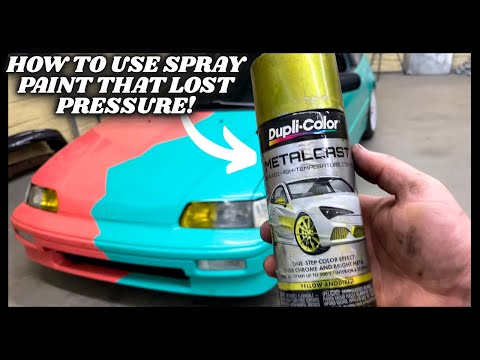
Credit: www.youtube.com

Credit: www.familyhandyman.com
Frequently Asked Questions
How Do I Prepare A Car Hood For Spray Painting?
Clean the hood thoroughly to remove dirt and grease. Sand the surface evenly to ensure paint adhesion. Mask off areas you don’t want painted. Use a primer before applying the spray paint for best results.
What Type Of Spray Paint Is Best For Car Hoods?
Use automotive spray paint designed for metal surfaces. Choose paint with good durability and UV resistance. Acrylic enamel or urethane-based paints work well. Always check compatibility with your car’s existing paint.
How Many Coats Of Spray Paint Should I Apply?
Apply 2 to 3 thin coats for even coverage. Allow each coat to dry for 10-15 minutes before the next. Avoid thick coats to prevent drips and uneven texture. Finish with a clear coat for protection.
How Long Does Spray Paint Take To Dry On A Car Hood?
Spray paint typically dries to touch in 20-30 minutes. Full curing can take 24 to 48 hours. Drying time depends on paint type and environmental conditions. Avoid handling the hood until paint is fully cured.
Conclusion
Spray painting a car hood takes patience and careful steps. Clean and sand the surface well before painting. Use even, light coats for the best finish. Let each layer dry fully to avoid drips. Take your time and work in a well-ventilated area.
Small mistakes can be fixed with light sanding. Practice makes the process easier and more successful. Your car hood can look fresh and new with this method. Try it yourself and enjoy the results.