

Your car’s interior can say a lot about you. But over time, dirt, stains, and odors can build up, making your ride feel less fresh and inviting.
You might think cleaning the inside of your car is a tough job, but shampooing your car interior can be easier than you imagine. In this guide, you’ll discover simple steps to bring back that clean, fresh feeling you love.
Ready to make your car feel like new again? Keep reading and learn how to shampoo your car interior like a pro.
Credit: www.cnn.com
Preparing Your Car Interior
Preparing your car interior is a crucial step before shampooing. It sets the stage for a thorough and effective clean. Taking time here can save you effort later and help you avoid missing hidden spots that trap dirt.
Gathering Necessary Supplies
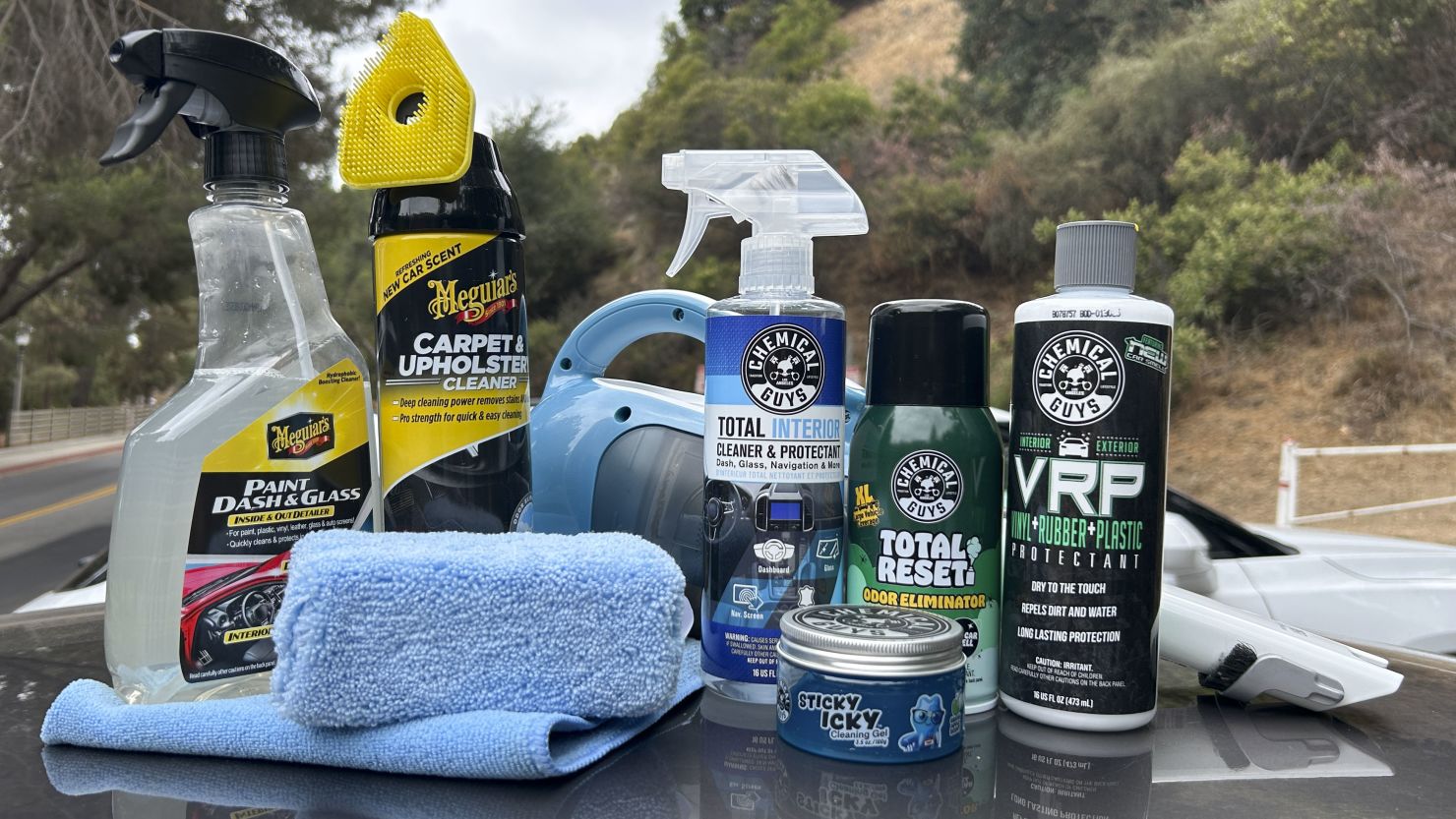
Start by collecting all the items you’ll need to shampoo your car interior efficiently. Basic supplies include a good quality car upholstery shampoo, microfiber cloths, a soft-bristle brush, and a spray bottle filled with water.
Don’t forget a vacuum cleaner with attachments for tight spaces and, if possible, gloves to protect your hands. Having everything ready prevents interruptions and keeps the cleaning process smooth.
Removing Personal Items
Clear out all personal belongings from your car. This means removing floor mats, seat covers, trash, and any loose items in the glove compartment or door pockets.
Think about the last time you cleaned your car—was there anything you missed because it was tucked away? Removing everything gives you complete access to all surfaces and helps avoid staining your belongings.
Vacuuming The Interior
Vacuum the entire interior thoroughly before applying shampoo. Use the vacuum’s crevice tool to reach between seats, under pedals, and along door edges where dust settles.
Pay special attention to fabric seams and under seats—these spots often hold hidden crumbs and debris. Vacuuming first lifts loose dirt, making shampooing more effective and preventing dirt from spreading around during cleaning.
Choosing The Right Shampoo
Choosing the right shampoo for your car’s interior is crucial for keeping it clean without causing damage. The wrong product can leave stains, cause discoloration, or degrade materials over time. Taking a moment to pick a shampoo that suits your car’s specific needs can save you from costly repairs and frustration later.
Types Of Car Interior Shampoos
You’ll find several types of shampoos designed specifically for car interiors. Some are foam-based, making them great for deep cleaning carpets and fabric seats without soaking them. Others come as sprays or gels, which work well on delicate surfaces like leather or vinyl.
Look for shampoos labeled as pH balanced; they clean effectively while protecting your car’s surfaces. If you want an easy option, consider a shampoo with built-in conditioners to keep leather soft and prevent cracking. Have you ever tried a shampoo that left sticky residue? Avoid those by checking product reviews before buying.
Considering Fabric And Material
Your car’s interior likely has a mix of materials—fabric, leather, vinyl, or suede. Each requires a different cleaning approach and shampoo formulation. Fabric seats usually need a stronger cleaner to remove dirt and odors, while leather demands a gentler shampoo that won’t strip natural oils.
Test any shampoo on a small, hidden area first to see how the material reacts. If you see discoloration or stiffness afterward, switch to a milder product. Knowing your car’s interior materials helps you pick the right shampoo and avoid damage, so check your owner’s manual or ask a professional if unsure.
Spot Testing The Shampoo
Before you dive into shampooing your car’s interior, spot testing the shampoo is essential. It helps you avoid unwanted damage or discoloration on your seats and carpets. Taking a few minutes to check can save you from costly repairs or replacements later.
Choose A Hidden Area For Testing
Pick a small, inconspicuous spot on your car’s interior, like under the seat or inside a door panel. This ensures any changes won’t be easily noticeable if the shampoo reacts poorly. You want to protect visible areas while assessing the product’s safety.
Apply A Small Amount Of Shampoo
Use a clean cloth or sponge to dab a tiny amount of shampoo on the chosen spot. Avoid soaking it; a light application is enough to see how the material reacts. Watch for immediate changes like color fading or fabric distortion.
Wait And Observe For Reactions
Let the shampoo sit for at least 10 to 15 minutes. This waiting period reveals any delayed effects such as discoloration or fabric stiffness. If the spot looks good after drying, it’s safe to proceed with cleaning the rest of the interior.
Test Different Materials Separately
Your car’s interior may have various materials like leather, fabric, or vinyl. Test each type separately to ensure the shampoo is compatible. This step is crucial because what works for fabric might harm leather or vinyl surfaces.
What If You Notice Damage?
If you spot any damage, don’t panic. Try a different shampoo with gentler ingredients or one designed specifically for your material. You can also consult your car manual or a professional to find the safest cleaning solution.

Credit: www.youtube.com
Applying Shampoo To Seats And Carpets
Applying shampoo to your car’s seats and carpets is a key step in restoring that fresh, clean feel inside your vehicle. It’s not just about spraying and wiping; it requires careful attention and the right tools to avoid damage while lifting dirt effectively. How you apply shampoo can make a big difference in both the cleanliness and longevity of your car’s interior materials.
Using A Soft Brush Or Cloth
Choose a soft brush or a microfiber cloth to apply the shampoo gently. Harsh scrubbing can damage the fabric or leather, so always opt for a tool that won’t scratch or wear down the surface. A soft brush works well on carpets to agitate the fibers, loosening dirt trapped deep inside.
For seats, especially leather or delicate fabrics, a microfiber cloth is safer and just as effective. Apply the shampoo in small sections, using circular motions to lift grime without soaking the material too much. This approach helps the shampoo penetrate evenly and avoids water damage.
Working On Stubborn Stains
Stubborn stains require extra care and a targeted approach. Instead of saturating the entire seat or carpet, apply a bit of shampoo directly to the stained area. Let it sit for a few minutes to break down the dirt and oils.
Use your soft brush or cloth to gently rub the stain, working from the outside in to prevent it from spreading. If the stain persists, repeat the process, but be patient—vigorous scrubbing can harm your interior. What’s a stain you’ve struggled with that finally came out after careful shampooing?
Cleaning Dashboard And Panels
Cleaning the dashboard and panels is a crucial part of shampooing your car’s interior. These surfaces collect dust, grime, and sometimes sticky residues that dull the look of your car. Taking care of them properly keeps your car looking fresh and protects the materials from cracking or fading over time.
Selecting Appropriate Cleaners
Choosing the right cleaner for your dashboard and panels is essential. Harsh chemicals can strip away finishes or cause discoloration. Look for products labeled safe for vinyl, plastic, or leather, depending on your car’s interior.
Many cleaners come with added UV protection, which helps prevent fading from sunlight. If you prefer natural options, a mixture of mild soap and water works well. Always test the cleaner on a small, hidden area before applying it broadly to avoid surprises.
Avoiding Damage To Electronics
Modern dashboards have sensitive electronics and touchscreens that require special care. Avoid spraying any cleaner directly onto these components; instead, apply the product to a microfiber cloth first. This method prevents liquid from seeping into buttons or vents, which could cause malfunction.
Be cautious around air vents and control panels to keep moisture away from electrical parts. Using a soft brush or compressed air can help remove dust from tight spaces without risking damage. Have you ever experienced sticky buttons after cleaning? Taking these precautions can save you from that hassle.

Credit: www.goodhousekeeping.com
Rinsing And Drying
Rinse the car interior thoroughly to remove shampoo residue. Use a clean towel to dry surfaces, ensuring no moisture remains. This prevents mold and keeps the interior fresh.
Rinsing and drying your car’s interior is crucial. It ensures no shampoo residue remains. This process keeps surfaces clean and prevents damage.
Removing Shampoo Residue
Use a clean, damp cloth to wipe the surfaces. Ensure all shampoo is wiped away. A handheld vacuum can help with corners. It removes any remaining moisture. Check all areas for soap spots. They can leave unsightly marks if left. Repeat the wipe-down process if necessary.
Tips For Quick Drying
Open all car doors for air circulation. Park in a sunny spot if possible. Use fans for faster drying. Direct airflow towards damp areas. Absorb excess moisture with microfiber towels. They are effective and gentle on surfaces. Avoid using heaters directly. They can damage delicate materials. Regularly check for damp spots. Address them promptly to prevent mildew.
Maintaining A Fresh Interior
Keeping your car’s interior smelling fresh and looking clean isn’t just about occasional deep cleaning. It’s about creating habits that prevent dirt, dust, and odors from building up in the first place. A fresh interior makes every drive more enjoyable and can even protect your car’s value over time.
Regular Cleaning Schedule
Set a cleaning routine that fits your lifestyle. You don’t need to shampoo your car interior every week, but a quick wipe-down of surfaces and vacuuming every two weeks can make a huge difference. This stops dirt and spills from settling into fabrics and carpets.
Try to clean high-touch areas frequently—like the steering wheel, door handles, and cup holders. These spots collect grime and germs fast. Have you noticed how a clean dashboard changes the whole feel of your car?
Using Air Fresheners
Air fresheners can mask odors, but they work best when your car is already clean. Choose scents that you enjoy but aren’t overpowering. Too strong a fragrance can cause headaches or cover up odors instead of eliminating them.
Consider natural options like activated charcoal bags or essential oil diffusers. These absorb smells rather than just adding fragrance. Have you ever opened a car door and been greeted by a pleasant, subtle scent? That’s the kind of freshness you want to maintain every day.
Frequently Asked Questions
How Often Should I Shampoo My Car Interior?
Shampoo your car interior every 3 to 6 months. This keeps fabric clean and free from dirt and odors. Regular cleaning prevents stains and maintains a fresh look inside your vehicle.
What Products Are Best For Car Interior Shampooing?
Use a car-specific interior shampoo or upholstery cleaner. Avoid harsh chemicals that can damage fabric or leather. Choose pH-balanced, non-toxic products for safe and effective cleaning.
Can I Shampoo Leather Car Seats Safely?
Yes, use a leather cleaner and conditioner designed for car interiors. Avoid water-based shampoos that can dry or crack leather. Gently clean and nourish leather to preserve its texture and durability.
What Tools Do I Need To Shampoo Car Interior?
You will need a vacuum, soft brush, microfiber cloths, and an upholstery shampoo. A spray bottle and wet/dry vacuum help remove excess moisture. These tools ensure thorough and safe cleaning of your car interior.
Conclusion
Cleaning your car’s interior with shampoo keeps it fresh and neat. Regular care removes dirt and bad smells. Use the right tools and gentle cleaning steps. Take time to dry the seats well after washing. Clean interiors make driving more pleasant and protect your car’s value.
Small efforts lead to big improvements in comfort and look. Try these tips to keep your car interior clean and cozy.