
Have you ever wondered if someone could be secretly following you by placing a tracking device on your car? The thought alone can be unsettling.
But the good news is, you don’t have to stay in the dark. Knowing how to scan your car for a tracking device gives you the power to protect your privacy and regain control. You’ll discover simple, effective steps that anyone can follow to find hidden trackers before they find you.
Keep reading—your peace of mind is worth it.

Credit: www.tiktok.com
Spotting Common Tracking Devices
Spotting common tracking devices in your car requires a sharp eye and some basic knowledge about the types of trackers and their usual hiding spots. These devices are often small and cleverly concealed to avoid detection. Knowing what to look for can save you from unwanted surveillance and protect your privacy.
Types Of Trackers To Know
There are several types of tracking devices you might encounter on your vehicle:
- GPS Trackers:These are the most common and use satellite signals to pinpoint your location. They often have small antennas and batteries that can last weeks or months.
- RF (Radio Frequency) Trackers:These devices emit radio signals that can be picked up by a scanner within a certain range. They are usually smaller but require closer proximity to detect.
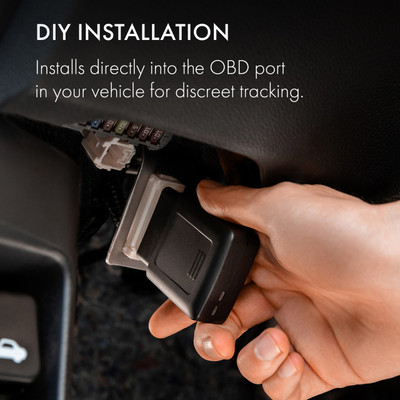
- OBD-II Trackers:Plugged directly into your car’s diagnostic port, these trackers draw power from the vehicle and are often hidden inside the dashboard.
- Battery-Powered Trackers:These can be easily attached to any part of your car and run independently for a limited time, making them tricky to spot.
Understanding these types helps you know what signs to look for during your scan.
Where Trackers Are Usually Hidden
Trackers are placed where they are least likely to be found during a quick glance. Common hiding spots include:
- Underneath the Vehicle:Look carefully around the wheel wells, under the bumper, and near the chassis. Magnetic trackers often cling to metal surfaces here.
- Inside the Wheel Wells:This area provides good cover and is less disturbed during regular vehicle use.
- Behind the Dashboard or Under Seats:For OBD-II trackers or battery-powered devices, these interior spots offer easy access but are harder to see.
- Inside the Engine Compartment:Though riskier for the tracker, some are hidden near the battery or fuse box where power is available.
- Inside Door Panels or Under Trim:These places allow trackers to stay hidden but still function well.
Have you ever found something unusual hidden in your car’s usual spots? Taking the time to check these areas thoroughly can reveal devices that are otherwise invisible.

Credit: konnectgps.com
Tools For Scanning Your Car
Finding a tracking device on your car can be unsettling, but knowing the right tools makes the process manageable. You don’t need to be a tech expert or invest in expensive equipment to start scanning. Simple tools, combined with a careful approach, can help you detect anything unusual.
Using A Bug Detector
A bug detector is a handheld device designed to pick up signals emitted by tracking devices. These gadgets scan for radio frequencies and alert you when they detect suspicious signals.
When using a bug detector, move slowly around your car, focusing on hidden spots like under the chassis, inside wheel wells, and near electrical panels. Keep in mind that other electronics can cause false alarms, so patience is key to distinguishing real threats.
Smartphone Apps To Try
Some smartphone apps claim to detect hidden trackers by scanning for Bluetooth or GPS signals. While not as reliable as dedicated bug detectors, they can be a quick first step if you want to check your car immediately.
Apps like “Bluetooth Scanner” or “Hidden Device Detector” can help you identify unknown devices connected via Bluetooth. Still, consider combining app scans with physical inspections to ensure nothing is missed.
Manual Inspection Techniques
Trusting your eyes and hands can be just as effective as electronic tools. Start by thoroughly inspecting common hiding places such as beneath the dashboard, inside the glove compartment, and around the bumpers.
- Look for unusual wires or adhesive marks.
- Check for small devices that don’t belong.
- Tap on panels to hear if something sounds hollow or loose.
Have you ever found something odd just by paying attention to details others might overlook? Your intuition, combined with a systematic search, is a powerful tool.
Step-by-step Scan Process
Scanning your car for a tracking device might seem daunting, but with a structured approach, you can do it effectively. Understanding the step-by-step scan process is crucial in ensuring you cover all potential hiding spots and electronic systems. This methodical approach not only helps in identifying any unwanted tracking devices but also boosts your confidence in handling your vehicle’s security.
Preparing Your Vehicle
Start by choosing a well-lit and spacious area to perform the scan. This will help you see hidden spots clearly and move around easily. Gather necessary tools like a flashlight, a mirror, and possibly a small screwdriver. Check if your phone has a signal detector app installed, which can be useful during electronic checks. Ensure your car is turned off to avoid accidental movement or interference.
Systematic Area Checks
Begin with the exterior of your vehicle. Inspect the wheel wells, undercarriage, and bumper areas. These spots are often overlooked but can be prime locations for discreet placement. Use a flashlight and mirror to peek into hard-to-reach areas. Next, move to the interior. Check under seats, inside the glove box, and any compartments. Don’t forget the trunk; devices can be hidden among personal belongings.
Checking Electronic Systems
Electronic systems are common targets for tracking devices. Examine the dashboard for any unusual wiring or devices plugged into the OBD-II port. Look for unfamiliar gadgets near the battery or circuit box. Utilize a signal detector app on your smartphone to search for unusual signals that could indicate a tracking device. Pay attention to any blinking lights or unexplained sounds.
By following these steps, you can systematically scan your car and ensure your privacy is intact. Remember, vigilance and attention to detail are your best tools in this process. Are you ready to take control of your vehicle’s security?
Interpreting Scan Results
After scanning your car, understanding the results is crucial. Scan devices may pick up many signals that are not trackers. Knowing how to read these signals helps you avoid unnecessary worry. This section explains how to interpret scan results carefully and accurately.
Identifying False Positives
Not every signal found during a scan is a tracking device. Other electronics like key fobs, tire pressure sensors, or nearby Wi-Fi can cause false positives. Pay attention to the signal strength and frequency. Signals that appear briefly or are weak often come from harmless devices.
Look for repeated signals from the same spot in your car. False positives tend to move or disappear quickly. Also, check if the signal matches common tracker frequencies, usually in the GSM or GPS bands. Signals outside these ranges are less likely to be trackers.
Confirming A Tracker Presence
Strong, steady signals in unusual places suggest a tracker might be present. Trackers often emit signals continuously or at regular intervals. Use the scanner to pinpoint the exact location of the signal inside or under your vehicle.
Physical inspection in the area of strong signals is important. Look behind panels, under seats, or inside the wheel wells. Trackers are small but often have a battery or antenna visible.
For extra certainty, use multiple scanning tools or repeat the scan at different times. Persistent signals that appear in the same spot over time are likely trackers. Contact a professional if you find a suspicious device you cannot identify or remove.
Next Steps After Finding A Device
Finding a tracking device on your car can be alarming. Taking quick and careful action matters. Knowing what to do next helps protect your privacy and safety.
Removing The Tracker Safely
Turn off your car’s engine before touching the device. Avoid damaging wires or parts. Use gloves to prevent leaving fingerprints. Gently detach the tracker from its spot. Keep the device in a sealed bag for evidence. Do not throw it away immediately. Document its location with photos for reference.
When To Seek Professional Help
Some trackers are hard to remove or hidden well. Call a trusted mechanic or security expert if unsure. Professionals use tools to detect hidden devices. They ensure the tracker is fully removed. Police can also assist if you feel threatened. Reporting to authorities may help protect you legally.
Preventing Future Tracking
Park in well-lit, secure places. Regularly inspect your car for unusual items. Use a GPS jammer or signal detector if allowed in your area. Change your daily routes and habits often. Keep your car locked and windows closed. Consider installing a security camera near your parking spot.
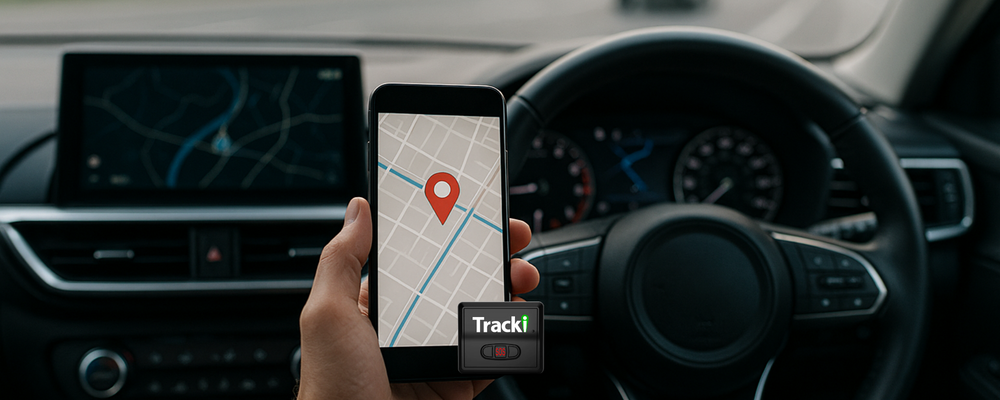
Credit: tracki.com
Frequently Asked Questions
How Can I Detect A Tracking Device On My Car?
Use a handheld RF detector to scan for signals. Check common hiding spots like under bumpers or inside wheel wells. Also, visually inspect your car’s interior and exterior for unusual objects or wires.
What Tools Help Find Hidden Car Trackers?
A radio frequency (RF) detector is the most effective tool. It senses wireless signals emitted by trackers. Smartphone apps and GPS jammers are less reliable and often illegal to use.
Where Do Trackers Usually Hide On Vehicles?
Trackers often hide under the chassis, inside wheel wells, or behind bumpers. They may also be concealed in the engine bay or under seats. Thoroughly check all these areas when scanning your car.
Can I Find A Tracker Without Special Equipment?
It’s difficult but possible by thoroughly inspecting your car. Look for unfamiliar devices, wires, or magnets. However, RF detectors significantly improve detection accuracy.
Conclusion
Scanning your car for a tracking device helps protect your privacy. Regular checks give peace of mind on the road. Use simple tools and stay alert to unusual signs. Trust your instincts if something feels off. Taking small steps keeps your personal space safe.
Stay aware and keep your car secure at all times.