
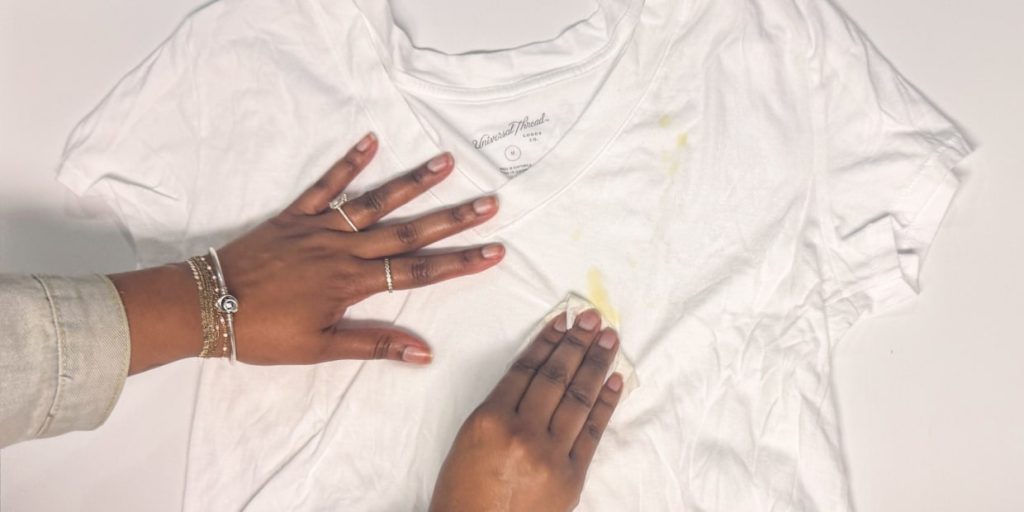
Have you ever noticed that stubborn car oil stain on your favorite shirt and wondered how to get it out without ruining the fabric? You’re not alone.
Oil stains can be frustrating because they seem to set in quickly and refuse to budge. But don’t worry—removing those tough stains is easier than you think. You’ll discover simple, effective steps to make your clothes look clean and fresh again.
Keep reading, and you’ll learn how to tackle oil stains like a pro, saving your wardrobe and your day.
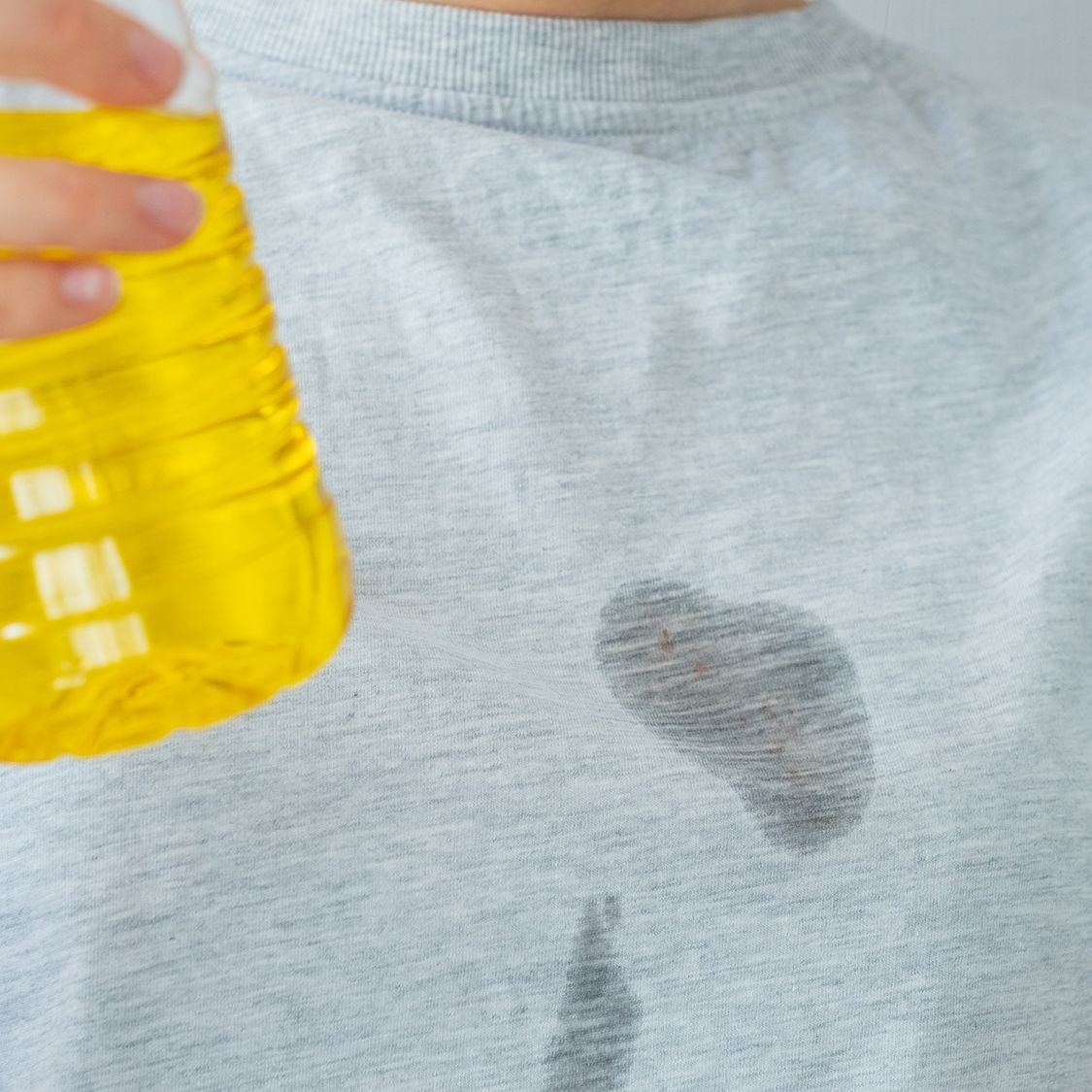
Credit: www.tomsguide.com
Identify The Stain
Before you rush to scrub or apply any cleaner, take a moment to identify the stainon your clothes. Knowing exactly what type of oil stain you’re dealing with can save you time and prevent damage to your fabric. It’s like diagnosing the problem before fixing it.
Types Of Oil Stains
Oil stains come in various forms, and not all are created equal. You might find stains from engine oil, cooking oil, or even grease from machinery. Each type behaves differently on fabric, affecting how you should treat it.
- Engine Oil:Thick and dark, it often leaves stubborn marks that soak deep into fibers.
- Cooking Oil:Usually lighter and more spread out, but still tricky to remove once dried.
- Grease:Often sticky and heavier, common in workshop clothes.
Have you ever noticed that some stains feel slick while others are more powdery? That’s your first clue to what kind of oil you’re dealing with.
Assessing Stain Severity
Not all oil stains are equally stubborn. Fresh stains are easier to tackle; dried or set-in stains require more effort. Check how long the stain has been on your clothes and how deeply it has soaked in.
If the stain looks shiny and greasy, it’s likely still fresh. A dull, dark patch might mean the oil has bonded with the fabric fibers. Think about how long you’ve worn the stained item—this can help decide if a simple wash will do or if you need a stronger pre-treatment.
Have you ever tried washing an old oil stain only to find it didn’t budge? That’s why assessing severity first can save you from frustration and extra laundry cycles.

Credit: smol.com
Pre-treatment Steps
Dealing with car oil stains on your clothes can be frustrating. The key is to act quickly and treat the stain before it sets. Proper pre-treatment can make all the difference in removing stubborn oil marks effectively.
Blot Excess Oil
Start by gently blotting the excess oil with a clean cloth or paper towel. Avoid rubbing, as this will only push the oil deeper into the fabric fibers. Have you noticed how a simple blot can prevent the stain from spreading further?
Work from the edges toward the center to keep the stain contained. This small step saves you time and effort later when you clean the garment.
Apply Absorbent Powder
Next, sprinkle an absorbent powder like baking soda, cornstarch, or baby powder onto the stained area. These powders soak up the oil, lifting it away from the fabric.
Let the powder sit for at least 15 minutes—or even overnight for tough stains—before brushing it off gently. You’ll be amazed at how this simple trick lightens the stain and makes washing easier.
Effective Cleaning Agents
Choosing the right cleaning agents makes a huge difference when tackling car oil stains on your clothes. Some products cut through grease better than others, saving you time and effort. Knowing which agents to use can turn a frustrating stain removal process into a quick and successful task.
Using Dish Soap
Dish soap is a surprisingly powerful tool against oil stains. Its grease-cutting properties are designed to break down tough cooking oils, which works similarly on car oil. You just need to apply a small amount directly onto the stain and gently rub it in.
Let it sit for about 5 to 10 minutes to allow the soap to penetrate the fabric fibers. Then rinse with warm water before washing as usual. Have you noticed how many times dish soap saves your favorite shirt from a tough spot?
Homemade Cleaning Solutions
If you prefer natural alternatives, homemade solutions can be just as effective. A mixture of baking soda and white vinegar creates a fizzing action that lifts oil from fabrics. Sprinkle baking soda on the stain first, then add a little vinegar to activate the reaction.
After the fizz settles, scrub the area gently with a soft brush or cloth. This method not only cleans but also deodorizes your clothing. What do you think about trying this simple, eco-friendly approach next time you face an oil stain?
Washing Techniques
Removing car oil stains from clothes requires careful washing techniques. The right approach helps break down the oil without damaging the fabric. Choosing between hand washing and machine washing depends on the stain size and fabric type. Both methods need some specific steps to achieve the best results.
Hand Washing Tips
Start by blotting excess oil gently with a paper towel. Avoid rubbing to prevent spreading the stain. Apply a small amount of liquid detergent directly on the stain. Use a soft brush or your fingers to work the detergent in. Let it sit for 10 to 15 minutes to break down the oil.
Rinse the fabric under warm water while gently scrubbing the stained area. Repeat the process if the stain remains visible. Hand washing gives better control over delicate fabrics. Avoid hot water, as it can set the oil stain permanently.
Machine Wash Best Practices
Pre-treat the oil stain with a stain remover or liquid detergent. Rub the product gently into the fabric for a few minutes. Use the warmest water safe for the fabric, as indicated on the care label. Choose a heavy-duty wash cycle to help remove oil residues.
Use a quality detergent designed for grease and oil stains. Avoid overloading the washing machine to allow thorough cleaning. Check the stain after washing before drying. Air dry the garment to prevent setting any leftover oil stain with heat.
Drying And Stain Check
Check clothes carefully after drying to ensure oil stains are gone. Repeat treatment if any marks remain visible. Always air dry to avoid setting stains permanently.
After successfully treating an oil stain on your favorite shirt, the next steps—drying and checking for any remaining marks—are crucial. Rushing through this part can undo all your hard work. You might wonder why it’s so important to get it right. Proper drying techniques can prevent the stain from setting in, saving you from permanent damage to your clothes.Avoiding Heat Damage
Avoid using high heat when drying your clothes after treating oil stains. Heat can cause any residual oil to set permanently, making it almost impossible to remove. Instead, opt for air drying or use the lowest heat setting on your dryer. If you’re unsure, hanging the garment in a well-ventilated area is a safe bet. This method not only prevents heat damage but also gives you the chance to spot any lingering stains before they become a permanent fixture.Repeat Treatment If Needed
Once the garment is dry, inspect it closely under good lighting. Are there any faint marks still visible? If so, don’t lose hope. Reapply your chosen stain remover and wash the garment again. Persistence is key here. Some stains are stubborn and may require multiple treatments to fully disappear. Taking an extra moment to check ensures your clothes stay looking fresh and clean. Would you rather wear something that still shows signs of the mishap or take a little more time to achieve that pristine look?
Credit: www.crossroadshelpline.com
Preventing Future Stains
Preventing oil stains on clothes saves time and effort later. Simple habits can protect your garments during car repairs or oil changes. Taking quick and proper steps reduces the chance of stubborn stains.
Protective Clothing Tips
Wear old clothes or dedicated workwear when handling oil. Choose thick fabrics like denim that resist stains better. Use aprons or coveralls to shield your clothes fully. Gloves protect your hands and stop oil from spreading. Keep a clean cloth nearby to wipe spills immediately.
Quick Action Strategies
Act fast at the first sign of an oil spot. Blot the stain gently with a dry cloth to absorb excess oil. Avoid rubbing as it pushes oil deeper into fabric. Sprinkle baking soda or cornstarch to soak up oil quickly. Change stained clothes as soon as possible to prevent stain setting.
Frequently Asked Questions
How Quickly Should I Treat Oil Stains On Clothes?
Treat oil stains as soon as possible to prevent setting. Fresh stains are easier to remove with household products. Immediate action improves stain removal success. Delaying treatment may cause permanent marks. Always blot, don’t rub, to avoid spreading the stain.
What Household Items Remove Car Oil Stains Effectively?
Common items like baking soda, dish soap, and vinegar work well. Baking soda absorbs excess oil, dish soap breaks grease, and vinegar helps lift stains. These are safe, affordable, and easy to use for stain removal. Combine for best results on fresh stains.
Can I Machine Wash Clothes With Oil Stains?
Machine washing alone may not remove oil stains. Pre-treat stains with dish soap or stain remover first. Use hot water if fabric allows. Always check stain removal before drying; heat can set stains permanently. Repeat treatment if necessary before drying.
Is It Safe To Use Bleach On Oil-stained Clothes?
Bleach is not recommended for oil stains, especially on colored fabrics. It can damage fabric fibers and cause discoloration. Instead, use gentle stain removers or detergents designed for grease. Test any product on a small area before full application.
Conclusion
Removing car oil stains from clothes is easier than it seems. Act quickly to stop the stain from setting. Use common household items like dish soap and baking soda. Gently scrub and rinse with warm water. Repeat the process if needed.
Always check the care label on your clothes. Avoid drying stained clothes before the stain is gone. Clean clothes look fresh and last longer. With simple steps, you can save your favorite garments. Stains don’t have to ruin your day or your wardrobe.
Keep these tips handy for future spills.