

You’ve just finished working on your car, and now you spot that stubborn oil stain on your favorite shirt. It’s frustrating, right?
Oil stains can seem impossible to get rid of, and you might be worried that your clothes are ruined. But don’t give up just yet. You’ll discover simple and effective ways to remove car oil from your clothes. By following these easy steps, you can save your garments and keep them looking fresh.
Ready to learn how? Let’s dive in!
Identify The Stain Type
Knowing exactly what kind of stain you’re dealing with makes a huge difference in how you treat it. Car oil stains aren’t all the same—some are fresh and wet, while others have dried and set into the fabric. Identifying the type of stain helps you pick the right cleaning method and avoid making the stain worse.
Distinguishing Fresh Oil Stains From Dried Ones
Fresh oil stains feel wet and slick to the touch. They often look darker and can spread if you don’t act quickly.
Dried oil stains appear more matte and may feel greasy but not wet. These stains have had time to soak into the fibers, making them tougher to remove.
Ask yourself: Is the stain still oily or has it hardened? This simple check guides your next move.
Recognizing Mixed Stains Involving Oil And Dirt
Sometimes, oil stains come with dirt or grime, especially if you’ve been working outdoors or on your car. These mixed stains may show a combination of dark smudges and oily patches.
Cleaning these requires extra care because dirt can trap oil deeper into the fabric. Using just water won’t do the trick here.
Look closely at the stain edges—are they fuzzy or sharp? Fuzzy edges often mean dirt is involved.
Spotting Oil Stains On Different Fabric Types
Oil stains behave differently depending on the fabric. Cotton absorbs oil quickly, making stains spread and set fast.
Synthetic fabrics like polyester might repel oil slightly, but the stain can still cling stubbornly to the surface.
Knowing your clothing material helps you choose the right stain remover and washing method. Have you checked your garment’s care label before starting?
Act Quickly On The Stain
Oil stains on clothes can feel like a disaster, especially when you spot them after a busy day. Acting quickly is the most crucial step to prevent the stain from setting in permanently. The faster you respond, the better your chances of saving your favorite shirt or pants.
Blot The Stain Immediately
Grab a clean cloth or paper towel and gently blot the oil stain as soon as you notice it. Avoid rubbing, as this pushes the oil deeper into the fabric fibers. Blotting helps remove excess oil before it spreads or soaks in.
Sprinkle Absorbent Powder
After blotting, sprinkle some baby powder, baking soda, or cornstarch on the stain. These powders absorb the remaining oil effectively. Let it sit for 15 to 30 minutes, then gently brush it off.
Use Dish Soap To Break Down Oil
Dish soap is designed to cut through grease, making it perfect for oil stains on clothes. Apply a small amount directly to the stain and gently rub it in with your fingers or a soft brush. Let it sit for 5 to 10 minutes before rinsing with warm water.
Rinse With Warm Water
Rinsing with warm water helps lift the oil and soap residue from the fabric. Hold the stained area under a running tap, allowing the water to flow through the back of the stain. This pushes the oil out rather than further into the fibers.
Check Before Washing
Before tossing the item into the washing machine, double-check if the stain is fading. If the stain remains, repeat the treatment steps rather than putting it through the dryer. Heat can set the oil stain permanently, making it nearly impossible to remove later.
Have you ever waited too long to treat an oil stain and ended up losing a favorite piece of clothing? Acting fast is your best defense against stubborn stains that won’t quit. What quick action will you take the next time oil hits your clothes?
Use Absorbent Materials
Using absorbent materials is a crucial first move when dealing with car oil stains on your clothes. The goal is to soak up as much oil as possible before it sets into the fabric. Acting quickly can make a huge difference in how easily the stain comes out later.
Choose The Right Absorbent Material
Not all absorbent materials work the same way. You want something that can pull the oil away without spreading it around.
- Paper towels:They are handy and disposable, perfect for blotting fresh oil.
- Baking soda or cornstarch:Both are excellent at soaking up grease and won’t damage your clothes.
- Cat litter:A surprising option that’s highly absorbent, especially for thick oil spots.
Have you ever tried using something around the house you didn’t expect to work? Experimenting with what’s on hand can save you a trip to the store.
How To Apply Absorbent Materials
Start by gently blotting the oil with a paper towel to lift excess liquid. Avoid rubbing because that pushes oil deeper into the fabric.
Next, sprinkle a generous amount of baking soda, cornstarch, or cat litter over the stain. Let it sit for at least 15 minutes to draw out the oil.
After that, brush off the powder carefully. You’ll notice the stain looking lighter already.
Tips To Maximize Absorption
- Press the absorbent material firmly but gently to make sure it soaks up as much oil as possible.
- Replace the powder if it becomes saturated, especially with thick or large stains.
- Work in a well-ventilated area if you’re using cat litter to avoid inhaling dust.
What’s your experience with stubborn stains? Trying different absorbents might reveal a trick you hadn’t considered before.
Apply Dish Soap Or Detergent
Dish soap or detergent breaks down oil stains effectively. Gently rub it into the fabric to target the oily spot. Let it sit for a few minutes before washing.
Getting car oil on your clothes can feel like a disaster, but don’t worry, there’s a simple solution right in your kitchen. Dish soap or detergent is a powerful tool against those stubborn oil stains. It’s an effective method because these products are designed to break down grease and oils, making them perfect for the job.Act Quickly
The sooner you apply dish soap or detergent, the better your chances of removing the stain. As soon as you notice the oil, blot the excess with a paper towel. This prevents the oil from setting deeper into the fabric.Choosing The Right Product
Select a dish soap known for its grease-cutting ability. Brands that advertise grease-fighting properties are excellent choices. If you’re using laundry detergent, opt for a liquid form as it’s more effective at penetrating fabric fibers.Application Process
Pour a small amount of dish soap or detergent directly onto the stain. Use your fingers to gently rub the product into the fabric. Ensure the soap covers the entire stain area for maximum effect.Let It Sit
Allow the soap to sit on the stain for at least 5-10 minutes. This gives it time to break down the oil. Avoid letting it dry completely, as this can make the stain harder to remove.Rinse And Repeat
Rinse the stained area with warm water after letting the soap sit. Check the fabric; if the stain persists, reapply the soap and repeat the process. Persistence is key when dealing with stubborn stains.Wash As Usual
Once the stain has faded, wash the garment in the hottest water safe for the fabric. Check the garment label to avoid any damage. This step ensures any remaining oil is completely removed. After washing, inspect the garment before tossing it in the dryer. Heat can set any remaining stain, making it nearly impossible to remove. If you see traces of oil, try the process again before drying. By following these steps, you can save your clothes from the clutches of car oil. Have you tried this method, or do you have a secret trick up your sleeve? Share your tips and experiences in the comments below!Try Baking Soda Or Cornstarch
Removing car oil stains from clothes can feel like a tough challenge, but common kitchen items like baking soda or cornstarch can be surprisingly effective. These powders absorb the oil, making it easier to lift the stain before washing. Have you ever noticed how quickly these simple ingredients soak up spills on your countertop? The same principle applies to fabric.
How Baking Soda Absorbs Oil Stains
Baking soda acts like a magnet for oil. When you sprinkle it on the stained area, it draws out the oil from the fabric fibers.
Let it sit for at least 30 minutes to an hour so it can fully absorb the grease.
Afterward, gently brush off the powder before washing the garment as usual.
Using Cornstarch To Lift Oil From Fabric
Cornstarch works similarly by soaking up the excess oil. It’s especially useful if you don’t have baking soda on hand.
Cover the stain generously and let it sit for 15 to 30 minutes.
Then, shake or brush off the cornstarch before laundering.
Tips For Best Results With Baking Soda Or Cornstarch
- Apply the powder as soon as possible after the oil spill to prevent it from setting.
- Use a spoon or a dull knife to gently remove excess oil before adding the powder.
- For stubborn stains, repeat the process or combine with a mild detergent pre-treatment.
- Check the fabric care label to avoid damage from rubbing or harsh treatment.
Have you tried these powders on your own oil-stained clothes? You might be surprised how a simple kitchen staple can save your favorite shirt.
Use Commercial Stain Removers
Using commercial stain removers is a simple way to tackle car oil stains on clothes. These products are designed to break down tough grease and oil fast. They save time and effort compared to home remedies.
Most stain removers work on different fabric types. They penetrate deeply to lift oil out of fibers. Applying them correctly boosts the chance of removing the stain completely.
Choose The Right Stain Remover
Pick a stain remover made for grease or oil stains. Check labels for “engine oil” or “grease” treatment. Some removers work better on delicate fabrics, so read instructions carefully.
Apply Stain Remover Properly
Apply the stain remover directly to the oil spot. Use enough product to cover the stain fully. Let it sit for 5 to 10 minutes to loosen the oil.
Use A Soft Brush For Better Results
Gently scrub the stain with a soft brush after applying remover. This helps the product reach deep into the fabric. Avoid harsh scrubbing to prevent damage.
Wash Clothes As Usual
After treating the stain, wash the clothes according to care labels. Use the warmest water safe for the fabric. Check the stain before drying to avoid setting it permanently.
Repeat If Necessary
Stubborn oil stains may need a second treatment. Repeat the application and washing steps if the stain remains. Avoid drying until the stain is fully gone.
Wash Clothes Properly
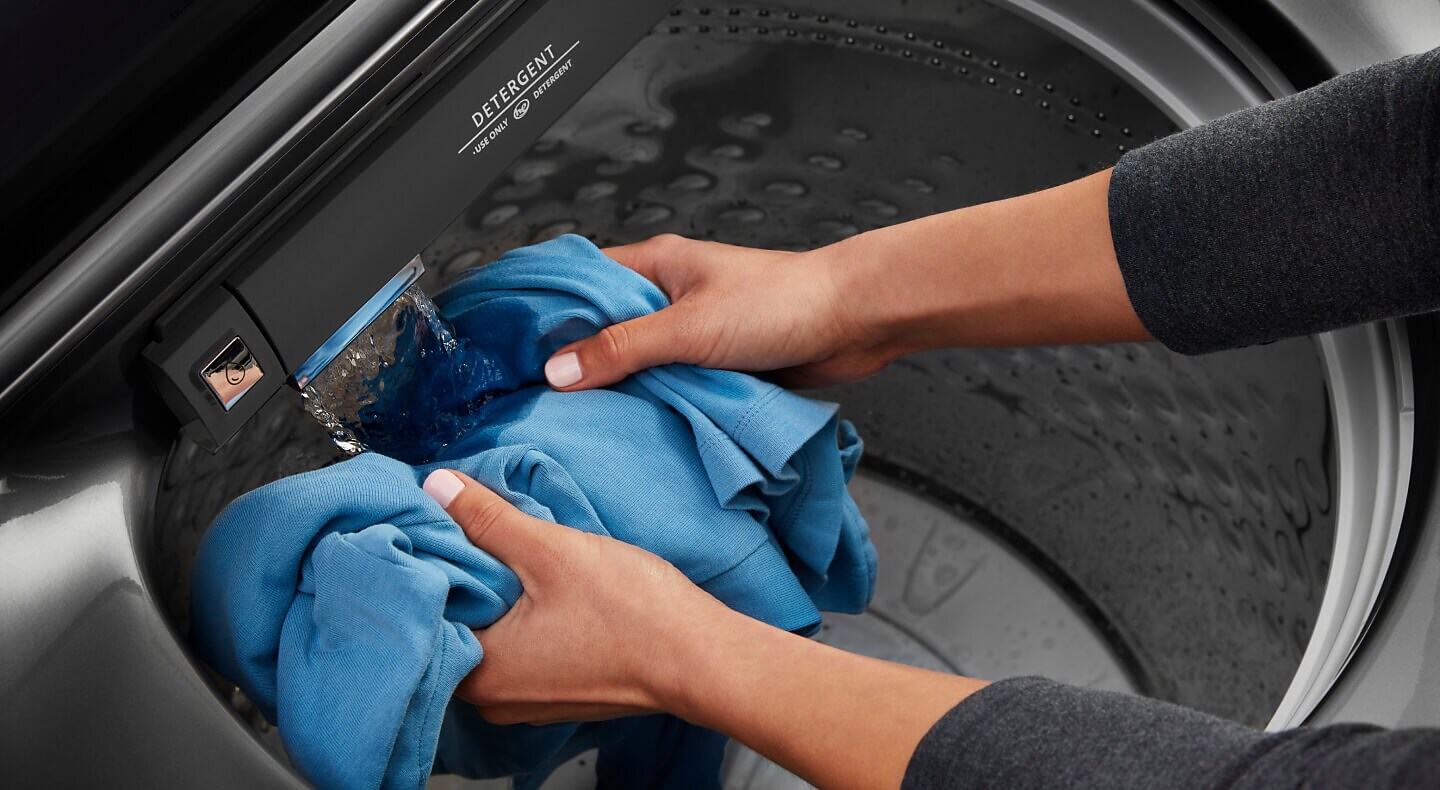
Washing clothes properly after an oil stain is crucial to prevent permanent damage. The key is treating the stain before washing and choosing the right washing technique. You want to make sure the oil is fully broken down and removed without setting it deeper into the fabric.
Choose The Right Detergent
Use a heavy-duty detergent designed to fight grease and oil. These detergents contain enzymes that break down oil molecules effectively. Avoid using fabric softeners or mild detergents, as they won’t remove oil stains completely.
Set The Water Temperature Carefully
Warm water helps dissolve oil better than cold water, but check your clothing label first. Some fabrics like wool or silk can shrink or get damaged in warm water. If unsure, opt for lukewarm water to balance stain removal and fabric care.
Pre-treat The Stain Before Washing
Apply a small amount of detergent or liquid dish soap directly on the oil stain. Gently rub it in with your fingers or a soft brush. Let it sit for 10-15 minutes to break down the oil before placing the garment in the washing machine.
Use An Extra Rinse Cycle
Oil stains can be stubborn and may need more than one rinse to fully wash out. An extra rinse helps remove detergent residue and remaining oil particles. This ensures your clothes come out clean and fresh without any oily traces.
Check Stains Before Drying
After washing, inspect the stained area carefully. If you still see oil, avoid putting the garment in the dryer. Heat can set the stain permanently. Instead, repeat the pre-treatment and wash process until the stain disappears.
Credit: www.maytag.com
Check Before Drying
Before you toss your oil-stained clothes into the dryer, it’s crucial to pause and check the stain carefully. Drying can set the oil permanently, making it almost impossible to remove later. Taking this extra moment can save you time, effort, and your favorite garment.
Why Drying Too Soon Can Ruin Your Clothes
Heat from the dryer causes the oil to bond deeply with fabric fibers. Once this happens, even the strongest detergents struggle to lift the stain. Have you ever noticed a stain that seemed gone after washing but reappeared after drying? That’s the oil setting in.
How To Inspect The Stain Effectively
After washing, lay the garment flat under good lighting. Check the stained area from different angles and feel the fabric for any oily residue. If the stain still feels greasy or looks visible, it’s not ready for the dryer.
What To Do If The Stain Persists
- Repeat the stain treatment using dish soap or a specialized stain remover.
- Allow the garment to air dry instead of using heat.
- Consider soaking the fabric in warm water with detergent for 30 minutes before washing again.
Waiting for the stain to fully disappear before drying helps prevent permanent damage.
Signs Your Clothes Are Safe To Dry
If you see no oily marks and the fabric feels clean and dry to touch, it’s safe to put the item in the dryer. This simple check keeps your clothes looking fresh and oil-free. How often do you check your clothes before drying? Making this a habit can extend the life of your wardrobe.
Prevent Future Stains
Treat clothes with oil-resistant spray before use to stop stains from setting. Always change out of oily clothes quickly to keep fabric clean.
Preventing future stains is just as important as removing existing ones. A few thoughtful steps can help keep your clothes spotless and save you from the hassle of repeated clean-ups. Here’s how you can ensure those pesky oil stains don’t become a recurring nightmare.Use Protective Gear
Wearing old clothes or protective gear like aprons and gloves can be a game changer. While working on your car, this simple habit can save your favorite outfits from a messy fate. Have a designated outfit for such tasks and you’ll never worry about stains again.Mindful Garage Setup
Keep an eye on where you park and work on your car. A dedicated area with mats or old sheets can catch spills before they reach your clothes. It’s a small step, but it makes a significant difference.Quick Response
If a spill happens, act quickly. Keep a stain removal kit handy with basic supplies like baking soda, dish soap, and a clean cloth. A swift response can prevent the oil from settling into the fabric.Regular Maintenance
Regularly inspect your car for leaks and fix them promptly. This not only protects your clothes but also keeps your car in top condition. A well-maintained vehicle leaks less, reducing the chances of accidental stains.Educate Family Members
Make sure everyone in your household knows how to handle potential oil stains. Share these tips with them, so they too can protect their clothes. Knowledge can empower everyone to maintain cleaner wardrobes. By incorporating these practical steps into your routine, you can easily avoid future stains and keep your clothes looking fresh. What’s your go-to strategy for preventing stains?
Credit: www.laundryheap.com

Credit: www.today.com
Frequently Asked Questions
How Can I Quickly Remove Car Oil Stains From Clothes?
To quickly remove car oil stains, blot excess oil first. Apply dish soap directly and gently rub. Wash the garment with hot water if safe for fabric. Repeat if necessary for stubborn stains.
What Household Items Effectively Remove Car Oil From Fabric?
Dish soap, baking soda, and WD-40 work well to remove car oil. Dish soap breaks down oil, baking soda absorbs it, and WD-40 loosens tough stains. Use them carefully and wash clothes after treatment.
Can I Use Laundry Detergent Alone To Remove Car Oil?
Laundry detergent alone often won’t fully remove car oil. Pre-treat with dish soap or stain remover for better results. Then wash clothes in the hottest water safe for the fabric.
Is It Safe To Use Bleach On Oil-stained Clothes?
Bleach can damage fabric and set oil stains permanently. Avoid bleach on oil stains unless the garment is white and bleach-safe. Pre-treat stains first with dish soap or stain remover.
Conclusion
Removing car oil from clothes is easier than you think. Act quickly to stop the stain from setting. Use common household items like dish soap or baking soda. Gently scrub and rinse with cold water. Repeat the process if needed before drying.
Always check care labels to protect your fabric. Clean clothes look better and last longer. Keep these tips handy for any oil spills. Simple steps can save your favorite clothes today.