
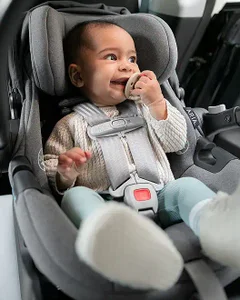
Putting your baby in a car seat might seem simple, but doing it the right way is crucial for your little one’s safety. You want to make sure your baby is secure, comfortable, and protected every time you drive.
If you’re unsure about the steps or want to avoid common mistakes, this guide is made just for you. Keep reading, and you’ll learn exactly how to put your baby in a car seat safely and confidently—because nothing matters more than your child’s safety on the road.

Credit: www.youtube.com
Choosing The Right Car Seat
Choosing the right car seat is crucial for your baby’s safety and comfort during every trip. It’s not just about picking any seat labeled for infants; it’s about finding one that fits your child’s needs and meets strict safety requirements. Let’s break down what you should look for to make the best choice.
Types Of Car Seats
Car seats come in various types designed to suit different ages and stages. You’ll find:
- Infant Car Seats:Rear-facing only, perfect for newborns and small babies.
- Convertible Car Seats:Can be used rear-facing for infants and forward-facing for toddlers.
- Booster Seats:For older children who have outgrown harness seats but still need a boost to fit seat belts properly.
Choosing the right type depends on your child’s age, weight, and height. Have you checked if your car seat can grow with your baby?
Checking Safety Standards
Always look for car seats that meet or exceed safety standards set by authorities like the National Highway Traffic Safety Administration (NHTSA). You’ll usually see a label indicating compliance with federal safety regulations.
Make sure the seat hasn’t been recalled or damaged. Even a small crack can compromise safety. Have you verified the seat’s history before buying or using it?
Size And Weight Guidelines
Every car seat has specific size and weight limits. These guidelines ensure the seat provides the right support and protection. For example, infant seats typically accommodate babies up to 30 pounds and 32 inches tall.
It’s important to measure your baby and compare those numbers with the car seat specifications. Are you confident your baby fits the seat correctly right now—and will for a while?
Preparing The Car Seat
Preparing the car seat before placing your baby inside is crucial for their safety and comfort. Taking time to ensure the seat is in top condition can prevent accidents and make every trip smoother. Let’s look at how to get your car seat ready for your little one.
Inspecting For Damage
Start by carefully checking the car seat for any visible damage. Look for cracks in the plastic shell, frayed straps, or broken buckles. Even small damage can compromise safety, so don’t ignore any wear and tear.
Have you ever skipped this step because the seat looked fine at a glance? Taking a few extra minutes to inspect can save you from a serious safety risk.
Cleaning And Maintenance
Keeping the car seat clean helps your baby stay comfortable and reduces allergens. Use mild soap and water to wipe down the seat cover and straps—avoid harsh chemicals that can weaken materials. Check the manufacturer’s instructions for washable parts.
Regular maintenance includes tightening straps and making sure buckles click securely. A clean, well-maintained seat not only looks better but works better for your baby’s protection.
Positioning In The Vehicle
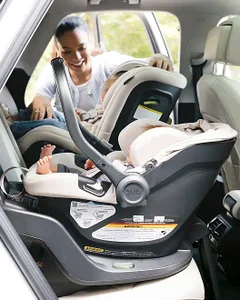
Where you place the car seat in your vehicle matters. The safest spot is usually the back seat, away from active airbags. Centering the seat often offers the best protection in case of a side impact.
Make sure the seat is installed tightly with minimal movement. Can you imagine the difference a few inches of wiggle room could make in a sudden stop? Secure positioning is key to keeping your baby safe on every ride.
Securing The Car Seat
Securing the car seat correctly is essential to keep your baby safe during every ride. A properly installed car seat minimizes movement and reduces injury risk in case of sudden stops or accidents. Understanding the different ways to secure the seat helps you choose the safest and most convenient option for your vehicle and car seat type.
Using The Seat Belt
Most car seats can be secured using your vehicle’s seat belt, which is a reliable option if your car does not support the LATCH system. First, thread the seat belt through the correct path on the car seat—usually marked with clear labels or color codes. Then, buckle the seat belt and lock it by pulling the belt all the way out and slowly letting it retract to remove any slack.
Make sure the belt lies flat without any twists and pulls the car seat tightly against the vehicle seat. Ask yourself: does the seat move more than an inch side-to-side or front-to-back? If yes, tighten the belt more before placing your baby in the seat.
Installing With Latch System
The LATCH system uses anchors and tethers built into your car and car seat for easier installation. Locate the lower anchors in your vehicle’s seat crease and connect the car seat’s hooks or connectors securely to them. Tighten the straps by pulling on the webbing until the seat feels firmly in place.
Many parents find the LATCH system quicker and simpler, but remember it has weight limits—check your car seat manual to ensure your baby and seat don’t exceed them. Have you ever struggled to find the anchors? They can be hidden under seat fabric, so don’t hesitate to use a flashlight or your fingers to locate them.
Checking For Proper Tightness
After securing the car seat, testing its tightness is crucial. Grab the base near the belt path and try to move it side-to-side and front-to-back. The car seat should not shift more than one inch in any direction.
Also, check the angle of the seat, especially for newborns who need a reclined position to keep their airway open. Use the built-in level indicators or adjust the base until the seat is at the recommended angle. Remember, a loose car seat can compromise your baby’s safety, so take the time to double-check every detail.
Placing The Baby Safely
Place the baby snugly in the car seat, ensuring the straps lie flat without twists. Adjust the harness so it fits securely at or below the shoulders for infants. Double-check that the chest clip sits at armpit level to keep your baby safe during travel.
Ensuring your baby is safely placed in a car seat is a crucial task every parent must master. It’s not just about securing the seat; it’s about understanding the nuances that ensure your little one’s journey is as safe as it is comfortable. Here, we break down the essentials of placing your baby safely in their car seat, focusing on clothing, positioning, and harness adjustments.Proper Clothing For Travel
Dress your baby in thin, snug layers. Bulky clothing can interfere with the harness’s effectiveness. A simple onesie with a light jacket or sweater is often enough. Consider keeping a blanket on hand for added warmth. It’s safer to place it over the harness after your baby is secured. Reflect on how often we overdress babies for car rides, not realizing it can compromise their safety.Positioning The Baby Correctly
Position your baby so that their back is flat against the seat. The head should be in line with their body, not tilted forward. Ensure the baby’s bottom is all the way back in the seat. This helps prevent slumping, which can be uncomfortable and unsafe. Check the baby’s head support. Most infant car seats come with padding to keep the head stable and prevent it from flopping forward.Adjusting Harness Straps
Secure the harness straps snugly. You should not be able to pinch any excess strap material at the shoulder. The harness clip should be at armpit level. This positioning helps distribute the force of a crash evenly across the chest. Regularly inspect the straps and buckles for wear and tear. Imagine the peace of mind knowing your baby’s car seat is always in top condition. Have you ever thought about how small adjustments can make a significant difference in safety? Ensuring your baby is placed correctly in their car seat is one of those vital details that can protect them on every journey.Final Safety Checks
Before you hit the road, taking a moment for final safety checks can make all the difference. These checks help ensure your baby is secure and comfortable, giving you peace of mind. Small adjustments now can prevent big worries later.
Harness Fit And Comfort
The harness should be snug but not too tight. You should be able to slide only one finger between the harness and your baby’s collarbone. Too loose, and your baby could slip out; too tight, and it can cause discomfort or restrict breathing.
Check the harness straps for twists or folds. Twisted straps reduce the harness’s effectiveness. Adjust the harness height so the straps sit at or just below your baby’s shoulders when rear-facing.
Car Seat Angle
Ensuring the correct angle is crucial to keep your baby’s airway open. Most car seats have an indicator or level line—make sure it shows the seat is at the right recline. If your baby’s head flops forward, the angle is too upright and needs adjusting.
Sometimes, adding a rolled towel or a car seat angle adjuster under the base can help achieve the proper tilt. Have you noticed how a slight tilt change can improve your baby’s comfort during a drive?
Avoiding Common Mistakes
- Don’t place bulky clothing or blankets under the harness; they can create slack.
- Make sure the chest clip is at armpit level, not on the stomach or neck.
- Double-check that the car seat is tightly installed with minimal movement—less than an inch side-to-side or front-to-back.
- Never use a car seat that has been in a crash or expired according to the manufacturer’s date.
Have you ever rushed a safety check and later wished you had double-checked? Taking these extra moments ensures your baby’s safety isn’t compromised by simple oversights.

Credit: clair-de-lune.co.uk
Tips For Stress-free Travel
Traveling with a baby can feel overwhelming, but having a few practical tips can make your journey smoother and more enjoyable. Stress-free travel isn’t just about the destination—it’s about how you prepare and respond along the way. You’ll find that keeping your baby calm, taking regular breaks, and being ready for emergencies can change the entire experience.
Keeping The Baby Calm
Babies pick up on your mood, so staying calm yourself helps keep your little one relaxed. Try playing soft music or singing a gentle lullaby—they can work wonders in soothing your baby during the ride.
Bring along a favorite toy or blanket that your baby finds comforting. This small familiarity can reduce fussiness and make the car seat feel like a safe space.
Regular Breaks On Long Trips
Long car rides can be tough on both you and your baby. Plan to stop every 1.5 to 2 hours to give your baby a chance to stretch and move outside the seat.
These breaks also give you time to check the car seat straps and adjust anything that may have shifted. Have you noticed how a quick break can reset your baby’s mood and energy?
Emergency Preparedness
Keeping a well-stocked emergency kit in the car can save you from panic. Include essentials like diapers, wipes, a change of clothes, and snacks.
Also, have your pediatrician’s contact info handy. Being prepared for unexpected situations helps you feel confident, even when the road throws a curveball your way.
Credit: uppababy.com
Frequently Asked Questions
How Do I Safely Place My Baby In A Car Seat?
Always support your baby’s head and back while placing them. Secure the harness snugly, ensuring no slack. Position the chest clip at armpit level for maximum safety.
What Is The Correct Harness Tightness For A Baby Car Seat?
The harness should be tight enough to prevent movement but not uncomfortable. Perform the pinch test: if you can pinch fabric, it’s too loose.
When Should I Rear-face My Baby In A Car Seat?
Keep your baby rear-facing until at least age 2 or until they reach the seat’s height or weight limit. Rear-facing offers the best protection in crashes.
How Do I Adjust The Car Seat Straps As My Baby Grows?
Loosen or tighten straps based on your baby’s size. Adjust harness height to be at or just below shoulder level for rear-facing seats.
Conclusion
Putting your baby in a car seat safely protects them on every trip. Always check the seat’s instructions carefully before use. Make sure the straps are snug but comfortable. Position the chest clip at armpit level for best security. Double-check the seat is firmly installed in the car.
Practice these steps each time you travel. Safety starts with proper car seat use. Keep your baby secure and enjoy peace of mind. Small efforts make a big difference in your child’s safety.