
You’ve spotted scratches on your car’s paint, and it’s driving you crazy. Those marks make your vehicle look older and less cared for.
But here’s the good news: you don’t have to live with them or rush to the body shop. With the right steps, you can polish out those scratches yourself and bring back that smooth, shiny finish. Keep reading, and you’ll discover simple, effective techniques to restore your car’s look quickly and easily.
Your car deserves to shine like new again—and you’re just a few steps away from making it happen.

Credit: www.youtube.com
Identify Scratch Types
Identifying the type of scratch on your car’s paint helps you choose the right polishing method. Scratches vary in depth and severity. Some affect only the surface, while others reach the deeper layers of paint or even the primer. Knowing the difference saves time and prevents damage during repair.
Surface Vs Deep Scratches
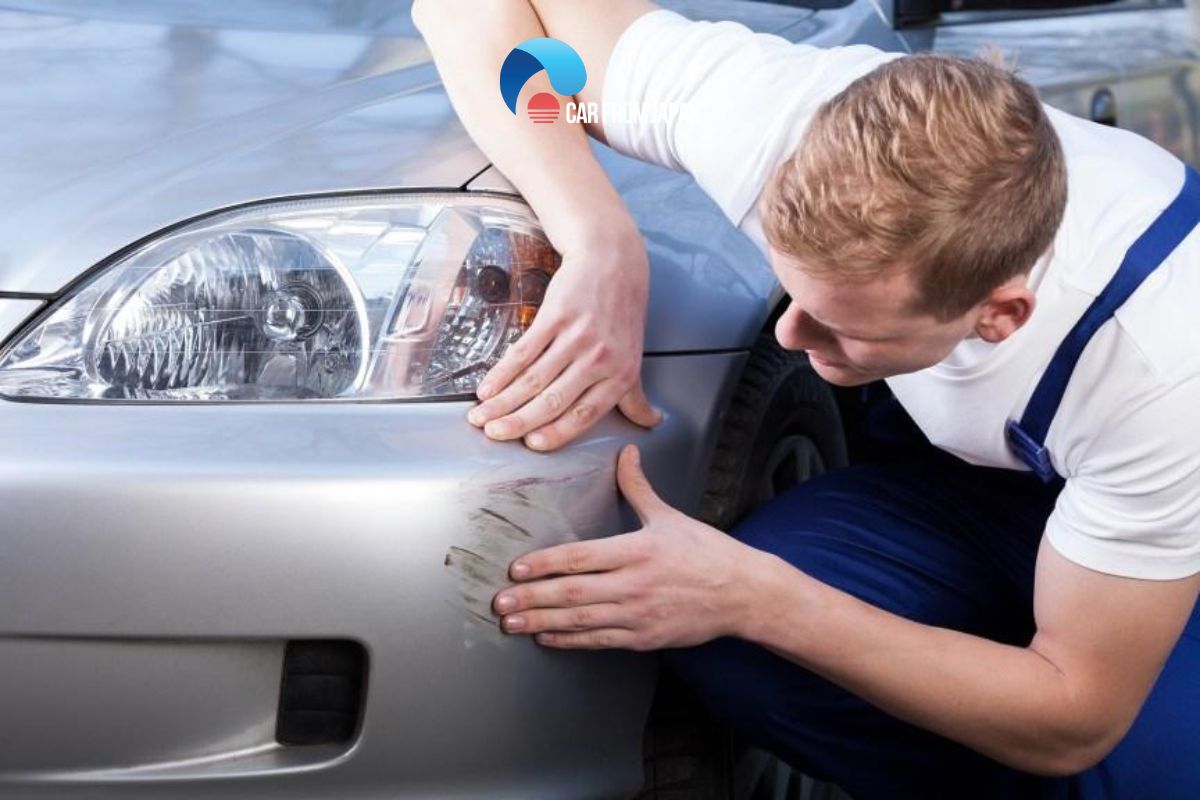
Surface scratches are light marks on the clear coat of the paint. These scratches often appear white or dull. They usually do not penetrate the color layer beneath. Polishing can often remove these scratches completely.
Deep scratches cut through the clear coat and reach the paint or primer below. These scratches may show metal or a different color underneath. Deep scratches require more than polishing. Repair may need touch-up paint or professional help.
Testing With Fingernail
Use your fingernail to check the scratch depth. Gently run your nail across the scratch.
- If your nail glides over smoothly, it is likely a surface scratch.
- If your nail catches in the scratch, it is probably deep.
This simple test helps you decide if polishing alone will fix the scratch.

Credit: www.amazon.ca
Gather Necessary Tools
Before you start polishing out car paint scratches, it’s crucial to gather the right tools. Having everything ready not only saves time but also helps you achieve a smoother, more professional finish. Skipping on quality tools can turn a simple job into a frustrating experience.
Polishing Compounds
Polishing compounds are the heart of the scratch removal process. They come in various grades, from coarse to fine, each designed to tackle different levels of damage. If your scratch is deep, start with a heavier compound and finish with a finer one for that perfect shine.
Think about the last time you tried a product without knowing its strength — it can either be too harsh or too weak. Choosing the right compound sets you up for success and reduces the risk of further damage.
Microfiber Cloths
Microfiber cloths are gentle yet effective for wiping off polish residue without scratching the paint. Unlike regular rags, they trap dirt and grime, preventing swirl marks. You’ll want a few clean cloths on hand so you’re not spreading dirt around during the process.
Using a microfiber cloth feels like giving your car a soft touch, but don’t underestimate its role in the final look. Have you noticed how a clean cloth can make a big difference in how smooth and shiny your paint looks?
Buffing Pads And Machines
Buffing pads paired with a polishing machine speed up the process and deliver consistent results. There are different types of pads—foam, wool, and microfiber—each suited for specific polishing stages. Foam pads are great for finishing, while wool pads handle more aggressive cutting.
If you don’t have a machine, you can polish by hand, but it takes more effort and may not be as even. Investing in or borrowing a dual-action polisher can save your arms and improve the quality of your work dramatically.
Prepare The Car Surface
Preparing the car surface is a crucial step before polishing out paint scratches. If you skip this part, you might end up making the scratches worse or creating new marks. Taking the time to properly prepare ensures the polish works effectively and your car’s finish looks flawless.
Clean And Dry The Area
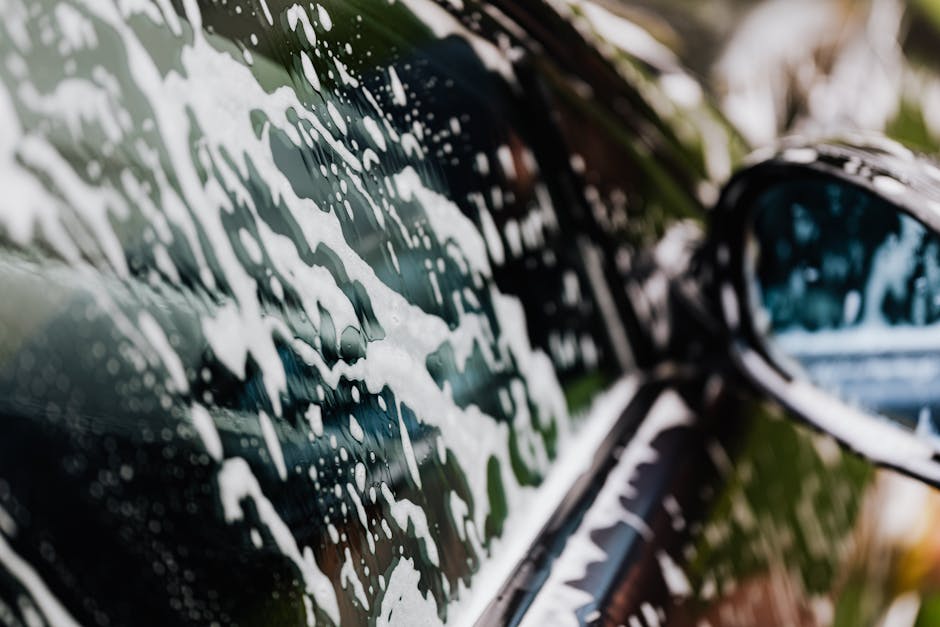
Start by washing the scratched area with a gentle car shampoo. Use a soft sponge or microfiber cloth to avoid adding more scratches.
Rinse thoroughly with clean water and dry the surface completely with a microfiber towel. Moisture can interfere with the polishing process and cause uneven results.
Have you ever tried polishing on a wet surface? It usually leads to streaks and wasted effort. Make sure the area is bone dry before moving on.
Remove Dirt And Debris
Even after washing, tiny dirt particles can cling to the paint. These can scratch the surface further when you polish.
Use a clay bar or detailing mitt to gently remove any remaining contaminants. This step leaves the paint smooth and ready for polishing.
Think of it as prepping a canvas before painting. Without a clean base, the final look won’t be as sharp or shiny.
Credit: carfromjapan.com
Apply Polishing Compound
Apply a polishing compound to remove car paint scratches effectively. Use a clean cloth for even application. Rub gently in circular motions to restore shine.
Applying a polishing compound can restore your car’s shine. It smooths out paint scratches and enhances the car’s appearance. Polishing compounds work by gently removing a thin layer of paint. This reveals a fresh, undamaged layer underneath. Proper application is crucial for the best results.Small Area Application
Focus on a small section at a time. This ensures even coverage and allows for better control. Use a microfiber cloth or a foam applicator pad. Rub the compound in circular motions. This helps to evenly distribute the product. Working on small areas prevents the compound from drying too quickly.Correct Amount To Use
Using the right amount of compound is key. Too much can be difficult to remove. Too little may not cover scratches effectively. Start with a small amount on your applicator. You can always add more if needed. Ensure the compound spreads smoothly over the surface.Buffing Techniques
Buffing techniques play a crucial role in restoring your car’s paint to a smooth, glossy finish. The right approach can erase scratches without damaging the surface. Whether you choose to buff by hand or with a machine, mastering these techniques ensures your car looks its best.
Hand Buffing Tips
Hand buffing lets you control the pressure and movement carefully, reducing the risk of over-polishing. Use a soft microfiber cloth or foam applicator pad to apply the polish in small, circular motions.
Keep your strokes consistent and avoid pressing too hard; gentle, repeated passes often work better. If you notice the polish drying too fast, lightly mist the surface with water or a quick detailer spray to keep it workable.
Try dividing the area into small sections. This helps you focus on each spot and prevents missing any scratches. Have you noticed how patience during hand buffing leads to a better shine?
Using A Machine Buffer
A machine buffer speeds up the process and often delivers a more uniform finish. Choose the right pad type—foam pads are ideal for light scratches, while wool pads handle deeper imperfections.
Start at a low speed to spread the polish evenly, then increase the speed for buffing. Keep the buffer moving steadily to avoid creating heat spots or swirl marks.
Hold the machine flat against the surface and use overlapping passes. Test on a small hidden area first to see how your paint reacts. What’s your experience with balancing speed and pressure on a buffer?
Check Progress Regularly
Checking progress regularly is important when polishing car paint scratches. It helps you see how much scratch has faded and if the surface looks smooth. Without checking, you might polish too much or too little. Taking breaks to inspect your work gives better results and saves paint from damage.
Inspecting Under Different Lights
Look at the polished area under sunlight and shade. Bright light shows scratches clearly. Shade helps see the true color and shine. Use a flashlight or phone light for close inspection. Changing angles reveals hidden scratches or uneven polish spots. This helps you polish the right areas and avoid missing any spots.
Avoiding Over-polishing
Stop polishing once scratches fade and shine returns. Over-polishing removes too much clear coat and can cause dull spots. It weakens paint and can lead to more damage. Use gentle pressure and polish in small sections. Rest and check often to keep control. Less is better than too much when polishing car paint.
Finish With Wax Or Sealant
After polishing out car paint scratches, finishing with wax or sealant is essential to protect your hard work. This step locks in the shine and shields the surface from environmental damage. Skipping this can leave your paint vulnerable to dirt, UV rays, and water spots, undoing all your effort.
Protecting The Polished Surface
Wax and sealants form a protective barrier over your polished paint. This barrier helps prevent new scratches and keeps contaminants from bonding to the surface. Applying a quality product not only guards against dust and grime but also repels water, making your car easier to clean.
Think about how often your car faces harsh weather or parking lot hazards. Wouldn’t you want to extend the life of your polish? Using wax or sealant acts like armor, preserving that smooth, flawless finish you worked hard to achieve.
Enhancing Shine And Durability
Wax adds a deep, rich shine that highlights your car’s color and gloss. Sealants, on the other hand, offer longer-lasting protection, often lasting several months before reapplication is needed. Choosing the right product depends on your priorities—do you want immediate brilliance or extended durability?
Applying wax or sealant is simple but requires attention to detail. Use a soft applicator pad and work in small sections to ensure even coverage. Buff off any residue with a microfiber cloth to reveal a mirror-like finish that truly stands out.
- Use synthetic sealants for longer-lasting protection.
- Opt for natural carnauba wax for a warmer glow.
- Consider layering wax over sealant for both durability and shine.
Have you noticed how a freshly waxed car draws compliments? That’s the kind of shine and protection you can achieve by finishing your polish with the right wax or sealant.
Prevent Future Scratches
Protecting your car’s paint from future scratches is just as important as polishing out the ones you already have. Taking proactive steps can save you time, money, and frustration. Imagine driving a freshly polished car, only to find new marks the next day—let’s help you avoid that scenario.
Proper Washing Techniques
Washing your car the right way plays a huge role in preventing scratches. Using dirty or rough cloths can actually cause more harm than good. Always use a soft microfiber cloth or a dedicated car wash mitt to gently clean the surface.
Try to wash your car in two buckets: one with soapy water and one with clean water to rinse your mitt. This simple trick keeps dirt from rubbing back onto the paint. Also, avoid washing your car in direct sunlight; it can cause soap to dry quickly and leave spots that you’ll have to scrub harder.
Use Of Protective Films
Have you considered protective films as a shield for your car’s paint? These clear films act as a barrier against minor scratches, stone chips, and even UV damage. Once applied, they can save your paint from everyday hazards without changing the look of your car.
Many car enthusiasts swear by paint protection films because they’re almost invisible and durable. You can apply them on high-impact areas like the hood, bumpers, and side mirrors. Think of this as an investment that keeps your car looking new and can even increase its resale value.
Frequently Asked Questions
What Materials Do I Need To Polish Car Paint Scratches?
You need a polishing compound, microfiber cloths, a polishing pad, and a buffer or hand applicator. Clean the surface first. These materials help remove scratches and restore shine effectively.
Can I Polish Deep Car Paint Scratches At Home?
Deep scratches often require professional repair or repainting. Polishing works best on light to moderate surface scratches. For deep damage, consult a specialist to avoid worsening the issue.
How Often Should I Polish My Car Paint?
Polishing every 6 to 12 months is ideal. It maintains paint smoothness and removes minor scratches. Over-polishing can wear down the paint, so avoid excessive polishing.
Will Polishing Remove All Types Of Car Scratches?
Polishing removes surface and light scratches effectively. It cannot fix deep scratches or paint chips. For severe damage, consider touch-up paint or professional bodywork.
Conclusion
Polishing car paint scratches can make your vehicle look fresh again. Use the right tools and take your time for best results. Small scratches often disappear with gentle rubbing and proper polish. Avoid rushing to prevent damage to the paint surface.
Regular care helps keep your car’s paint smooth and shiny. Simple steps can save money on costly repairs. Your car will look cleaner and more cared for. Try these tips to maintain your car’s good look easily.