

Your car’s windshield is more than just a piece of glass—it’s your clear view to the road ahead. Over time, it can get cloudy, scratched, or stained, making driving frustrating and unsafe.
But what if you could restore that clarity yourself, without expensive repairs? In this guide, you’ll discover simple, effective steps to polish your car windshield. By the end, your glass will look clearer, smoother, and safer—giving you confidence every time you hit the road.
Keep reading to learn how easy it is to bring back that crystal-clear view.
Preparing The Windshield
Preparing the windshield is a crucial first step before polishing. It ensures the surface is clear and ready for effective polishing. Proper preparation helps avoid scratches and achieves a smooth finish.
Cleaning Dirt And Debris
Remove loose dirt and dust using a soft brush or cloth. Use a glass cleaner or a mix of water and mild soap to wash the windshield. Rinse thoroughly with clean water to avoid leaving soap marks. Dry the glass with a microfiber towel to prevent streaks.
Checking For Damage
Inspect the windshield carefully for cracks, chips, or deep scratches. Small damages can worsen during polishing. If you find serious damage, repair it before polishing. This step protects the windshield from further harm.
Gathering Necessary Tools
Collect all tools needed for polishing to avoid interruptions. Common tools include:
- Microfiber cloths
- Glass polish or rubbing compound
- Polishing pad or applicator
- Masking tape to protect edges
- Water spray bottle
Having everything ready makes the process smooth and efficient.
Credit: www.carzspa.com
Choosing The Right Polish
Choosing the right polish for your car windshield is important. It helps restore clarity and removes scratches. The right product protects the glass from future damage. Different polishes serve different purposes. Knowing which one fits your needs saves time and effort.
Types Of Windshield Polishes
Windshield polishes come in various types, each with unique features. Some remove light scratches and water spots. Others tackle deeper scratches and stubborn stains. Polishes may be abrasive or non-abrasive. Abrasive types work well on rough surfaces. Non-abrasive polishes are gentle and protect the glass finish.
- Scratch removers – for fine surface scratches
- Water spot removers – to clear mineral deposits
- Glass cleaners with polish – dual-purpose products
- Ceramic-based polishes – for long-lasting protection
Selecting Based On Glass Condition
Evaluate the condition of your windshield before choosing polish. Check for scratches, stains, or cloudiness. Light scratches need mild polish to avoid damage. Deep scratches require stronger abrasive polishes. For cloudy or hazy glass, use a polish that restores shine. If unsure, start with a gentle product. Test in a small area first. This avoids unnecessary damage and ensures good results.
Step-by-step Polishing Process
Polishing your car windshield can transform your driving experience by improving visibility and restoring clarity. The process is straightforward but requires attention to detail and the right tools. Here’s how you can effectively polish your windshield step-by-step to achieve a smooth, clear finish.
Applying The Polish
Start by cleaning the windshield thoroughly to remove dirt and grime. A clean surface ensures the polish adheres properly and works effectively.
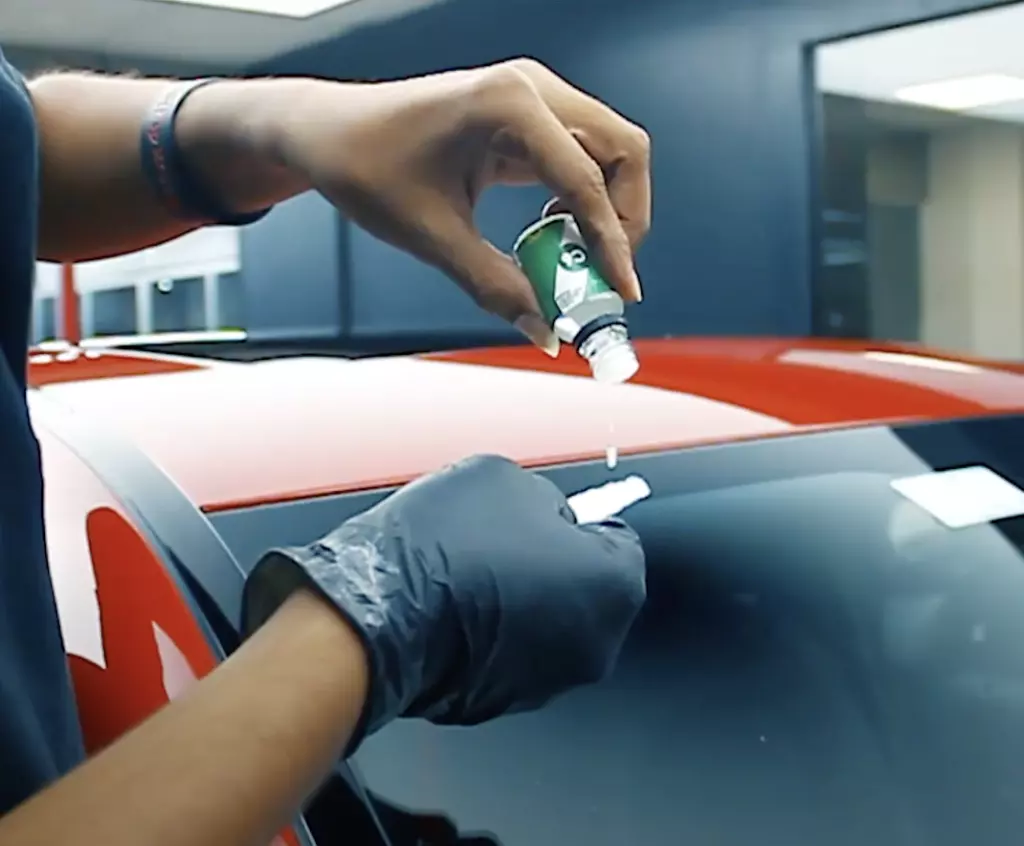
Apply a small amount of polish directly onto the glass or onto your polishing pad. You don’t need much—too much polish can make the process messy and less efficient.
Spread the polish evenly across the area you want to treat using gentle circular motions with your finger or pad before starting the machine or manual buffing.
Using A Polishing Pad
Select a polishing pad suitable for glass surfaces—foam pads are a popular choice because they’re gentle yet effective.
Attach the pad securely to your polishing tool or use it by hand if you prefer more control.
Working in small sections, move the pad slowly over the polish, ensuring it stays wet to prevent scratching. Don’t rush; slow, steady movements produce better results.
Buffing Techniques
Buffing is where the polish works its magic, smoothing out imperfections and enhancing clarity.
Use moderate pressure and keep the polishing pad moving constantly to avoid overheating or damaging the glass. Circular or figure-eight motions are excellent for even coverage.
After buffing, wipe away any residue with a clean microfiber cloth. Step back and check your progress—does your windshield look clearer? If not, repeating the process on stubborn spots can make a big difference.
Dealing With Scratches And Stains
Scratches and stains can quickly ruin the clarity and safety of your car windshield. Tackling these issues early helps maintain a clear view and prolongs the life of your glass. You don’t need expensive tools to fix minor damage—sometimes simple household items and a bit of patience do the trick.
Removing Light Scratches
Light scratches often appear as faint lines that catch the sunlight. To fix these, start by cleaning the windshield thoroughly with soap and water. Then, gently rub a small amount of toothpaste or a specialized glass polishing compound onto the scratch using a soft, damp cloth.
Use circular motions and moderate pressure to buff the area for about 30 seconds. Rinse and check the progress—does the scratch look less noticeable? You can repeat this a couple of times, but avoid over-polishing, which might cause more damage.
Handling Water Spots
Water spots leave mineral deposits that can cloud your view and resist simple wiping. Vinegar is a powerful and natural cleaner that dissolves these deposits effectively. Soak a cloth in white vinegar and press it against the water spots for a few minutes to loosen the minerals.
Afterward, scrub gently with the cloth, then rinse the windshield with clean water. Stubborn spots might need a second application. Have you noticed how water spots often worsen if left unattended? Removing them quickly prevents permanent etching.
Addressing Tough Stains
Tough stains like sap, bird droppings, or road tar require stronger action. Start by softening the stain with warm, soapy water to avoid scratching the glass. Then, apply a small amount of rubbing alcohol or a commercial bug and tar remover on a clean cloth and rub the stain carefully.
Always test any chemical on a small area first to make sure it doesn’t harm your windshield or car paint. If the stain persists, gently scraping with a razor blade held at a 45-degree angle can help—but only if you’re confident and careful. What’s the toughest stain you’ve managed to remove yourself?
Finishing Touches
Polishing a car windshield removes small scratches and improves clarity. Use a gentle polish and a soft cloth for smooth, streak-free results. Finish by wiping with a clean microfiber cloth to enhance shine and visibility.
As you reach the final stages of polishing your car windshield, the ‘Finishing Touches’ are where the magic happens. This phase is all about refining the details to ensure your windshield not only looks pristine but also stands the test of time. It’s the difference between a job done and a job well done.Cleaning Residue
After polishing, you’ll notice a slight haze or leftover residue on the glass. This is normal, and removing it is a crucial step. Use a clean microfiber cloth dampened with a little glass cleaner. Gently wipe the windshield in circular motions to ensure all the residue is lifted away. It’s a simple process, but it makes a significant difference in clarity.Applying Protective Sealant
Once the residue is cleared, applying a protective sealant can enhance the windshield’s durability. A good sealant will repel water and resist grime, keeping your windshield clearer for longer. Imagine driving in the rain with a windshield that beads water effortlessly. Apply the sealant with a soft cloth, spreading evenly and ensuring full coverage. Allow it to dry according to the product instructions for the best results.Final Inspection
Before you wrap up, take a moment for a thorough inspection. Step back and look at the windshield from different angles. Check for any missed spots or streaks that might need a quick touch-up. You might even find satisfaction in the reflection of your surroundings on the clean glass. This step ensures that your work stands up to scrutiny and delivers a crystal-clear view on every drive. Completing these finishing touches not only boosts your car’s appearance but also enhances your driving experience. What could be more rewarding than knowing your efforts will lead to a safer, more enjoyable ride?
Credit: www.youtube.com
Maintenance Tips For Clear Windshields
Keeping your windshield crystal clear goes beyond just polishing it once. Regular care ensures better visibility and prolongs the life of your windshield. Here are some practical maintenance tips to help you maintain a spotless and damage-free windshield.
Regular Cleaning Routine
Clean your windshield frequently to prevent dirt buildup and grime that can scratch the glass. Use a soft microfiber cloth with a mild glass cleaner or a vinegar-water solution for best results. Avoid harsh chemicals that can leave streaks or damage the glass surface.
Don’t forget to clean the inside of the windshield too. Dust and smudges from the interior can reduce visibility, especially at night. Make it a habit to wipe both sides every time you wash your car.
Avoiding Damage
Be mindful of what touches your windshield. Avoid using abrasive tools or scrapers that can cause fine scratches. Instead, use dedicated windshield cleaning tools or soft sponges.
Have you ever noticed tiny chips or cracks growing over time? Small damages can quickly worsen if ignored. Repair chips promptly to prevent them from spreading and needing a full windshield replacement.
Using Windshield Protectants
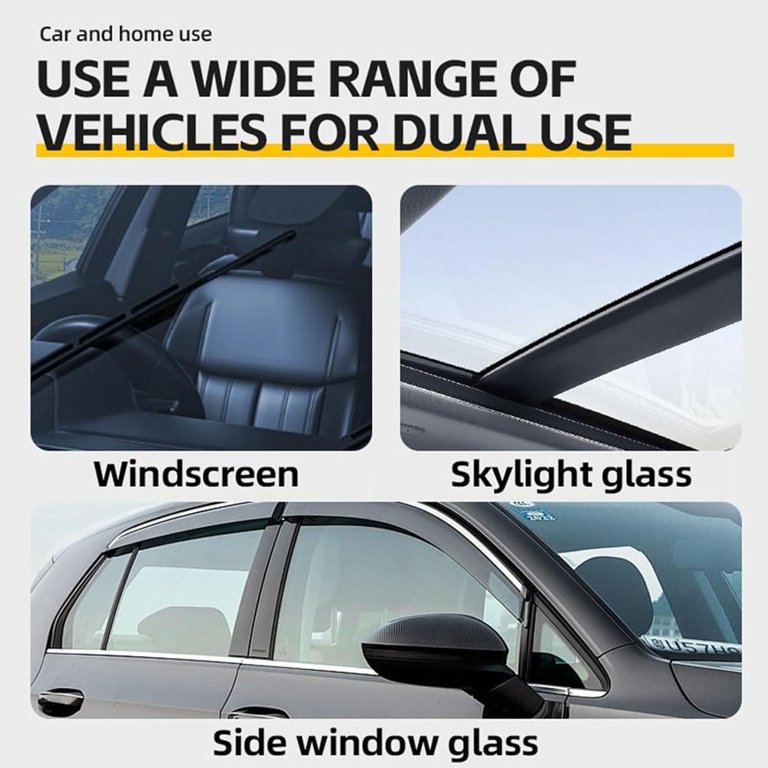
Applying a windshield protectant can make a significant difference. These products create a water-repellent layer that improves visibility during rain and helps repel dirt and bugs.
Choose protectants that are easy to apply and safe for your car’s glass and wiper blades. Reapply them every few weeks to maintain their effectiveness. Have you tried one before? You might be surprised at how much clearer your view becomes on wet roads.
Credit: www.walmart.com
Frequently Asked Questions
How Do I Polish A Car Windshield Safely?
To polish a car windshield safely, use a glass polish and a soft microfiber cloth. Avoid abrasive materials and apply gentle, circular motions to prevent scratches. Always clean the windshield thoroughly before polishing to remove dirt and debris.
What Materials Are Needed To Polish A Car Windshield?
You need a glass polish, a microfiber cloth, water, and masking tape to protect surrounding areas. Optionally, a polishing pad or drill attachment can speed up the process and improve results.
How Often Should I Polish My Car Windshield?
Polish your car windshield every 6 to 12 months, depending on exposure to elements. Regular polishing helps maintain clarity and removes minor scratches or water stains effectively.
Can Polishing Remove Scratches From A Windshield?
Polishing can remove minor surface scratches and water spots but won’t fix deep cracks or chips. For severe damage, consult a professional for repair or replacement options.
Conclusion
Polishing your car windshield helps improve visibility and safety. Clean and smooth glass reduces glare from lights and sun. Regular care can prevent scratches and stains from building up. Use the right products and tools for best results. Take your time and work gently to avoid damage.
A clear windshield makes driving safer and more comfortable. Keep your car looking good and your view clear. Simple steps can make a big difference on the road.