

Want your car to shine like it just rolled off the showroom floor? Polishing your car is the secret to restoring that deep, glossy finish and making your vehicle stand out on the road.
But how do you do it right without wasting time or damaging your paint? In this guide, you’ll discover simple, step-by-step tips to polish your car like a pro—whether it’s your first time or you want to improve your technique.
Keep reading, and soon your car will look cleaner, fresher, and more vibrant than ever before.
Choosing The Right Polish
Choosing the right polish is a crucial step in achieving that showroom shine on your car. Using the wrong type can do more harm than good, potentially damaging the paint or leaving uneven results. Knowing what kind of polish suits your car’s condition and paint type can save you time, money, and frustration.
Types Of Car Polishes
Car polishes come in several varieties, each designed for specific purposes. Abrasive polishes help remove scratches and oxidation by gently sanding the surface. Non-abrasive polishes mainly enhance gloss and remove minor imperfections without cutting into the paint.
There are also glaze polishes that fill in tiny scratches to improve shine temporarily. Compound polishes are more aggressive and best for heavy swirl marks or deep scratches. Knowing the difference helps you pick a polish that matches your car’s needs exactly.
Selecting Based On Paint Type
Your car’s paint type affects which polish will work best. For example, clear coat paint needs a polish that won’t strip away the protective layer. Older single-stage paint may require a more abrasive polish to restore its shine.
Some polishes are formulated specifically for metallic or matte finishes. Using a glossy polish on matte paint can ruin the finish. Take a moment to identify your paint type—this simple step can prevent costly mistakes.
Tools And Materials Needed
Polishing isn’t just about the polish itself; the tools you use matter a lot. A microfiber cloth or foam applicator pad is essential for applying polish evenly without scratching. For larger jobs, consider a dual-action polisher to save effort and achieve consistent results.
You’ll also want plenty of clean towels for buffing and removing residue. Don’t forget gloves to protect your skin and a well-lit workspace to spot imperfections clearly. Having the right tools at hand makes the process smoother and more effective.

Credit: monsterdetailing.com
Preparing Your Car
Preparing your car before polishing is crucial for the best results. Proper preparation removes dirt and grime that can scratch the paint during polishing. It also ensures an even surface for the polish to work effectively.
Washing And Drying
Start by thoroughly washing your car. Use a car shampoo designed to remove dirt without harming the paint. Rinse the car with clean water to remove all soap residues. Dry the surface with a soft microfiber towel to avoid water spots.
Removing Surface Contaminants
After washing, check for any stuck contaminants like tar, tree sap, or iron particles. Use a clay bar to gently remove these deposits. This step makes the paint smooth and ready for polishing. Avoid skipping this to prevent scratches during polishing.
Protecting Trim And Sensitive Areas
Cover plastic trims, rubber seals, and other sensitive parts with painter’s tape. Polishing compounds can damage these areas if not protected. This simple step saves time and prevents unwanted marks or discoloration.
Polishing Techniques
Polishing a car restores its shine and removes minor scratches. Choosing the right technique depends on your tools and experience. Both hand polishing and using a machine have their benefits. Each method requires care and attention to detail.
Hand Polishing Steps
Start with a clean, dry car surface. Apply a small amount of polish on a soft foam or microfiber applicator pad. Work in small sections using circular motions. Apply light to moderate pressure for even polish spread. Keep polishing until the product becomes clear or starts to dry. Wipe off the residue with a clean microfiber cloth. Check the surface in sunlight to see the shine and smoothness. Repeat if necessary, but avoid over-polishing the same spot.
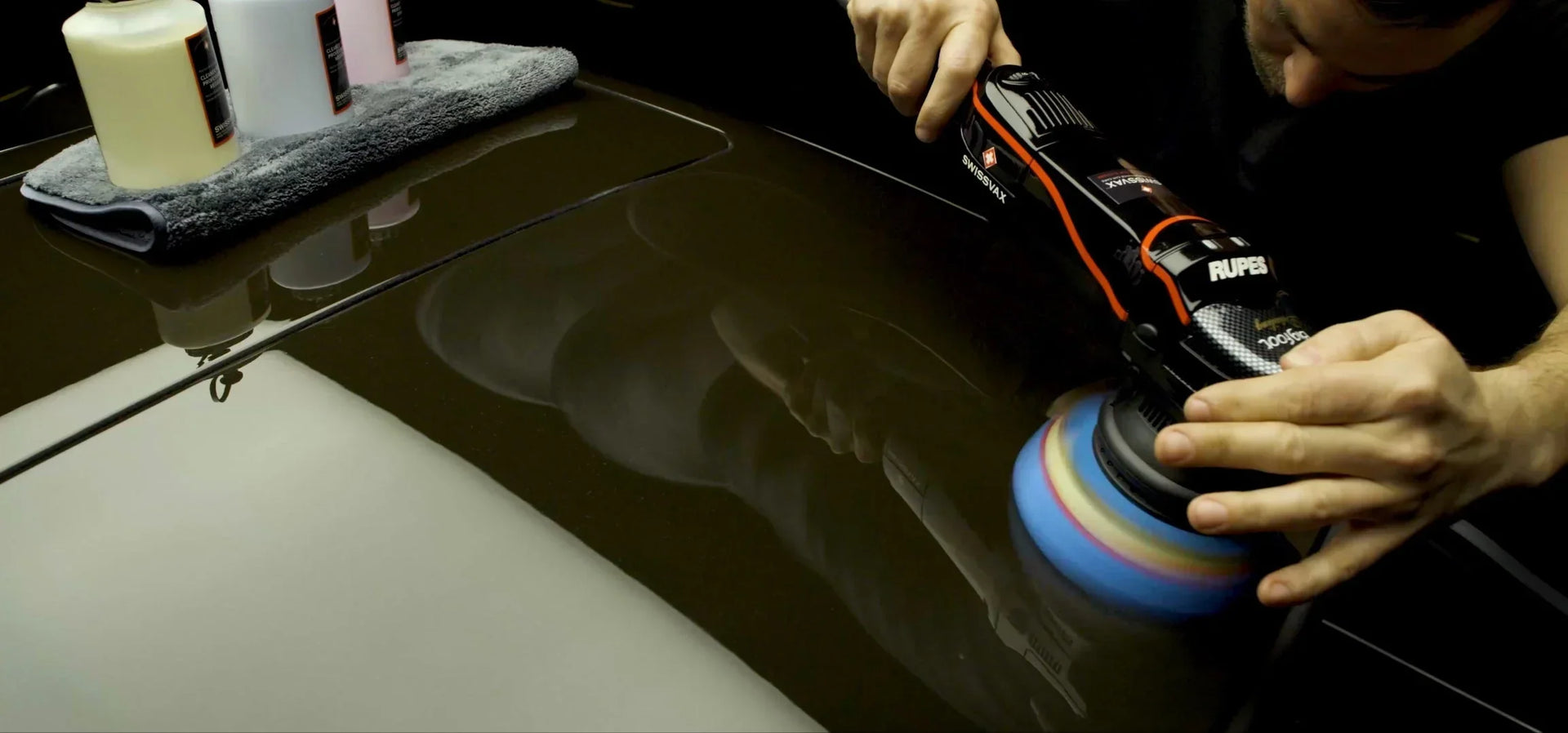
Using A Dual Action Polisher
Attach a polishing pad suitable for your polish type. Dab polish on the pad or directly on the car panel. Turn the polisher on at a low speed to spread polish evenly. Increase speed gradually while moving the polisher in overlapping passes. Keep the pad flat against the surface to avoid swirls. Work in small sections for best results. Stop and wipe off excess polish with a clean microfiber towel. Inspect the finish under good light and repeat if needed.
Avoiding Common Mistakes
- Do not polish on a hot or direct sun surface.
- Avoid using dirty or rough cloths and pads.
- Do not apply too much polish at once.
- Avoid pressing too hard with the polisher or your hand.
- Do not rush; take time for even coverage.
- Avoid polishing over contaminants like dirt or dust.
- Do not skip wiping off polish residue thoroughly.
Dealing With Imperfections
Car paint can develop small flaws over time. These imperfections affect the shine and smoothness of your vehicle’s surface. Polishing your car helps to reduce these blemishes and restore a clearer, brighter finish. Focus on each issue carefully to get the best results.
Removing Swirl Marks
Swirl marks appear as small circular scratches on the paint. They often come from improper washing or drying. Use a fine polishing compound with a soft foam pad. Work in small sections with gentle pressure. Move the polisher in slow, overlapping circles. Wipe off residue with a clean microfiber cloth. Repeat if needed, but avoid over-polishing.
Fixing Light Scratches
Light scratches are shallow and can often be polished out. Choose a scratch remover or polish designed for minor paint damage. Apply a small amount to the affected area. Use a microfiber applicator or soft cloth. Rub the product in circular motions until the scratch fades. Clean the area and check if the scratch is gone. Deeper scratches may need professional help.
Handling Oxidation
Oxidation makes paint look dull and faded. It happens when the clear coat breaks down from sun exposure. Use an oxidation remover or a compound with mild abrasives. Apply it with a foam pad or cloth. Polish in straight, even strokes. After treating, the paint should look brighter and smoother. Seal the surface with wax to protect against future oxidation.
Post-polishing Care
Allow the car surface to cool before touching it. Use a clean microfiber cloth to gently wipe off any polish residue. Applying a wax layer afterward helps protect the shine and keeps the paint smooth.
Polishing your car brings out its natural shine. But, maintaining that shine requires effort. Post-polishing care ensures your car looks stunning longer. This involves protecting the polished surface and regular maintenance.Applying Wax Or Sealant
Apply wax or sealant after polishing. This protects the car’s surface from dirt and UV rays. Wax provides a glossy finish and enhances the paint’s appearance. Use a soft cloth to apply a thin layer of wax. Work in small sections for even coverage. Let it dry, then buff with a clean cloth. Sealants last longer than wax and offer more protection. Choose a product that suits your climate conditions.Maintaining The Shine
Regular maintenance keeps your car shining. Park your car in shaded areas to avoid sun damage. Use a car cover if you park outdoors often. Avoid parking under trees to prevent sap stains. Inspect the car’s surface for scratches or marks regularly. Use touch-up products to fix minor imperfections.Regular Cleaning Tips
Clean your car regularly to maintain its polished look. Use a mild car shampoo that doesn’t strip the wax. Rinse thoroughly to remove all soap residue. Dry the car with a microfiber towel to avoid water spots. Clean the wheels and tires with a separate cloth. This prevents dirt from scratching the paint. Avoid automatic car washes with harsh brushes. They can damage the polished surface. Always use clean tools for washing and drying. This keeps dirt from causing scratches.
Credit: www.youtube.com
Safety And Maintenance Tips
Polishing your car can bring out a stunning shine, but it also requires careful attention to safety and maintenance. Handling chemicals and equipment without proper precautions can lead to injuries or damage. Taking a few simple steps to protect yourself and your products ensures a smooth, worry-free polishing experience.
Protecting Your Skin And Eyes
Polishing compounds often contain chemicals that can irritate your skin or eyes. Always wear gloves to keep your hands safe from harsh substances. Safety goggles are essential to protect your eyes from splashes or dust particles that may fly around during polishing.
Think about how many times you’ve rubbed your eyes without realizing residue was on your hands. Avoid this by washing your hands immediately after working and before touching your face. Using a mask can also help reduce inhaling fine dust from polishing pads.
Storing Polishing Products
Proper storage of your polishing products extends their shelf life and keeps them effective. Store them in a cool, dry place away from direct sunlight to prevent chemical breakdown. Make sure lids are tightly sealed to avoid spills and contamination.
Have you ever opened a container only to find it dried out or unusable? Avoid this by labeling your products with the date of purchase or opening. Keep them out of reach of children and pets to prevent accidents.
Scheduling Regular Polishing Sessions
Polishing too often can wear down your car’s clear coat, while too infrequent sessions might leave your paint dull. Aim for a balanced schedule, such as every 3-6 months depending on your driving conditions. This keeps your car looking fresh without risking damage.
Keep track of your polishing dates in a notebook or phone app. This simple habit helps you avoid overdoing it and maintains your car’s finish in top shape. Have you noticed how a well-maintained shine changes the whole vibe of your ride?
Credit: swissvax.us
Frequently Asked Questions
How Often Should I Polish My Car?
Polish your car every 3 to 6 months. This maintains shine and removes minor scratches. Over-polishing can damage paint, so avoid polishing too frequently.
What Tools Do I Need To Polish A Car?
You need a polishing machine or foam applicator pads, car polish, microfiber cloths, and masking tape. These tools help achieve smooth, even polish without damaging the paint.
Can Polishing Remove Deep Scratches On Cars?
Polishing removes light scratches and swirl marks but not deep scratches. For deep scratches, consider professional repair or repainting for best results.
Is It Better To Polish A Car By Hand Or Machine?
Machine polishing is faster and more effective for large areas. Hand polishing suits small spots or delicate surfaces. Choose based on your comfort and car’s condition.
Conclusion
Polishing a car can bring back its shine and protect its surface. Use the right tools and take your time for best results. Small steps make a big difference in the car’s look. Keep your car clean before you start polishing.
Regular polishing helps keep paint smooth and bright. Enjoy the fresh, glossy finish on your car every time. You can do this yourself with patience and care. Keep practicing to get better and faster at polishing. Your car deserves a nice shine that lasts.