
Choosing the right car seat for your baby can feel overwhelming. You want your little one to be safe, comfortable, and happy every time you hit the road.
But what if your baby doesn’t like the car seat? It can turn every trip into a struggle. The good news is, you can make your baby enjoy their car seat with a few simple steps. You’ll discover easy and effective ways to help your baby feel cozy and secure, so car rides become peaceful and stress-free for both of you.
Keep reading to learn how to turn your baby’s car seat into their favorite spot on wheels.

Credit: www.westcoastkids.ca
Choose The Right Car Seat
Choosing the right car seat is the first step toward ensuring your baby’s safety and comfort during every ride. It’s more than just picking a popular model; the perfect car seat fits your child’s unique needs and makes traveling a pleasant experience for both of you. Let’s dive into what you should look for when selecting the right car seat.
Consider Age And Size
Your baby’s age and size are crucial factors in choosing the right car seat. Babies grow fast, so a seat that fits perfectly today might be too small in a few months. Look for seats that match your child’s weight and height, and check if they offer adjustable features to grow with your baby.
Have you noticed how some seats have multiple recline positions or adjustable harness heights? These allow you to customize the fit as your baby grows, which keeps them safe and comfortable. Don’t rush to upgrade just because your child seems big; always follow the manufacturer’s guidelines for size limits.
Check Safety Ratings
Safety should never be compromised. Before you buy, check the latest safety ratings from trusted sources like the National Highway Traffic Safety Administration (NHTSA) or consumer reports. These ratings test how well the seat performs in crash simulations and assess ease of use.
Sometimes, a seat with higher safety ratings might be less flashy but more reliable in protecting your baby. Have you ever considered how a well-tested, simple design might actually serve your family better than a trendy but unproven model? Safety data can guide you to make confident choices.
Look For Comfort Features
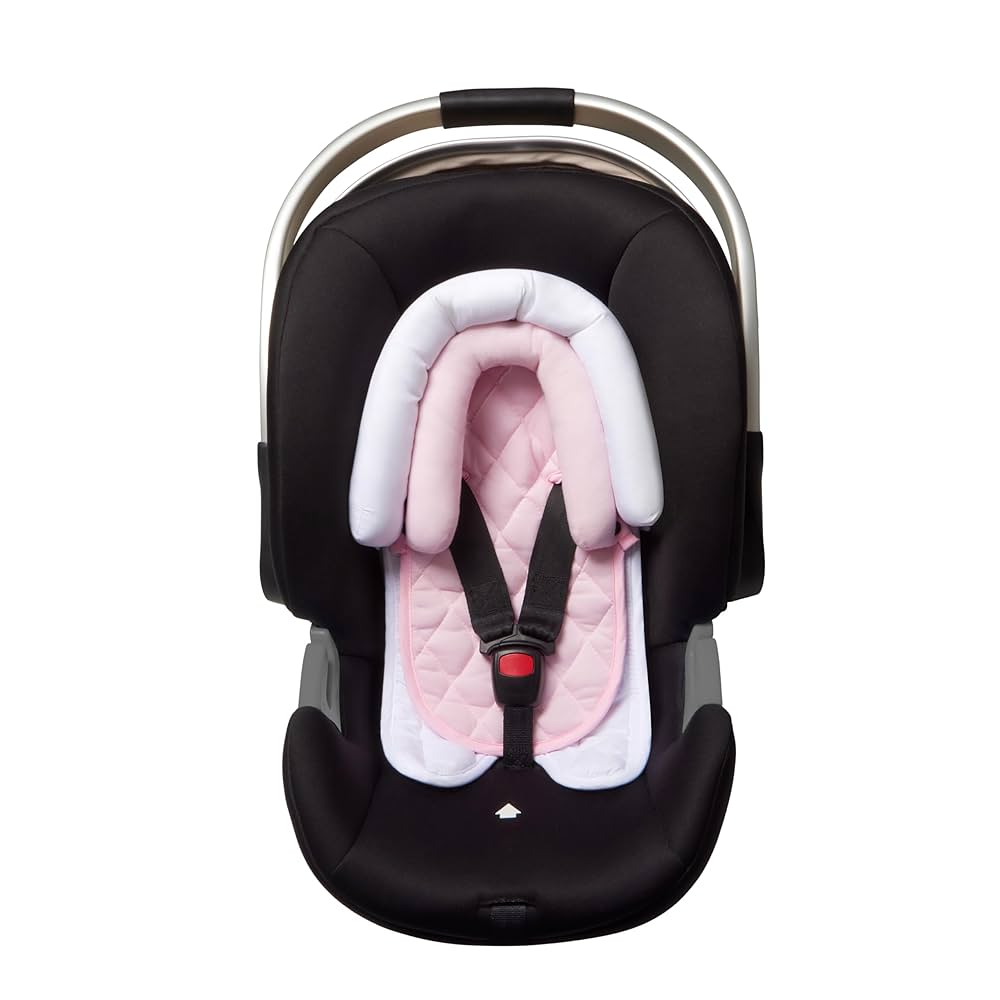
Comfort matters just as much as safety. Babies who feel comfortable in their seats are less likely to fuss or resist being buckled in. Look for features like extra padding, breathable fabrics, and adjustable headrests.
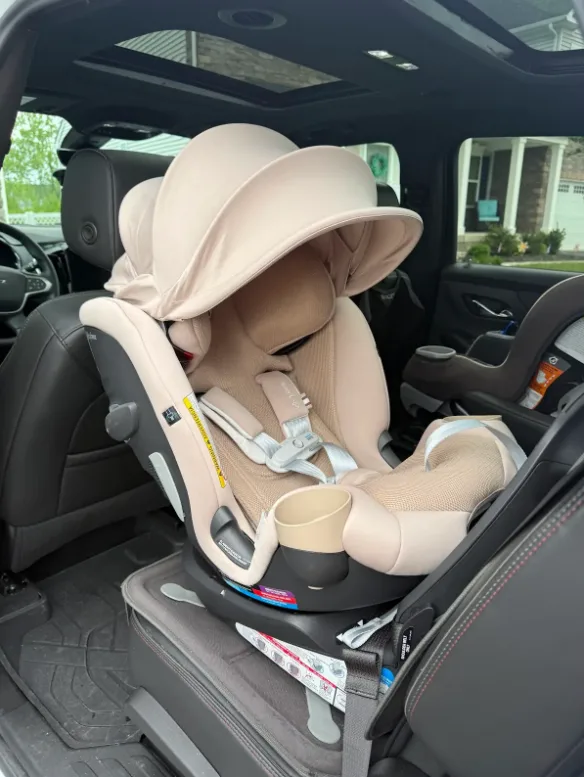
Have you noticed seats with removable infant inserts or sunshades? These small details can make a big difference, especially during long trips or hot days. Remember, a comfortable baby means a more peaceful ride for everyone.
Credit: www.thebump.com
Create A Calm Environment
Creating a calm environment can make a huge difference in how your baby feels about their car seat. Babies pick up on the mood around them, so keeping things peaceful helps them relax and even enjoy their ride. Small changes in the atmosphere around the car seat can turn a stressful experience into a soothing one for both you and your baby.
Use Soothing Sounds
Soft, gentle sounds can comfort your baby and mask the noise of the car. You might try playing white noise, lullabies, or gentle nature sounds at a low volume. I found that a small portable sound machine clipped near the car seat helped my baby settle quickly, even on long trips.
Think about what sounds your baby responds to best. Does your baby calm down when hearing your voice or a specific song? Keeping these sounds consistent can create a sense of security.
Maintain Comfortable Temperature
Temperature plays a big role in your baby’s comfort. Make sure the car is neither too hot nor too cold before placing your baby in the seat. I learned that adjusting the air conditioning or heating ahead of time prevents fussiness and helps my baby stay calm.
Check if your baby is dressed appropriately for the weather. Layers that you can easily add or remove are best to keep them cozy without overheating.
Limit Distractions
Too many sights and sounds can overwhelm your baby. Try to keep the area around the car seat free from toys or objects that might grab their attention and cause restlessness. During one drive, I noticed my baby was calmer when I covered the car seat lightly with a breathable cloth, reducing visual distractions.
Ask yourself what your baby really needs during the ride. Sometimes, less stimulation leads to more peace and quiet for both of you.
Introduce The Car Seat Gradually
Introducing a car seat to your baby takes patience and care. Babies need time to feel safe and comfortable in a new seat. Gradual introduction helps your baby get used to the car seat without stress. It builds trust and creates a positive experience early on.
Practice Short Sessions
Start with very short times in the car seat. Let your baby sit for a few minutes while you hold or play nearby. Slowly increase the time as your baby feels more relaxed. Short sessions avoid overwhelming your baby.
Incorporate Playtime
Use the car seat as a place for fun. Place favorite toys or soft books inside the seat. Sing songs or talk softly while your baby is in the seat. This makes the car seat a happy place, not just for travel.
Use Positive Reinforcement
Praise your baby when they sit calmly in the car seat. Smile, clap, or give gentle hugs after each session. Positive feedback helps your baby connect the car seat with good feelings. Keep encouragement simple and consistent.
Keep Baby Entertained
Keeping a baby entertained in a car seat helps make travel calmer and happier. Babies get bored quickly, so having fun distractions is key. Small activities can keep their attention and reduce fussiness. Try simple ways to engage your baby during car rides.
Attach Toys And Mobiles
Attach soft toys or mobiles to the car seat handle. Choose toys that are safe and easy to grab. Bright colors and different textures attract babies’ attention. Toys that make gentle sounds add extra interest. Changing toys regularly keeps your baby curious and engaged.
Sing And Talk To Baby
Singing songs soothes and entertains your baby. Use simple, repetitive tunes they can recognize. Talking softly about what you see or what you do helps too. Your voice comforts and keeps your baby focused. This interaction supports early language learning and bonding.
Use Visual Stimuli
Visual stimuli keep babies alert and happy. Use colorful books or cards designed for infants. Place them where the baby can see but not grab. High-contrast patterns catch their eyes quickly. Moving items gently in front of your baby also hold attention well.
Ensure Proper Installation
Proper installation ensures the car seat fits securely and keeps your baby safe. Check all straps and anchors are tight and correctly positioned. A well-installed seat helps your baby feel comfortable and secure during rides.
Ensuring proper installation of your baby’s car seat is crucial for both safety and comfort. A well-installed car seat not only protects your child but also helps them enjoy the ride, making them less fussy and more relaxed. When you make sure everything is set up correctly, you can have peace of mind knowing your baby is secure.Follow Manufacturer Instructions
Always begin by reading the manufacturer’s instructions for the car seat. These guidelines are there to ensure you install the seat correctly and safely. Each car seat model can have different requirements, so don’t assume that your experience with one seat will translate to another.Check Seat Belt Fit
Make sure the seat belt fits snugly around the car seat. A loose seat belt can compromise the safety of the seat during sudden stops or impacts. Test the belt by pulling it to see if it locks securely and check for any slack.Secure Base Firmly
The base of the car seat must be secured tightly to the vehicle seat. Press down on the base and tighten until it doesn’t move more than an inch in any direction. A firm base ensures stability, giving you confidence that your baby is as safe as possible. By paying attention to these details, you can make the car seat a comfortable and secure place for your baby. Do you remember the first time you installed a car seat and how much peace of mind it gave you once you got it right? That sense of security is exactly what your baby feels when the seat is properly installed.Dress Baby Appropriately
Choosing the right clothes for your baby helps make car seat rides safe and comfy. Babies feel snug and happy when dressed properly. Dressing well prevents fussiness and avoids safety risks in the car seat.
Avoid Bulky Clothing
Bulky coats and thick jackets create gaps in car seat straps. These gaps reduce the harness’s effectiveness in a crash. Dress your baby in thin layers instead of one heavy outfit. Use blankets over the harness for warmth after buckling up.
Use Comfortable Fabrics
Soft, breathable fabrics keep babies calm and cozy. Cotton and bamboo are gentle on sensitive skin. Avoid rough or stiff materials that can irritate or distract your baby. Comfortable fabrics make long trips easier for both baby and parent.
Adjust Layers For Weather
Check the weather before dressing your baby. Add or remove layers to keep your baby warm without overheating. Use hats and mittens in cold weather, but avoid covering the face. In warm weather, dress your baby in light clothes to prevent sweating.
Plan Rides Around Baby’s Schedule
Planning rides around your baby’s natural schedule can make a huge difference in how much they enjoy their car seat. Babies thrive on routine, and aligning travel times with their usual habits helps reduce fussiness and discomfort. You’ll find that a little timing goes a long way in turning car rides into peaceful moments.
Travel During Nap Times
Try to schedule car rides so they match your baby’s usual nap times. The gentle motion of the car often helps lull babies to sleep, making the ride smoother for both of you. If your baby is already asleep when you start, they’re less likely to resist being in the car seat.
Have you noticed how your baby sometimes falls asleep faster in the car than in their crib? Use this to your advantage by planning trips during these sleepy windows. It’s a simple way to avoid crankiness and keep your little one calm.
Avoid Feeding Right Before Rides
Feeding immediately before a ride can cause discomfort, such as gas or spit-ups, making your baby unhappy in the car seat. Instead, aim to feed your baby at least 20 to 30 minutes before the trip begins. This helps digestion and reduces the chances of fussiness during the ride.
Think about how you feel when you travel right after a big meal—uncomfortable, right? Babies experience the same, so keeping a bit of time between feeding and travel can make a noticeable difference.
Keep Trips Short Initially
Start with short car rides to help your baby get used to the car seat. Even a 5 to 10 minute drive around the block can build positive associations with the seat. Gradually increase the duration as your baby becomes more comfortable.
Have you tried long trips right away and noticed your baby’s distress? Short trips give them a chance to adjust without overwhelming them. This approach also lets you test what works best for your baby’s comfort and mood.
Monitor Baby’s Comfort
Check that your baby feels cozy and secure in the car seat. Adjust straps and padding to fit snugly without tightness. Watch for signs of discomfort and make changes as needed.
Ensuring your baby is comfortable in their car seat is crucial for a peaceful journey. A contented baby not only makes the trip more enjoyable but also safer, as you’re less likely to be distracted by cries or discomfort. By monitoring your baby’s comfort, you can make car rides a positive experience for both of you.Check For Signs Of Discomfort
Babies communicate discomfort through cries, fidgeting, or fussiness. Look for these signs as soon as your baby is settled in the car seat. Is your baby frequently shifting or arching their back? It might be time to adjust something. Consider the temperature of the car. Babies can get hot or cold quickly, affecting their comfort. Check for any tight straps or awkward angles that might be causing pressure points. A quick scan can help identify simple adjustments that can make a big difference.Adjust Positioning
The right positioning is essential for your baby’s comfort and safety. Ensure that the car seat is at the correct recline angle. A recline that’s too upright might cause your baby to slump forward, while too much recline can be unsafe. Make sure the harness straps are snug but not tight. You should be able to slip two fingers underneath the straps without them being too loose. Regularly adjusting the headrest and straps as your baby grows ensures they remain comfortable.Pause For Breaks When Needed
Long car rides can be tough on little ones, so it’s important to take breaks. Does your baby seem restless or irritable after a certain period? Pull over safely and give them a chance to stretch out. Use these breaks to change diapers, feed, or simply let your baby out of the seat for a cuddle. Not only will this break give your baby relief, but it also provides you with a moment to reset and relax. Remember, a well-timed pause can make the journey smoother for everyone involved.
Credit: medium.com
Frequently Asked Questions
How Can I Make My Baby Comfortable In A Car Seat?
Ensure the car seat has proper padding and support. Use soft blankets or covers. Adjust straps for a snug but gentle fit. Keep the seat at a comfortable temperature. Talk or sing to your baby to create a calming environment.
What Are The Best Car Seat Toys For Babies?
Choose lightweight, soft, and safe toys that attach to the car seat. Look for toys with bright colors and sounds to keep your baby engaged. Avoid small parts that pose choking hazards. Rotate toys regularly to maintain your baby’s interest.
How Do I Prevent My Baby From Crying In The Car Seat?
Feed and change your baby before the trip. Use soothing sounds or white noise to comfort them. Make sure the car seat is reclined correctly. Take breaks during long drives for feeding or cuddling. Dress your baby in comfortable, breathable clothing.
When Should I Transition My Baby To A Car Seat?
Use a rear-facing car seat from birth until at least 2 years or until reaching height and weight limits. Transition to a forward-facing seat only when your child outgrows the rear-facing one. Always follow manufacturer guidelines for safety.
Conclusion
Making your baby like their car seat takes patience and care. Start with short rides and bring favorite toys along. Speak softly and offer comfort to ease their worries. Keep the seat cozy and use gentle movements to help them relax.
Over time, your baby will feel safe and happy in the seat. Remember, every baby is different, so go at their pace. Small steps lead to big progress. Safe and happy travels ahead!