
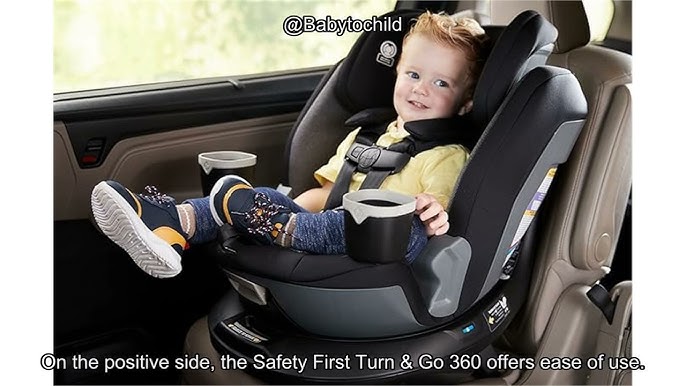
Installing your Safety First Convertible Car Seat might seem tricky, but it doesn’t have to be. You want to keep your child safe every time you hit the road, and the right installation is the first step.
In this guide, you’ll discover simple, clear steps to get your car seat set up correctly and securely. By the end, you’ll feel confident knowing your little one is protected. Keep reading—you’re about to make every drive safer and stress-free.

Credit: safety1st.com
Choosing The Right Car Seat
Choosing the right car seat is the first and most important step to ensure your child’s safety on the road. It’s not just about picking a seat that fits your car but one that suits your child’s unique needs. Understanding the age, weight, and types of convertible car seats can help you make a smarter choice for your family.
Age And Weight Recommendations
Every convertible car seat comes with specific age and weight guidelines. These recommendations are designed to keep your child safe and comfortable.
- Infants:Most seats support rear-facing positions for babies from birth up to around 2 years or 40 pounds.
- Toddlers:Once your child outgrows the rear-facing limit, you can switch to forward-facing mode, typically from 2 years up to 65 pounds.
- Older children:Some convertible seats can be used as boosters until your child reaches 100 pounds or more.
Have you checked your child’s current height and weight recently? These numbers will help you decide when to transition between modes safely.
Types Of Convertible Car Seats
Convertible car seats come in several types, each offering different features and flexibility.
- Rear-Facing Only:Designed strictly for infants and young toddlers. These seats usually have a lower weight limit and are great for newborns.
- Convertible Seats:These can switch from rear-facing to forward-facing, accommodating children from infancy through toddlerhood.
- All-in-One Seats:These versatile seats grow with your child, converting from rear-facing to forward-facing to booster mode.
Think about your lifestyle and how long you want to use the car seat before upgrading. Is convenience or extended use more important to you?
Preparing Your Vehicle
Preparing your vehicle is a crucial step before installing the Safety First Convertible Car Seat. This ensures the seat fits securely and protects your child effectively. Taking time to get the vehicle ready makes the installation easier and safer.
Check your car’s manual for specific instructions about car seat installation. Every vehicle is different, so knowing the exact location and features helps a lot. Clear the back seat of any items that might block or interfere with the seat.
Locating The Latch System
The LATCH system includes anchors and tethers built into your car. These help attach the car seat without using the seat belt. Look between the seat cushions for metal bars or loops.
- Find the lower anchors where the seat back meets the seat bottom.
- Check for a top tether anchor behind the seat or on the rear shelf.
- Use the vehicle manual to confirm exact locations.
Make sure the anchors are clear and easy to access. Removing any covers or objects blocking the anchors is important. The LATCH system gives a strong and stable connection for the car seat.
Using The Seat Belt Method
Some vehicles or seats require using the seat belt for installation. This method works when LATCH is not available or suitable. Start by pulling out the seat belt completely.
- Thread the seat belt through the car seat belt path.
- Buckle the seat belt firmly into the buckle.
- Lock the seat belt by pulling it tight and letting it retract slowly.
- Press down on the car seat while tightening the belt.
The seat belt method ensures a tight fit when done correctly. Double-check that the car seat does not move more than one inch side to side or front to back. This way keeps your child safe and secure during travel.
Installing The Car Seat Rear-facing
Installing your Safety First Convertible Car Seat in the rear-facing position is crucial for your child’s safety during those early years. This orientation offers the best protection for your baby’s head, neck, and spine in a crash. Let’s walk through the key steps to make sure you get it right every time.
Positioning The Seat
Start by placing the car seat in the back seat of your vehicle, ideally in the middle for maximum protection. Make sure the seat base rests flat on the vehicle seat without tilting forward or backward. Check that the seat is away from airbags—these can be dangerous for rear-facing seats.
Securing With Latch
If your car and seat both support LATCH (Lower Anchors and Tethers for Children), use it to secure the seat firmly. Attach the lower anchor connectors to the vehicle’s anchor points and tighten the straps until the seat doesn’t move more than an inch side to side or front to back. Have you ever noticed how a loose car seat can wobble dangerously? Tightening those straps is your best defense.
Securing With Seat Belt
If your car doesn’t have LATCH or you prefer using the seat belt, thread the belt through the rear-facing belt path on the car seat. Buckle it and lock the seat belt by pulling it all the way out and letting it retract, which prevents slack. Press down firmly on the car seat while tightening the belt to minimize any movement.
Adjusting The Recline Angle
Getting the recline angle right is vital to keep your baby’s airway open and ensure comfort. Most Safety First seats have an angle indicator—use this to adjust the seat’s recline until it falls within the recommended range. Think about how your baby sleeps best; too upright can strain their neck, too flat can make breathing harder.

Credit: brendanpierpont.com
Installing The Car Seat Forward-facing
Ensure the car seat is securely placed in the vehicle’s back seat. Attach the seat using the vehicle’s seat belt or lower anchors. Adjust the harness straps to fit snugly over the child’s shoulders. Confirm the seat is in the forward-facing position and check for any movement.
Installing the car seat forward-facing is a critical step for your child’s safety. This position is suitable once your child outgrows the rear-facing limits. Ensure you follow the guidelines for a secure installation.Transition Guidelines
Before switching to forward-facing, check your car seat’s weight and height limits. Most seats have specific guidelines for when this transition should occur. Ensure your child meets these criteria before proceeding.Securing The Seat
Place the car seat in your vehicle’s back seat. Use the seat belt or LATCH system to secure it. The seat should not move more than one inch side-to-side or front-to-back. Press down firmly while tightening the belt to ensure a snug fit.Attaching The Tether Strap
Locate the tether anchor in your vehicle. It’s usually behind the seat. Attach the tether strap from the car seat to this anchor. Pull the strap tight, ensuring there’s no slack. This provides extra stability in case of sudden stops or accidents.Adjusting Harness And Straps
Adjusting the harness and straps on your Safety First Convertible Car Seat is a crucial step to ensure your child’s safety and comfort. Incorrect adjustments can compromise protection during a sudden stop or accident. Let’s focus on how to get the harness height, strap tightness, and chest clip position just right for your little one.
Proper Harness Height
The harness height should match your child’s shoulder level exactly. If your child is rear-facing, the straps must come through the slots at or just below the shoulders. For forward-facing, the straps should be at or just above the shoulders.
Check the user manual for how to adjust the harness height on your specific model. You might need to rethread the straps or use a no-rethread system. Have you noticed your child squirming? Sometimes improper harness height causes discomfort, so it’s worth double-checking.
Tightening The Straps
The harness straps need to be snug but not painfully tight. After buckling, pull the adjustment strap to remove slack until you can’t pinch any excess webbing at the shoulder.
Think about this: loose straps can allow too much movement, increasing injury risk, while overly tight straps can cause discomfort. Find that perfect middle ground by tightening until it’s firm but still comfortable for your child.
Chest Clip Positioning
The chest clip should be positioned at armpit level, right across your child’s chest. This placement keeps the harness straps in the right spot during a crash and prevents them from slipping off the shoulders.
A clip placed too low or too high can reduce the effectiveness of the harness. If you’ve ever struggled with a clip that won’t stay in place, try adjusting it while your child is seated to see what feels secure yet comfortable.
Performing Safety Checks
Performing safety checks after installing the Safety First convertible car seat is crucial. These checks confirm the seat is secure and fits your child properly. Proper safety checks reduce risks and keep your child safe during every trip.
Testing For Tightness
Check the car seat’s tightness by trying to move it side to side and front to back. The seat should not shift more than one inch in any direction. Use your body weight to press down and ensure the seat is firmly attached.
Ensuring Correct Installation Angle
Use the car seat’s built-in level indicator to check the angle. The seat should be reclined according to your child’s age and size. Adjust the angle to prevent the child’s head from falling forward during travel.
Verifying Harness Fit
Place your child in the seat and buckle the harness. The straps should lie flat without twists. Adjust the harness so it fits snugly against your child’s chest and shoulders. You should not be able to pinch extra webbing at the shoulder.
Maintaining Your Car Seat
Keeping your Safety First Convertible Car Seat in top shape is essential for your child’s safety and comfort. Regular maintenance ensures the seat functions correctly and stays clean, which can prevent potential hazards. Let’s look at how you can care for your car seat effectively.
Cleaning Instructions
Start by checking the car seat manual for specific cleaning guidelines. Many covers are machine washable, but always remove the cover carefully to avoid damaging straps or buckles.
Use mild soap and warm water to clean plastic parts and harnesses. Avoid harsh chemicals that could weaken the materials or irritate your child’s skin.
Dry all parts completely before reassembling to prevent mold or mildew. Have you noticed how a clean car seat makes travel more pleasant for your child?
Regular Inspection Tips
Inspect your car seat every few weeks to catch any wear and tear early. Look closely at the harness for frays, the buckles for proper latching, and the shell for cracks or damage.
Check that the seat is securely installed and hasn’t loosened over time. A loose seat can reduce safety significantly—do you test the tightness before every trip?
Keep an eye on expiry dates and recall notices to stay informed about your seat’s condition.
When To Replace The Seat
Car seats don’t last forever. Replace yours if it has been involved in a moderate to severe crash, even if no damage is visible.
Pay attention to the manufacturer’s expiration date, usually printed on the seat. Materials degrade over time, reducing protection.
If straps are frayed, buckles fail, or plastic is cracked beyond repair, it’s time for a new seat. Would you risk your child’s safety to save a few bucks?

Credit: www.youtube.com
Frequently Asked Questions
How Do I Install A Safety First Convertible Car Seat?
Place the car seat in your vehicle’s back seat. Use either the LATCH system or seat belt to secure it tightly. Adjust the harness straps to fit your child snugly. Always follow the manufacturer’s manual for specific installation steps.
When Should I Switch To A Forward-facing Seat?
Switch to forward-facing when your child exceeds the rear-facing height or weight limit. Generally, this is around age 2 or when they outgrow the rear-facing seat. Always check the car seat manual for exact limits.
How Tight Should The Car Seat Straps Be?
Straps should be snug enough that you cannot pinch any slack. They must lie flat without twists. Properly tightened straps ensure maximum safety during travel.
Can I Install The Car Seat Without A Base?
Yes, many convertible car seats can be installed using just the vehicle seat belt. Follow the manufacturer’s instructions carefully to ensure a secure fit without the base.
Conclusion
Installing the Safety First Convertible Car Seat takes time and care. Follow each step slowly and check all parts fit tightly. Make sure the seat does not move more than an inch. Always read the instruction manual before starting. Double-check straps and buckles for safety.
A properly installed seat keeps your child safe on every ride. Practice installing it a few times to feel confident. Safety is the top priority when traveling with children. Keep the car seat clean and inspect it regularly. Your careful work helps protect your child every day.