
Installing your Baby Trend car seat might seem tricky at first, but it doesn’t have to be. You want your little one to be safe and comfortable every time you hit the road.
This guide will walk you through simple, step-by-step instructions to get your car seat set up quickly and correctly. By the end, you’ll feel confident that your child is secure and ready for any trip. Keep reading to learn how to make installation easy and stress-free.

Credit: babytrend.com
Choosing The Right Car Seat
Choosing the right car seat for your baby is a crucial step in ensuring their safety and comfort during every trip. With so many options available, it’s important to understand the differences between types, safety features, and the guidelines that fit your child’s age and weight. Making the right choice can give you peace of mind and protect your little one effectively.
Types Of Baby Trend Car Seats
Baby Trend offers a variety of car seats designed to meet different needs. You can find:
- Infant Car Seats:Ideal for newborns and small babies, these seats usually come with a handle for easy carrying.
- Convertible Car Seats:These grow with your child, switching from rear-facing for infants to forward-facing for toddlers.
- Booster Seats:Designed for older children who have outgrown their forward-facing seats but still need a boost to fit the car’s seat belt properly.
Knowing which type fits your child’s current stage will help you avoid unnecessary purchases and keep your baby secure.
Safety Standards To Consider
Not all car seats are created equal when it comes to safety. Check if the Baby Trend car seat meets or exceeds federal safety standards. Look for labels that confirm compliance with FMVSS 213, the federal motor vehicle safety standard for car seats.
Also, consider features like side-impact protection and energy-absorbing foam. These can make a real difference in an accident. Have you checked the seat’s expiration date? Car seats lose effectiveness over time, so a fresh, certified seat is vital.
Age And Weight Guidelines
Every car seat has specific age and weight limits. Infant seats usually support babies up to 22-35 pounds and are rear-facing only. Convertible seats handle a broader range, often supporting children from 5 to 65 pounds, accommodating rear and forward-facing positions.
Booster seats typically suit kids weighing between 40 and 100 pounds. Using a seat outside its recommended limits can compromise safety. What are your child’s current measurements, and how soon will they outgrow the seat you plan to buy?
Credit: babytrend.com
Preparing For Installation
Preparing for the installation of your Baby Trend car seat is the foundation of a safe and secure setup. Taking time to get ready can save you from frustration and ensure your child’s safety. Let’s look at what you need to do before placing the car seat in your vehicle.
Gathering Required Tools
Most Baby Trend car seats come with everything you need, but having a few tools on hand can make the process smoother. A simple screwdriver or wrench might be necessary depending on your vehicle’s seat anchors.
Check if you need a seat belt locking clip or a LATCH system attachment. Having a flashlight helps when working in dimly lit car interiors. Preparing these tools beforehand avoids unnecessary stops during installation.
Reading The Manual
Reading the car seat manual might seem obvious, but many skip this step. The manual contains crucial details specific to your Baby Trend model and your vehicle.
It explains the best installation method, how to adjust straps, and important safety warnings. Don’t just skim—read carefully to understand every step. Ask yourself: Have I reviewed all safety warnings and installation tips before starting?
Selecting The Installation Location
Choosing the right spot in your car is critical for your child’s protection. The back seat is generally safest, but you need to decide if the middle or side positions work best.
Consider factors like seat belt length, LATCH anchor accessibility, and space for other passengers. If you frequently carry more than one child, think about how the car seat fits with others. Is the location comfortable and secure? This decision affects your child’s safety every time you drive.
Installing With A Seat Belt
Installing a Baby Trend car seat with a seat belt is a reliable and common method. It ensures the car seat stays firmly in place during travel. Proper installation enhances your child’s safety and comfort.
Positioning The Car Seat
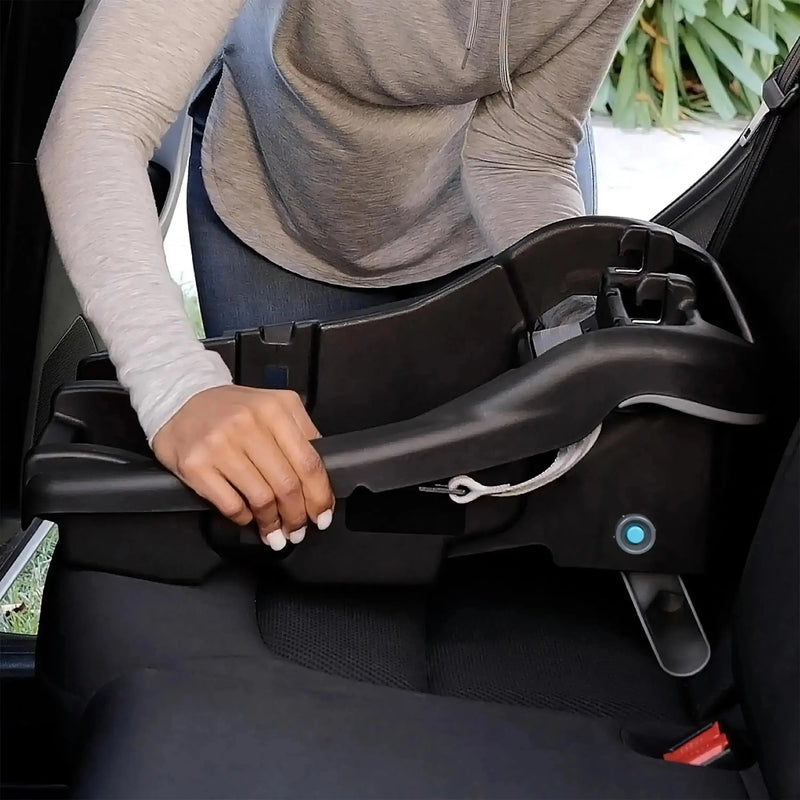
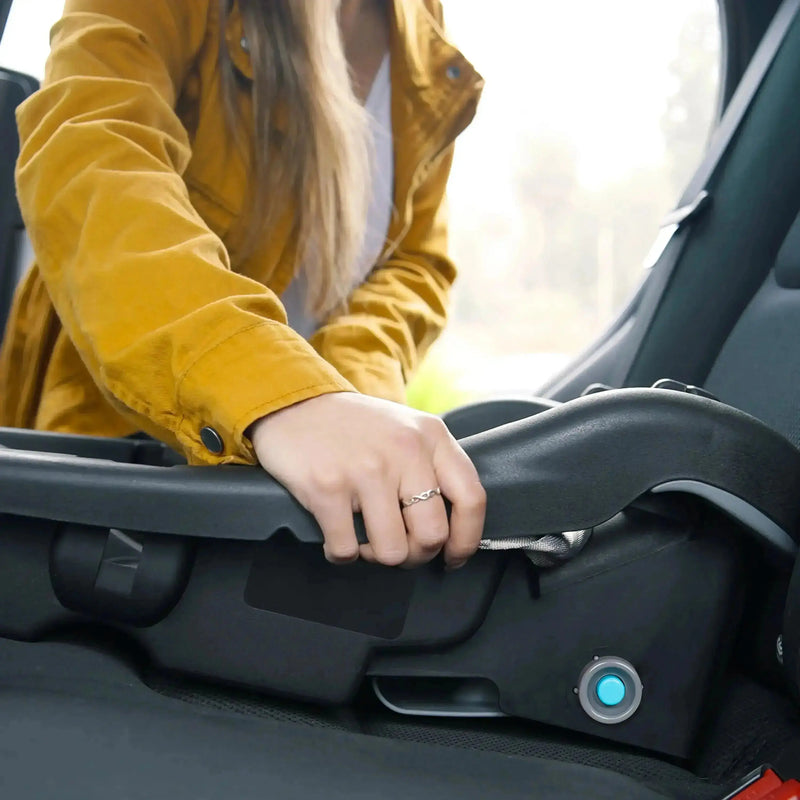
Place the car seat in the back seat of your vehicle. The safest spot is usually the center seat. Align the car seat base flat against the vehicle seat. Make sure the seat faces the correct direction, rear-facing for infants, forward-facing for toddlers.
Routing The Seat Belt
Pull the seat belt out fully to unlock it. Thread the seat belt through the belt path on the car seat. The belt path is clearly marked on the car seat base. Check that the seat belt lies flat without twists or folds.
Securing And Tightening
Buckle the seat belt into the vehicle’s seat belt buckle. Press down firmly on the car seat. Pull the seat belt tight to remove slack. Push and pull the car seat to check for movement. It should not move more than one inch side to side or front to back.
Installing With Latch System
The LATCH system helps secure your Baby Trend car seat safely and easily. It connects the car seat directly to the vehicle’s anchors. This method avoids using the seat belt and provides a more stable fit.
Using the LATCH system is simple. It offers a strong hold and keeps your child secure during travel. Follow these steps to install the Baby Trend car seat correctly with the LATCH system.
Locating Latch Anchors
Look between the seat cushions of your vehicle’s back seat. You will find metal bars or loops there. These are the LATCH anchors. Usually, they are near where the seat back and seat bottom meet.
Some cars mark the anchor spots with a small symbol on the seat. Check your vehicle’s manual for exact locations. Knowing where these anchors are makes installation faster and safer.
Attaching Lower Anchors
Take the car seat’s lower anchor connectors. Attach each connector to the vehicle’s LATCH anchors. Push until you hear a click sound. This means the connectors are locked in place.
Make sure both sides are secure. Tug gently on the connectors to check if they hold firmly. Do not attach the tether strap yet; that comes after tightening the seat.
Adjusting For A Snug Fit
Pull the adjustment strap on the car seat to tighten the fit. The seat should not move more than one inch side to side or front to back. A tight fit keeps your child safe and comfortable.
Push down on the car seat while tightening. This helps remove any slack in the straps. Double-check all connections before placing your child in the seat.
Checking The Installation
Ensuring your Baby Trend car seat is installed correctly is crucial for safety. Check that the seat doesn’t move more than an inch side-to-side or front-to-back. Confirm all straps are tight and properly aligned, and listen for a click to secure the seat base.
Checking the installation of your Baby Trend car seat is vital. Proper installation ensures your child’s safety during every ride. After securing the car seat, it’s essential to verify its stability and alignment.Performing The Wiggle Test
A stable car seat should not move much. To check, grasp the car seat at the base. Attempt to move it side-to-side and front-to-back. The movement should not exceed one inch. This ensures the seat is securely anchored.Ensuring Correct Recline Angle
The recline angle is crucial for your baby’s comfort and safety. Many car seats have an indicator to guide you. Check the level line on the car seat. It should be parallel to the ground. Adjust if necessary to achieve the right angle.Verifying Harness Fit
A snug harness keeps your child secure. Ensure the harness is at or below your child’s shoulders. Buckle the harness and chest clip. The straps should be flat and untwisted. Conduct the pinch test by trying to pinch the strap at your child’s shoulder. If you can pinch any excess strap, tighten it further. This confirms a proper fit.
Credit: babytrend.com
Common Installation Mistakes
Installing a Baby Trend car seat correctly is vital for your baby’s safety. Many parents make common mistakes that reduce protection during a crash. Recognizing these errors helps ensure the seat works as designed. Avoiding these mistakes makes travel safer and more comfortable for your child.
Loose Straps And Belts
Loose straps can cause serious safety issues. Straps must fit snugly against your child’s body. Check that belts are tight but not too tight to cause discomfort. Loose belts may allow too much movement in a crash. Always pull the straps until they lie flat and secure.
Incorrect Seat Position
The car seat must be placed at the right angle and location. Rear-facing seats should recline properly to support the baby’s head. Avoid placing seats where airbags can hit the child. Follow the Baby Trend manual for the best position inside your vehicle. Incorrect positioning can cause injury during sudden stops.
Ignoring Weight Limits
Weight limits are set for your child’s safety. Using the car seat beyond its weight range reduces protection. Check the label for minimum and maximum weight. Change the seat type as your baby grows. Ignoring these limits can lead to improper fit and less safety.
Tips For Safe Travel
Ensuring safe travel with your Baby Trend car seat means more than just installation. Regular care and attention keep your child secure. These tips help maintain safety every trip.
Regularly Inspecting The Seat
Check the car seat often for damage or wear. Look for cracks, loose parts, or missing pieces. Make sure the harness is not frayed or stretched. Tighten all straps and buckles before every ride. Clean the seat with mild soap and water. Avoid harsh chemicals that can weaken materials.
Adjusting As Your Child Grows
Adjust the harness height to fit your child’s shoulders. Change the recline angle as your child grows to keep comfort and safety. Use the car seat’s weight and height limits to know when to switch modes. Ensure the headrest supports the child’s head properly. Keep checking the fit regularly for any needed changes.
Avoiding Aftermarket Accessories
Do not add extra cushions or padding not approved by Baby Trend. Avoid seat covers or toys that were not made for the car seat. These can affect the seat’s safety and fit. Use only accessories provided or recommended by the manufacturer. This keeps the seat working as designed to protect your child.
Frequently Asked Questions
How Do I Install A Baby Trend Car Seat Safely?
To install a Baby Trend car seat safely, first read the manual carefully. Use either the seat belt or LATCH system. Ensure the seat is tightly secured with no more than one inch of movement. Adjust the harness straps snugly around your child.
Can I Install Baby Trend Car Seat Without Latch?
Yes, you can install a Baby Trend car seat using the vehicle’s seat belt. Lock the seat belt tightly and thread it through the car seat belt path. Always check for a secure fit with less than one inch of movement before use.
How Do I Know If Baby Trend Car Seat Is Installed Correctly?
Check if the car seat does not move more than one inch side to side or front to back. The harness straps should fit snugly. The seat should be at the correct recline angle. Refer to the Baby Trend manual for specific installation checks.
When Should I Switch From Rear To Forward-facing Car Seat?
Switch to a forward-facing Baby Trend car seat when your child exceeds the rear-facing height or weight limit. This usually happens around 2 years old, but check your car seat manual for exact limits to ensure safety.
Conclusion
Installing a Baby Trend car seat is simple and safe. Follow the instructions carefully step by step. Check that the seat is tight and secure before each trip. Adjust the straps to fit your child comfortably. Always place the car seat in the back seat for safety.
Regularly review the manual to avoid mistakes. A well-installed car seat protects your child on every ride. Taking time to install it right is worth it. Safety first, always.