
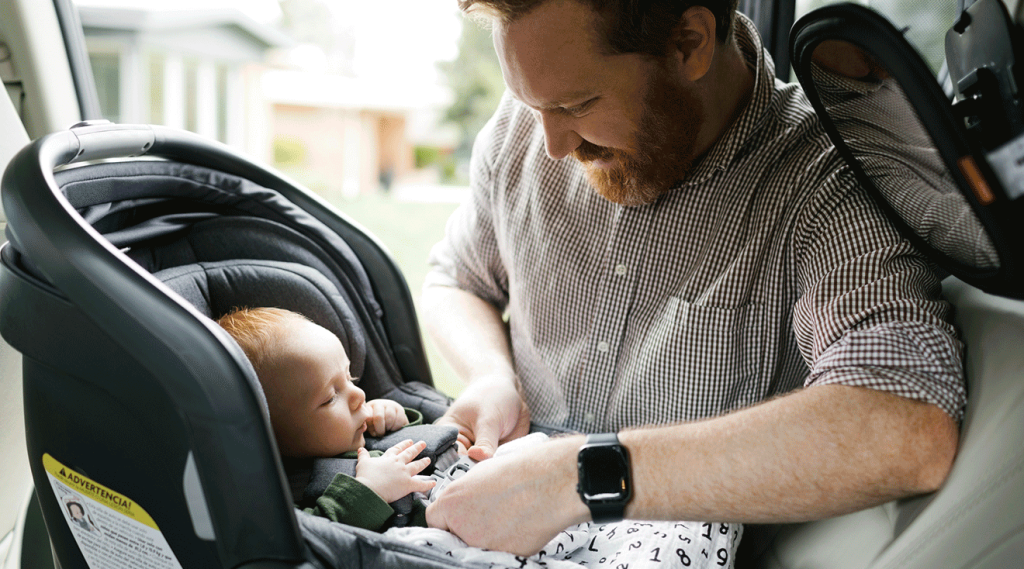
Getting your baby comfortable in a car seat can feel like a challenge. You want every ride to be safe and peaceful, but your little one might fuss or cry the moment you buckle them in.
What if there was a way to make car seat time easier for both of you? You’ll discover simple, effective steps to help your baby get used to their car seat quickly and happily. Keep reading—you’ll soon turn those stressful car rides into smooth, calm moments you both can enjoy.
Choosing The Right Car Seat
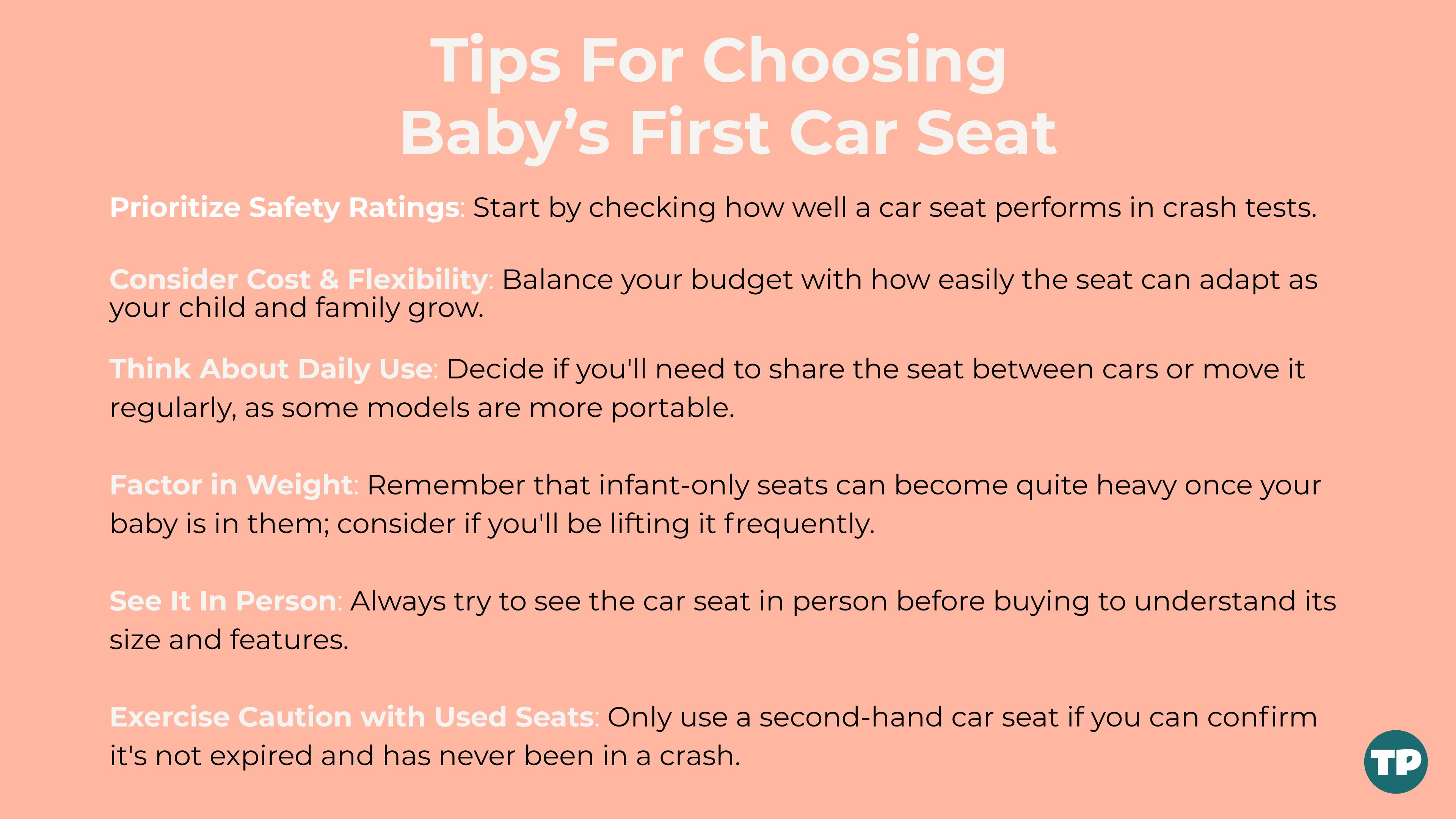
Choosing the right car seat is crucial for your baby’s comfort and safety during every ride. It’s not just about picking the most popular model or the one with the coolest design. The right car seat fits your baby’s size and meets strict safety standards, making every trip secure and stress-free.
Safety Standards To Look For
Always check if the car seat meets or exceeds your country’s safety regulations. Look for certifications like FMVSS 213 in the U.S. or ECE R44/04 in Europe. These labels mean the seat has passed rigorous crash tests and is designed to protect your baby.
Some car seats offer additional safety features such as side-impact protection and energy-absorbing foam. These extras can make a real difference, especially in unexpected situations. Ask yourself: does this seat give me peace of mind every time I buckle up my baby?
Proper Size And Fit For Your Baby
Babies grow quickly, so it’s vital to choose a car seat that fits your child’s current size, not just their age. Check the weight and height limits carefully. A seat too big might not hold your baby securely, while one too small can be uncomfortable and unsafe.
Adjustable harnesses and headrests help the car seat grow with your child, saving you money and hassle. Take your baby to the store if possible; seeing how they fit and feel in the seat can guide your choice better than any online description.
Introducing The Car Seat At Home
Introducing the car seat at home helps your baby feel safe and calm. It makes the car seat familiar before any travel. This step reduces fussiness during car rides. Start slowly and keep the experience positive. Let the baby get used to the seat without pressure.
Making The Car Seat Comfortable
Use soft blankets or a small pillow to make the seat cozy. Make sure the seat is clean and dry. Adjust the straps gently to avoid tightness. Keep the seat at room temperature, not too hot or cold. A comfortable seat invites your baby to relax and enjoy sitting there.
Letting Baby Explore The Seat
Place the car seat on the floor or a stable surface. Allow your baby to touch and play with the seat freely. Sit with your baby near the seat and smile to encourage trust. Try placing toys inside the seat to attract interest. Gradually help your baby sit in the seat for short periods. Praise your baby for calm behavior in the seat.
Creating Positive Associations
Getting your baby comfortable in a car seat isn’t just about safety; it’s about making the seat feel like a safe, happy place. Creating positive associations helps your baby connect the car seat with comfort and fun. This reduces fussiness and makes travel easier for both of you.
Using Toys And Comfort Items
Bring along your baby’s favorite toys or a soft comfort item like a blanket or stuffed animal. These familiar objects can make the car seat feel less strange and more welcoming.
Try attaching a small toy to the car seat strap so your baby can easily reach and play with it. This keeps them entertained and distracted from any discomfort.
Think about what your baby loves—whether it’s a colorful rattle or a plush animal—and keep it close during car rides. Have you noticed how a special toy can calm your baby in other situations? It works just as well in the car seat.
Playing Soothing Music Or Sounds
Soft music or familiar sounds can create a calming environment for your baby in the car seat. This helps reduce anxiety and makes the seat feel like a cozy spot.
Experiment with lullabies, white noise, or gentle nature sounds to see what your baby responds to best. Sometimes, the rhythm of music can distract from the unfamiliar seat and make the ride smoother.
Try playing the same soothing sounds during short car seat sessions at home before hitting the road. This builds a consistent positive experience your baby will recognize and feel comforted by.
Credit: www.todaysparent.com
Gradual Familiarization Process
Introduce the car seat gradually by placing your baby in it for short, calm moments. Let your baby explore and feel comfortable before longer rides. Consistent, gentle exposure helps build positive associations with the seat.
Getting your baby comfortable with a car seat can be a daunting task, especially if they are resistant to change. A gradual familiarization process can make this transition smoother and less stressful for both you and your baby. By slowly introducing your baby to the car seat in a non-threatening way, you can help them adjust at their own pace. This approach is all about patience and consistency, allowing your baby to build trust and comfort over time. Let’s explore some practical ways to ease your baby into accepting their car seat.Short Practice Sessions Indoors
Start by letting your baby explore the car seat indoors, away from the pressure of an actual car ride. Place the car seat in a familiar setting, such as the living room or nursery. Allow your baby to sit in it for short periods while they play or watch their favorite show. Keep these sessions brief, around 5 to 10 minutes, and gradually extend the time as your baby becomes more comfortable. You can even incorporate the car seat into playtime by placing toys or a soft blanket inside. This helps your baby associate the car seat with positive experiences, rather than just car rides. Consider turning this into a routine part of your day. Perhaps after a nap or during playtime, make it a game to sit in the car seat. This will help normalize the experience and reduce anxiety.Taking Short Car Rides Initially
Once your baby seems more at ease with the car seat indoors, it’s time to take short car rides. Begin with trips around the block or to a nearby park. Keep these outings short and sweet, ensuring they end on a positive note. Observe your baby’s reactions during these initial rides. Are they calm, or do they seem restless? Adjust the duration accordingly to keep the experience positive. You might find that timing these rides after a feeding or nap results in a more relaxed baby. A well-fed and rested baby is often more receptive to new experiences. Remember, each baby is unique. What works for one might not work for another. Be attentive to your baby’s cues and adjust your approach as needed. Are you ready to make car rides a more pleasant experience for your baby?Establishing A Pre-ride Routine
Establishing a pre-ride routine can make a huge difference in how your baby reacts to the car seat. A consistent routine helps your little one feel secure and ready for the trip. It also gives you a chance to address your baby’s basic needs, reducing fussiness during the ride.
Feeding And Napping Before Trips
Feeding your baby before a car ride ensures they aren’t hungry, which can quickly turn a peaceful trip into a stressful one. Try to schedule the feeding close to the time you leave, so your baby feels full and content.
Nap time plays an equally important role. A well-rested baby is less likely to resist being buckled into the car seat. If your baby tends to nap at specific times, consider timing your trip around those naps or allowing a short rest before heading out.
Have you noticed how your baby’s mood changes when they’re tired or hungry? Planning feeding and napping before you leave can save you from a lot of frustration.
Calming Techniques To Try
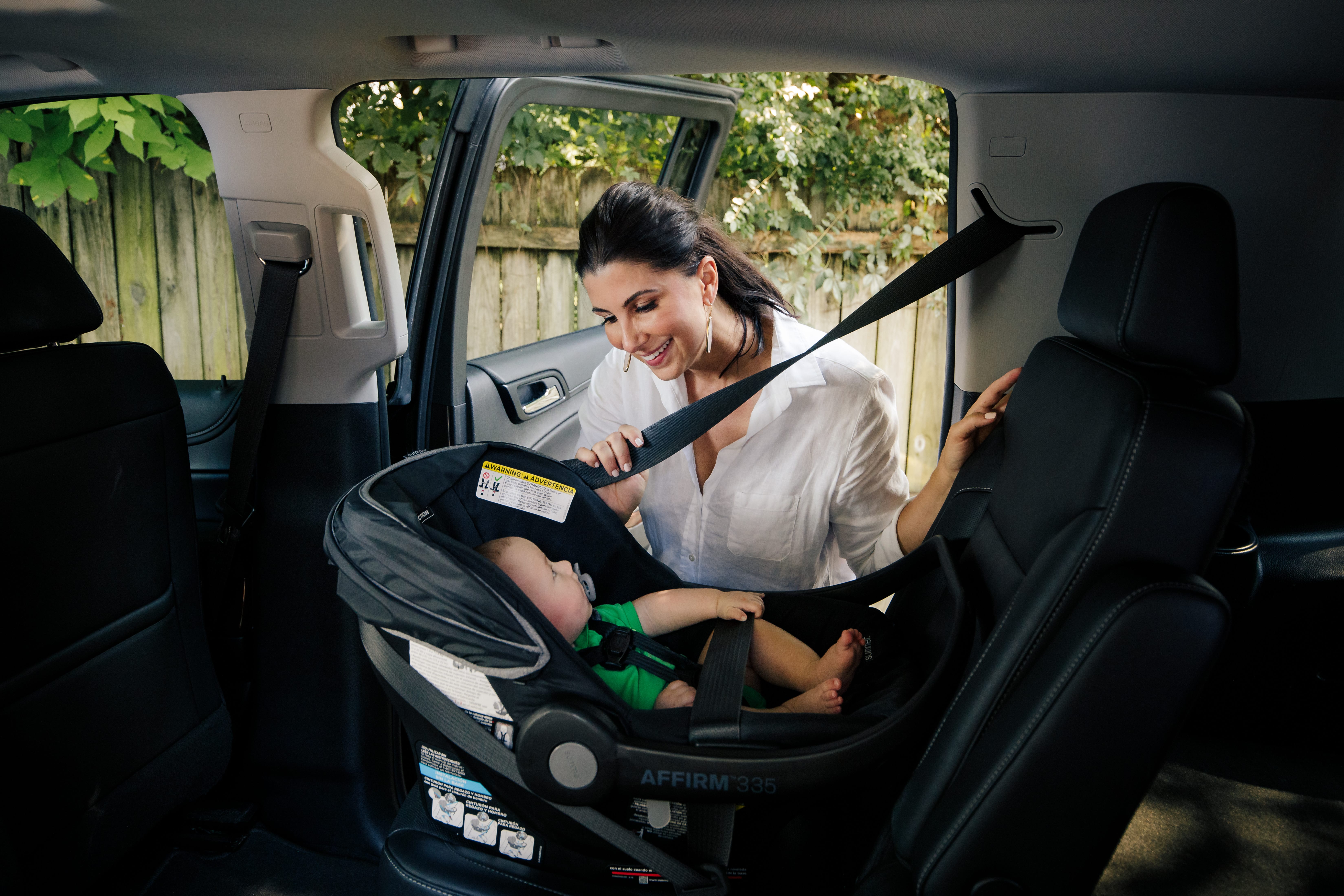
Before placing your baby in the car seat, try calming methods that work for your child. Swaddling, gentle rocking, or soft singing can soothe your baby and create a positive association with car rides.
Using a familiar blanket or a favorite toy in the car seat can also comfort your baby. These small comforts can make the car seat feel like a safe space rather than a restrictive place.
Have you experimented with different calming techniques before a ride? Sometimes, a simple change like a soothing voice or a soft touch can make your baby more willing to stay in the seat.
Credit: www.safeintheseat.com
Handling Common Challenges
Babies may resist the car seat at first, but patience helps them adjust. Try short rides and comfort items to ease fussiness. Consistent use builds familiarity and reduces stress during travel.
Handling a baby’s reluctance to sit in a car seat can be tough. Many parents face challenges. These range from crying to ensuring the seat is properly installed. Addressing these challenges requires patience and the right approach. Here are some strategies to help you and your baby.Dealing With Crying And Fussiness
Babies often cry when placed in a car seat. This can be stressful for parents. Start by making the car seat a familiar place. Let your baby sit in the seat at home. Use toys and soft blankets for comfort. Play calming music to soothe your baby during rides. Take short trips at first. Gradually increase the time as your baby gets used to it. Keep the car cool and ensure the seat is comfortable. Speak softly to reassure your baby. Your calmness can help them feel secure.Ensuring Proper Seat Installation
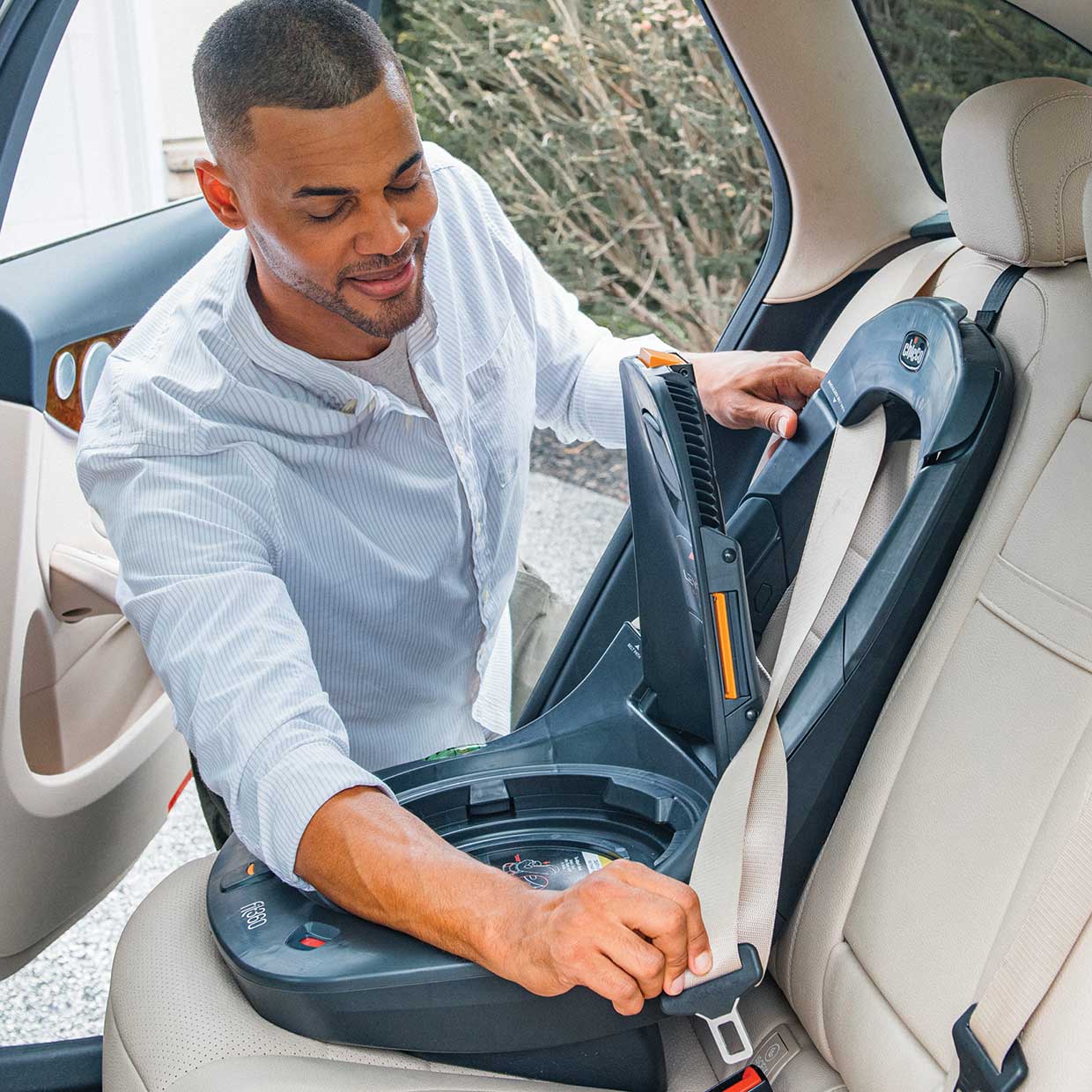
Proper installation is crucial for safety and comfort. Always follow the manufacturer’s instructions. Check that the seat is securely fastened. The seat should not move more than an inch in any direction. Ensure the harness is snug but not too tight. You should fit two fingers between the harness and your baby’s collarbone. Double-check the seat angle. Babies should be semi-reclined for safety. Consult a professional if unsure about installation. Many local fire stations offer free checks. This ensures peace of mind for you and safety for your baby.Maintaining Safety During Rides
Keeping your baby safe during car rides is not just about putting them in the car seat; it’s about how you use the seat every time you buckle up. Ensuring safety means paying close attention to the details that protect your child from harm while making the ride comfortable enough for them to stay calm. Let’s break down key safety habits that will help you keep your baby secure and happy on the road.
Securing Harness Straps Correctly
The harness straps are your baby’s main protection in a car seat. Make sure the straps lie flat without any twists, as twisted straps can reduce effectiveness in a crash.
The straps should be snug enough that you cannot pinch any slack at the shoulders. Think of it like a firm hug that holds your baby securely but doesn’t cause discomfort.
- Position the chest clip at armpit level to keep the straps in the right place.
- Adjust the straps every time your baby grows or wears thicker clothes.
Have you ever checked your harness straps only to find they were too loose without realizing? That small oversight can make a big difference.
Monitoring Baby’s Comfort
Comfort and safety go hand in hand. If your baby feels uncomfortable, they might fuss or try to wriggle free, increasing risk during the ride.
Look for signs like red marks from straps, sweating, or restlessness. These clues tell you when adjustments are needed.
- Use breathable clothing to prevent overheating.
- Add a thin, car-seat-approved cover or padding if extra support is necessary, but avoid bulky blankets or jackets.
Ask yourself: Is your baby calm and relaxed, or showing signs of discomfort that could distract you as a driver? Keeping them comfortable helps both of you focus on the road ahead.
Tips For Long Journeys
Long car journeys can be challenging for babies and parents. Preparing well helps babies stay calm and comfortable in their car seats. Simple tips can make the trip easier for everyone.
Planning Breaks And Feeding Times
Schedule regular stops every 1 to 2 hours to let your baby stretch and relax. Use breaks to change diapers and feed your baby. Feeding before or during breaks helps avoid fussiness in the car seat. Keep feeding supplies handy for quick access. A calm, well-fed baby settles better in the car seat.
Keeping Baby Entertained
Bring soft toys or a favorite blanket to comfort your baby. Use gentle music or lullabies to create a peaceful environment. Talk or sing softly to keep your baby engaged. Rotate toys to hold your baby’s attention. Avoid loud or bright distractions that may cause fussiness.
Credit: www.chiccousa.com
Frequently Asked Questions
How Can I Introduce My Baby To The Car Seat?
Start by placing your baby in the car seat at home for short periods. Use toys or soothing sounds to make it comfortable. Gradually increase the time spent in the seat, helping your baby associate it with a safe, calm environment.
When Should I Start Getting My Baby Used To The Car Seat?
Begin introducing the car seat as soon as you bring your baby home from the hospital. Early exposure helps your baby get familiar and comfortable with the seat, reducing fussiness during car rides.
How Do I Make Car Seat Time Enjoyable For My Baby?
Use soft blankets, favorite toys, or gentle music in the car seat. Positive distractions keep your baby calm and entertained, making the car seat a more pleasant experience.
What If My Baby Cries In The Car Seat?
If your baby cries, pause and comfort them outside the seat first. Try short rides and gradually increase duration. Consistency and patience are key to helping your baby adjust without stress.
Conclusion
Getting your baby used to the car seat takes time and patience. Start with short rides and stay calm. Let your baby explore the seat while at home. Use soft toys or blankets to make it cozy. Praise your baby for sitting calmly.
Remember, every baby is different and learns at their own pace. Keep trying gently and stay consistent. Soon, your baby will feel safe and comfortable in the car seat. Safe travels begin with happy rides.