
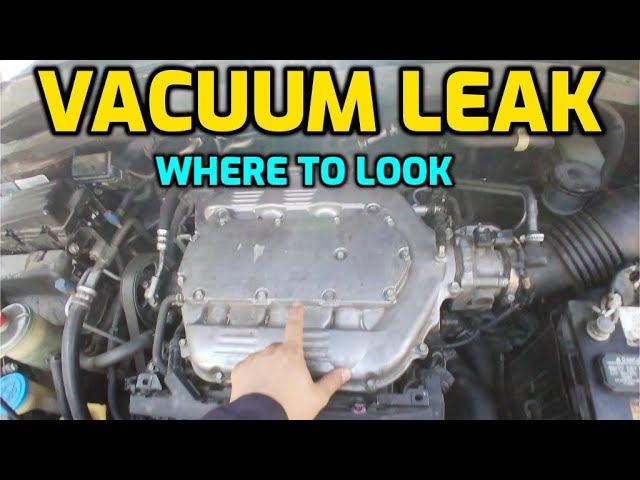
Is your car acting up with rough idling, poor fuel efficiency, or strange engine noises? These could be signs of a vacuum leak.
Finding a vacuum leak in your car might sound tricky, but it’s easier than you think. You’ll discover simple, step-by-step methods to locate those sneaky leaks quickly. By the end, you’ll know exactly how to fix the problem and get your car running smoothly again.
Keep reading to save time, avoid costly repairs, and take control of your vehicle’s health.

Credit: www.youtube.com
Signs Of A Vacuum Leak
Spotting a vacuum leak early can save you from costly repairs and frustrating breakdowns. These leaks disrupt your engine’s air-fuel balance, causing noticeable changes in how your car runs. Recognizing the signs can guide you straight to the problem before it worsens.
Engine Performance Issues
If your car suddenly feels sluggish or struggles to accelerate smoothly, a vacuum leak could be the culprit. You might notice your engine idling roughly or even stalling unexpectedly. Have you ever experienced your car hesitating when you press the gas pedal? That hesitation often points to unmetered air entering the engine through a vacuum leak.
Unusual Noises
Listen closely under the hood. A high-pitched hissing or sucking sound, especially around the intake manifold or vacuum hoses, often signals a leak. These noises can be subtle, but they become louder as the engine revs up. Paying attention to these sounds can help you locate the leak faster than guessing blindly.
Check Engine Light
Your car’s check engine light can be more than just an annoyance—it’s a helpful warning system. A vacuum leak can trigger this light because it affects the engine’s sensor readings. Don’t ignore this signal; use an OBD-II scanner to check for codes related to air-fuel mixture issues or sensor malfunctions that hint at a leak.
Tools Needed
Finding a vacuum leak in a car requires a few essential tools. These tools help you detect leaks quickly and safely. Having the right equipment makes the job easier and more accurate.
Basic Hand Tools
Start with simple hand tools like screwdrivers and pliers. These help remove engine covers and hoses. A flashlight is useful to see in dark engine areas. Wrenches or socket sets may be needed to loosen clamps or bolts.
Smoke Machine
A smoke machine is a powerful tool for finding vacuum leaks. It pumps smoke into the vacuum system. The smoke escapes through any leaks, making them easy to spot. This method is fast and very effective for hidden leaks.
Soapy Water Spray
Soapy water spray is a cheap and simple way to find leaks. Spray it on vacuum lines and connections. Bubbles form where air leaks out. This visual cue helps locate small leaks that are hard to hear or see.
Locating The Leak
Locating a vacuum leak in your car can feel like finding a needle in a haystack. However, with a focused approach, you can pinpoint the problem quickly and save yourself time and money. Understanding where leaks typically occur and how to spot them is key to effective troubleshooting.
Visual Inspection
Start by carefully examining all vacuum hoses and connections under the hood. Look for cracks, splits, or loose clamps that could be causing air to escape.
Pay close attention to areas near the intake manifold, throttle body, and brake booster. Sometimes, a simple loose hose can be the culprit, and spotting this early saves you a lot of frustration.
Using A Smoke Test
A smoke test is one of the most reliable ways to find hidden leaks. By introducing smoke into the vacuum system, you can see exactly where it escapes, making the leak visible to the naked eye.
If you don’t own a smoke machine, many auto shops offer this service. Think about how seeing smoke visibly escaping can immediately tell you where the problem lies—no guesswork needed.
Spraying Soapy Water
Spraying a mixture of soapy water onto suspected areas is a simple and effective technique. When air leaks through, bubbles will form, pointing directly to the leak’s location.
This method works best on hoses and fittings that are accessible and visible. Do you have a spray bottle handy? It’s a quick tool that can save you a trip to the mechanic.
Credit: www.cgsulitstore.com
Common Leak Areas
Finding a vacuum leak in your car can be tricky if you don’t know where to look first. Certain areas tend to develop leaks more often due to wear, heat, or poor installation. Knowing these common spots can save you time and frustration during your inspection.
Vacuum Hoses
Vacuum hoses are the most frequent source of leaks. They carry air between components and can crack or disconnect over time. Check for brittle, cracked, or loose hoses, especially around connections.
Feel along each hose for soft spots or listen closely for hissing sounds when the engine is running. You might be surprised how often a small hose clamp just needs tightening to fix the problem.
Intake Manifold Gasket
The intake manifold gasket seals the manifold to the engine block and can fail due to heat cycles and age. A leaking gasket allows unmetered air into the engine, causing rough idling or poor performance.
Look for signs of oil or coolant leaks near the gasket area. If you notice a sudden drop in engine vacuum or hear a hissing noise near the manifold, this gasket might be the culprit.
Throttle Body
The throttle body controls airflow into the engine and has seals that can wear out. Dirt buildup or damaged seals around the throttle body can create vacuum leaks that are easy to miss.
Inspect the throttle body’s mounting area and the gasket beneath it. Cleaning the throttle body and replacing worn seals often restores proper vacuum pressure and smooth engine operation.
Fixing The Leak
Finding a vacuum leak in a car requires careful inspection of hoses and connections. Listen for hissing sounds and check for cracks or loose parts. Using soapy water can help spot bubbles where air escapes.
Finding a vacuum leak in your car can be daunting, but fixing it doesn’t have to be. Once you’ve pinpointed the leak, the next step is to tackle it head-on. Whether it’s a cracked hose, a worn-out gasket, or a loose connection, addressing these issues can restore your vehicle’s performance. Let’s dive into the practical steps to fix these common culprits.Replacing Damaged Hoses
Damaged hoses are a common source of vacuum leaks. Start by inspecting each hose for cracks or splits. If you find any, replacing them is straightforward. Make sure you have the correct size and type of hose for your vehicle. You can find this information in your car’s manual or by consulting a local auto parts store. Once you have the new hose, simply remove the damaged one and fit the new one in its place, ensuring it’s securely attached at both ends.Sealing Gaskets
Gaskets can wear out over time, leading to leaks. If a gasket is the culprit, you’ll need to seal or replace it. First, remove the part that the gasket is sealing, like the intake manifold. Carefully scrape off the old gasket material and apply a new gasket or use a gasket sealant if a replacement isn’t available. This can prevent further leaks and improve engine efficiency.Tightening Connections
Loose connections can often be the simplest fix. Check all clamps and connectors along the vacuum lines. Use a screwdriver or wrench to tighten any loose clamps. This can immediately solve minor leaks that might be affecting your car’s performance. Regularly checking and maintaining these connections can save you from future headaches. Addressing these issues not only enhances your car’s performance but also prolongs its life. Have you ever fixed a vacuum leak yourself? Share your experience and any tips you might have!
Credit: www.youtube.com
Preventive Tips
Preventing vacuum leaks in your car saves time, money, and hassle. Taking simple, consistent steps can keep your engine running smoothly and avoid unexpected breakdowns. Here are some practical tips to help you stay ahead.
Regular Inspections
Check your vacuum hoses and connections often, especially if you drive in harsh conditions. Look for cracks, brittleness, or loose fittings that can cause leaks. Catching these signs early prevents bigger problems down the road.
Try making it a habit to inspect hoses during oil changes or tire rotations. Have you ever noticed a tiny crack that later caused engine performance issues? Spotting it early can save you from costly repairs.
Using Quality Parts
Cheap replacement hoses may seem like a good deal, but they often wear out faster and cause leaks. Choose parts made from durable materials designed for your car model. Quality parts fit better and last longer.
Think about how your car feels after installing genuine or high-quality parts—you’ll likely notice smoother idling and better fuel efficiency. Don’t let a small saving today turn into a big expense tomorrow.
Proper Maintenance
Keep your engine clean and free of debris, which can damage vacuum components over time. Replace filters regularly and keep an eye on the engine’s overall health. Proper maintenance supports all the parts working together.
Have you ever ignored a simple maintenance task only to face a bigger issue later? Staying on top of routine care helps avoid unexpected vacuum leaks and keeps your car reliable.
Frequently Asked Questions
What Are Common Signs Of A Car Vacuum Leak?
Common signs include rough idle, engine stalling, poor fuel efficiency, and check engine light. You may hear hissing sounds. These symptoms indicate unmetered air entering the engine, disrupting the air-fuel mixture.
How Can I Visually Detect A Vacuum Leak?
Look for cracked, disconnected, or damaged vacuum hoses. Check around the intake manifold and throttle body. Inspect rubber gaskets and seals for wear or gaps. Visual inspection is the first step before using diagnostic tools.
Which Tools Help Find Vacuum Leaks In Cars?
Use a smoke machine, carburetor cleaner, or propane torch. These tools help detect leaks by revealing escaping air or changing engine RPM. A vacuum gauge also measures system pressure to pinpoint leaks.
Can A Vacuum Leak Affect Car Performance?
Yes, a vacuum leak reduces engine efficiency. It causes rough idling, misfires, and poor acceleration. Fuel consumption may increase. Early detection prevents engine damage and costly repairs.
Conclusion
Finding a vacuum leak in your car is not as hard as it seems. Start by checking common spots like hoses and gaskets. Use simple tools like soapy water or a smoke machine to spot leaks. Fixing leaks helps your car run better and saves fuel.
Stay patient and follow the steps carefully. Small leaks can cause big problems if ignored. Take action soon to avoid costly repairs. Keep your car healthy and enjoy smoother rides.