
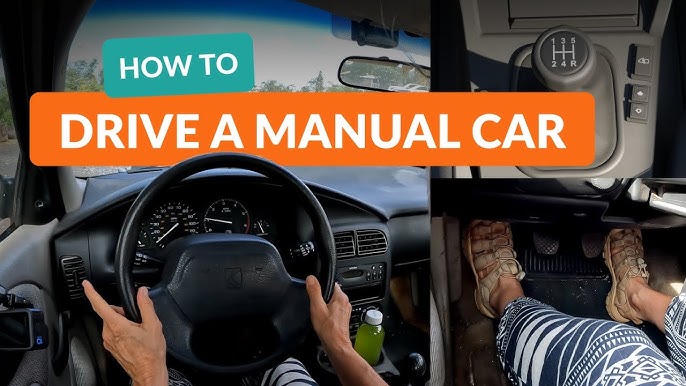
Learning how to drive a manual car can feel tricky at first, but once you get the hang of it, you’ll enjoy full control and a more connected driving experience. Imagine being able to smoothly change gears, avoid stalling, and confidently handle any road.
This guide will walk you through every step, making the process simple and stress-free. Stick with me, and by the end, you’ll know exactly how to drive a manual car like a pro. Ready to take the wheel? Let’s get started!

Credit: www.youtube.com
Basics Of Manual Transmission
Driving a manual car means you control the gears yourself. You use the clutch and gear stick to change speeds.
Understanding how the parts work helps you drive smoothly and safely.
Clutch And Gear Functions
The clutch connects and disconnects the engine from the wheels. Pressing the clutch lets you change gears without damage.
The gear controls how fast or slow the car moves. Lower gears help start and climb hills. Higher gears are for faster driving.
- Press clutch to shift gears
- Release clutch slowly to move smoothly
- Use lower gears for more power
- Use higher gears for speed and fuel saving
Gear Stick Layout
The gear stick shows where each gear is placed. Most cars have a simple pattern to follow.
Usually, first to fifth gears are arranged in an H pattern. Reverse is often to the side or down.
| Gear | Position |
|---|---|
| 1st Gear | Top left |
| 2nd Gear | Bottom left |
| 3rd Gear | Top middle |
| 4th Gear | Bottom middle |
| 5th Gear | Top right |
| Reverse | Bottom right or left (varies) |
Pedal Roles
A manual car has three pedals. Each pedal has a special job to help you drive.
- Clutch Pedal:On the left. Press to change gears.
- Brake Pedal:In the middle. Press to slow or stop.
- Accelerator Pedal:On the right. Press to go faster.
Starting The Car
Starting a manual car needs focus and smooth actions. It is important to understand how the clutch and gear work together.
This guide will help you begin driving by showing the right steps to start the car.
Engaging The Clutch
Press the clutch pedal fully to the floor before starting the car. This disconnects the engine from the wheels and prevents the car from moving.
Keep your foot on the clutch until you are ready to move the car forward.
Selecting First Gear
Move the gear stick into first gear while holding the clutch down. This gear gives enough power to start moving slowly.
- Ensure the gear stick is in neutral before starting the engine.
- Press the clutch fully before shifting to first gear.
- Check the handbrake is engaged to avoid rolling.
- Keep the foot on the clutch until ready to move.
Smooth Release Techniques
Slowly lift your foot off the clutch pedal until you feel the car start to move. This point is called the biting point.
| Action | What to Do |
| Find biting point | Lift clutch slowly until the car slightly moves |
| Apply gas | Press accelerator gently to increase power |
| Fully release clutch | Lift foot off clutch pedal smoothly after moving |
| Balance clutch and gas | Use both pedals carefully to avoid stalling |
Shifting Gears
Driving a manual car means you change gears yourself. Knowing when and how to shift helps the car run smoothly.
Good gear shifting saves fuel and protects the engine. It also makes driving more comfortable and safe.
When To Shift Up
Shift up to a higher gear as the engine speed rises. This helps the car use less fuel and go faster.
Listen to the engine sound or watch the tachometer. Shift up before the engine gets too loud or the RPM is high.
- Shift up around 2,500 to 3,000 RPM for normal driving
- Shift earlier on slippery roads to avoid wheel spin
- Shift up smoothly to prevent jerks
Downshifting Tips
Downshift to a lower gear to slow the car or get more power. This helps when going uphill or braking.
Press the clutch, shift to a lower gear, then release the clutch slowly. Match engine speed to avoid jerks.
- Downshift before climbing hills for steady power
- Use downshifting to help slow the car on steep roads
- Practice smooth clutch release to avoid stalling
Avoiding Gear Grind
Gear grinding happens when gears do not engage smoothly. It can damage the transmission.
Press the clutch fully and shift gently. Do not force the gear stick into place.
- Always press the clutch all the way before shifting
- Shift slowly and avoid rushing the gear change
- Do not rest your hand on the gear stick while driving
Controlling Speed And Stalls
Driving a manual car needs good control of speed and engine stalls. You must learn to use the clutch, brake, and gas pedals well. This helps you avoid stalling and keep the car moving smoothly.
Focus on smooth starts, handling stop-and-go traffic, and recovering from stalls. These skills improve your driving confidence and safety.
Using The Clutch For Smooth Starts
To start smoothly, press the clutch fully before shifting into first gear. Slowly release the clutch while gently pressing the gas pedal. This balance prevents the car from jerking or stalling.
- Press clutch fully before gear change
- Shift to first gear carefully
- Slowly release clutch pedal
- Gradually press gas pedal
- Feel the bite point where the car starts to move
Handling Stop-and-go Traffic
Stop-and-go traffic needs patience and clutch control. Use the clutch to avoid stalling when moving at low speeds. Keep the car steady by balancing the gas and brake pedals.
| Action | What to Do | Why |
| Stopping | Press clutch and brake pedals fully | Prevent engine from stalling |
| Starting again | Slowly release clutch while pressing gas | Move smoothly without jerks |
| Idling | Keep clutch fully pressed if stopped | Keep engine running safely |
Recovering From A Stall
If the car stalls, stay calm. Press the clutch fully and shift to neutral. Restart the engine. Then, press the clutch again, select first gear, and start moving slowly.
Tips to recover from a stall:
- Keep your foot on the brake to stop the car.
- Press the clutch pedal fully to avoid engine load.
- Shift the gear lever to neutral and restart the engine.
- Press the clutch again and shift to first gear.
- Release the clutch slowly while giving gas to move forward.
Hill Starts And Parking
Driving a manual car requires skill, especially on hills and when parking. You need to control the car smoothly to avoid rolling back or stalling.
This guide explains how to start on a hill and park safely using the handbrake, clutch, and gear techniques.
Using The Handbrake
The handbrake helps keep the car still on an incline. It stops the car from rolling back before you move forward.
To use it, pull the handbrake firmly when you stop on a hill. Release it slowly as you press the gas and let the clutch out.
- Pull handbrake to hold the car
- Press the gas pedal lightly
- Release clutch until you feel the bite point
- Slowly lower the handbrake as you move forward
Balancing Clutch And Gas
Balancing the clutch and gas prevents the car from stalling or rolling back. It takes practice to find the right balance.
Press the clutch gently and give a little gas. Let the clutch out slowly until the car starts moving forward.
- Press clutch fully to start
- Add gentle gas to increase engine power
- Slowly release clutch to find the bite point
- Keep gas steady as you fully release clutch
Parking In Gear
Parking in gear keeps your manual car from rolling. Use the correct gear depending on the slope direction.
For uphill parking, use first gear. For downhill, use reverse gear. Always set the handbrake before leaving the car.
- Stop the car fully
- Engage first gear on uphill
- Engage reverse gear on downhill
- Apply handbrake firmly
- Turn wheels towards curb for extra safety

Credit: gartzlube.com
Common Mistakes To Avoid
Driving a manual car can be tricky if you’re new to it. Avoiding common mistakes helps you drive smoothly and safely. Let’s look at some errors to steer clear of.
Riding The Clutch
Riding the clutch happens when you keep your foot on the clutch pedal while driving. It causes wear and tear on the clutch parts.
- Rest your foot away from the pedal when not in use
- Engage the clutch only when changing gears
- Practice releasing the clutch smoothly
Skipping Gears
Skipping gears might seem like a time-saver, but it can stress the engine. It is best to shift through each gear smoothly.
Excessive Revving
Revving the engine too much can lead to higher fuel consumption and potential damage. Keep an eye on the tachometer to stay in the optimal range.
Tips For Mastery
Learning to drive a manual car can be a fun experience. It requires practice and patience. Here are some tips to help you get started.
Focus on developing your skills in a calm environment. These tips will guide you through important routines and help you understand your vehicle better.
Practice Routines
Regular practice helps you become more comfortable with a manual car. Start in a quiet area with little traffic.
- Find a safe, open space to practice.
- Get used to the clutch and gear shift.
- Practice starting and stopping smoothly.
- Learn to shift gears at the right time.
Listening To The Engine
The engine’s sound can tell you when to shift gears. Pay attention to the engine’s noise as you drive.
Listen carefully to the engine’s pitch:
- If it is too high, you may need to shift up.
- If it is too low, consider shifting down.
Staying Calm And Patient
Driving a manual car is a skill that takes time to learn. Stay calm and patient while practicing.
| Situation | Action |
| Stuck in traffic | Use the clutch to manage speed |
| On a hill | Practice the handbrake technique |
| Feeling frustrated | Take a break and try again |

Credit: en.rattibha.com
Frequently Asked Questions
What Are The Basic Steps To Drive A Manual Car?
Start by pressing the clutch and shifting into first gear. Slowly release the clutch while pressing the gas pedal. Practice smooth gear changes and use the clutch to shift up or down as speed varies.
How Do I Avoid Stalling A Manual Car?
Avoid stalling by gradually releasing the clutch and gently pressing the accelerator. Practice balancing both pedals to maintain engine power without abrupt stops. Smooth coordination between clutch and gas pedals is key.
When Should I Use The Clutch While Driving?
Use the clutch when starting, stopping, or changing gears. Press it fully to disengage the engine before shifting. Release it gradually to re-engage the engine smoothly without jerks or stalls.
How Do I Shift Gears Smoothly In A Manual Car?
Press the clutch fully before shifting. Move the gear lever gently to the desired gear. Release the clutch slowly while pressing the gas pedal to match engine speed for a smooth transition.
Conclusion
Driving a manual car takes practice and patience. Start slow, feel the clutch, and listen to the engine. Each step builds your confidence and skill. Soon, shifting gears will feel natural and smooth. Keep practicing in safe places before hitting busy roads.
Enjoy the control and connection that a manual car offers. With time, you will drive with ease and comfort. Remember, every driver was once a beginner too.