

Are you worried someone is tracking your car without your permission? Knowing how to disable a car tracking device can give you back control and peace of mind.
Whether it’s about protecting your privacy or stopping unwanted monitoring, this guide will walk you through simple, effective steps you can take right now. Keep reading to learn exactly what to do and how to keep your movements private.

Credit: www.jammermfg.com
Why Disable Car Tracking Devices
Many car owners choose to disable tracking devices for several important reasons. These small gadgets can track your every move, raising concerns about privacy. Some worry about the risks linked to constant monitoring. Others consider the legal side of using or disabling such devices. Understanding these reasons helps you decide if turning off a car tracker is right for you.
Privacy Concerns
Car tracking devices collect location data continuously. This can feel like an invasion of personal space. Some devices share your movements without your knowledge. Disabling the tracker helps protect your privacy. It stops unwanted monitoring by companies or individuals.
Security Risks
Tracking devices may expose your car to hackers. Cybercriminals can access location data remotely. This can lead to theft or stalking. Disabling the device reduces these security threats. It limits access to sensitive information about your car.
Legal Considerations
Laws about car tracking vary widely by region. Some places require consent before tracking a vehicle. Others restrict who can disable these devices. Understanding your local laws is vital. Disabling a tracker without permission may cause legal problems.
Types Of Car Tracking Devices
Understanding the types of car tracking devices is crucial before you decide to disable one. Each type works differently and requires a unique approach to handle. Knowing what you’re dealing with saves time and prevents damage to your vehicle’s systems.
Gps Trackers
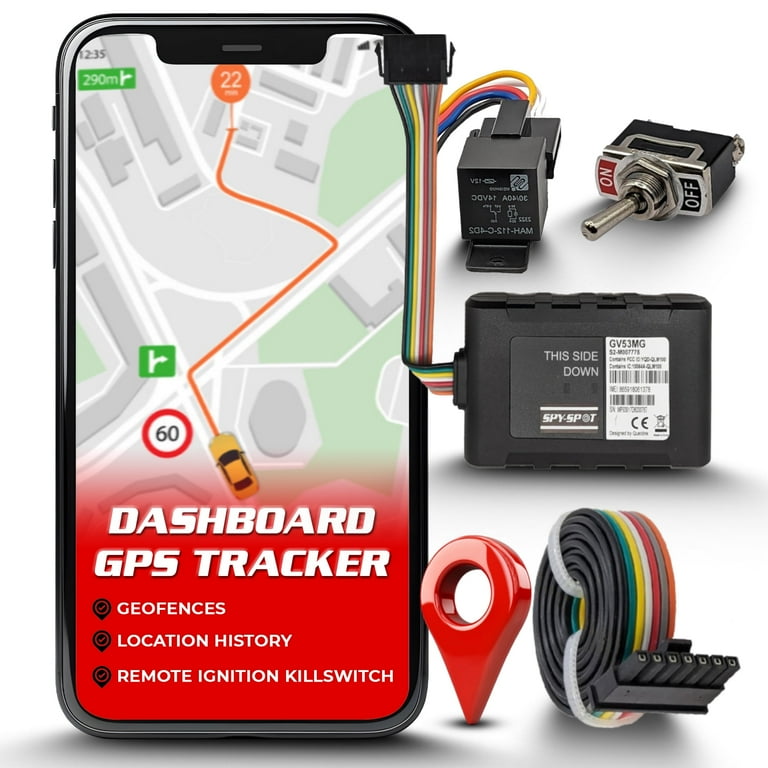
GPS trackers are small devices that use satellite signals to pinpoint your car’s location. They can be hidden almost anywhere on the vehicle, like under the bumper or inside the dashboard.
These trackers often run on batteries or connect to the car’s power supply. Have you ever wondered how someone could track your car without your knowledge? GPS trackers make it surprisingly easy.
Obd-ii Trackers
OBD-II trackers plug directly into your car’s OBD-II port, usually found under the dashboard. They draw power from the car and provide real-time data, including location and engine diagnostics.
This type is quick to install and hard to spot unless you know where to look. If you want to disable this tracker, simply unplugging it from the port will stop it immediately.
Hardwired Trackers
Hardwired trackers are connected directly to your car’s electrical system. They are often installed by professionals and hidden deep within the vehicle’s wiring, making them tough to find.
Disabling these requires careful inspection and sometimes the help of an expert. Have you checked your wiring lately? A hidden hardwired tracker could be silently sending your location without your permission.
Tools Needed To Disable Trackers
Disabling a car tracking device requires specific tools for a successful operation. Understanding which tools are necessary helps streamline the process and ensures you don’t damage your vehicle. Below, we categorize the tools into basic tools and specialized equipment.
Basic Tools
Basic tools are essential for accessing the area where the tracker is installed. These tools are commonly found in most households and garages. Having these tools on hand simplifies the initial steps of disabling the device.
- Screwdriver set: Different sizes are useful for removing panels.
- Pliers: Handy for gripping and pulling wires.
- Flashlight: Helps illuminate dark areas under the dashboard.
- Socket wrench: Useful for loosening bolts and nuts.
- Wire cutters: Necessary for cutting any connected wires.
Specialized Equipment
Sometimes, basic tools aren’t enough to disable a sophisticated tracking device. Specialized equipment can help locate and safely disable hidden trackers. These tools are more advanced and might require specific knowledge or experience.
- RF Detector: Identifies signals emitted by tracking devices.
- Signal Jammer: Temporarily disrupts the tracker’s communication.
- GPS Locator: Pinpoints the exact location of the tracker.
- Circuit Tester: Checks for active electrical connections.
- Insulation Tape: Secures loose wires after removal.

Credit: www.facebook.com
Locating The Tracking Device
Finding a car tracking device hidden in your vehicle can feel like looking for a needle in a haystack. These devices are designed to be small and discreet, so you need a sharp eye and a bit of patience. Knowing where to look and what tools to use can save you a lot of time and frustration.
Common Installation Spots
Trackers are often placed where they blend in with the car’s components. Check under the dashboard near the steering column, as it’s a prime spot that’s easy to access but not obvious. Also, look around the wheel wells and inside the engine bay; these areas offer some cover and power connections for the device.
Don’t forget to inspect under the seats and inside the trunk, especially near the spare tire compartment. Sometimes, trackers are attached magnetically to the metal parts underneath the car. Have you ever checked these hidden corners thoroughly? You might be surprised what you find.
Using Detection Devices
If your eyes alone aren’t enough, consider using electronic detection devices. GPS signal detectors can pick up the radio frequencies that trackers emit. These detectors help you scan your car systematically, highlighting spots with suspicious signals.
Another useful tool is an RF (radio frequency) scanner, which can detect wireless trackers. Be aware that some trackers don’t constantly transmit signals, so scanning multiple times or during different times of day increases your chances of finding them. Using these devices requires some practice, but they significantly boost your success rate in locating hidden trackers.
Step-by-step Disabling Methods
Disabling a car tracking device involves clear and careful steps. Each method targets the device differently but aims to stop its function. Follow the instructions carefully to ensure the device no longer tracks your location.
Disconnecting Power Source
Most car trackers get power from the vehicle’s battery or fuse box. Locate the tracker by checking under the dashboard or near the engine. Use a fuse puller or screwdriver to disconnect the power supply. This action will stop the device from sending signals immediately. Be cautious not to damage other electrical parts.
Removing The Device
Physically removing the tracker ensures it cannot work. Find the device by inspecting common hiding spots like under seats or behind panels. Use basic tools such as pliers or screwdrivers to detach the tracker. Keep the device safe if needed for future use or disposal. Removing the device takes longer but is more reliable than just cutting power.
Using Signal Jammers
Signal jammers block the tracker’s communication with satellites or cellular networks. Purchase a jammer designed for GPS or GSM signals. Turn on the jammer inside the vehicle to disrupt tracking signals. Note that using jammers may be illegal in some regions. Check local laws before using this method to avoid penalties.
Potential Risks Of Disabling Trackers
Disabling a car tracking device might seem like a simple way to enhance your privacy or avoid unwanted monitoring. However, it carries several risks that you need to consider carefully before taking any action. Understanding these potential consequences can help you make a more informed decision and avoid unexpected problems down the road.
Warranty And Insurance Issues
Many car manufacturers and insurance companies require the tracking device to remain active for warranty and coverage purposes. If you disable it, you could void your vehicle’s warranty or lose certain insurance benefits.
Insurance providers often use tracking data to verify claims or monitor safe driving habits. Without this data, they might increase your premiums or deny claims altogether. Have you checked your policy terms to see how disabling a tracker might affect your coverage?
Legal Implications
Disabling a tracking device could lead to legal trouble depending on your location and the device’s ownership. If the tracker was installed by a leasing company or employer, tampering with it might breach contract terms or even local laws.
Before taking any steps, consider who installed the device and why. Could disabling it expose you to fines, penalties, or legal disputes? It’s important to weigh these risks against your privacy concerns.
Vehicle Safety Concerns
Trackers often contribute to your vehicle’s security by enabling theft recovery and emergency assistance. When you disable the device, you lose these safety nets, potentially putting your vehicle at greater risk.
Imagine your car gets stolen or you face an emergency—without an active tracker, locating your vehicle quickly becomes much harder. Is the temporary privacy gain worth compromising your vehicle’s safety?
Alternatives To Disabling Trackers
Disabling a car tracking device isn’t the only way to protect your privacy. Sometimes, working within the system or using built-in features can offer a safer and less risky solution. Let’s look at some practical alternatives that let you keep control without completely shutting down your tracker.
Negotiating With Service Providers
You might be surprised how much you can achieve by simply talking to the company managing your tracking device. Many service providers offer options to limit data collection or pause tracking temporarily.
When I contacted my provider, they allowed me to switch to a “privacy mode” that reduced location updates without disabling the device entirely. It saved me from potential warranty voids or legal issues.
Before making any changes, ask these questions:
- Can I customize the frequency of location updates?
- Is there an option to pause tracking during personal use?
- What privacy protections do you offer for my data?
Being clear about your privacy needs can lead to solutions you didn’t expect. Why not try negotiating instead of immediately disabling the device?
Using Privacy Mode Features
Many modern car trackers come with built-in privacy settings designed to give users more control. These features can limit data sharing or allow temporary “invisible” modes.
For example, some devices let you activate a privacy mode through a mobile app, which stops sending location data without turning off the device completely.
This approach keeps your car’s warranty intact and avoids triggering alarms linked to tampering. Have you checked if your tracker has a privacy mode yet?
To use privacy mode effectively:
- Review the user manual or app settings for privacy options.
- Set up alerts to notify you when privacy mode is active or inactive.
- Understand how privacy mode affects other features, like theft recovery.
Using these features can strike a balance between safety and privacy, making your driving experience more comfortable.
Maintaining Privacy After Disabling
Disabling a car tracking device is just the first step to protect your privacy. Staying secure means taking ongoing actions. Regular attention keeps your vehicle and personal data safe. Privacy is not a one-time effort but a continuous process.
Regular Device Checks
Inspect your car regularly for any signs of new tracking devices. Hidden gadgets can be placed anywhere, including under the chassis or inside the cabin. Use a small flashlight and mirror to look into hard-to-see spots. Check for unusual wires or small boxes that seem out of place. Staying alert helps catch any unwanted surveillance quickly.
Software Updates
Keep your vehicle’s software up to date. Modern cars have systems that may connect to tracking services. Updates fix bugs and improve security features. Check your car’s manual or visit authorized service centers for updates. Updated software reduces the chance of remote tracking through digital means.
Physical Security Measures
Protect your vehicle with locks and alarms. Use steering wheel locks or immobilizers to prevent tampering. Park in well-lit, secure areas to deter unauthorized access. Consider installing a privacy screen on your dashboard to block GPS signals. These steps add layers of protection beyond disabling tracking devices.
Credit: www.walmart.com
Frequently Asked Questions
How Can I Identify A Car Tracking Device?
Look for small boxes or wires under the dashboard or near the car’s battery. Use a tracking device detector to scan for signals. Also, check for unfamiliar devices attached to your vehicle’s frame or wiring harness.
Is It Legal To Disable A Car Tracking Device?
Disabling a tracking device is legal if you own the car. However, it is illegal if the device is installed by a lender or employer. Always check local laws before disabling any tracking device.
What Tools Do I Need To Disable A Tracking Device?
You typically need screwdrivers, pliers, and a wiring tester. A GPS jammer can block signals but may be illegal. Use tools carefully to avoid damaging your vehicle’s electronics.
Can I Disable A Tracking Device Without Professional Help?
Yes, if you locate the device, you can disconnect its power source or cut its wires. However, professional help ensures you avoid damage and legal issues. Always be cautious when handling electrical components.
Conclusion
Disabling a car tracking device takes careful steps and attention. Always check your vehicle for unusual gadgets or wires. Use the right tools and follow safety tips to avoid damage. Remember, some tracking devices may be hidden well. Stay aware of local laws before removing any device.
Taking control of your privacy starts with understanding how tracking works. Stay safe and protect your personal space on the road.