

Have you ever felt like someone might be watching your every move? What if there’s a tracking device quietly attached to your car right now, following where you go without you even knowing?
It’s a scary thought, but the good news is you can find out if your car is being tracked—and take action. You’ll learn simple and effective ways to detect hidden trackers on your vehicle. Stay with me, because the peace of mind you’ll gain is worth every second.
Signs Of A Tracking Device
Tracking devices on cars can be hidden well, but they leave signs. Spotting these signs early helps protect your privacy and safety. Knowing what to watch for makes detection easier.
Unusual Objects On Your Vehicle
Small boxes, magnets, or wires stuck under your car can be tracking devices. Check wheel wells, bumpers, and undercarriage carefully. Look for anything that seems out of place or new.
Tracking devices often attach with magnets or tape. They can blend in with dirt or parts but feel different to touch. Carry a flashlight and inspect your car regularly.
Unexpected Battery Drain
A hidden tracker uses your car’s battery power. Notice if the battery drains faster than usual. This could mean a device is drawing power without your knowledge.
Watch for dimming lights or slow-starting engine. These signs may show your battery is weaker than before. Test your battery often to catch unusual drops early.
Interference With Electronics
Tracking devices can cause interference with your car’s electronics. Radios, GPS, or key fobs may act strange or lose signal. This happens because the tracker sends or receives signals nearby.
Listen for static in the radio or delays in keyless entry. These issues might point to a hidden device affecting your car’s systems. Keep an eye on these electronic changes.

Credit: qcotrack.com
Common Types Of Tracking Devices
Tracking devices come in several types, each with unique features and ways to detect them. Knowing the common types can help you spot unusual signs on your car faster. Let’s look at the main tracking devices you should be aware of.
Gps Trackers
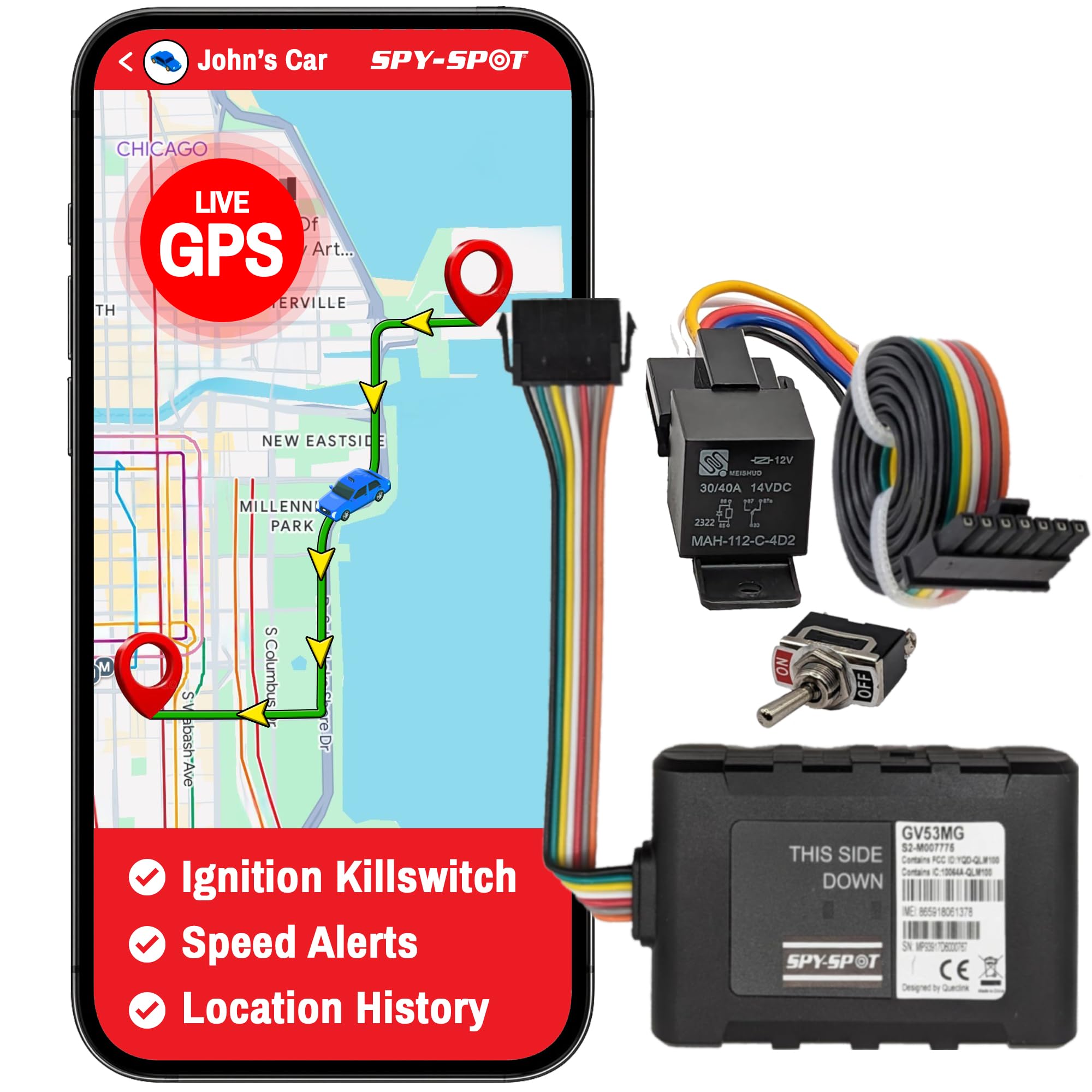
GPS trackers are the most well-known type. They use satellites to pinpoint your car’s exact location in real time. These devices are often small and hidden under the vehicle’s chassis, inside bumpers, or near the engine bay.
Because they rely on power sources, some GPS trackers connect to your car’s battery, making them harder to detect by just looking. Have you noticed any unfamiliar wires or bulky parts near the battery or under the dashboard? That’s a good place to check.
Radio Frequency Trackers
Radio Frequency (RF) trackers work differently. Instead of satellites, they transmit signals to a nearby receiver, usually within a few miles. They don’t need constant power from your car and often run on batteries.
Detecting RF trackers requires a special scanner that can pick up their radio signals. You might not spot these devices visually, but if you suspect someone is tracking you, using an RF detector device can help locate hidden trackers around your vehicle.
Bluetooth Trackers
Bluetooth trackers are smaller and designed for close-range tracking. These devices connect to smartphones or other Bluetooth-enabled devices within about 100 feet. They’re often used for personal items but can be placed on cars too.
Since their range is limited, Bluetooth trackers are usually found inside the vehicle rather than outside. If you feel like your car is being monitored nearby, try scanning for unknown Bluetooth devices with your phone. This simple step might reveal unexpected trackers.
Manual Inspection Techniques
Carefully check under your car, around wheel wells, and inside the bumper for unusual devices. Use a flashlight to spot small boxes or wires hidden in tight spaces. Feeling for bumps or loose parts on the vehicle’s exterior can also reveal hidden trackers.
Detecting a tracking device on your car may seem daunting, but manual inspection techniques can be your best ally in the process. Taking the time to thoroughly check your vehicle is crucial. Imagine the peace of mind you’ll gain by ensuring your car is secure from unwanted surveillance.Checking Undercarriage And Wheel Wells
Start with the undercarriage, where devices can be discreetly hidden. Use a flashlight to illuminate the nooks and crannies. Pay attention to any unfamiliar objects or wires attached to the chassis. A quick glance might not suffice. Get your hands involved and feel around the wheel wells. Sometimes small devices are tucked away in these spots. Is there something that feels out of place or looks new? Trust your instincts.Inspecting The Interior And Glove Compartment
Don’t overlook the interior. Open your glove compartment and examine its contents. A tracking device could be cleverly hidden amongst your belongings. Remember that even seemingly insignificant changes can be tell-tale signs. Check under seats and in all storage areas. Feel around for anything unusual. Have you noticed any wires or gadgets that weren’t there before? Your car’s interior should be as familiar as your living room.Examining The Engine Bay And Bumpers
The engine bay is another prime location for hidden devices. Pop the hood and take a thorough look. Are there wires that don’t seem to belong or gadgets attached to the engine parts? This area might be challenging, but it’s worth the effort. Finally, scrutinize your car’s bumpers. These spots are often overlooked but can house tracking devices. Look and feel for anything that doesn’t blend in with the design. Isn’t it reassuring to know you’ve checked every possible hiding spot?
Credit: www.youtube.com
Using Technology To Find Trackers
Technology offers powerful tools to detect hidden tracking devices on your car. These devices often emit signals or leave digital footprints that you can identify with the right gadgets or apps. Using technology can save you time and give you peace of mind, especially if you suspect someone is monitoring your vehicle without permission.
Rf Signal Detectors
RF (Radio Frequency) signal detectors can find wireless trackers by scanning for unusual radio signals around your car. These handheld devices pick up signals from GPS trackers, Bluetooth devices, and other transmitters that operate on radio frequencies. You simply walk around your vehicle with the detector, and it alerts you when it senses a hidden device emitting signals.
Some RF detectors display signal strength, helping you zero in on the exact location of the tracker. If you’ve ever felt like someone is following you, this tool can be a game-changer. Would you be surprised to learn that some inexpensive models are effective enough for everyday use?
Mobile Apps For Tracker Detection
Many mobile apps now claim to help detect trackers by scanning for Bluetooth and other wireless signals. These apps work best with Bluetooth trackers like Tile or AirTag, which communicate openly with nearby devices. They can notify you if an unfamiliar device is moving with you, suggesting a potential tracker.
While apps can’t detect all types of trackers, they’re convenient for quick checks and ongoing monitoring. Have you ever installed an app just to find out it actually alerted you to something suspicious nearby? It’s simple, but it could save you from a lot of trouble.
Professional Scanning Services
If you want thorough assurance, professional scanning services offer in-depth sweeps for tracking devices. Experts use advanced equipment that can detect even the most sophisticated trackers hidden inside your car’s body or electronics. They can also check for bugs that transmit audio or data without your knowledge.
Though this option costs more, it’s worth considering if you feel seriously threatened or if you want expert advice on removing any trackers found. Would you trust a professional to handle something this sensitive, or prefer to do it yourself with technology at hand?
Preventive Measures For Car Safety
Keeping your car free from tracking devices starts with a mindset focused on prevention. Taking proactive steps can make it much harder for anyone to secretly place a device on your vehicle. These measures not only protect your privacy but also give you peace of mind every time you get behind the wheel.
Regular Vehicle Inspections
Make it a habit to check your car thoroughly, especially after parking in unfamiliar or public places. Look under the chassis, inside wheel wells, and around bumpers where trackers are often hidden. Use a flashlight and even a small mirror to inspect hard-to-see spots.
You might be surprised how quickly a quick visual check can catch something unusual. Don’t forget to inspect the interior too—under seats and inside glove compartments are common hiding spots. How often do you really examine your car for hidden devices?
Securing Your Parking Area
Park your car in well-lit, secure locations as much as possible. If you have a garage, use it—this cuts down the risk of someone tampering with your vehicle overnight. Installing security cameras or motion sensors near your parking spot adds an extra layer of protection.
Even simple steps like choosing a spot near a busy entrance can deter potential trackers. Think about where you leave your car daily—does the area invite unwanted attention? Taking control of your parking environment can make a big difference.
Limiting Sharing Of Vehicle Information
Be cautious about who you tell details about your car, such as where you park or your daily routes. Sharing this information on social media or with acquaintances you don’t fully trust can increase your risk. Even casual comments can provide clues to someone looking to track you.
Consider how often you share photos or posts showing your car’s location. Could these details be pieced together to reveal your patterns? Keeping your vehicle’s information private is a simple but powerful step in maintaining your safety.
Actions To Take If A Tracker Is Found
Discovering a tracking device on your car can be unsettling. Knowing exactly what to do next helps you regain control and protect your privacy. Taking clear and immediate actions can prevent further unwanted surveillance and potential harm.
Documenting The Device
Start by taking clear photos of the tracking device from multiple angles. Capture its size, shape, and any serial numbers or markings. Note the exact location where you found it on your vehicle.
Write down the date and time of discovery. This information can be crucial later if you need to report the incident. Keep a detailed record of everything related to the device and your findings.
Contacting Authorities
Report the discovery to your local police department as soon as possible. Provide them with your documentation and photos. Explain why you believe the device was placed on your car and any suspicious activity you have noticed.
Ask if they can investigate or offer advice on how to proceed. Remember, handling the device yourself might destroy important evidence, so wait for their instructions before removing it.
Seeking Professional Help
Consider hiring a professional to sweep your car for additional trackers. Experts use specialized equipment to detect hidden devices you might miss. This step adds an extra layer of security and peace of mind.
Professionals can also safely remove the device without damaging your vehicle or compromising evidence. Have you thought about how a professional inspection might reveal threats you never expected?
Credit: www.amazon.com
Frequently Asked Questions
How Can I Find A Tracking Device On My Car?
Check under the vehicle, inside wheel wells, and beneath bumpers. Use a flashlight and mirror to spot unusual devices or wires. Also, inspect the interior compartments and glove box for hidden trackers.
What Tools Help Detect Car Tracking Devices?
Use a GPS detector or radio frequency (RF) scanner to locate active tracking devices. These tools pick up signals emitted by trackers, making hidden devices easier to find.
Can I Detect A Tracking Device Without Professional Help?
Yes, by visually inspecting your car and using basic RF detectors. Pay attention to unfamiliar gadgets or wires. Regular checks improve your chances of spotting trackers early.
How Do Tracking Devices Attach To Cars?
Trackers often use magnets to stick under the vehicle or are hidden inside parts. They can be concealed in wheel wells, bumpers, or inside the cabin to avoid detection.
Conclusion
Detecting a tracking device on your car helps protect your privacy. Regular checks keep you safe and aware. Use simple tools like magnets and flashlights to search. Trust your instincts if something feels off. Staying alert can stop unwanted tracking early.
Remember, small steps make a big difference. Keep your car secure and your mind at ease. Taking action today prevents problems tomorrow. Stay safe on the road and in your life.