

Your car’s cloth upholstery can look fresh and inviting, but only if it’s clean. Dirty seats not only make your ride uncomfortable but can also hide stains and odors that bother you every time you get in.
If you want to know how to clean car cloth upholstery quickly and effectively, you’re in the right place. In this guide, you’ll discover simple steps that anyone can follow to bring back that like-new feel. Ready to see your car’s interior transform?
Let’s dive in and make your seats shine again!

Credit: www.youtube.com
Preparing Your Car For Cleaning
Preparing your car before cleaning cloth upholstery sets the stage for a more effective and satisfying result. Taking time to organize and clear out the space helps you avoid spreading dirt or missing spots during the cleaning process. It also protects your car’s interior and makes the entire task smoother.
Gathering Necessary Supplies
Start by collecting all the cleaning tools you’ll need. Having everything ready keeps you focused and prevents interruptions. You will typically need:
- Vacuum cleaner with upholstery attachment
- Soft-bristle brush or microfiber cloths
- Mild fabric cleaner or a mixture of water and gentle soap
- Spray bottle for easy application
- Clean towels for blotting and drying
Think about your car’s specific fabric type and stains. Do you need special cleaners for stubborn spots? Choosing the right products upfront can save you from trial and error later.
Vacuuming Loose Dirt And Debris
Before applying any liquids, thoroughly vacuum the seats and floor mats. This step removes loose dirt, crumbs, and pet hair that could turn into mud when wet. Use the upholstery attachment to reach tight corners and seams.
Don’t rush this part. Imagine cleaning a stained cloth at home—you wouldn’t want to scrub dirt deeper into the fabric. Taking your time here prevents damage and ensures better absorption of your cleaning solution.
Have you noticed how much debris accumulates in your car over time? It’s surprising until you see the amount pulled out during vacuuming. This simple step can dramatically improve the freshness of your upholstery before you even start scrubbing.

Credit: www.carsales.com.au
Choosing The Right Cleaning Solution
Choosing the right cleaning solution is crucial for maintaining your car’s cloth upholstery. The wrong product can cause stains to set or damage the fabric’s texture. Understanding your options and how to test them first will save you time and frustration.
Homemade Vs Commercial Cleaners
Do you prefer natural ingredients or ready-made products? Homemade cleaners often use simple ingredients like vinegar, baking soda, or mild soap. These can be gentle on fabric and cost-effective.
Commercial cleaners are specifically designed for car upholstery and may contain enzymes or other agents to break down tough stains. However, some formulas can be harsh and strip color or texture if not chosen carefully.
Think about your priorities: Are you looking for an eco-friendly option or a fast-acting stain remover? Testing a small area first helps you decide which cleaner suits your upholstery best.
Spot Testing Before Use
Always test your chosen cleaner on a hidden spot of the fabric. This simple step can prevent unexpected damage or discoloration.
Apply a small amount and wait 10-15 minutes. Check for any changes in color, texture, or fabric strength. If the area looks unchanged, you can proceed with confidence.
Have you ever skipped this step and regretted it? Spot testing is a quick way to protect your car’s interior from costly mistakes.
Step-by-step Cleaning Process
Cleaning your car’s cloth upholstery might seem tricky, but breaking it down into clear steps makes it manageable. Each stage focuses on treating the fabric gently yet effectively. Are you ready to bring fresh life back to your car’s interior?
Applying Cleaner To Upholstery
Start with choosing a cleaner designed for cloth upholstery. Spray or apply it lightly, ensuring the fabric is damp but not soaked. Too much liquid can lead to mold or unpleasant odors later.
Work in small sections to maintain control and avoid overwetting. If you notice the cleaner isn’t lifting stains right away, don’t rush to add more—sometimes it just needs a moment to work.
Scrubbing Stains Gently
Focus on stubborn spots by scrubbing gently with your fingers or a soft cloth. Aggressive scrubbing can damage the fabric, so patience pays off here.
Think about a time you scrubbed too hard and made a stain worse—this gentle approach helps prevent that. Use circular motions to loosen dirt without tearing the fibers.
Using A Soft Brush Or Cloth
A soft brush or microfiber cloth helps lift dirt from deep within the fabric weave. Use light pressure and consistent strokes to avoid pushing grime further inside.
Microfiber cloths are especially handy because they trap dirt instead of spreading it around. Have you noticed how some brushes can be too harsh? Stick to the soft ones for a safe clean.
Removing Excess Moisture
After cleaning, blot the upholstery with a dry towel to soak up extra moisture. Avoid rubbing, which can re-distribute dirt or damage the fabric.
Leaving your car doors open for a while helps air-dry the upholstery faster. This step prevents damp smells and keeps your car fresh longer. How often do you check for damp spots after cleaning?
Drying And Maintaining Upholstery
Drying and maintaining your car’s cloth upholstery is just as important as cleaning it. Proper drying prevents mold and unpleasant odors, while consistent care keeps your interior looking fresh and inviting. Neglecting these steps can undo all your hard work and shorten the life of your upholstery.
Air Drying Tips
After cleaning, avoid using direct heat sources like hair dryers or heaters to dry your upholstery. Instead, open your car doors or windows to let fresh air circulate naturally. If possible, park your car in a shaded area with good airflow to speed up drying without damaging the fabric.
Keep in mind that damp upholstery can attract dust and dirt quickly, so check it regularly during drying. Do you notice any lingering wet spots? Use a clean towel to gently blot these areas—don’t rub, as this can harm the fibers.
Preventing Future Stains
Think about what usually causes stains in your car. Is it coffee spills, food crumbs, or muddy shoes? Identifying the main culprits helps you take targeted steps to protect your upholstery.
- Use fabric protectors designed for cloth upholstery to create a barrier against spills.
- Keep a small cleaning kit in your car for quick spot cleaning before stains set.
- Encourage passengers to avoid eating or drinking in the car, or use seat covers during trips involving kids or pets.
These small actions reduce the need for deep cleaning and keep your upholstery looking new longer.
Regular Maintenance Routine
Setting a simple, regular cleaning routine saves you time and effort in the long run. Vacuum your upholstery weekly to remove dust and debris that can wear down the fabric.
Every few months, perform a light cleaning with a mild upholstery cleaner to refresh the fabric. Have you ever waited too long and found stains impossible to remove? Staying consistent prevents this frustration.
Don’t forget to check for loose threads or tears. Repairing small damage early stops it from getting worse and keeps your car interior comfortable and attractive.
Dealing With Tough Stains
Tough stains on car cloth upholstery need quick attention to prevent setting. Blot the stain gently and use a mild cleaner for best results. Avoid soaking the fabric to keep it fresh and dry.
Dealing with tough stains on your car’s cloth upholstery can feel like a daunting task. Yet, with the right approach, even the most stubborn spots can be tackled effectively. Whether it’s oil, ink, or mold, understanding the specific needs of each stain type is crucial. Let’s break down some practical steps you can take to restore your car’s interior to its former glory.Treating Oil And Grease Spots
Oil and grease are notorious for their persistence, but they’re not invincible. Begin by blotting the stain with a paper towel to absorb as much oil as possible without rubbing it further into the fabric. Next, sprinkle a generous amount of baking soda over the area and let it sit for about 15 minutes. This helps in drawing out the oil from the fibers. Vacuum the baking soda and check if the stain persists. If needed, mix a solution of warm water and mild dish soap. Use a soft cloth to gently dab the stained area, working from the outside in. Rinse with a clean damp cloth and pat dry.Removing Ink And Dye
Ink stains can be a real eyesore, but they don’t have to be permanent. Rubbing alcohol is your best friend for these types of stains. Dampen a cotton ball with rubbing alcohol and gently dab the ink stain. Make sure to use a blotting motion to prevent spreading the ink. Let the alcohol sit for a few minutes, then blot the area with a clean cloth. You might need to repeat this process a couple of times for best results. Always remember to perform a spot test on an inconspicuous area of the fabric to avoid any unwanted damage.Handling Mold And Mildew
Mold and mildew not only look and smell bad, but they can also pose health risks. Start by ensuring your car is in a dry, ventilated area. Mix equal parts of white vinegar and water in a spray bottle. Spray the solution directly onto the mold or mildew spots and let it sit for at least 15 minutes to kill the spores. Afterwards, scrub the area with a soft brush, then wipe down with a damp cloth to remove any residue. Allow the upholstery to dry completely, preferably in sunlight, to prevent the mold from returning. Are you consistent in cleaning your car’s upholstery, or do you find yourself dealing with these tough stains often?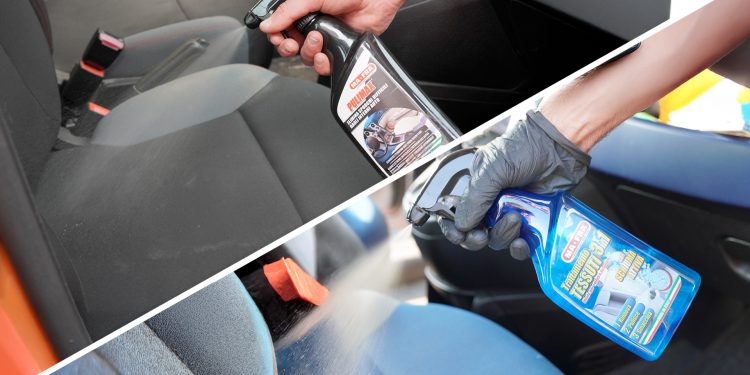
Credit: mafra.it
Frequently Asked Questions
How Do I Remove Stains From Car Cloth Upholstery?
Use a fabric cleaner or mild detergent mixed with water. Apply gently with a soft brush. Blot stains carefully and avoid soaking the fabric to prevent damage.
What’s The Best Way To Deep Clean Cloth Car Seats?
Vacuum seats thoroughly first. Then, use upholstery shampoo or a steam cleaner. Allow seats to dry completely before using the car to avoid mold.
Can I Use Household Cleaners On Car Cloth Upholstery?
Avoid harsh chemicals like bleach or ammonia. Use cleaners designed for automotive fabric to prevent discoloration and damage. Always test a small hidden area first.
How Often Should I Clean My Car Cloth Upholstery?
Clean your upholstery every 3 to 6 months. More frequent cleaning may be needed if you have pets or children. Regular maintenance keeps fabric fresh and stain-free.
Conclusion
Cleaning car cloth upholstery does not have to be hard. Use gentle cleaners and soft brushes to protect fabric. Act quickly on stains to prevent permanent marks. Regular cleaning keeps your car fresh and inviting. Small efforts save time and money later.
Enjoy a cleaner, more comfortable ride every day. Simple steps make a big difference in upholstery care. Keep these tips in mind for best results.