

Are you excited to enjoy the stunning beauty of your amaryllis in wax but unsure how to keep it looking fresh and vibrant? Taking care of this unique plant doesn’t have to be complicated.
With just a few simple steps, you can make sure your amaryllis stays healthy and continues to brighten your space. Keep reading to discover easy, practical tips that will help you unlock the full potential of your amaryllis in wax and enjoy its charm for longer.
Your green thumb is about to get a lot stronger!

Credit: www.theflowerfanatic.com
Choosing The Right Amaryllis
Choosing the right Amaryllis is the foundation of growing a vibrant and long-lasting plant. The quality of the bulb greatly affects your success in nurturing a beautiful bloom. Knowing what to look for can save you time and disappointment.
Selecting Healthy Bulbs
Look for bulbs that feel firm and heavy for their size. Avoid any that are soft, shriveled, or have mold spots, as these are signs of poor health or disease.
Healthy bulbs usually have a smooth, unblemished outer skin. If you gently press on the bulb and it gives, it might be damaged inside.
Check the size too; larger bulbs tend to produce more flowers. Have you ever noticed how a bigger bulb often means a more impressive bloom? That’s no coincidence.
Popular Waxed Varieties
Waxed Amaryllis bulbs come in various colors and shapes, perfect for adding a splash of charm to your home. Some popular waxed varieties include:
- Red Lion:Known for its deep red petals and strong stems.
- Apple Blossom:Features soft pink and white hues, bringing a delicate touch.
- Minerva:A classic scarlet red with a glossy finish from the wax coating.
Choosing a variety that fits your style and space can make caring for your Amaryllis more enjoyable. Which color or variety catches your eye for your living space?
Preparing The Bulb For Planting
Preparing the amaryllis bulb for planting sets the stage for strong growth and vibrant blooms. Careful preparation ensures the bulb absorbs water well and fits comfortably in its pot. This process helps the bulb start healthy and ready to grow.
Soaking And Cleaning
Start by soaking the bulb in lukewarm water for about 30 minutes. This softens the bulb and encourages root growth. Avoid soaking too long to prevent rotting.
After soaking, gently clean the bulb. Remove any dry or damaged outer layers. Use your fingers to avoid harming the bulb’s skin. A clean bulb reduces disease risk.
Choosing The Perfect Pot
Select a pot that is just slightly larger than the bulb. Too much space can cause water to collect and rot the bulb. The pot needs good drainage holes to let excess water escape.
Choose a pot made of breathable material like terracotta. This helps soil dry faster and keeps roots healthy. A pot with a wide rim makes it easier to plant and support the bulb.
Planting Tips For Waxed Amaryllis
Planting waxed amaryllis requires careful attention to ensure strong growth and vibrant blooms. Proper soil and planting depth play key roles in the health of the bulb. These tips help create the best environment for your waxed amaryllis to thrive.
Soil Mix And Drainage
Choose a well-draining soil mix for waxed amaryllis. A mix with equal parts potting soil, peat moss, and perlite works well. This blend holds moisture but drains excess water quickly. Good drainage prevents bulb rot and root problems.
Use pots with drainage holes to avoid water buildup. Place a layer of small stones or broken pottery at the pot bottom to improve drainage. Keep the soil moist but never soggy for healthy growth.
Proper Planting Depth
Plant the waxed amaryllis bulb with the top third above the soil surface. This depth allows the bulb to breathe and grow properly. Burying it too deep can slow growth or cause rot.
Firm the soil gently around the bulb to remove air pockets. Avoid pressing too hard to protect roots. Water lightly after planting to settle the soil.
Watering And Light Needs
Watering and light are key to healthy Amaryllis in wax. These plants need balanced care to thrive. Too much water or poor lighting can harm growth and blooming. Understanding their specific needs helps keep them vibrant and strong.
Optimal Watering Schedule
Water Amaryllis in wax sparingly. The soil should stay slightly moist but not soaked. Overwatering causes root rot. Let the top inch of soil dry before watering again.
- Water once a week during growth.
- Reduce watering after blooming ends.
- Use room temperature water for best results.
- Ensure pot drainage to avoid standing water.
Best Lighting Conditions
Place Amaryllis in wax where it gets bright, indirect light. Direct sun can scorch leaves. Too little light slows growth and reduces blooms.
- Ideal spots include east or west-facing windows.
- Avoid harsh midday sun.
- Rotate the pot weekly for even light exposure.
- Supplement with grow lights if natural light is low.
Temperature And Humidity
Amaryllis in wax needs a warm place, ideally between 60-70°F, to stay healthy. Keep humidity moderate to prevent drying out and maintain vibrant blooms.
Caring for amaryllis in wax is a delightful experience, and understanding the right temperature and humidity levels is key to keeping these vibrant blooms healthy. Temperature and humidity play a crucial role in the growth and longevity of your amaryllis. Ensuring the right environment can make all the difference in enjoying those stunning flowers for as long as possible.Ideal Temperature Range
Amaryllis thrive best in temperatures between 60°F and 70°F. This range mimics their natural growing conditions, promoting optimal blooming. Avoid placing your amaryllis near heat sources like radiators or fireplaces. Excessive heat can dry out the plant and shorten its blooming period. If your home tends to be cooler, consider placing the amaryllis in a sunny spot during the day. This can help maintain a consistent temperature without artificial heating.Managing Indoor Humidity
Amaryllis in wax don’t require high humidity levels. However, extremely dry air can still be problematic. In winter, indoor air can become very dry due to heating systems. Using a humidifier can help balance the moisture levels in the air. Alternatively, you can place a shallow dish of water near the plant. This simple trick can increase humidity without any special equipment. What creative solutions have you found to maintain the ideal temperature and humidity for your plants? Share your tips in the comments below!
Credit: www.aol.com
Fertilizing For Vibrant Blooms
Fertilizing your amaryllis in wax is key to getting those bright, bold blooms you admire. Without the right nutrients, your plant can struggle to produce strong flowers or may bloom less frequently. Knowing how to pick and apply fertilizer ensures your amaryllis stays healthy and vibrant through every season.
Choosing The Right Fertilizer
Look for a balanced fertilizer with equal parts nitrogen, phosphorus, and potassium, like a 10-10-10 or 20-20-20 formula. These nutrients support leaf growth, root development, and vibrant flowers all at once.
If you want more blooms, a fertilizer higher in phosphorus, such as 10-20-10, can encourage flowering. Avoid fertilizers with too much nitrogen, which can cause lush leaves but fewer flowers.
Consider a water-soluble fertilizer for easy feeding through the wax medium. This type dissolves quickly and reaches the roots effectively, helping your amaryllis absorb nutrients without stress.
Feeding Frequency
Feed your amaryllis every 2 to 4 weeks during its active growing and blooming periods. Consistent feeding keeps the plant energized and ready to produce new flowers.
Reduce feeding during dormancy or when the plant shows no new growth. Overfeeding can harm your amaryllis, leading to salt buildup in the wax and root damage.
Keep a simple schedule and observe your plant’s response. Have you noticed how your amaryllis reacts when you skip a feeding or add a bit more fertilizer? Your plant’s behavior will guide you to the perfect routine.
Dealing With Common Issues
Taking care of amaryllis in wax involves more than just watering and sunlight. Common problems can affect its health and beauty. Identifying and addressing these issues early keeps your plant strong and vibrant. Understanding pests, diseases, and watering problems helps maintain a healthy amaryllis.
Pests And Diseases
Amaryllis in wax can attract pests like spider mites and aphids. These tiny insects suck sap, causing leaves to yellow and wilt. Look for small webs or sticky residue on leaves. Remove pests by wiping leaves with a damp cloth or spraying with mild insecticidal soap.
Fungal diseases may appear as spots or mold on leaves. Ensure good air circulation and avoid wetting leaves. Remove any infected parts to stop the spread. Use a fungicide if necessary for severe infections.
Signs Of Overwatering
Overwatering is a common mistake that harms amaryllis in wax. Watch for yellowing leaves that feel soft or mushy. The bulb may become rotten and emit a bad smell. Soil that stays wet for too long can cause root damage.
Allow the soil to dry between waterings. Check moisture by inserting your finger about an inch into the soil. Water only when the top feels dry. Proper watering helps prevent root rot and keeps the plant healthy.
Encouraging Repeat Blooms
Encourage your amaryllis in wax to bloom again by giving it bright, indirect light and watering sparingly. Let the soil dry between waterings to keep the bulb healthy. After blooming, cut the flower stalk and continue gentle care to support new growth.
Encouraging your amaryllis in wax to bloom again is a rewarding challenge. These vibrant flowers can brighten any space, and with a bit of care, they can do so repeatedly. Understanding the plant’s needs during different stages of its life cycle is key to achieving those stunning repeat blooms.Post-bloom Care
Once your amaryllis has finished blooming, cut back the flower stalks to about an inch above the bulb. This helps the plant direct energy back into the bulb for future growth. Keep the leaves intact; they are crucial for photosynthesis and storing energy. Water the plant sparingly, enough to keep the soil barely moist. A monthly feeding with a balanced, water-soluble fertilizer can nourish the bulb. Have you ever noticed how a little attention here can make a significant difference later?Dormancy Period Tips
After the growing season, allow your amaryllis to enter a dormancy period. Gradually reduce watering until the leaves yellow and die back. This signals that the plant is ready to rest. Store the bulb in a cool, dry place for eight to ten weeks. During this time, refrain from watering or feeding. Do you feel tempted to fuss over it? Resist! This rest period is essential for the bulb to recharge. Once the dormancy period is over, reintroduce the bulb to light and water. Within a few weeks, you may spot new growth emerging. Isn’t it amazing how a little patience can lead to such a beautiful reward?Creative Display Ideas
Creative display ideas can turn your waxed Amaryllis into a stunning focal point in any room. These flowers bring a unique texture and shine that invites you to experiment with different settings. You’ll find that small changes in how you present them can brighten your space and spark conversation.
Decorating With Waxed Amaryllis
Place your waxed Amaryllis in clear glass vases to highlight their glossy finish. You can add water beads or colored stones at the bottom to create extra sparkle and stability.
Try wrapping the stems with natural twine or ribbon to contrast the smooth wax surface. This simple touch adds warmth and a handmade feel.
Think about lighting—position your display near soft, indirect light to make the wax’s shine subtle but eye-catching. Have you noticed how different lighting can change the flower’s mood?
Combining With Other Plants
Mix waxed Amaryllis with greenery like eucalyptus or ferns to balance their bold look. The matte textures of leaves make the waxed petals stand out even more.
Use smaller potted succulents around your Amaryllis arrangement to add layers of interest. Their compact size and muted colors won’t compete but will enhance the overall display.
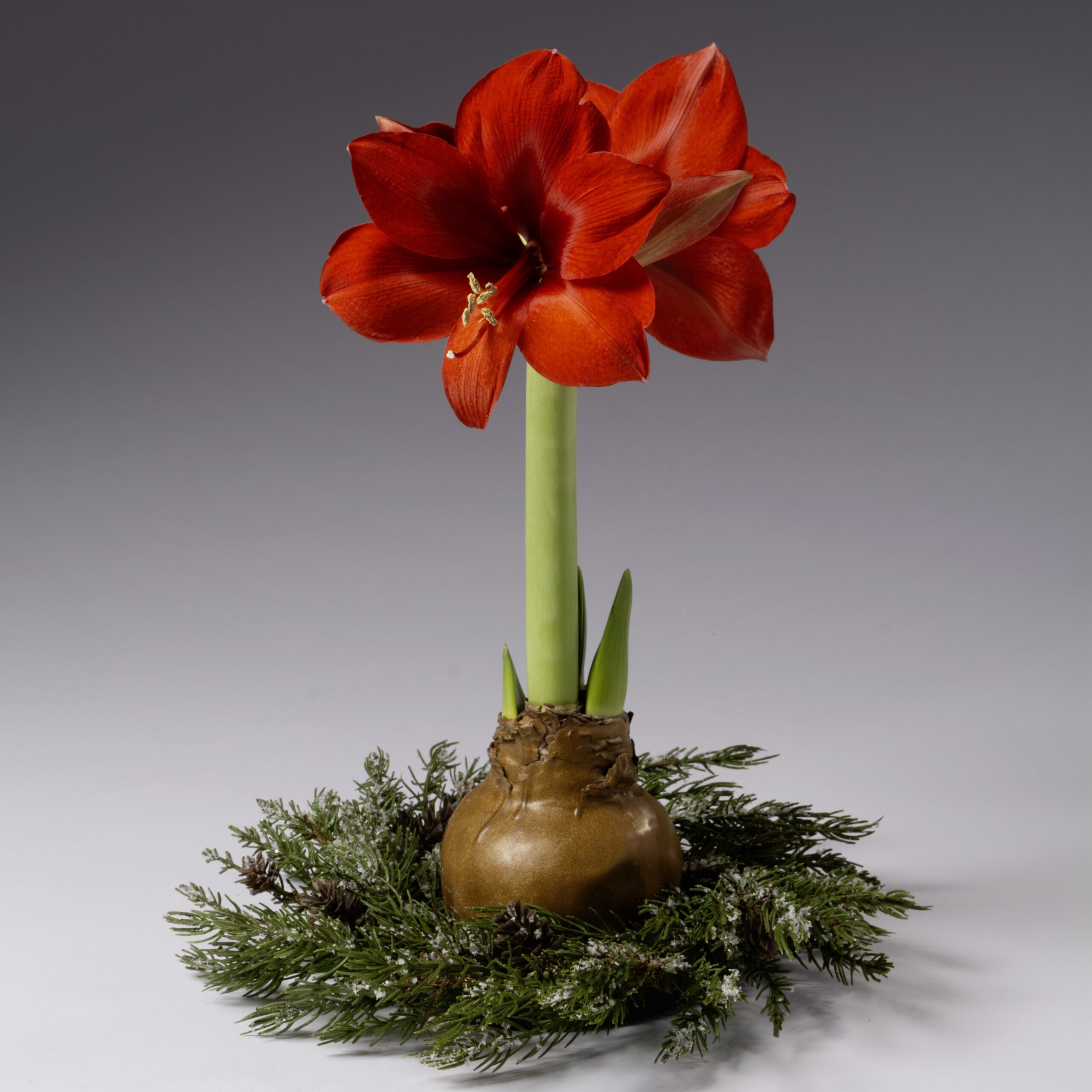
Consider seasonal pairings—pine branches for winter or fresh herbs for spring—to keep your décor fresh and relevant. How might your arrangement change if you updated it with the seasons?
Credit: bulbandblossom.com
Frequently Asked Questions
How Often Should I Water An Amaryllis In Wax?
Water your Amaryllis in wax sparingly. Only water when the soil feels dry. Overwatering may cause bulb rot. Ensure proper drainage for healthy growth. Monitor moisture regularly to keep the plant thriving.
Can Amaryllis Bulbs Survive In Wax Coating?
Yes, Amaryllis bulbs can survive in wax coating. The wax protects the bulb and reduces water loss. It allows the bulb to bloom beautifully while retaining moisture. Proper care ensures the wax does not crack or damage the bulb.
What Light Conditions Suit Amaryllis In Wax Best?
Amaryllis in wax thrives in bright, indirect light. Avoid direct sunlight as it can melt or damage the wax. Place near a window with filtered light for best flowering results. Adequate light supports healthy growth and vibrant blooms.
How To Encourage Amaryllis In Wax To Bloom?
To encourage blooming, keep the bulb in a warm, bright spot. Water moderately and avoid overwatering. Fertilize lightly every few weeks during growth. After blooming, reduce watering to rest the bulb and prepare for the next cycle.
Conclusion
Caring for amaryllis in wax keeps it healthy and bright. Water it just enough to avoid rotting. Place it where sunlight reaches but is not too strong. Keep the temperature steady and avoid cold drafts. Watch for any signs of pests or disease.
With simple care, your amaryllis will bloom beautifully. Enjoy the vibrant colors and long-lasting flowers. Small steps bring big rewards in plant care. Try these tips and see your amaryllis thrive.